Can You Take Ozempic if Gallbladder Removed? Safety and What to Expect
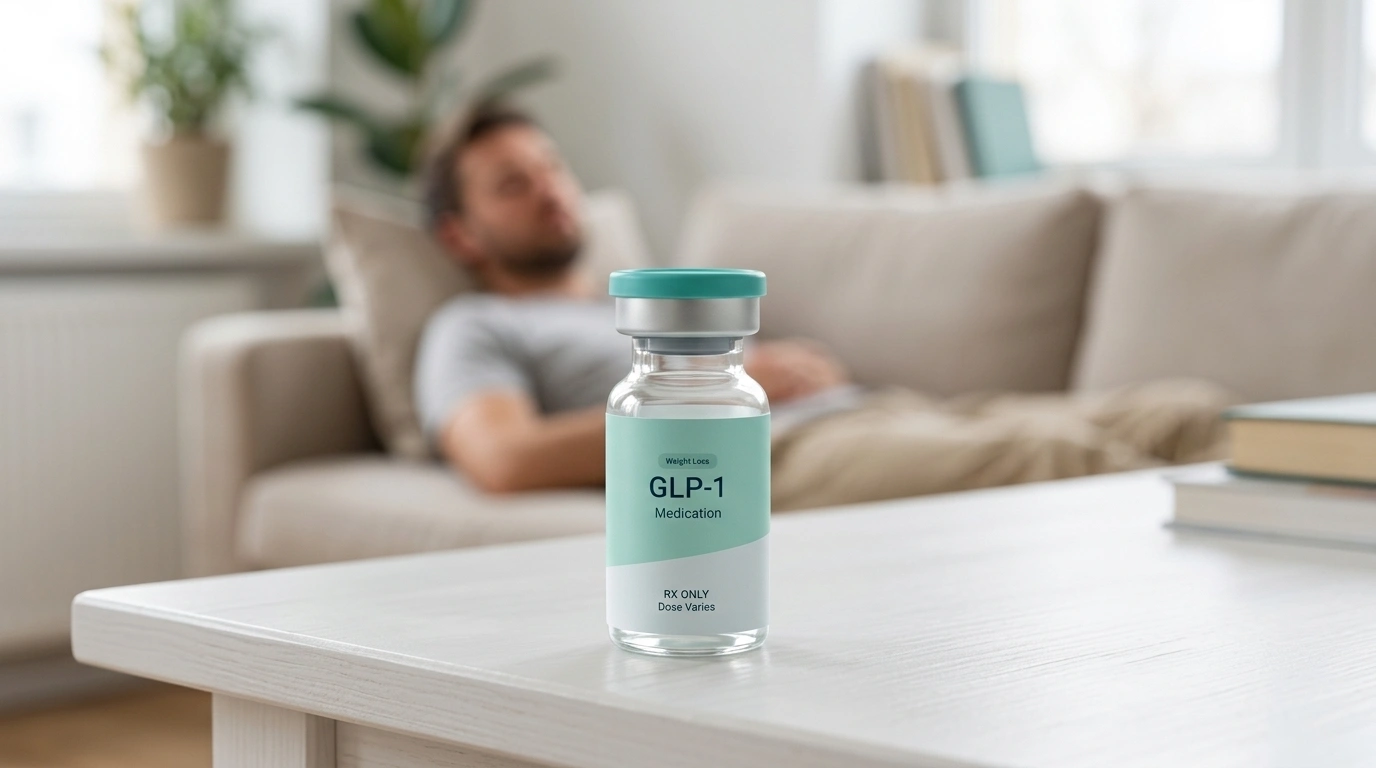
Introduction
Navigating a weight loss journey often feels like a series of questions, especially when your medical history includes surgery. If you have had your gallbladder removed—a procedure known as a cholecystectomy—you might wonder if modern weight loss medications are still an option for you. The short answer is yes, but the journey requires a personalized touch and professional guidance to ensure your digestive system adapts well.
At TrimRx, we understand that every individual brings a unique health profile to their wellness goals, particularly those managing post-surgical metabolic changes. Whether you are considering a GLP-1 medication for the first time or looking to resume treatment after surgery, it is essential to understand how these medications interact with your body’s “new normal.” This article will cover the safety of taking semaglutide after gallbladder removal, the overlap of side effects, and how a personalized program can help you achieve sustainable results safely. If you are exploring treatment options, you can take the free assessment quiz to begin the eligibility process.
Quick Answer: Yes, you can generally take Ozempic® or other GLP-1 medications after gallbladder removal. However, because both the medication and the absence of a gallbladder affect digestion, you must work closely with a healthcare provider to manage timing, dosage, and potential side effects like nausea or diarrhea.
Understanding the Role of the Gallbladder in Digestion
To understand how medications like Ozempic® interact with your body after surgery, it helps to know what the gallbladder actually does. This small, pear-shaped organ sits under your liver. Its primary job is to store and concentrate bile, a fluid produced by the liver that helps your body break down and digest fats.
When you eat a meal containing fat, your gallbladder squeezes that stored bile into the small intestine. Without a gallbladder, your liver still produces bile, but it no longer has a “storage tank.” Instead, bile drips continuously into the digestive system. This change can alter how you process high-fat meals and may lead to digestive sensitivity, such as urgency or loose stools, particularly in the months following surgery. For additional context, read this guide to weight loss after gallbladder removal.
Life After a Cholecystectomy
Most people adapt well to life without a gallbladder. However, some experience “post-cholecystectomy syndrome,” which includes persistent bloating, gas, or diarrhea. Because GLP-1 medications also influence the digestive tract, starting or resuming them requires a cautious approach to avoid compounding these issues.
What is Ozempic and How Does It Work?
Ozempic® is a brand-name medication containing the active ingredient semaglutide. It belongs to a class of drugs called GLP-1 receptor agonists. GLP-1 stands for glucagon-like peptide-1, which is a natural hormone your body releases in the gut after you eat.
Semaglutide works by mimicking this hormone to perform several key functions:
- Appetite Regulation: It signals to the brain’s reward centers that you are full, reducing cravings and overall hunger.
- Blood Sugar Management: It prompts the pancreas to release insulin when blood sugar levels are high and prevents the liver from releasing too much glucose.
- Delayed Gastric Emptying: It slows down the speed at which food leaves your stomach, which helps you feel satisfied for a longer period.
While Ozempic® is specifically FDA-approved for the treatment of type 2 diabetes, its active ingredient, semaglutide, is widely recognized for its weight management benefits. It is important to note that while we provide access to compounded semaglutide through our platform, branded medications like Ozempic® or Wegovy® are filled by patients at their local pharmacies and are not shipped directly by us. For a broader explanation, explore this overview of how GLP-1 medications work.
Key Takeaway: Semaglutide mimics a natural gut hormone to reduce hunger and slow digestion. Because it changes how fast your stomach empties, it can interact with the digestive changes already present after gallbladder removal.
Is it Safe to Take Ozempic After Gallbladder Removal?
The prevailing clinical consensus is that having no gallbladder does not disqualify you from using semaglutide. In fact, for many patients, weight loss can actually improve the metabolic issues that led to gallbladder problems in the first place.
However, safety depends on two main factors: your stage of recovery and your existing digestive symptoms. If you have recently had surgery, your body is still healing from anesthesia and the physical removal of an organ. Most healthcare providers recommend waiting until your bowel movements have returned to a regular pattern and any post-surgical nausea has fully resolved before starting or restarting a GLP-1 program. To discuss whether treatment may fit your health profile, complete a free eligibility assessment.
Why the Concern Exists
The primary reason patients and providers are cautious is the overlap in side effects. Both GLP-1 medications and the absence of a gallbladder can cause:
- Nausea
- Diarrhea
- Abdominal cramping
- Fat malabsorption (difficulty processing oily or fatty foods)
If you start a high dose of medication while your body is still struggling to process bile without a gallbladder, these symptoms can become severe. This is why the TrimRx approach focuses on medical supervision and gradual titration—slowly increasing the dose to allow your system to adjust. You can also review this guide to common GLP-1 side effects.
Timing: Starting or Restarting After Surgery
If you are currently taking a GLP-1 medication and have an upcoming gallbladder surgery, or if you have recently had your gallbladder removed and want to start, timing is everything.
Before Surgery
If you are scheduled for a cholecystectomy, your surgical team will likely instruct you to stop taking your medication at least one week prior to the procedure. This is because semaglutide slows down stomach emptying. For surgery involving general anesthesia, it is critical that the stomach is empty to prevent a complication called pulmonary aspiration (where stomach contents enter the lungs).
After Surgery
You should not resume or start medication immediately after waking up from surgery. Most providers suggest waiting until:
- Oral intake is stable: You are able to eat and drink normally without significant pain.
- Anesthesia has cleared: You are no longer feeling the grogginess or nausea associated with surgical medications.
- Post-op symptoms have abated: If you are experiencing the “emergency” diarrhea sometimes seen after gallbladder removal, adding a GLP-1 could lead to dehydration.
Always consult your surgeon and your prescribing weight loss specialist before taking your first dose post-surgery.
Managing Potential Side Effects
When you take semaglutide without a gallbladder, you are essentially asking your digestive system to handle two major changes at once. Management focuses on “low and slow” dosing and specific dietary choices.
Digestive Sensitivity
Without a gallbladder to provide a concentrated burst of bile, high-fat meals can move through the small intestine too quickly, leading to “dumping syndrome” or oily stools. Because semaglutide slows down the stomach, food stays in the upper GI tract longer. This can be a benefit, as it might actually help pace the digestive process, but it can also lead to increased bloating if the food is very heavy or greasy.
Nausea and Bloating
Nausea is the most common side effect of GLP-1 medications. For those without a gallbladder, this may be exacerbated by bile reflux. Staying hydrated and eating smaller, more frequent meals can help mitigate this. For another perspective on this topic, read what to know about GLP-1 medications after gallbladder removal.
Pancreatitis Risks
While the risk is low, GLP-1 medications have been associated with a potential increase in the risk of pancreatitis (inflammation of the pancreas). Since the gallbladder and pancreas share a close relationship and a common drainage duct, anyone with a history of gallbladder issues should be monitored closely for any severe abdominal pain that radiates to the back.
Bottom line: While safe, using Ozempic® or semaglutide without a gallbladder requires a focus on digestive comfort, starting with low doses and avoiding high-fat triggers.
Optimizing Your Program with TrimRx
At TrimRx, we believe that medication is only one piece of the puzzle. For individuals who have undergone gallbladder surgery, the need for a personalized approach is even higher. Our platform connects you with licensed providers who understand these nuances and can tailor a program to your specific surgical history.
The Power of Personalization
When you complete our free assessment quiz, you provide vital information about your medical history, including past surgeries like a cholecystectomy. This allows the clinical team to determine the safest starting point for you. We prioritize a telehealth-first model, meaning you can discuss your digestive progress with specialists from the comfort of your home, avoiding the stress of waiting rooms.
Supportive Supplements
For those without a gallbladder, nutrient absorption can sometimes be a challenge. We offer quick-access supplements that do not require a prescription or a quiz, designed to support your journey:
- GLP-1 Daily Support: This can help bridge the gap in essential nutrients that may be missed when appetite is reduced or when fat-soluble vitamins are harder to absorb due to bile changes.
- Weight Loss Boost: Designed to work alongside your program to support metabolic health.
Our goal is to ensure that your weight loss journey feels supportive, not overwhelming. By merging clinical expertise with 24/7 access to our team, we help you navigate the complexities of post-surgical weight management.
Dietary Strategies for Success
If you are taking semaglutide without a gallbladder, what you eat matters just as much as the medication itself. Your body now processes fat differently, and the medication will make you feel full faster.
Focus on Lean Proteins
Since fat can be harder to digest, prioritize lean protein sources such as:
- Grilled chicken or turkey
- White fish
- Tofu or legumes
- Low-fat Greek yogurt
Fiber is Your Friend
Soluble fiber can help “soak up” excess bile in the digestive tract, which can reduce the frequency of loose stools. Consider adding oats, beans, and certain fruits like apples or pears to your diet. However, introduce fiber slowly to avoid the bloating that can sometimes occur with GLP-1 medications.
Hydration and Electrolytes
Diarrhea (from surgery) and reduced thirst (from the medication) can quickly lead to dehydration. Aim for consistent water intake throughout the day. If you find yourself experiencing digestive upset, an electrolyte replacement may be beneficial. For additional energy support during weight loss, consider the Weight Loss Boost supplement.
The Relationship Between Weight Loss and Gallbladder Health
Interestingly, the reason many people need gallbladder surgery is related to weight. Rapid weight loss or prolonged obesity can cause the bile in the gallbladder to become chemically imbalanced, leading to stones.
Myth: “I can’t take weight loss meds because they cause gallstones, and I’ve already had surgery.” Fact: While GLP-1s can increase the risk of gallstones in people who still have a gallbladder (often due to the rapid weight loss itself), if your gallbladder has already been removed, you no longer have the organ where those stones form. You may actually be at a lower risk for that specific side effect.
For those who still have their gallbladder, we emphasize the importance of losing weight at a steady, medically supervised pace to reduce the risk of stone formation. For those without one, the focus shifts to ensuring the rest of the biliary system (the liver and bile ducts) remains healthy. This gallbladder and GLP-1 safety guide offers a related perspective.
What to Expect During the TrimRx Onboarding Process
If you are ready to explore your options after gallbladder removal, the process is designed to be transparent and straightforward.
- Step 1: The Assessment. You will complete a comprehensive health quiz. This is where you disclose your surgical history and any ongoing digestive symptoms.
- Step 2: Provider Review. A licensed healthcare provider reviews your profile. They will determine if a GLP-1 medication like compounded semaglutide or tirzepatide is appropriate for you.
- Step 3: Personalized Plan. If eligible, you will receive a program tailored to your needs. This includes your medication, which is shipped from an FDA-registered, inspected compounding pharmacy.
- Step 4: Continuous Support. You have 24/7 access to our team. If you experience digestive changes post-surgery while on the medication, you can reach out for guidance on dosage or lifestyle adjustments.
We are committed to a “no hidden fees” model. Your program remains consistent regardless of dosage changes, ensuring you can focus on your health rather than your bill.
Long-Term Metabolic Health Without a Gallbladder
Removing the gallbladder does more than just change how you digest fat; it can have subtle effects on your metabolism. Some research suggests that the changes in bile flow can influence insulin sensitivity and how the liver processes glucose.
This makes GLP-1 medications a potentially powerful tool for post-cholecystectomy patients. By supporting the body’s natural insulin response and helping to manage weight, these medications address the very metabolic markers that may have been disrupted. Our mission is to help you embrace a healthier lifestyle through science and empathy, providing the tools you need for sustainable, long-term change.
Conclusion
Taking Ozempic® or a similar semaglutide medication after gallbladder removal is not only possible but can be a highly effective path toward your health goals. While the absence of a gallbladder requires a more mindful approach to digestion and side effect management, it does not close the door on medical weight loss. By focusing on a “low and slow” approach to dosing and maintaining a diet that respects your body’s new digestive rhythm, you can navigate this journey with confidence.
At TrimRx, we are here to provide the clinical expertise and personalized care necessary to make your transition to a GLP-1 program as smooth as possible. We believe in science-backed, empathetic support that treats you as an individual, not just a set of symptoms. If you are ready to see if a personalized weight loss program is right for your post-surgical life, the best next step is to take our free assessment quiz and connect with a dedicated specialist today.
FAQ
Can I start Ozempic immediately after my gallbladder surgery?
It is generally advised to wait until you have fully recovered from surgery, your digestive system has stabilized, and you are no longer experiencing post-operative nausea or diarrhea. Your surgeon and your weight loss provider will help determine the exact timeline, which usually ranges from a few weeks to a month post-op.
Does taking semaglutide without a gallbladder cause more side effects?
You may be more sensitive to digestive side effects like nausea or diarrhea because your body is already adjusting to a constant flow of bile. However, many patients find that by starting with a very low dose and following a low-fat diet, they can manage these symptoms effectively.
Will I still lose weight on a GLP-1 if I don’t have a gallbladder?
Yes, the weight loss mechanism of GLP-1 medications—reducing appetite and slowing stomach emptying—does not depend on the presence of a gallbladder. You can still achieve significant weight loss results through the medication’s effect on the brain and the digestive tract.
Should I take any specific supplements if I am on this medication without a gallbladder?
Since the gallbladder helps with fat digestion, you might have more difficulty absorbing fat-soluble vitamins (A, D, E, and K). A high-quality supplement like GLP-1 Daily Support can help ensure you are meeting your nutritional needs while your appetite is reduced and your digestion is altered.
Disclaimer: This content is for informational purposes only and does not constitute medical advice. It is not intended to diagnose, treat, cure, or prevent any disease or condition. Individual results may vary. Always consult a qualified healthcare professional before starting any weight loss program or medication.

Transforming Lives, One Step at a Time
Keep reading
Should You Tell Your Dentist You’re on Ozempic?
Yes, and for two reasons that have nothing to do with each other. The first is sedation. If any dental work involves anything beyond…

Do You Need to Pause Ozempic Before an Endoscopy?
Ask the team performing it, and know that upper endoscopy is where the evidence of retained stomach contents is strongest. This is the procedure…

Why Does Rice Sit in My Stomach on Ozempic?
Mostly volume. Rice expands substantially when cooked, so a modest amount of dry rice becomes a large amount of food, and volume is what…


