Can Coaching Improve GLP-1 Weight Loss Results?

Pairing GLP-1 medications like Wegovy® or Ozempic® with coaching can help you achieve better weight loss results. While the medications reduce hunger and regulate blood sugar, coaching focuses on building lasting habits like healthier eating, managing emotional triggers, and staying active. Together, they address both the physical and behavioral aspects of weight management, leading to more consistent progress and reducing the risk of regaining weight.
Key Benefits of Combining Coaching with GLP-1 Therapy:
- Improved adherence: Coaches help you stick to medication schedules and manage side effects.
- Behavioral support: Guidance on emotional eating, stress management, and building sustainable routines.
- Long-term success: Coaching helps you maintain progress even after medication use changes.
Programs like TrimRX combine GLP-1 therapy with personalized coaching, offering tailored plans, unlimited check-ins, and practical strategies to help you stay on track. This dual approach can make a big difference in achieving and maintaining your weight loss goals.
3 Tips to Coach Nutrition Clients On GLP-1 Medication
How Coaching Improves GLP-1 Medication Results
Coaching works hand-in-hand with GLP-1 medications to turn their appetite-suppressing and blood sugar-regulating benefits into meaningful, long-term weight loss. While the medications address physiological factors, coaching tackles the behavioral side of the equation, often determining the overall success of the treatment.
This combination creates a powerful dynamic. Medications help curb hunger and cravings, making it easier to stick to lifestyle changes, while coaching ensures individuals stay on track, build habits, and communicate effectively with their healthcare providers.
Better Medication Adherence and Overcoming Challenges
Sticking to GLP-1 medications consistently is critical, but it’s not always easy. Side effects, cost concerns, or even the simple act of remembering doses can get in the way. That’s where coaching steps in.
Coaches provide practical strategies to help manage side effects, like adjusting meal timing or dietary choices to reduce nausea, ensuring that individuals can stick with their treatment. This proactive support helps prevent people from stopping their medication prematurely.
Coaching also helps clients tackle common hurdles, such as weight loss plateaus. Instead of getting discouraged when progress slows, clients learn that plateaus are a normal part of the process. Coaches help shift focus to other wins, like feeling more energetic or sleeping better, while tweaking strategies to keep things moving forward.
Building Healthy Habits and Sustainable Lifestyle Changes
GLP-1 medications create a unique opportunity for habit change by reducing cravings and making smaller portions feel satisfying. Coaches take advantage of this window to help clients build long-lasting routines around eating, exercise, and stress management.
Rather than pushing restrictive diets, coaches guide clients toward balanced, sustainable nutrition. They help identify satisfying, protein-rich foods, teach portion control, and create meal plans that reduce the temptation for impulsive eating. These habits establish a solid foundation for healthy eating, even as the effects of the medication eventually diminish.
On the fitness side, coaches design plans that fit into clients’ lives. Starting small – like a daily 10-minute walk – and gradually building up ensures exercise feels manageable and achievable. This approach helps clients stick with physical activity over the long term.
Emotional eating, often tied to stress, is another area where coaching makes a difference. Using mindfulness techniques and stress-reduction exercises, coaches help clients navigate emotional triggers and develop healthier coping mechanisms.
Strengthening Communication with Healthcare Providers
Coaching also bridges the gap between clients and their healthcare providers, making medical visits more productive. Many people struggle to communicate effectively during short appointments, which can lead to missed opportunities for better care. Coaches help prepare clients by encouraging them to track their progress and document any side effects, so they can share detailed, useful information with their providers.
This preparation also helps clients know when to reach out between visits. Coaches guide them in recognizing which symptoms require immediate medical attention and which can be managed with coaching support.
Behavioral and Lifestyle Changes for Weight Loss
GLP-1 medications tackle the biological side of weight loss by curbing appetite and slowing digestion. But lasting change requires more than just biology – it demands shifts in behavior and mindset. That’s where coaching steps in, helping individuals reshape their habits around food, exercise, and self-perception to make sustainable progress.
With cravings reduced and portion control improved, building healthier habits becomes more manageable. Coaches provide the guidance needed to implement practical, evidence-based strategies, creating a strong foundation for addressing emotional triggers and ensuring lasting results.
Overcoming Emotional and Mental Barriers
Emotional eating is one of the toughest hurdles in managing weight, and coaching plays a key role in addressing it. Stress, boredom, sadness, or even celebrations often lead people to seek comfort in food. While GLP-1 medications can suppress physical hunger, they don’t tackle the emotional reasons behind overeating.
Coaches help clients uncover these emotional triggers and develop healthier coping mechanisms. For example, instead of reaching for a snack during stress, clients might try deep breathing exercises, a quick walk, or engaging in a distraction activity. Tools like mood and food journals can reveal patterns between emotions and eating habits, offering valuable insights.
Shifting one’s mindset is equally important for long-term success. Many people approach weight loss with an all-or-nothing attitude, where one slip-up feels like total failure. Coaches help reframe these moments, emphasizing that setbacks are part of the process and progress happens step by step.
Self-compassion is a game-changer in this journey. Instead of beating themselves up for eating something unplanned, clients learn to treat themselves with the kindness they’d show a close friend. This approach reduces feelings of shame and guilt, which often fuel emotional eating cycles.
Another common barrier is perfectionism, which can derail efforts. Coaches encourage clients to focus on consistency over perfection. For example, they might celebrate a healthy breakfast choice even if lunch didn’t go as planned, or highlight the benefits of a 15-minute walk instead of skipping exercise altogether. These small wins add up and keep momentum going.
Maintaining Results Long-Term
After addressing emotional challenges, the focus shifts to maintaining these habits for the long haul. Combining the benefits of medication with coaching, these behavioral changes become the cornerstone of sustainable weight management.
The true test of any weight loss program comes after the initial success. Studies show that many people regain weight within two to five years, but coaching significantly increases the chances of maintaining progress.
As weight loss slows metabolism, adjustments become necessary to sustain results. Coaches guide clients through the transition from active weight loss to maintenance by tweaking routines. This might involve slightly increasing calorie intake while keeping healthy eating patterns intact or shifting exercise goals from weight loss to building strength and fitness.
Regular check-ins are crucial during this phase. Even after reaching their goal weight, many clients continue working with their coaches – though less frequently, perhaps monthly instead of weekly. These sessions help catch small weight fluctuations early, preventing them from escalating.
Creating a supportive environment also plays a big role in maintaining success. Coaches assist clients in setting up home and workspaces that make healthy choices easier. For instance, they might suggest keeping nutritious snacks within easy reach while storing less healthy options out of sight or creating a dedicated space for at-home workouts to remove exercise barriers.
Social support is another key factor. Coaches often help clients communicate their health goals to family and friends, ensuring their environment supports their efforts. This could mean asking loved ones not to bring tempting foods into the house or finding workout partners with similar goals.
As clients move into maintenance, the coaching relationship evolves. Sessions shift from focusing on weight loss strategies to addressing stress management, life balance, and adapting healthy habits to new circumstances. Whether it’s navigating a job change, family demands, or health challenges, coaches provide the tools to stay on track through life’s ups and downs.
Over time, clients develop their own internal coaching voice. They learn to ask themselves the same questions their coach might ask, recognize patterns in their behavior, and find solutions independently. This self-reliance becomes one of the most lasting and empowering outcomes of the coaching journey.
sbb-itb-e2779c3
Research Results: Coaching and GLP-1 Medications
Recent studies highlight how coaching, already recognized for its role in driving behavior change, delivers even greater benefits when combined with GLP-1 medications.
Clinical Results: Sustained Weight Loss and Improved Health
Research shows that pairing coaching with GLP-1 medications leads to more effective weight loss while also enhancing overall health. Participants in these studies experienced better cardiovascular and metabolic health, improved sleep, and heightened psychological well-being. These findings reinforce how coaching complements GLP-1 therapy, making it a key component for achieving lasting results.
Lowering the Risk of Weight Regain
One of the standout benefits of coaching is its ability to reduce the likelihood of weight regain. By focusing on consistent and sustainable behavior changes, coaching helps individuals maintain healthier habits over time. Introducing coaching early and ensuring regular follow-ups can create lasting lifestyle adjustments, making it easier to sustain weight loss – even when medication routines change.
Personalized Programs: Combining Coaching and GLP-1 Therapy
Successful weight loss programs often blend medication with consistent coaching. This combination ensures a balanced approach, addressing both the medical and behavioral aspects essential for lasting results.
How TrimRX Combines Coaching and Medication
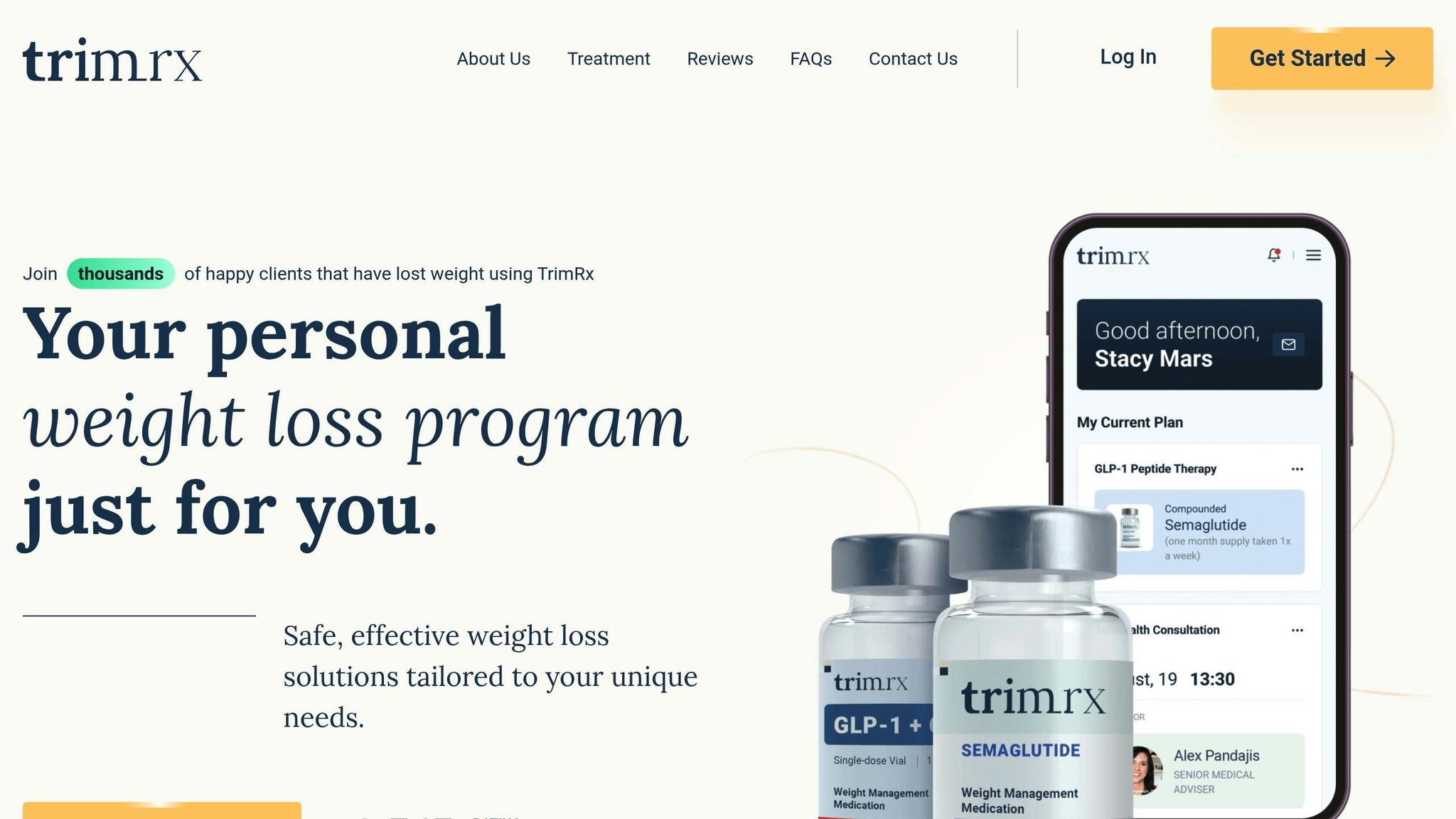
TrimRX merges GLP-1 medications with personalized behavioral support, offering consultations where medical professionals evaluate each client’s health profile, weight loss goals, and lifestyle. This tailored approach helps determine the most suitable GLP-1 medication and dosing plan.
The platform provides a variety of GLP-1 options at competitive prices, including injectable and oral Semaglutide, advanced dual-action medications, and well-known brands like Ozempic®, Mounjaro®, Zepbound®, and Wegovy®.
Clients benefit from unlimited check-ins throughout their journey. Whether they need help managing medication side effects, advice on lifestyle adjustments, or a motivational boost, TrimRX is there to assist. Additionally, the program includes free medication delivery and nutritional support through supplements designed specifically for GLP-1 users.
Benefits of Combining Coaching with GLP-1 Medications
Pairing coaching with GLP-1 therapy creates a powerful combination that enhances the effectiveness of both. Regular interactions with healthcare professionals help clients stay consistent with their treatment, addressing concerns early and preventing potential roadblocks.
This approach also leads to better physical outcomes. Coaches guide clients in managing side effects like nausea or appetite changes while optimizing nutrition. For example, they help clients maintain adequate protein intake, stay hydrated, and time meals to maximize the medication’s benefits while minimizing discomfort.
The psychological advantages are just as impactful. With unlimited check-ins, clients always have someone to turn to, whether they need help navigating emotional eating triggers, celebrating progress, or overcoming weight loss plateaus. This steady support builds the mental strength needed for lasting success.
Most importantly, combining coaching with medication lays the foundation for long-term lifestyle changes. GLP-1 medications assist with appetite control and weight loss, but coaching ensures clients develop the habits and mindset required to maintain those results. This dual approach significantly reduces the likelihood of regaining weight, even if medication use changes over time.
TrimRX’s custom dosing strategy further enhances this process by tailoring medication plans to each individual. Coaches collaborate with clients to fine-tune dosages, ensuring effective results while managing side effects. This personalized approach not only improves medication outcomes but also supports sustainable, healthy lifestyle changes.
Conclusion: Getting Better Weight Loss Results with Coaching and GLP-1 Therapy
Pairing coaching with GLP-1 therapy can make a big difference in achieving sustainable weight loss. While GLP-1 medications help by reducing appetite and improving metabolic function, coaching tackles the behavioral side of the equation – helping you build habits that stick.
Coaching complements the effects of medication by promoting consistency and encouraging long-term changes. Together, they create a powerful combination that not only supports weight loss but also helps reshape your relationship with food. This blend of medication and coaching provides a well-rounded approach to managing weight for the long haul.
TrimRX illustrates how this integration works by offering personalized support, unlimited check-ins, tailored dosing plans, and access to premium medications like Wegovy® and Mounjaro®. This level of care ensures that every aspect of your journey is covered, giving you the tools and guidance to reach your health goals.
At the heart of it, successful weight loss is about more than just taking medication – it’s about making meaningful lifestyle changes. Whether you’re navigating emotional eating, dealing with side effects, or just need a bit of encouragement, coaching offers the accountability and resources to get the most out of your GLP-1 therapy.
FAQs
How can coaching improve the results of GLP-1 medications for weight loss?
Coaching is an essential companion to GLP-1 medications, helping individuals establish lasting habits and stay on track with their weight loss goals. By offering tailored guidance, it addresses hurdles, boosts medication adherence, and promotes healthier lifestyle choices.
With consistent support, coaching empowers people to make impactful changes, like eating balanced meals, staying active, and managing stress effectively. These adjustments not only amplify the benefits of the medication but also lay the groundwork for long-term success in maintaining a healthy weight.
How can coaching help manage the side effects of GLP-1 medications?
Coaches can share helpful tips to make GLP-1 medications easier to manage. They might recommend eating smaller, more frequent meals, steering clear of greasy or fatty foods, and adding more fiber to your diet. Staying well-hydrated is crucial too, and natural options like ginger or peppermint may help reduce nausea.
With tailored advice, coaches equip you with strategies to handle side effects, making it easier to stay committed to your weight loss journey.
Can coaching help maintain weight loss after stopping GLP-1 medications?
Yes, coaching can be a powerful tool for maintaining weight loss after stopping GLP-1 medications. By emphasizing healthy habits like balanced eating, consistent exercise, and mindful decision-making, coaching helps establish routines that support lasting results.
With personalized advice and continuous support, a coach can guide you through challenges, keep you motivated, and encourage sustainable lifestyle adjustments. This mix of tailored strategies and accountability boosts your chances of maintaining weight loss while also enhancing your overall quality of life.
Related Blog Posts

Transforming Lives, One Step at a Time
Keep reading
Weight Loss Progress Tracker
Track your weight loss over time, see progress clearly, and stay motivated with simple charts, summaries, and goal-based insights.

How to Create a Personalized Adherence Plan
Build a one-page GLP-1 adherence plan: record dose, pick a weekly time, set reminders, log side effects, and review monthly.

Weight Loss Medication Dosage Calculator
Estimate weight loss medication doses by weight and drug type, with starting guidance, dose progression info, and a clear medical disclaimer.


