What Happens in Your First 30 Days on Ozempic
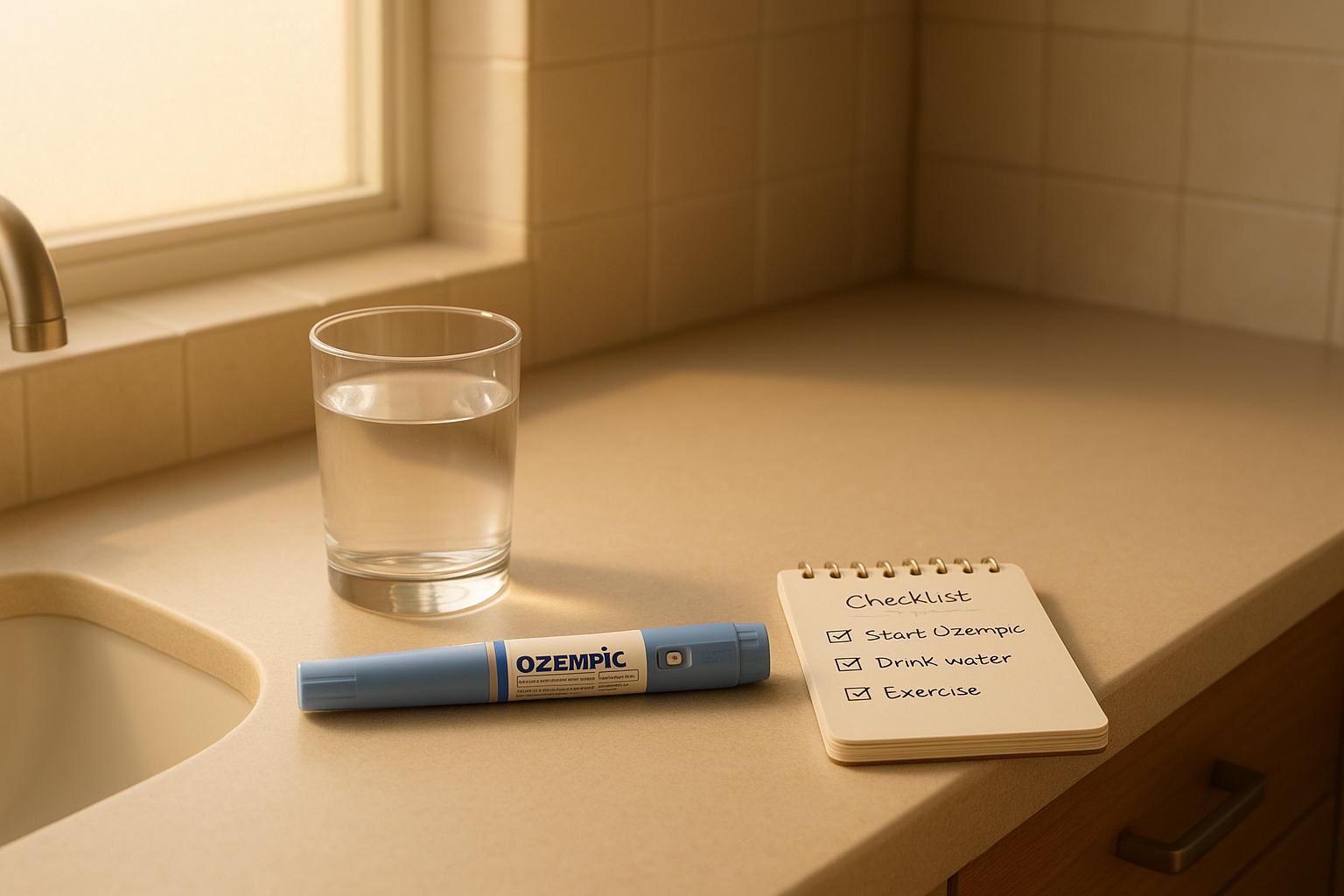
Embarking on a weight loss journey can be both exciting and nerve-wracking, especially when introducing a medication like semaglutide (commonly known as Ozempic). If you’re considering it or just starting out, you might find yourself filled with questions: How quickly will you see results? What side effects should you anticipate? How will this medication transform your relationship with food?
This guide breaks down what you can expect during your first 30 days on Ozempic, ensuring you feel informed, supported, and ready to make the most of this transformative process.
Understanding the First Month on Ozempic
The first 30 days on semaglutide are often referred to as the "adjustment phase." This period is about giving your body the time it needs to adapt to the medication. Here’s everything you need to know about this crucial initial stage, broken into two key phases: Weeks 1-2 and Weeks 3-4.
Weeks 1-2: The Adjustment Phase
What’s Happening in Your Body?
During the first two weeks, you’ll typically be prescribed a low dose of 0.25 mg of semaglutide. It’s important to know that this dose isn’t intended for significant weight loss – it’s designed to ease your body into the medication while minimizing side effects.
While you might not notice dramatic changes right away, many people report subtle but meaningful differences within the first few days. The most common experience is a reduction in "food noise", or the constant cravings and mental chatter around food. You’ll likely feel fuller faster during meals, and that sense of fullness will last longer than usual.
Early Results
Most users shed between 2-5 pounds during the first two weeks. This initial weight loss is largely due to eating less, as the medication curbs hunger and encourages smaller portion sizes. Note that this stage is not about rapid fat loss but rather about creating a calorie deficit in a sustainable, manageable way.
Potential Side Effects
As your body adjusts, mild side effects may occur. These can include:
- Nausea: Often mild and temporary, it typically appears within 24-48 hours of your injection and subsides within a few days.
- Stomach discomfort or bloating: A common response to dietary changes.
- Fatigue: Some people feel slightly more tired as their body adapts to the medication.
Tips for Managing Side Effects:
- Eat smaller, more frequent meals to avoid overwhelming your stomach.
- Opt for bland, easily digestible foods (e.g., crackers or toast) if nausea strikes.
- Stay hydrated – aim for at least 80 ounces of water daily.
- Avoid greasy or fatty foods, which can worsen nausea or stomach upset.
Building a Foundation
This phase offers a golden opportunity to start building healthier eating habits. With your hunger signals regulated, you can focus on:
- Choosing nutrient-dense foods like lean proteins, vegetables, and whole grains.
- Learning portion control by stopping when you feel full, not stuffed.
- Establishing consistency in your meal routines.
Weeks 3-4: Gaining Momentum
Adjusting to the Medication
By the third and fourth weeks, your body typically becomes acclimated to the medication, and most initial side effects (if experienced) begin to wane or disappear entirely. This is a turning point where you can fully focus on the benefits of semaglutide rather than managing discomfort.
Consistent Weight Loss
During this stage, you might notice a more steady and reliable weight loss. Most people achieve about 4-6% of their starting weight by the end of the first month. For example, if you start at 200 pounds, that translates to an 8-12 pound reduction.
Non-Scale Victories
Beyond the numbers on the scale, you’ll likely begin to experience non-scale victories that can be equally transformative:
- Increased energy: As you shed weight and improve your diet, you may feel lighter, less sluggish, and more energetic.
- Better-fitting clothes: Noticeable changes in how your jeans or shirts fit can provide an extra boost of confidence.
- Reduced cravings: Many users report a significant drop in cravings for sugary or fatty foods, making healthier choices feel more natural.
Tips for Continued Success
- Prioritize protein: Protein-rich foods help keep you full and support muscle health as you lose weight.
- Listen to your body: Stop eating when you’re comfortably full, and avoid overeating out of habit.
- Stick to a routine: Take your injection on the same day and time each week to maintain consistency.
Managing Side Effects and Staying on Track
Not everyone will experience side effects, but for those who do, they are usually temporary and manageable. Here are some practical strategies to set yourself up for success:
- Prevention is key: Eat a light snack, like crackers or an apple, before your injection to minimize nausea.
- Stay away from triggers: Avoid greasy, fried, or overly rich foods, which can exacerbate discomfort.
- Hydrate consistently: Dehydration can worsen nausea and fatigue, so sipping water throughout the day is essential.
Red Flags to Watch For
Although most side effects are mild, some symptoms may require medical attention. Contact your doctor if you experience:
- Persistent vomiting
- Severe abdominal pain
- Signs of dehydration (e.g., dizziness, dark urine, or infrequent urination)
Looking Beyond the First Month
As you complete your first month on Ozempic, your provider will likely increase your dosage, typically every four weeks, to reach the "therapeutic dose" that maximizes weight loss. It’s important to remember that results vary based on factors such as starting weight, metabolism, and how well you adhere to healthier eating habits.
Over the next 3-6 months, many people achieve a total weight loss of 10-20% of their starting weight. This slow, steady approach allows your body and mind to adjust, helping ensure long-term success.
Key Takeaways
- Be Patient: The first month is about adjustment, not rapid results. Use this time to establish sustainable habits.
- Expect Subtle Changes: Reduced appetite, fewer cravings, and small but consistent weight loss are the hallmarks of this phase.
- Manage Side Effects: Eat smaller meals, avoid greasy foods, and stay hydrated to minimize nausea and discomfort.
- Focus on Your Journey: Everyone’s progress is unique. Avoid comparing your results to others and trust the process.
- Set Routine Habits: Stick to consistent injection times, prioritize protein, and listen to your body’s hunger and fullness cues.
- Non-Scale Victories Matter: Increased energy, better-fitting clothes, and healthier food preferences are signs of progress beyond the numbers.
Conclusion
The first 30 days on Ozempic can be transformative, offering you the chance to reset your relationship with food and build the foundation for sustainable weight loss. By understanding what to expect, managing potential side effects, and focusing on healthy habits, you set yourself up for long-term success. Remember, this journey is not about perfection – it’s about progress. Celebrate every small victory, both on and off the scale, as you move closer to your weight loss goals.
Source: "What to Expect in Your First 30 Days on Ozempic" – TrimRx, YouTube, Nov 15, 2025 – https://www.youtube.com/watch?v=Vz_6I3U7AP4
Related Blog Posts

Transforming Lives, One Step at a Time
Keep reading

Mons Pubis Fat Loss on GLP-1s: The “Pubic Area” Change Nobody Mentions
One change that surprises people on GLP-1 medications rarely comes up in conversation: the mons pubis, the soft fat pad over the pubic bone,…

How to Adjust Weight Loss Goals on GLP-1 Medications
Adjust weight goals on GLP-1 meds by tracking body composition and labs, optimizing protein, activity, sleep, and working with your provider on dosing.

Falsified Mounjaro pens prompt urgent safety advisory
MHRA warns of counterfeit Mounjaro pens (batch D873576); stop use and check batch numbers for infection risk.


