Ozempic Dosing Schedule: Step-by-Step Guide
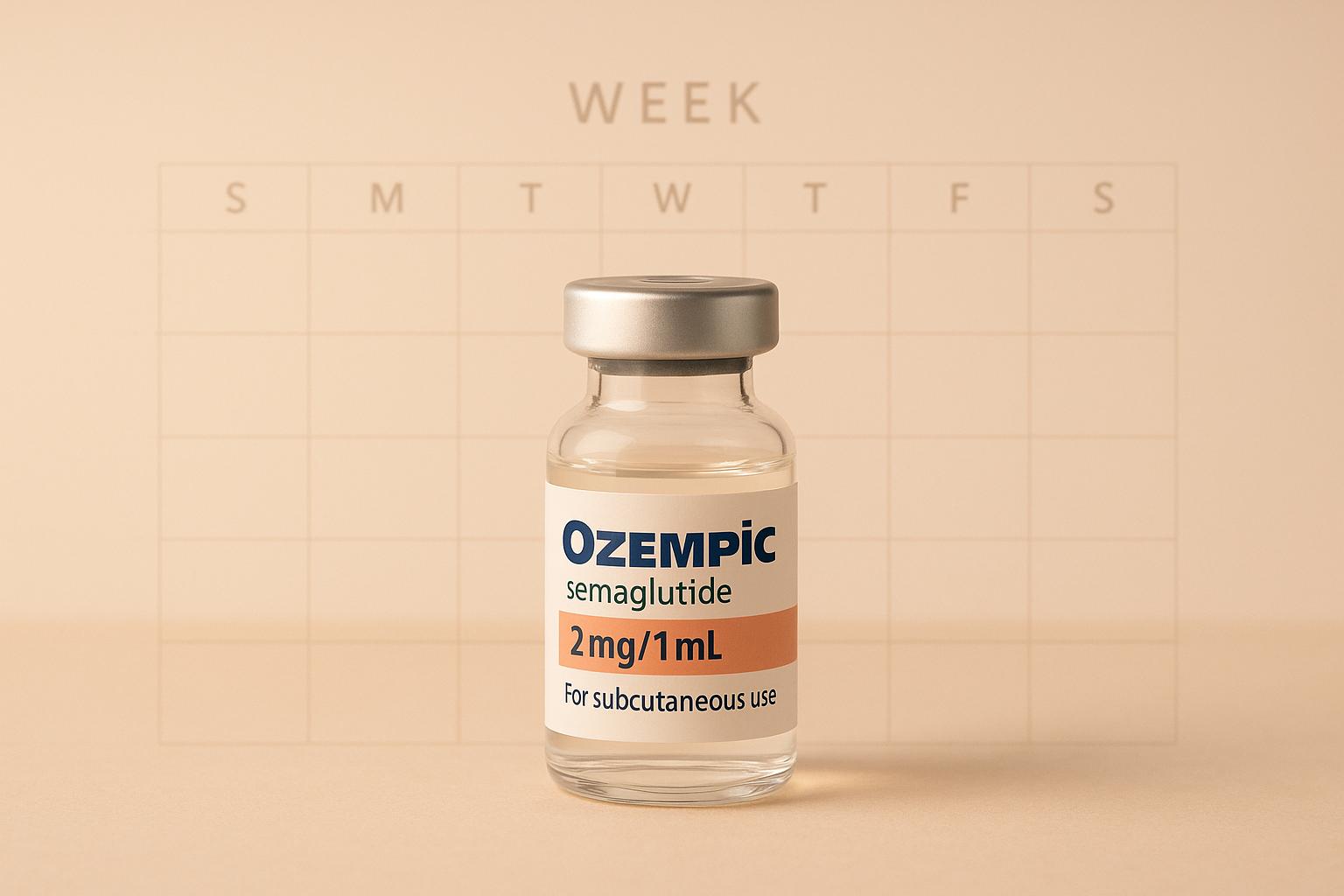
Ozempic is a weekly injection used for managing type 2 diabetes and supporting weight loss. It works by helping control blood sugar levels, reducing appetite, and slowing digestion. Following the correct dosing schedule is critical to ensure safety and effectiveness while minimizing side effects like nausea.
Key Points:
- Start Low: Begin with 0.25 mg weekly for the first 4 weeks to allow your body to adjust.
- Increase Gradually: Move to 0.5 mg weekly from weeks 5-8 and consult your healthcare provider for further adjustments.
- Stay Consistent: Inject on the same day each week and rotate injection sites (abdomen, thigh, or upper arm) to prevent irritation.
- Missed Dose? Take it within 5 days; otherwise, skip and stick to your regular schedule.
Proper injection technique, regular monitoring, and healthcare support are essential for success. If side effects persist or progress stalls, consult your provider to adjust your plan.
Ozempic® Dosage Schedule From Starter Dose 0.25mg to 2mg Explained

Step-by-Step Ozempic Dosing Schedule
Here’s a clear guide to help you follow the recommended Ozempic dosing schedule while keeping side effects to a minimum.
Starting Dose: 0.25 mg Once Weekly (Weeks 1-4)
Begin with a weekly dose of 0.25 mg for the first four weeks. This low, introductory dose isn’t intended to be therapeutic but is designed to help your body gradually adapt to the medication, reducing the chances of gastrointestinal discomfort. Stick to this dosage for the full four weeks before making any changes.
Dose Increase: 0.5 mg Once Weekly (Weeks 5-8)
At Week 5, increase the dose to 0.5 mg once a week. Ensure you consult your healthcare provider to confirm this adjustment and discuss any concerns or questions you might have.
Additional Adjustments Based on Healthcare Guidance
Further dose changes may be recommended by your healthcare provider depending on your progress and tolerance. Always follow their advice for the best results.
Practical Tips for Staying Consistent with Ozempic
Sticking to a steady routine for your weekly Ozempic injections can make a big difference in reaching your weight loss goals. These tips are designed to simplify the process, making it easier to stay on track and use proper injection techniques.
Choosing and Rotating Injection Sites
Picking the right injection site – and switching it up regularly – is key to staying comfortable and avoiding issues like skin irritation or infection. There are three approved areas you can use: the abdomen, thigh, and upper arm. If you tend to favor one area, like your abdomen, make sure to choose a different spot within that region each week.
Before injecting, check your skin for any irregularities. Avoid areas with moles, scars, or damaged skin, as these can interfere with how the medication is absorbed and may lead to complications.
For those also using insulin, it’s okay to inject both medications in the same general area, but never use the exact same spot. For instance, you could inject Ozempic in one part of your upper thigh and insulin in another to avoid skin irritation.
Setting Weekly Reminders
A simple reminder system can help you stay consistent. Choose a specific day each week for your injection and treat it like a non-negotiable appointment. Use your smartphone’s reminder tools – set a recurring alarm labeled something like "Ozempic Injection" and include your dosage if needed. Calendar alerts can also work well, especially if they’re set to notify you shortly before your planned injection time.
There are also apps that track doses and send notifications, which can help you maintain a record of your injection history. To make it even easier, try pairing your injection with an existing weekly habit, like a specific TV show or meal prep routine.
What to Do If You Miss a Dose
Life happens, and sometimes doses are missed. Here’s how to handle it without disrupting your routine.
If you miss your scheduled injection, take it as soon as you remember – as long as it’s within five days. Then, return to your regular weekly schedule. Never double up on doses or inject within 48 hours, as this can increase the risk of side effects like hypoglycemia. If more than five days have passed, skip the missed dose entirely and wait until your next scheduled injection.
Avoid trying to "make up" for missed doses by adjusting future injections. Stick to your original schedule, keeping the same day each week for consistency. This helps maintain stable medication levels and minimizes the risk of side effects.
If missed doses become a pattern, take note of when and why they’re happening. This can help you identify if a different injection day or an updated reminder system might work better for your routine.
sbb-itb-e2779c3
Monitoring Progress and Adjusting Dosages
Tracking your progress with Ozempic goes beyond just watching the number on the scale. It’s essential to assess whether your current dosage is working effectively while ensuring it’s safe for you.
Signs You May Need a Dose Adjustment
Weight loss has stalled. If your progress plateaus, it might be time to consult your healthcare provider about adjusting your dose.
Side effects are too disruptive. Mild nausea or occasional stomach discomfort is common early on, but persistent vomiting, severe pain, or difficulty tolerating food could indicate that your dosage needs to be reevaluated.
Symptoms of low blood sugar. Feeling dizzy, shaky, or confused might mean your dose is too high. These symptoms should prompt a conversation with your healthcare provider.
Appetite control has decreased. If your hunger returns to previous levels despite maintaining the same eating habits, it could be a sign that your current dose is no longer as effective.
Weight is dropping too quickly. Rapid weight loss can lead to muscle loss or nutritional deficiencies. If your weight is falling at an unusually fast rate, check in with your healthcare provider for advice.
Pay attention to these signs, and don’t hesitate to bring them up with your healthcare team.
Healthcare Support and Check-Ins
Regular check-ins with your healthcare provider are crucial for using Ozempic safely and effectively. Early in your treatment, schedule periodic appointments to review your progress, address any side effects, and adjust your dose if needed. Once your dosage stabilizes, ongoing appointments help ensure the treatment remains effective.
Keep a record of your weight, appetite changes, and any side effects. This can provide valuable insight for your provider when determining if adjustments are necessary.
For severe symptoms like intense nausea, significant abdominal pain, or allergic reactions, seek immediate medical help. For less urgent issues, many healthcare providers offer phone consultations or secure messaging options to address concerns like missed doses or mild side effects.
TrimRX offers unlimited access to healthcare experts familiar with Ozempic treatment. They can help with dose timing, managing side effects, and evaluating your progress, ensuring small concerns don’t turn into bigger problems.
Your healthcare provider may also collaborate with other specialists if needed. For example, if you have diabetes, they might coordinate with your endocrinologist to align Ozempic with your broader treatment plan. Similarly, if you’re preparing for surgery or another medical procedure, they can advise you on whether to adjust or pause your Ozempic use temporarily.
Common Mistakes and How to Avoid Them
When using Ozempic, some mistakes are more common than you might think. Knowing what these are and how to sidestep them can make your treatment smoother and more effective.
Frequent Errors in Ozempic Use
One common misstep is repeatedly injecting into the same spot, which can lead to irritation, lumps, and reduced absorption of the medication. Rotating your injection sites is essential to allow your skin to heal properly.
Another issue is injecting into unsuitable areas, such as moles, scars, or damaged skin. This can compromise how well your body absorbs the medication.
Reusing needles is another risky habit. Not only can it increase the chance of infection, but it can also make the process more uncomfortable. Each needle is intended for just one use.
Skipping proper skin preparation or failing to stick to a consistent dosing schedule are also frequent mistakes. These can disrupt medication levels and increase the risk of infection.
By understanding and addressing these errors, you can avoid unnecessary complications and improve your treatment experience.
Best Practices for Safe and Effective Use
To get the most out of Ozempic, follow these simple yet effective guidelines:
- Rotate your injection sites. Alternate between your abdomen, thigh, or upper arm. Even within the same area, pick a different spot each time. Keeping a log or using an app can help you keep track.
- Always clean the injection site. Use an alcohol swab to clean the area and let it dry completely before injecting. This step minimizes infection risk and ensures proper medication delivery.
- Use a new needle for every injection. A fresh needle reduces the chance of contamination and ensures accurate dosing.
- Stick to a consistent schedule. Choose the same day and time each week for your injection to maintain steady levels of the medication. Setting a reminder can help you stay on track.
- Inject into subcutaneous fat. Pinch the skin gently and insert the needle at a 90-degree angle to ensure the medication reaches the fatty tissue layer, not the muscle.
Comparison Table: Best Practices vs. Common Mistakes
| Aspect | Best Practice | Common Mistake |
|---|---|---|
| Injection Sites | Rotate between abdomen, thigh, and upper arm | Reusing the same spot repeatedly |
| Site Selection | Use healthy skin with adequate fat | Injecting into moles, scars, or damaged skin |
| Needle Use | Use a new needle for each injection | Reusing needles |
| Skin Preparation | Clean with alcohol swab and let it dry | Skipping this step |
| Injection Depth | Aim for the fatty tissue layer under the skin | Injecting too shallowly or into muscle |
| Timing | Inject on the same day and time weekly | Irregular or inconsistent scheduling |
| Site Tracking | Keep a log to ensure proper rotation | Failing to track, leading to overuse |
Key Takeaways for Successful Ozempic Use
Recap of the Ozempic Dosing Schedule
Getting the dosing right is key to making the most out of Ozempic while keeping side effects in check. The typical schedule starts with 0.25 mg weekly for the first four weeks, then increases to 0.5 mg weekly from weeks five through eight, as directed by your healthcare provider.
Consistency is crucial. Taking your injection on the same day and at the same time each week helps maintain steady medication levels in your body. If you miss a dose, take it as soon as you remember – within five days. If more than five days have passed, skip the missed dose and stick to your regular schedule. Never take two doses within a 48-hour window.
The maximum dose should not exceed 2 mg per week. Julie Adkison, PharmD, BCACP, CDCES, explains:
"If you receive a compounded version of Ozempic in a vial, there’s a greater risk of injecting too much. Closely follow the instructions you’ve been given to help prevent errors."
Your healthcare provider will adjust your dosage based on your progress, side effects, and treatment goals. Avoid making changes on your own – consistent dosing ensures a solid foundation for achieving your health objectives.
The Role of Expert Support in Your Weight Loss Journey
Accurate dosing is just one piece of the puzzle. Ongoing professional support plays a big role in keeping your treatment safe and effective. TrimRX provides expert guidance to monitor your progress and address any concerns along the way.
With customized dosing plans and free medication delivery, TrimRX removes common obstacles that might disrupt your treatment. Their medical team ensures you’re following best practices, helping you avoid errors that could impact your results.
When you combine proper dosing, regular timing, and expert oversight, you set yourself up for success. TrimRX offers the support and resources you need to stay on track and reach your weight loss goals in a safe, effective way.
FAQs
What should I do if I have serious side effects while taking Ozempic?
If you encounter severe side effects while taking Ozempic, it’s crucial to reach out to your doctor immediately. Serious symptoms might include intense nausea, persistent vomiting, severe abdominal pain, or signs of an allergic reaction, such as swelling or trouble breathing.
Your doctor can help determine the best course of action, which could involve adjusting your dosage or considering other treatment options. If the symptoms seem life-threatening, don’t hesitate – call 911 or head to the nearest emergency room right away.
How can I monitor my progress and know if my Ozempic dosage is working?
To keep an eye on your progress, focus on tracking important factors like blood sugar levels, weight fluctuations, and your overall sense of well-being. Regularly jotting down these details can help you identify patterns and changes over time. Staying in regular communication with your healthcare provider is equally important – they can review your progress, address any side effects, and decide if your dosage needs tweaking.
Sticking to your prescribed schedule is crucial. Make it a habit to take your medication exactly as directed. If anything unexpected comes up – whether it’s a side effect or a noticeable change – don’t hesitate to contact your provider. This ensures you’re getting the most out of your treatment.
Can I safely use Ozempic with other medications for diabetes or weight loss?
It’s crucial to talk to your healthcare provider before adding Ozempic to your treatment plan, especially if you’re already using other medications for diabetes or weight loss. Drug interactions or unforeseen side effects can occur, and your doctor needs to assess your individual circumstances to ensure it’s the right choice for you.
Stick to your provider’s instructions to keep your treatment safe and effective.
Related Blog Posts

Transforming Lives, One Step at a Time
Keep reading
Weight Loss Progress Tracker
Track your weight loss over time, see progress clearly, and stay motivated with simple charts, summaries, and goal-based insights.

How to Create a Personalized Adherence Plan
Build a one-page GLP-1 adherence plan: record dose, pick a weekly time, set reminders, log side effects, and review monthly.

Weight Loss Medication Dosage Calculator
Estimate weight loss medication doses by weight and drug type, with starting guidance, dose progression info, and a clear medical disclaimer.


