Tirzepatide vs Semaglutide: Glycemic Control Comparison
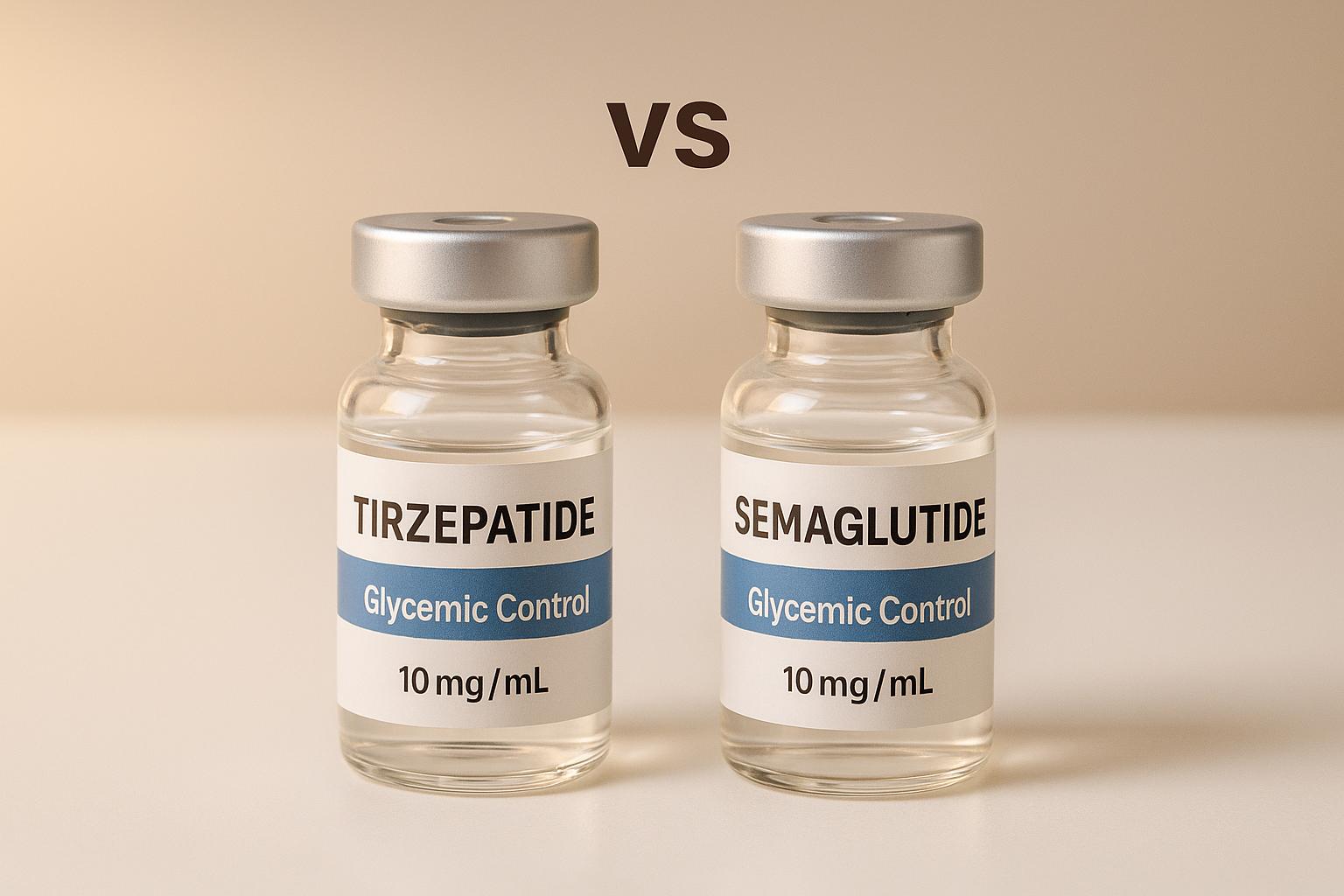
Managing blood sugar is critical for people with type 2 diabetes. Tirzepatide and semaglutide are two medications that help control glucose levels and promote weight loss. While both are effective, they work differently and offer varying results. Here’s a quick summary:
- Tirzepatide: Targets two hormone pathways (GLP-1 and GIP), leading to greater HbA1c reductions and more weight loss.
- Semaglutide: Focuses on GLP-1 receptors, effectively lowering blood sugar and supporting moderate weight loss.
Quick Comparison
| Feature | Tirzepatide | Semaglutide |
|---|---|---|
| Action Mechanism | Dual (GLP-1 + GIP receptor agonist) | Single (GLP-1 receptor agonist) |
| HbA1c Reduction | Greater reductions | Effective but slightly less than tirzepatide |
| Weight Loss | More pronounced | Moderate |
| Side Effects | Gastrointestinal symptoms | Similar gastrointestinal symptoms |
| Cost | Typically higher | Generally more affordable |
Choosing the right medication depends on your health goals, budget, and tolerance for side effects. Consult your healthcare provider to determine which option is best for you.
Tirzepatide Outperforms Semaglutide in Controlling Blood Sugar and Weight Loss in Type 2 Diabetes
Clinical Trial Results: Tirzepatide vs Semaglutide
Clinical trials provide a solid foundation for evaluating how tirzepatide and semaglutide compare in managing blood sugar levels for individuals with type 2 diabetes. One notable study focused on patients whose blood sugar was inadequately controlled with metformin. Participants were assigned either different doses of tirzepatide or a standard weekly dose of semaglutide. The findings from this trial offer valuable insights into their effectiveness.
Main Findings from Clinical Trials
In this direct comparison, tirzepatide demonstrated greater reductions in HbA1c levels than semaglutide. A larger percentage of patients taking tirzepatide reached the American Diabetes Association (ADA) HbA1c target. Additionally, more participants achieved normoglycemia, suggesting that tirzepatide’s dual-action approach may provide extra advantages for blood sugar management.
Blood Sugar Control Effectiveness
Tirzepatide showed consistent improvements in fasting glucose levels and overall glycemic profiles, regardless of baseline HbA1c levels. These benefits were noticeable early in the treatment process, and the dose-response relationship allows for tailored treatment options.
While semaglutide remains effective at managing blood sugar, evidence suggests that tirzepatide may offer an edge for patients struggling to meet their glycemic targets.
Patient Outcomes: HbA1c and Weight Loss
When it comes to real-world results, these medications show how they perform in everyday clinical settings, where patient-specific factors and treatment conditions play a big role. This perspective adds to clinical trial data, offering a clearer picture of what patients and providers can realistically expect.
HbA1c Reduction in Everyday Use
In routine practice, these medications have proven effective at lowering HbA1c levels. Sticking closely to the prescribed injection schedule is crucial for achieving optimal blood sugar control.
Patients transitioning from oral medications often see noticeable improvements. Interestingly, the starting HbA1c level can influence the extent of the reduction. For example, individuals with higher initial HbA1c levels tend to see more significant drops, while those closer to the target range may experience smaller, though still meaningful, changes.
Adjusting dosages to meet individual needs also plays a big role in achieving better outcomes. Many patients report substantial improvements early in their treatment, with blood sugar levels stabilizing over time. Maintaining these benefits requires consistent adherence to the treatment plan and regular monitoring.
Beyond blood sugar control, weight loss is another critical factor that contributes to better overall metabolic health.
Weight Loss Benefits
In addition to improving blood sugar levels, these medications are known to promote weight loss, which further supports overall health. Their dual-action mechanism helps address both blood sugar and weight, offering a comprehensive approach to metabolic challenges.
Clinical insights suggest that tirzepatide may lead to more pronounced weight loss compared to other options. This is likely due to its dual action on GLP-1 and GIP receptors, which enhances appetite suppression and metabolic efficiency. However, individual results can vary, with factors like treatment duration and lifestyle playing a significant role in the amount of weight lost.
Patients often begin noticing weight loss early in their treatment journey. This reduction in weight is not just cosmetic – it’s tied to improvements in cardiovascular health, such as better blood pressure and cholesterol levels, which can lower the risk of complications associated with type 2 diabetes and obesity.
For those managing both blood sugar and weight, personalized programs like those offered by TrimRX provide an extra layer of support. These programs go beyond medication, offering individualized consultations, custom dosing plans, and ongoing monitoring to help patients get the most out of their treatment and improve overall well-being.
Achieving and maintaining these results requires commitment to both the treatment plan and necessary lifestyle changes.
sbb-itb-e2779c3
Side-by-Side Comparison: Tirzepatide vs Semaglutide
Understanding the differences between tirzepatide and semaglutide can help determine which medication might better suit individual patient needs. While both share a once-weekly dosing schedule, their mechanisms of action and clinical outcomes set them apart.
Comparison Table of Key Metrics
Below is a table summarizing the main differences between tirzepatide and semaglutide:
| Metric | Tirzepatide | Semaglutide |
|---|---|---|
| Glycemic Control | Leads to significant HbA1c reductions | Effectively lowers blood sugar, though slightly less than tirzepatide |
| Weight Loss | Promotes substantial weight loss | Generally results in moderate weight loss |
| Dosing Frequency | Weekly injection | Weekly injection |
| Mechanism of Action | Dual receptor agonist targeting GLP‑1 and GIP pathways | Selective GLP‑1 receptor agonist |
| Side Effects | Gastrointestinal symptoms have been reported | Similar gastrointestinal side effects reported |
These distinctions highlight the unique strengths of each medication. Tirzepatide’s dual-receptor approach offers enhanced benefits for both blood sugar control and weight management. However, treatment responses and tolerances can vary from person to person.
When choosing between these options, factors like cost, individual health goals, and side effect tolerance play a crucial role. TrimRX provides personalized consultations to help patients make informed decisions, ensuring the selected treatment aligns with their specific needs and health priorities.
Choosing the Right Medication for Patients
When deciding between tirzepatide and semaglutide, healthcare providers must consider a variety of factors, including patient goals, overall health, and practical concerns.
Factors That Affect Medication Choice
A patient’s treatment goals often guide the choice of medication. For those needing significant HbA1c reduction, tirzepatide’s dual-receptor mechanism may offer better blood sugar control. On the other hand, patients who prefer a medication with a longer track record of safety may lean toward semaglutide.
Weight management is another key consideration. If achieving specific weight loss goals is a priority, tirzepatide’s enhanced effects might make it the preferred option.
Cost is an unavoidable factor in the decision-making process. Injectable semaglutide is generally more affordable than tirzepatide, but patients should review their insurance coverage and investigate potential assistance programs to determine affordability.
Tolerance for side effects is crucial as well. Both medications can cause gastrointestinal symptoms, though these can often be managed by gradually increasing the dosage.
Existing health conditions also play a role. For example, patients with a history of pancreatitis, thyroid issues, or gastrointestinal disorders may require closer monitoring or alternative therapies. A thorough medical history helps providers identify any contraindications or conditions requiring extra care.
Finally, lifestyle factors should be considered. The choice between injectable and oral medications, as well as storage requirements, must align with a patient’s daily routine to ensure adherence.
These considerations emphasize the need for individualized treatment plans tailored to each patient’s unique situation.
Personalized Support Programs
Personalized support programs are essential for meeting the diverse needs of patients undergoing GLP-1 therapy. These programs not only assist with medication selection but also provide ongoing guidance throughout treatment.
For example, TrimRX offers tailored weight loss programs that include both semaglutide and tirzepatide, ensuring patients receive comprehensive support.
The process starts with customized consultations and dosing adjustments to align treatment with each patient’s medical profile and response. This approach maximizes effectiveness while minimizing side effects, especially during the early weeks when gastrointestinal symptoms are most likely.
Patients also benefit from unlimited check-ins with healthcare professionals. These regular interactions help address concerns, fine-tune treatment plans, and maintain motivation as patients work toward their weight loss and diabetes management goals.
Additionally, free delivery removes logistical hurdles by delivering prescriptions directly to patients’ homes. This service is particularly valuable for those with limited mobility or packed schedules.
TrimRX also provides clear pricing for each medication option and offers additional supplements to support metabolic health, ensuring transparency and accessibility.
Conclusion
Tirzepatide and semaglutide are both effective tools for managing type 2 diabetes, each bringing unique strengths to the table when it comes to blood sugar control and weight loss. Clinical studies suggest tirzepatide’s dual-receptor action often leads to greater reductions in HbA1c levels and more pronounced weight loss compared to semaglutide. That said, semaglutide remains a trusted choice, offering proven results, a solid safety record, and wider availability.
Choosing between these medications comes down to what best fits a patient’s individual needs. Factors like personal health goals, financial considerations, tolerance for potential side effects, and existing medical conditions all play a role. For instance, a patient focused on achieving maximum weight loss might lean toward tirzepatide, while someone seeking a more affordable, well-established option could find semaglutide to be a better match.
These findings highlight the importance of customizing treatment plans. A tailored approach – factoring in the right dosage, consistent monitoring, and ongoing support – can significantly improve outcomes. Programs like TrimRX provide personalized weight loss solutions, offering guidance and support for patients using either medication.
FAQs
What are the key differences between tirzepatide and semaglutide in how they work, and how does this affect their effectiveness for type 2 diabetes management?
Tirzepatide functions as a dual agonist, activating both the GLP-1 and GIP receptors, while semaglutide focuses solely on the GLP-1 receptor. This dual action in tirzepatide may provide an edge in improving blood sugar levels and supporting greater weight loss when compared to semaglutide.
Both medications are effective tools for managing type 2 diabetes. However, tirzepatide’s unique mechanism may make it a better fit for those aiming for more pronounced improvements in glycemic control and weight management. It’s essential to consult your healthcare provider to determine which treatment aligns best with your individual health needs.
What should you consider when deciding between tirzepatide and semaglutide for blood sugar and weight management?
When weighing tirzepatide against semaglutide, it’s worth noting that clinical studies have shown tirzepatide to be more effective at lowering HbA1c levels and supporting weight loss. This makes it a compelling choice for individuals aiming to improve both blood sugar management and shed extra pounds.
That said, selecting the right medication isn’t just about effectiveness. Factors like your unique health needs, possible side effects, and your healthcare provider’s recommendations play a crucial role. Programs like those from TrimRX can assist in customizing a GLP-1 treatment plan that aligns with your medical history and personal goals, ensuring a safe path to better health.
Which factors might make tirzepatide or semaglutide a better choice for managing type 2 diabetes?
Both tirzepatide and semaglutide have shown to be effective in managing blood sugar levels and aiding weight loss for those with type 2 diabetes. That said, the choice between the two often depends on individual factors. For instance, certain health conditions, like a history of thyroid problems, may call for extra caution when using these medications.
To make the best decision, it’s crucial to work closely with a healthcare provider. They can evaluate your medical history and treatment goals to recommend the most suitable option. Programs like those offered by TrimRX can also provide personalized support, helping you manage type 2 diabetes and work toward lasting weight loss effectively.
Related Blog Posts

Transforming Lives, One Step at a Time
Keep reading

GLP-1 Medications and Mental Health: What to Expect and When to Get Support
Most of what gets written about GLP-1 medications covers the body. Dosing, appetite, nausea, what to eat, what to expect on the scale. Less…

Mons Pubis Fat Loss on GLP-1s: The “Pubic Area” Change Nobody Mentions
One change that surprises people on GLP-1 medications rarely comes up in conversation: the mons pubis, the soft fat pad over the pubic bone,…

How to Adjust Weight Loss Goals on GLP-1 Medications
Adjust weight goals on GLP-1 meds by tracking body composition and labs, optimizing protein, activity, sleep, and working with your provider on dosing.


