Tirzepatide Dosing Schedule: Step-by-Step Guide
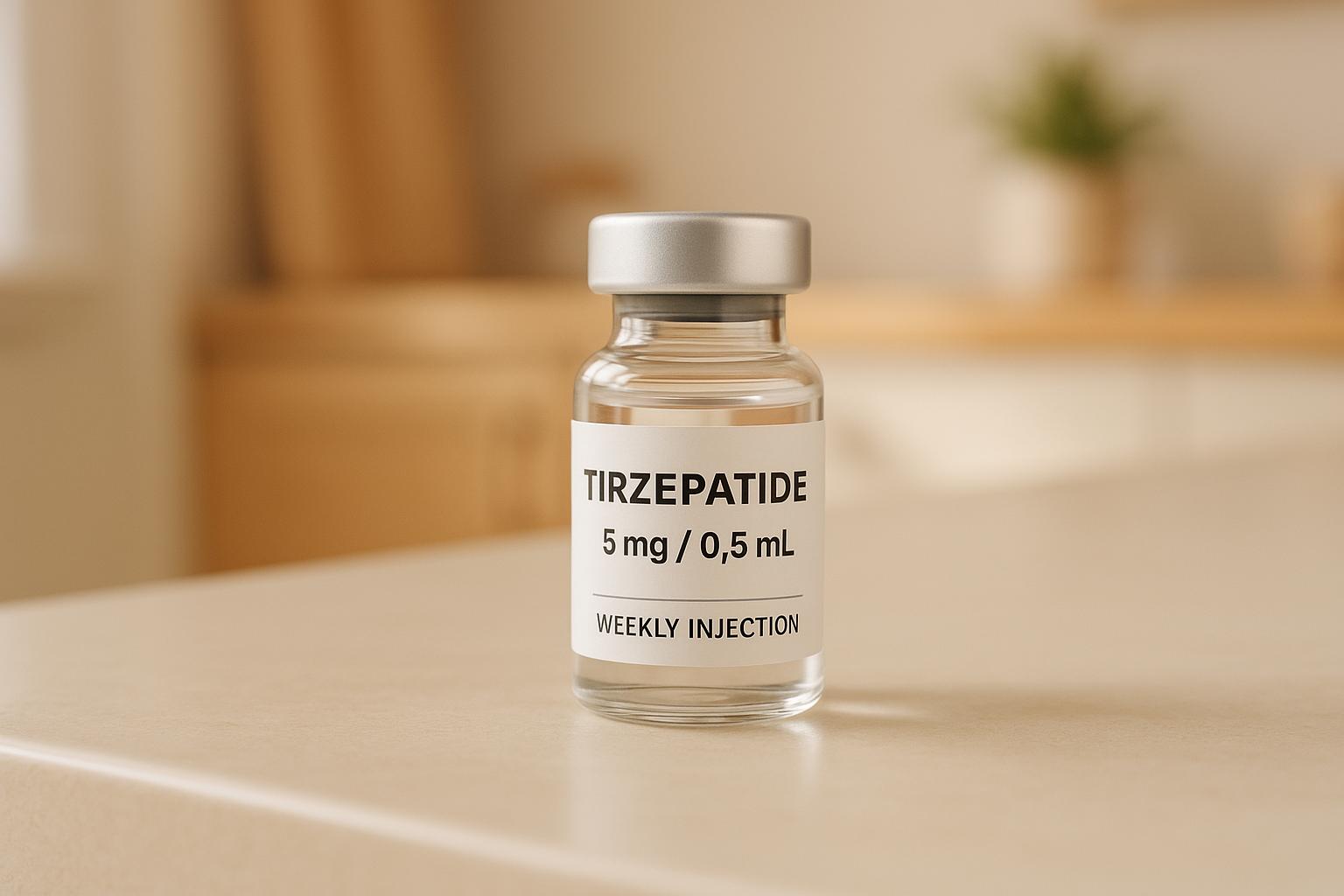
Tirzepatide, sold under names like Mounjaro (for type 2 diabetes) and Zepbound (for obesity and weight management), is a weekly injectable medication that helps control blood sugar and reduce appetite. Starting with a low dose and gradually increasing every 4 weeks minimizes side effects like nausea or diarrhea. Here’s the basic dosing timeline:
- Weeks 1–4: 2.5 mg
- Weeks 5–8: 5 mg
- Weeks 9–12: 7.5 mg
- Weeks 13–16: 10 mg
- Weeks 17–20: 12.5 mg
- Week 21+: 15 mg (if needed)
Store tirzepatide pens in the fridge, avoid freezing, and discard after 21 days if kept at room temperature. Stick to a consistent weekly injection schedule, rotate injection sites, and consult your healthcare provider if side effects persist. For additional support, services like TrimRX offer personalized guidance, supplements, and progress tracking to help you stay on track.
Starting Tirzepatide: First Dose and Setup
Storage and Handling Instructions
To ensure tirzepatide remains effective, it’s important to handle and store it correctly.
- Refrigeration: Keep tirzepatide pens in the fridge at 36°F–46°F (2°C–8°C). Always store them in their original carton to protect them from light.
- Avoid Freezing: Never freeze tirzepatide. Freezing permanently damages the medication.
- Room Temperature Storage: If refrigeration isn’t an option, pens can be kept at room temperature (up to 86°F/30°C) for up to 21 days. Once stored at room temperature, do not put them back in the fridge.
- Discarding Pens: Unopened pens stored at room temperature should be thrown away after 21 days or if they expire. Used pens should be discarded immediately after use.
Following these guidelines helps maintain the medication’s safety and effectiveness.
Tirzepatide Dosing Instructions | Compounded Medical Weight Loss Injections | Chronos BHW

Dose Increases: When and How Much
Tirzepatide follows a step-by-step dosing plan to ensure your body adjusts safely while keeping side effects manageable. This gradual increase allows your system to adapt to the medication, reducing the likelihood of dose-related side effects.
"The reason that doctors start low and increase the tirzepatide dose very slowly is to help your body adjust to the medication. Unfortunately, side effects are common, even at low doses, but are dose-dependent. Side effects increase with higher doses; starting low keeps them tolerable."
– Dr. Michael Chichak, MD, Medical provider at MEDvidi
Below is an overview of the dosing timeline, showing how the medication is typically adjusted.
Complete Dosing Timeline
The standard tirzepatide schedule involves increasing the dose every 4 weeks. Treatment typically begins with a 2.5 mg starting dose during the first 4 weeks. If tolerated, the dose increases by 2.5 mg every 4 weeks. Here’s an example of how the progression might look:
- Weeks 1–4: 2.5 mg per week
- Weeks 5–8: 5 mg per week
- Weeks 9–12: 7.5 mg per week
- Weeks 13–16: 10 mg per week
- Weeks 17–20: 12.5 mg per week
- Week 21 and beyond: 15 mg per week, if necessary
This gradual increase helps to minimize common side effects like nausea, vomiting, diarrhea, and abdominal discomfort.
Personalizing Your Dose Schedule
While this timeline provides a general roadmap, individual responses to tirzepatide can vary. Some individuals may move through the dose increases smoothly, while others might need extra time at a particular dose to manage side effects. It’s crucial not to rush the process – always follow the prescribed schedule. Skipping steps or increasing your dose by more than 2.5 mg at a time can lead to more severe side effects.
If you find the side effects challenging at any stage, consult with your healthcare provider. They might suggest staying at your current dose for an additional 4 weeks or offer strategies to help manage the symptoms.
Dosing Schedule Chart
Here’s a week-by-week breakdown for easier reference:
| Weeks of Treatment | Weekly Dose | Key Notes |
|---|---|---|
| Weeks 1–4 | 2.5 mg | Initial dose; monitor for side effects |
| Weeks 5–8 | 5 mg | First increase; many patients tolerate this well |
| Weeks 9–12 | 7.5 mg | Midpoint dose; assess how your body responds |
| Weeks 13–16 | 10 mg | Higher dose; watch for increased gastrointestinal symptoms |
| Weeks 17–20 | 12.5 mg | Near-maximum dose; evaluate weight loss and tolerance |
| Week 21+ | 15 mg | Maximum dose; only used if necessary and well-tolerated |
This schedule helps balance effectiveness with safety, ensuring the best possible outcome while minimizing discomfort.
sbb-itb-e2779c3
Daily Tips for Tirzepatide Success
Achieving success with tirzepatide often comes down to maintaining a steady routine, effectively handling side effects, and having access to reliable support.
Keeping to Your Weekly Schedule
Sticking to a consistent schedule is key to tirzepatide’s effectiveness. Regular medication levels help regulate appetite and blood sugar. Choose a specific day each week for your injection and make it part of your routine.
If you happen to miss a dose, don’t try to adjust the timing yourself. Instead, reach out to your healthcare provider for advice tailored to your situation.
To make it easier to stay on track, pair your injection with a time when you’re typically relaxed and at home. This habit can help you stick to your schedule long-term.
Rotate your injection sites – abdomen, thigh, or upper arm – and keep a log to track them. This simple step can help reduce irritation and make the process more comfortable.
A steady routine not only supports the medication’s effectiveness but also helps in managing potential side effects.
Managing Side Effects Long-Term
Side effects are most noticeable during the early weeks, but some people may continue to experience digestive changes as their body adjusts. According to real-world data, nausea affects about 8% of users long-term, while diarrhea and constipation impact 6% and 5%, respectively.
To ease these symptoms, try eating 4–5 smaller meals each day. This approach pairs well with tirzepatide’s effect of slowing gastric emptying, helping to minimize nausea and discomfort.
Avoid foods that can worsen side effects. Greasy, fried, and highly processed foods take longer to digest and may increase nausea. Spicy foods can also irritate your digestive system. Instead, focus on lean proteins, vegetables, and whole grains, which are gentler on your stomach.
Stay hydrated by drinking plenty of water or herbal teas, and limit caffeine and alcohol, as they can contribute to dehydration and digestive issues.
Natural remedies like ginger or peppermint may help ease nausea. Additionally, light physical activity after meals – like a 10–15 minute walk – can support digestion and reduce bloating.
If constipation becomes a problem, gradually increase your fiber intake with vegetables, whole grains, and legumes. Foods like prunes, figs, and grapes, or adding wheat bran, oats, or ground flaxseed to meals, can also help improve regularity.
Getting Support from TrimRX

Having professional support can make a big difference in your tirzepatide journey. TrimRX offers personalized assistance with unlimited check-ins to address side effects, answer questions, and guide you through dose adjustments.
Their medical team can adjust your dose in real time based on how your body is responding. If side effects persist, they may recommend staying at your current dose longer before making any changes.
TrimRX also provides access to specialized supplements designed to complement your treatment. For instance, the GLP-1 Daily Support supplement includes alpha lipoic acid, berberine, chromium, and a multivitamin to support GLP-1 users. Additionally, the Weight Loss Boost supplement is formulated to help enhance fat burning and promote sustainable weight loss.
Beyond medication management, TrimRX offers guidance on nutrition, exercise, and lifestyle changes to align with your tirzepatide treatment. Their progress tracking tools allow you and your healthcare team to monitor your results and make informed decisions about your plan.
With the right strategies and support, most side effects become manageable, allowing you to focus on achieving your health goals with tirzepatide.
Monitoring Your Progress
Keeping track of more than just your weight is crucial for getting the most out of your tirzepatide treatment. A well-rounded monitoring approach helps you and your healthcare provider make informed decisions while aligning with your personalized dosing plan.
What to Track and Measure
- Weekly Weight Check: Weigh yourself at the same time each week, using the same scale and wearing similar clothing. Consistency is key to spotting trends over time.
- Body Measurements: Measure your waist, hips, chest, arms, and thighs monthly. Even if the scale isn’t moving, these measurements can show changes in your body composition.
- Daily Wellness Indicators: Rate your energy levels, mood, and sleep quality on a simple 1–10 scale. These insights can reveal how your body is responding to the treatment.
- Side Effects: Keep a record of any side effects, like nausea or digestive discomfort, along with details about meal timing or stress levels. Sharing these notes with your healthcare provider can help refine your treatment plan.
- Food Diary: Track portion sizes and note how hungry you feel before and after meals. This can offer valuable clues about how tirzepatide is influencing your appetite.
- Activity Levels: Log workouts and daily activities, like walking or taking the stairs. You may notice a natural boost in energy that leads to more movement.
Bring these observations to your check-ins with your healthcare provider for a more tailored treatment approach.
Working with Your Healthcare Provider
Regular appointments with your healthcare provider are essential to ensure your tirzepatide treatment is both safe and effective. Early in your treatment, you might meet every 4–6 weeks, transitioning to every 8–12 weeks once you’re on a maintenance dose.
- Lab Work: Expect periodic blood tests, such as A1C levels and liver and kidney function checks, every 3–6 months. If you have diabetes, you may need more frequent blood sugar monitoring during dose adjustments.
- Cardiovascular Monitoring: Your provider will likely check your blood pressure and heart rate at each visit. Weight loss can impact heart health, and these checks help determine if other medications need adjusting.
- Open Communication: Always discuss new symptoms or concerns. This helps your provider fine-tune your dose and overall treatment plan based on your progress.
These regular evaluations ensure your tirzepatide regimen is tailored to your needs.
Long-Term Support from TrimRX
TrimRX offers unlimited check-ins and personalized guidance throughout your tirzepatide journey. Their team reviews your progress metrics and provides ongoing support to help you stay on track with your weight loss goals. This partnership is designed to complement your efforts and make your journey smoother.
Conclusion
Following the tirzepatide dosing schedule is essential for effective weight management. The gradual dose increases are designed to help your body adjust safely and minimize potential side effects.
Consistency and patience are the foundation of success. Staying on track with your weekly injections, monitoring your progress beyond just the scale, and keeping an open dialogue with your healthcare provider are all critical steps. Allowing your body the time it needs to adapt to each dose is equally important for achieving the best outcomes.
TrimRX offers continuous support with unlimited check-ins, tailored advice, and professional medical oversight throughout your treatment. This level of guidance works hand-in-hand with your personalized plan to keep you on the right path.
FAQs
What should I do if I have severe side effects while increasing my tirzepatide dose?
If you’re dealing with severe side effects while increasing your tirzepatide dose, it’s crucial to contact your healthcare provider right away. They might suggest lowering your dosage to make it easier for your body to adjust to the medication.
Make sure to have honest conversations with your provider about any side effects you notice. This helps keep your treatment both safe and effective. And remember, never change your dosage on your own – always follow professional advice.
What can I do to reduce nausea and digestive discomfort while taking tirzepatide?
To help manage nausea and digestive discomfort while using tirzepatide, it’s best to begin with the recommended low starting dose of 2.5 mg injected once a week for the first 4 weeks. This slow introduction gives your body time to adjust, which can help reduce potential side effects.
You might also find it helpful to eat smaller, more frequent meals and steer clear of rich, greasy, or spicy foods, as these can make nausea worse. Staying hydrated by sipping on clear fluids can further ease digestive troubles. If your symptoms persist or become severe, reach out to your healthcare provider for personalized advice.
How can TrimRX support me during my tirzepatide treatment?
TrimRX works alongside your tirzepatide treatment, offering helpful tools and resources to keep you on track with your dosing schedule and health goals. It’s packed with practical advice, guidance, and support to help you handle side effects, monitor your progress, and get the most out of your treatment.
With TrimRX, you’ll feel more equipped to navigate your weight loss journey with tirzepatide, making it easier to stick to your prescribed plan safely and effectively.
Related Blog Posts

Transforming Lives, One Step at a Time
Keep reading

Weight Loss Progress Tracker
Track your weight loss over time, see progress clearly, and stay motivated with simple charts, summaries, and goal-based insights.

How to Create a Personalized Adherence Plan
Build a one-page GLP-1 adherence plan: record dose, pick a weekly time, set reminders, log side effects, and review monthly.

Weight Loss Medication Dosage Calculator
Estimate weight loss medication doses by weight and drug type, with starting guidance, dose progression info, and a clear medical disclaimer.


