Vitamin B12 and GLP-1 Medications: What to Know
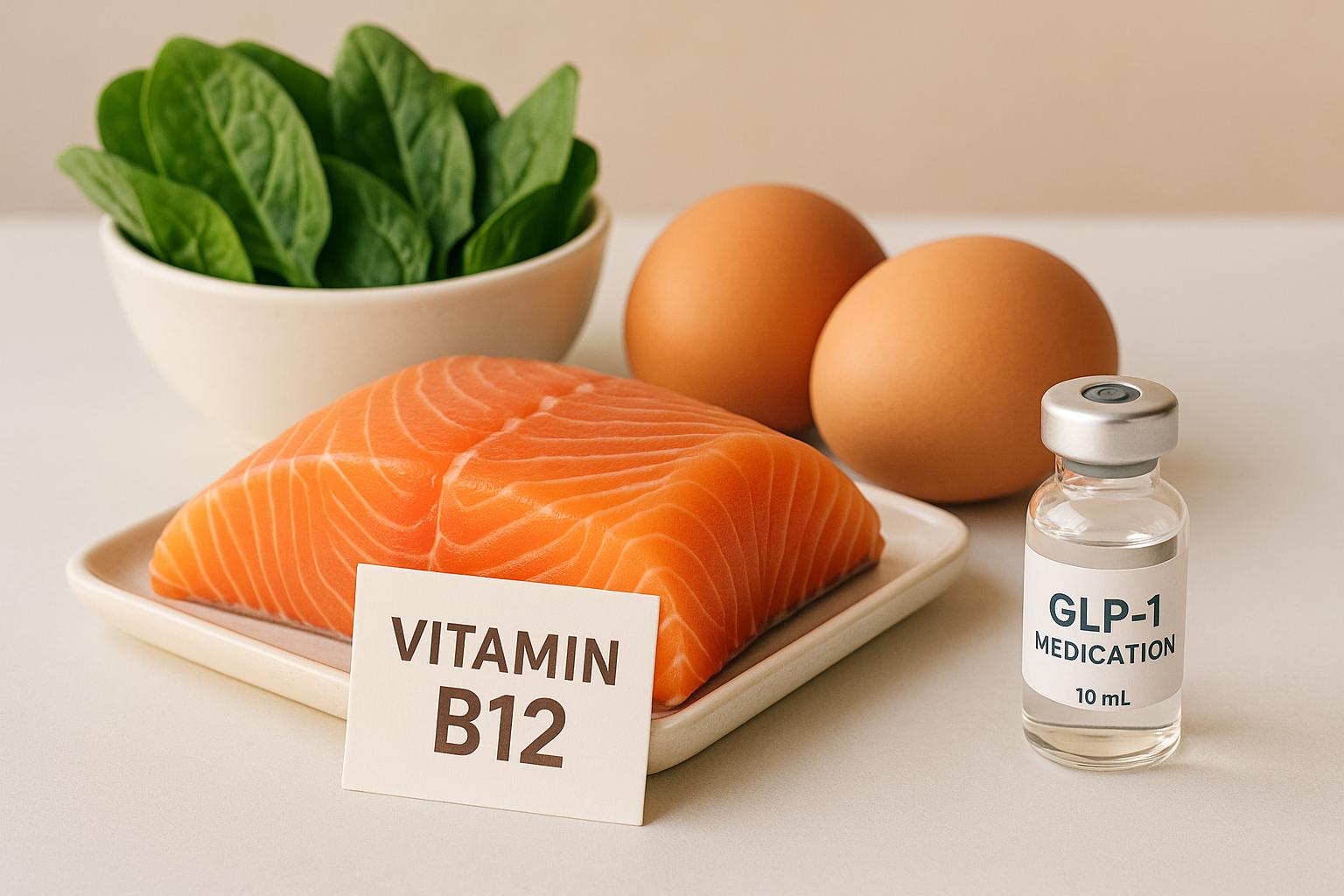
If you’re on GLP-1 medications like Ozempic or Wegovy for weight loss, you might be at risk for Vitamin B12 deficiency. These medications slow digestion and reduce appetite, which can lower B12 absorption and intake. Low B12 levels can lead to fatigue, nerve issues, and anemia, which may impact your health and progress.
Key Points:
- Why It Happens: GLP-1 drugs slow stomach emptying, affecting B12 absorption. Reduced food intake compounds the issue.
- Symptoms to Watch: Fatigue, brain fog, tingling, hair loss, and pale skin.
- Prevention: Include B12-rich foods (fish, eggs, dairy) or fortified options for vegetarians/vegans. Supplements (oral, sublingual, or injections) may also help.
- Monitoring: Regular blood tests are essential to catch and address deficiencies early.
Quick Tip:
If your appetite is low, focus on nutrient-dense, smaller meals like Greek yogurt, eggs, or fortified cereals. Consult your doctor for personalized advice and consider B12 supplements if needed.
GLP-1 Medications & Your Skin: Hidden Vitamin Deficiencies You Need to Know
Why GLP-1 Users May Develop Vitamin B12 Deficiency
GLP-1 medications can slow down how quickly your stomach empties and curb your appetite. While this can help with weight management, it also reduces both the absorption of vitamin B12 and your dietary intake of it.
What Vitamin B12 Does in Your Body
Vitamin B12 is a water-soluble nutrient that your body can’t make on its own – you need to get it through food or supplements. It plays a key role in several vital processes:
- Red blood cell production: Without enough B12, you can develop megaloblastic anemia, which often leads to fatigue.
- Nerve health: B12 helps maintain the myelin sheath, a protective layer around your nerves. A deficiency can cause symptoms like tingling, numbness, or balance issues.
- DNA synthesis and energy production: This vitamin is essential for creating DNA and converting food into energy, which is why low levels often result in tiredness.
How GLP-1 Medications Affect B12 Absorption
GLP-1 medications mimic a natural hormone that slows down digestion and reduces appetite. While this helps you feel full longer, it also changes your digestive environment. For vitamin B12 to be absorbed properly, your body needs enough stomach acid and a protein called intrinsic factor. By altering these digestive processes, GLP-1 medications can make it harder for your body to absorb B12 effectively.
When you combine this with a reduced appetite and lower food intake, the risk of developing a B12 deficiency increases.
The Link Between Fast Weight Loss and B12 Deficiency
Losing weight quickly, especially through calorie restriction, often means eating less of the foods that are rich in B12. This can be especially risky for older adults, vegetarians, vegans, or anyone with certain digestive conditions.
During rapid weight loss, your body undergoes significant metabolic changes. These changes make it even more important to ensure you’re getting enough essential nutrients, like B12, to maintain your health and support your progress. A steady supply of this water-soluble vitamin is crucial to avoid deficiency and its related health issues.
Signs You May Have a Vitamin B12 Deficiency
Spotting a Vitamin B12 deficiency early can help you avoid serious health complications. If you’re using GLP-1 medications, staying aware of potential symptoms is especially important. These medications, combined with dietary changes, can increase the risk of low B12 levels.
Common B12 Deficiency Symptoms
Recognizing the signs of a B12 deficiency is crucial for taking timely action. These symptoms often develop gradually and can be mistaken for side effects of your medication. Some of the most common signs include:
- Fatigue and tiredness
- Brain fog or trouble concentrating
- Hair loss
- Bone pain or muscle weakness
- Digestive problems
- Pale skin
- Brittle nails
Distinguishing Deficiency Symptoms from GLP-1 Side Effects
It’s not always easy to tell the difference between symptoms caused by GLP-1 medications and those of a B12 deficiency. For instance, GLP-1 side effects like fatigue often occur shortly after starting the medication or adjusting the dose, and they usually improve within a few weeks. On the other hand, B12 deficiency symptoms tend to appear more gradually and linger. If you notice persistent issues like fatigue, brain fog, or other symptoms lasting beyond the usual adjustment period, it’s worth discussing with your doctor and checking your B12 levels.
When to Contact Your Doctor
If you experience any combination of these symptoms for more than a few weeks or they start interfering with your daily activities, it’s time to reach out to your doctor. Regular monitoring is especially important for anyone on GLP-1 medications. Blood tests can track your nutrient levels and help your doctor adjust your treatment plan if necessary.
It’s a good idea to start with baseline blood tests when beginning GLP-1 therapy and then follow up every one to two years – or more frequently if you have additional risk factors. This routine monitoring ensures that your body maintains healthy B12 levels as you continue your weight loss journey.
Keep the lines of communication open with your healthcare provider. Share any symptoms, changes in your diet, or concerns about nutrient deficiencies. And remember, don’t stop taking your GLP-1 medication without consulting your doctor. Together, you can explore solutions like dietary changes or B12 supplements if needed.
Catching a B12 deficiency early can make treatment straightforward and help you stay on track with your health goals.
sbb-itb-e2779c3
Getting Enough Vitamin B12 Through Food
Using GLP-1 medications can make it tough to eat enough nutrient-packed foods since they often suppress your appetite. To keep your Vitamin B12 levels where they should be, focusing on foods that naturally contain high amounts of this nutrient is key – especially since you may not feel like eating large portions.
Animal-Based Foods High in B12
Animal products are some of the best natural sources of Vitamin B12, offering efficient absorption. For those on GLP-1 medications, these foods can be a practical way to get enough B12 even in smaller portions.
Shellfish and fish are standout choices. Clams, for instance, are loaded with B12 – just 3 ounces provide more than your daily requirement. Salmon, trout, and tuna are also excellent picks, delivering a mix of protein and B12. These options are perfect when you’re eating smaller meals but still need nutrient-dense foods.
Lean meats are another great source of B12 and can help maintain muscle mass during weight loss. Beef liver is the most concentrated source, though not everyone enjoys it. For easier options, lean cuts of beef or chicken breast provide more moderate amounts and are simple to include in your diet.
Eggs and dairy products offer flexibility and variety. A single large egg contains about 0.6 micrograms of B12, roughly a quarter of the daily requirement for most adults. Greek yogurt, cottage cheese, and milk also provide meaningful amounts of B12. Opting for low-fat versions can help you stick to your calorie goals while still getting the nutrients you need.
If you don’t eat animal products, fortified foods are a reliable way to meet your B12 needs.
B12 Options for Vegetarians and Vegans
Since natural plant-based foods don’t contain B12, fortified options and supplements are essential for vegetarians and vegans.
Fortified breakfast cereals are an easy way to meet your daily B12 needs in one serving. Look for brands that offer 100% of the daily value on the nutrition label. Pairing these cereals with fortified plant-based milk can give you a double dose of B12 to start your day.
Nutritional yeast is another fantastic option, especially in plant-based cooking. Just two tablespoons of fortified nutritional yeast can deliver several micrograms of B12. Sprinkle it on popcorn, mix it into sauces, or use it as a cheese alternative in recipes for a nutrient boost.
Fortified plant-based milk and yogurt alternatives made from soy, almond, or oat are also effective. Not all brands fortify equally, so it’s worth comparing labels to find those with higher B12 content. Some meat substitutes are fortified as well, though this varies by product.
Studies show that around 20% of GLP-1 users fall below normal B12 levels within a year, with the risk being even higher for those who don’t consume animal products. This makes fortified foods and supplements especially important.
How to Eat Well When Your Appetite Is Low
GLP-1 medications often reduce appetite, so you’ll need to be smart about your food choices. The goal is to pack as much nutrition as possible into smaller meals without overloading your stomach.
Focus on protein-rich B12 sources at every meal. Foods like salmon, eggs, or Greek yogurt provide both protein and B12, helping you maintain muscle mass while getting essential nutrients. Just a few ounces of fish or a couple of eggs can go a long way.
Eat smaller, more frequent meals to spread out your nutrient intake. GLP-1 medications slow digestion, so food stays in your stomach longer. Smaller meals spaced throughout the day can help you get the nutrition you need without feeling overly full.
Choose nutrient-dense meals that pack B12 into smaller portions. For example, smoothies made with Greek yogurt or fortified milk, egg-based dishes like frittatas, or fish cakes are all great ways to get B12 in a format that’s easier to eat when your appetite is low. Avoid filling up on foods that don’t provide much nutritional value.
Keep quick and easy B12 options on hand for days when cooking feels like a chore. Hard-boiled eggs, single-serve Greek yogurt, canned tuna or salmon, and fortified protein shakes require minimal effort and ensure you’re still getting enough B12 even when your energy is low.
Making smart food choices is essential for maintaining healthy B12 levels on GLP-1 medications. In some cases, supplements might also be needed to cover all your nutritional bases.
B12 Supplements and Monitoring for GLP-1 Users
When your diet doesn’t provide enough vitamin B12, adding a supplement becomes a smart move.
For those using GLP-1 medications, vitamin B12 supplementation can be particularly helpful. These medications, often used for weight loss, may suppress appetite and slow digestion, which can limit B12 intake. To stay on top of your health, it’s important to choose the right supplement and regularly check your levels with blood tests.
Types of B12 Supplements and How to Choose
Vitamin B12 comes in a variety of supplement options, each catering to different needs. Here are the most common forms:
- Oral supplements: Easy to take and widely available.
- Sublingual formulations: Designed for better absorption under the tongue.
- Injectable forms: Directly deliver B12 into your bloodstream for maximum absorption.
Your healthcare provider can guide you in selecting the best option based on your health and any potential absorption issues caused by GLP-1 medications. Once you’ve chosen a supplement, regular testing can confirm it’s effectively meeting your nutritional needs.
Why Regular Blood Tests Matter
Vitamin B12 deficiencies can sneak up on you, with symptoms that develop gradually and are easy to miss. That’s why regular blood tests are so important. Before starting GLP-1 medications, it’s a good idea to establish a baseline for your B12 levels. From there, follow-up tests can help track any changes and ensure you’re maintaining healthy levels. Once things stabilize, your doctor might recommend less frequent testing, tailored to your specific needs.
Complete Nutritional Support for GLP-1 Users
B12 isn’t the only nutrient that might be harder to maintain while using GLP-1 medications. Reduced appetite and changes in digestion can also impact other vitamins and minerals. TrimRX offers a GLP-1 Daily Support supplement packed with essential nutrients, including vitamin B12, to help fill these gaps. They also provide personalized consultations to fine-tune your supplement plan based on your lab results and diet, ensuring you’re fully supported throughout your weight loss journey.
Taking B12 supplements and keeping an eye on your levels through regular testing are key steps to staying healthy while using GLP-1 treatments. These small but crucial actions can make a big difference in maintaining your overall well-being.
Conclusion
Taking care of your vitamin B12 levels is an essential part of managing your health during GLP-1 treatment. These medications can lower B12 absorption, so it’s important to pay attention to your diet and supplements.
You can maintain healthy B12 levels by incorporating foods rich in this vitamin, using the right supplements, and staying on top of regular blood tests. This helps support your energy, mental clarity, and nerve health throughout your weight loss journey.
For more personalized advice, TrimRX provides consultations to address your nutritional needs, including vitamin B12, as part of a well-rounded weight loss program.
While GLP-1 medications are effective in promoting weight loss, keeping your nutrition in check – especially B12 – is key to long-term success and overall well-being.
FAQs
How can I tell if I’m experiencing side effects from GLP-1 medications or symptoms of Vitamin B12 deficiency?
Distinguishing between the side effects of GLP-1 medications and symptoms of a Vitamin B12 deficiency can be challenging, but there are clear signs that set them apart. A Vitamin B12 deficiency often shows up as fatigue, weakness, tingling in the hands or feet, or trouble concentrating. In contrast, GLP-1 medication side effects are more likely to include nausea, reduced appetite, or mild gastrointestinal discomfort.
If you’re experiencing ongoing symptoms like numbness, memory problems, or extreme tiredness, it’s a good idea to talk to your healthcare provider about checking your Vitamin B12 levels. Catching and addressing a deficiency early can help ensure you stay on track with your health while continuing GLP-1 medication.
What are the best sources of Vitamin B12 for someone on GLP-1 medication with a smaller appetite?
If you’re taking GLP-1 medications and noticing a reduced appetite, it’s important to ensure you’re still getting enough Vitamin B12. This essential nutrient is naturally found in animal-based foods like meat, poultry, fish, eggs, and dairy products. For those who follow a plant-based diet, fortified options such as cereals, plant-based milk, and nutritional yeast can help fill the gap.
Struggling to meet your Vitamin B12 needs through food alone? A supplement might be a helpful solution. Be sure to check in with your healthcare provider to figure out what works best for you.
How can I monitor my Vitamin B12 levels while using GLP-1 medications, and what steps should I take if they’re low?
It’s wise to keep an eye on your Vitamin B12 levels if you’re using GLP-1 medications, as these treatments can occasionally contribute to deficiencies. There’s no universal rule for how frequently you should check, but your healthcare provider can guide you based on your specific health situation.
If a deficiency is detected, your provider might suggest boosting your Vitamin B12 through dietary changes, oral supplements, or injections. Routine follow-ups can help ensure your levels remain healthy, contributing to your overall wellness.
Related Blog Posts

Transforming Lives, One Step at a Time
Keep reading

GLP-1 Medications and Mental Health: What to Expect and When to Get Support
Most of what gets written about GLP-1 medications covers the body. Dosing, appetite, nausea, what to eat, what to expect on the scale. Less…

Mons Pubis Fat Loss on GLP-1s: The “Pubic Area” Change Nobody Mentions
One change that surprises people on GLP-1 medications rarely comes up in conversation: the mons pubis, the soft fat pad over the pubic bone,…

How to Adjust Weight Loss Goals on GLP-1 Medications
Adjust weight goals on GLP-1 meds by tracking body composition and labs, optimizing protein, activity, sleep, and working with your provider on dosing.


