Can I Split My Dose of Semaglutide?
Introduction
Waking up a day or two after your weekly injection feeling a wave of nausea or extreme fatigue is a common experience for those starting their weight loss journey with GLP-1 medications. You may have seen discussions in online communities suggesting that “splitting” your dose—taking two smaller injections per week instead of one larger one—is the secret to minimizing these side effects. However, the reality of managing prescription medication is often more complex than social media tips suggest. At TrimRx, we believe that your health deserves a strategy rooted in clinical safety and personalization rather than guesswork. If you’re wondering whether a personalized program makes sense for you, take the free assessment quiz.
This post will cover the science behind why semaglutide is dosed weekly, the physical limitations of different delivery systems, and the potential risks of altering your prescription. Whether you are using a branded medication or a compounded version through our platform, understanding the mechanics of your treatment is the first step toward sustainable success. A single weekly injection is the clinical standard, and any deviation from that requires a clear understanding of your body’s metabolic needs.
Quick Answer: In most cases, you should not split your dose of semaglutide without direct medical supervision. While splitting may help some people manage side effects, single-use pens cannot be divided, and manual splitting of other formats carries significant risks of infection and inaccurate dosing.
The Science of Semaglutide Dosing
Semaglutide belongs to a class of drugs known as GLP-1 receptor agonists (glucagon-like peptide-1). A receptor agonist is a substance that mimics a natural hormone in your body to produce a specific response. In this case, the medication mimics the GLP-1 hormone that regulates appetite and blood sugar. What GLP-1 does in the body helps explain why weekly dosing is so effective. When you take this medication, it signals to your brain that you are full and slows down gastric emptying, which is the speed at which food leaves your stomach.
Understanding the Half-Life
One of the primary reasons semaglutide is administered once a week is its long half-life. A half-life is the amount of time it takes for the concentration of a substance in your bloodstream to be reduced by half. Semaglutide has a half-life of approximately seven days. This means that after you inject your dose, the medication stays active and effective in your system for a full week, providing consistent appetite suppression and metabolic support.
The Goal of Steady State
The objective of the standard once-weekly dosing schedule is to reach a “steady state.” This is a clinical term for the point where the amount of medication being absorbed into your body matches the amount being cleared out. It usually takes about four to five weeks of consistent dosing to reach this level. When you are in a steady state, the “peaks” and “valleys” of the medication in your blood are minimized, which helps maintain a constant reduction in “food noise”—those intrusive thoughts about eating. Altering the frequency of your doses by splitting them can disrupt this balance, making your appetite control less predictable.
Key Takeaway: Semaglutide is engineered for long-term stability in the body; its seven-day half-life means a single weekly dose is sufficient to maintain therapeutic levels for most individuals.
Can I Split My Dose of Semaglutide?
The physical way your medication is packaged often determines whether splitting is even a physical possibility. Different delivery systems have different mechanics, and attempting to force a change can lead to wasted medication or injury.
Single-Dose Autoinjectors (Wegovy®)
Wegovy® is a branded version of semaglutide specifically FDA-approved for chronic weight management. It comes in a single-dose autoinjector pen. These pens are designed to deliver one exact dose and then lock. There is no way to stop the injection halfway through or “save” half the liquid for later. Attempting to pull the pen away early will only result in the medication spraying onto your skin, meaning you receive an incomplete dose and waste expensive medicine.
Multi-Dose Pens (Ozempic®)
Ozempic® is a branded version of semaglutide primarily approved for type 2 diabetes, though it is often used off-label for weight loss. These pens contain multiple doses in a single device, and you “dial” the dose before injecting. While some patients discuss “click counting” to find a smaller dose, this is considered off-label use. The manufacturer does not provide a guide for splitting doses, and the accuracy of the dose becomes much harder to verify when you are not using the pre-marked settings.
Oral Tablets (Rybelsus®)
Rybelsus® is the oral form of semaglutide taken as a daily tablet. It is critical to know that you should never cut, crush, or split these tablets. They are formulated with a specialized absorption enhancer called SNAC (sodium N-(8-[2-hydroxybenzoyl] amino) caprylate). This enhancer allows the semaglutide to survive the acidic environment of your stomach. If you break the tablet, you destroy this protective mechanism, and the medication will likely be destroyed by stomach acid before it can ever be absorbed into your system.
Compounded Semaglutide Vials
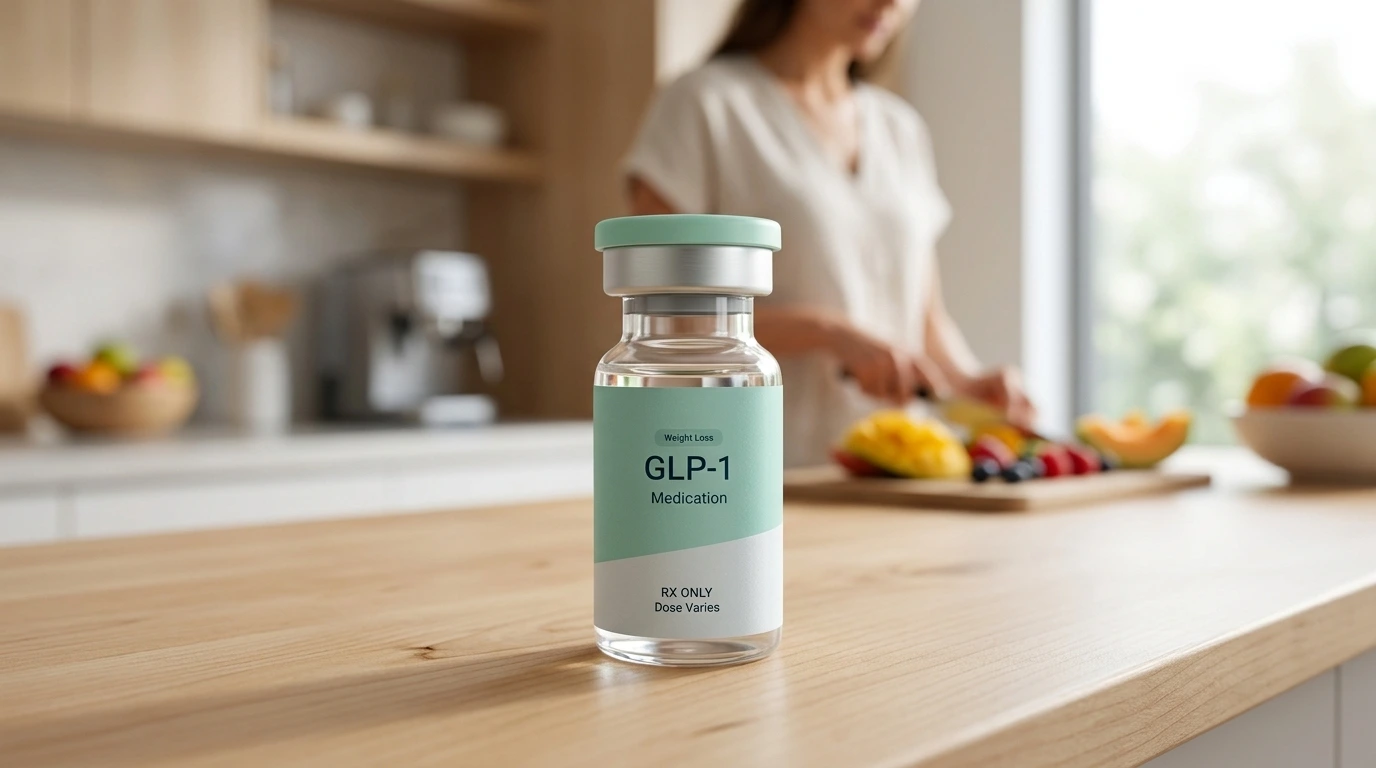
Many patients choose compounded semaglutide, which is often delivered in a glass vial. These medications are prepared by licensed, FDA-registered compounding pharmacies and are not FDA-approved. Because you draw the medication into a syringe yourself, splitting a dose is technically easier than with an autoinjector pen. However, just because it is physically possible does not mean it is medically advisable for every patient.
Important: Never attempt to split a dose from a single-use autoinjector. These devices are precision-calibrated for a one-time delivery and cannot be safely reused or paused.
Why the Urge to Split Exists
The desire to split doses usually comes from a place of seeking comfort or sustainability. Weight loss is a marathon, and if the first mile is filled with severe side effects, it is natural to look for a way to ease the burden.
Managing Gastrointestinal Side Effects
The most common reason for dose splitting is the hope of reducing nausea, vomiting, or diarrhea. The theory is that by taking two smaller doses (for example, 0.25 mg on Sunday and 0.25 mg on Wednesday), you avoid the “peak” concentration in your blood that might trigger a stronger reaction from your digestive system. While some people find relief this way, it is important to remember that these side effects often signal that the body is still adapting to the medication.
Financial and Supply Concerns
In times of medication shortages or when insurance coverage is limited, some individuals consider splitting a higher-dose pen into multiple smaller doses to make their supply last longer. This practice, often called “dose stretching,” is risky. Using medication in a way that is not intended by the manufacturer or your prescribing doctor can lead to subtherapeutic levels, meaning the medication is no longer effective enough to help you lose weight, ultimately wasting both your time and your resources. For a broader overview of how semaglutide is accessed through a supervised program, see how to get semaglutide for weight loss.
Myth: Splitting my dose will make the medication work twice as well. Fact: Semaglutide is designed for a once-weekly release; splitting the dose does not increase its effectiveness but can lead to inconsistent blood levels.
The Risks of Manual Dose Splitting
When you deviate from the prescribed instructions, you introduce several variables that can compromise your safety and the effectiveness of your treatment.
Sterility and Infection Risks
The biggest risk of splitting doses from a multi-dose vial or pen is contamination. Every time a needle enters a vial or a pen tip, there is a chance of introducing bacteria. If you are using a syringe more often than prescribed, you are increasing the risk of an injection-site infection or an abscess. Single-use pens, in particular, do not contain the preservatives necessary to keep the liquid sterile once the seal has been breached for more than a few moments.
Inaccurate Dosing
Precision is vital when dealing with GLP-1 medications. These drugs are measured in tiny milligram increments. When you try to “eyeball” a half-dose or count clicks on a dial not meant for that purpose, you risk taking too much or too little.
- Too little medication: Your hunger returns, your blood sugar fluctuates, and your weight loss stalls.
- Too much medication: You may experience severe gastrointestinal distress that could require medical intervention or lead to dehydration.
Medication Stability
Semaglutide is a protein-based peptide, which makes it sensitive to its environment. It must be kept within certain temperature ranges and protected from light. When medication is transferred between containers or left in a syringe for days at a time, it can begin to degrade. This reduces its potency, meaning even if you take the correct volume of liquid, you aren’t getting the full strength of the active ingredient.
The Case for “Microdosing” or Slow Titration
While the term “microdosing” has become a buzzword, in a clinical context, what people are usually looking for is a slower titration schedule. Titration is the process of gradually increasing your dose over several months to allow your body to adjust.
Is Slower Better?
For an individual with high sensitivity to medication, a provider might recommend staying at a lower dose (like 0.25 mg) for eight weeks instead of the standard four. This is often a much safer and more effective way to manage side effects than splitting a higher dose. It allows your digestive system to acclimate to the slowed gastric emptying without the risks associated with multiple weekly injections.
The 30-60-90 Framework for Success
Many providers recommend a holistic approach to minimize the need for dose splitting. This framework focuses on supporting the body so it can handle the medication as intended:
- 30 Grams of Protein: Aim for 30 grams of protein per meal. Protein helps preserve muscle mass and keeps you feeling full, working in harmony with the medication.
- 60 Ounces of Water: Hydration is essential. Semaglutide can reduce your thirst cues, and dehydration is a leading cause of the headaches and fatigue often mistaken for direct drug side effects.
- 90 Minutes of Movement: Aim for 90 minutes of intentional movement per week (roughly 15 minutes a day or 30 minutes three times a week) to support metabolic health and circulation.
Better Alternatives for Managing Side Effects
If you are struggling with the side effects of your medication, there are several evidence-based steps you can take before considering an off-label dosing change.
Dietary Adjustments
Because the medication slows down your digestion, the types of food you eat matter more than ever. Greasy, fried, or highly fibrous foods can sit in the stomach longer, leading to bloating and nausea.
- Eat smaller meals: Instead of three large meals, try five small snacks throughout the day.
- Avoid late-night eating: Stop eating at least 2–3 hours before bed to give your stomach time to process food while you are upright.
- Focus on bland foods: During the first 48 hours after an injection, stick to “gentle” foods like crackers, ginger tea, or lean proteins.
Hydration and Nutrient Support
Sometimes the “side effects” people feel are actually signs of nutrient deficiencies. When you eat significantly less, you may not be getting the support your body needs. We offer targeted support to help bridge these gaps while you stay on track with your plan.
Bottom line: Managing side effects is usually better achieved through dietary changes and slower titration than through splitting doses, which introduces unnecessary safety risks.
How Personalized Programs Address Your Concerns
The beauty of a telehealth-based weight loss platform is that you are not alone in making these decisions. When you use us, you have access to a team that understands the nuances of GLP-1 therapy. If you want to see whether you qualify for a plan built around your needs, complete the free assessment quiz.
Our programs are built on the foundation of medical supervision without the hassle of waiting rooms. When you complete the free assessment quiz, our partner providers review your medical history and goals to create a plan that is right for you. If you find that a certain dose is too strong, your provider can adjust your titration schedule—the pace at which you increase your dose—to ensure you stay comfortable and consistent. This personalized approach is much safer than attempting to “hack” your medication delivery at home.
The TrimRx Process: Step-by-Step
Step 1: Complete the Assessment. / Answer a few questions about your health history, current weight, and goals through our online portal. Step 2: Provider Consultation. / A licensed healthcare provider reviews your information to determine your eligibility for a personalized program. Step 3: Prescription and Shipping. / If approved, your medication is prepared by an FDA-registered, inspected compounding pharmacy and shipped directly to your door. Step 4: Ongoing Support. / You have 24/7 access to our team to discuss side effects, dosing questions, or progress adjustments throughout your journey.
Conclusion
The question of whether you can split your semaglutide dose is usually a sign that you are looking for a more comfortable way to reach your goals. While the idea of two smaller doses per week sounds appealing, the risks of infection, dosing errors, and medication waste are significant. Most medication delivery systems—especially single-use pens and oral tablets—are simply not designed for it. For a deeper look at the broader treatment path, what GLP-1 medication can mean for your weight loss journey may be helpful.
Our mission is to help individuals embrace healthier lifestyles through science, empathy, and a transparent approach to sustainable weight loss. Instead of navigating these complexities alone, let a personalized program guide you. By focusing on proper titration, hydration, and nutritional support, you can achieve the results you want with the safety you deserve.
Key Takeaway: Success with semaglutide comes from consistency and clinical safety. If your current dose feels overwhelming, the best next step is a conversation with your provider about adjusting your schedule, not your syringe.
Ready to see if a personalized program is right for your health goals? Take the Free Assessment Quiz Today.
FAQ
Is it safe to take Ozempic® twice a week instead of once?
Taking Ozempic® twice a week is considered off-label use and is not recommended by the manufacturer. While some people do this to manage side effects, it increases the risk of dosing errors and infection. If you want to compare dosing concerns with a broader GLP-1 overview, this guide to GLP-1 therapy explains how these medications are typically used.
Can I cut my Rybelsus® tablet in half to save money?
No, you should never cut or crush Rybelsus® tablets. These tablets have a special coating and a specific ingredient called SNAC that helps the medication get absorbed in your stomach. Breaking the tablet destroys this protection, making the medication ineffective.
Why do I feel more nausea on the day of my injection?
Nausea is common because the medication reaches its peak concentration in your blood shortly after the injection, and it immediately begins slowing down your digestion. This effect usually decreases as your body becomes more accustomed to the hormone. Staying hydrated and eating small, bland meals can help manage this peak.
Will splitting my dose help me lose weight faster?
There is no clinical evidence that splitting a weekly dose into two smaller ones leads to faster weight loss. In fact, by creating inconsistent levels of the medication in your blood, you might actually find it harder to manage your appetite effectively. If you’re still deciding whether semaglutide is the right fit, this semaglutide decision guide can help you think through the next step.
Disclaimer: This content is for informational purposes only and does not constitute medical advice. It is not intended to diagnose, treat, cure, or prevent any disease or condition. Individual results may vary. Always consult a qualified healthcare professional before starting any weight loss program or medication.

Transforming Lives, One Step at a Time
Keep reading

How to Dispose of Semaglutide Needles Without a Sharps Container
Use a rigid, puncture-resistant plastic container with a tight screw-on lid as an interim measure. A heavy-duty laundry detergent bottle or a hard plastic…
How to Travel With Semaglutide Without a Cooler
Start by finding out what your specific product actually requires, because many people pack a cooler they do not need and some people skip…
Can You Split a Weekly Semaglutide Dose Into Two Injections?
No, and this is not a case where the cautious answer differs from the practical one. Semaglutide is studied, approved, and supplied as a…


