How to Know if Zepbound Dose Is Too High
Introduction
Starting a weight loss journey with a GLP-1 medication often feels like finally finding the missing piece of a complex puzzle. However, as you move through the standard titration schedule, you might find yourself wondering if the physical cost is becoming too high. If you are struggling with persistent nausea or feeling too exhausted to enjoy your daily life, you are likely asking: how do I know if my Zepbound® dose is too high?
At TrimRx, we believe that medical weight loss should empower you, not leave you sidelined by debilitating side effects. While reaching the maximum dosage is a goal for some, it is not a requirement for everyone to see life-changing results. This article explores the physical and emotional signs that your current dose may exceed your body’s tolerance. We will also discuss how our personalized approach helps you find the “sweet spot” where weight loss and well-being coexist.
The Logic Behind Dosing and Titration
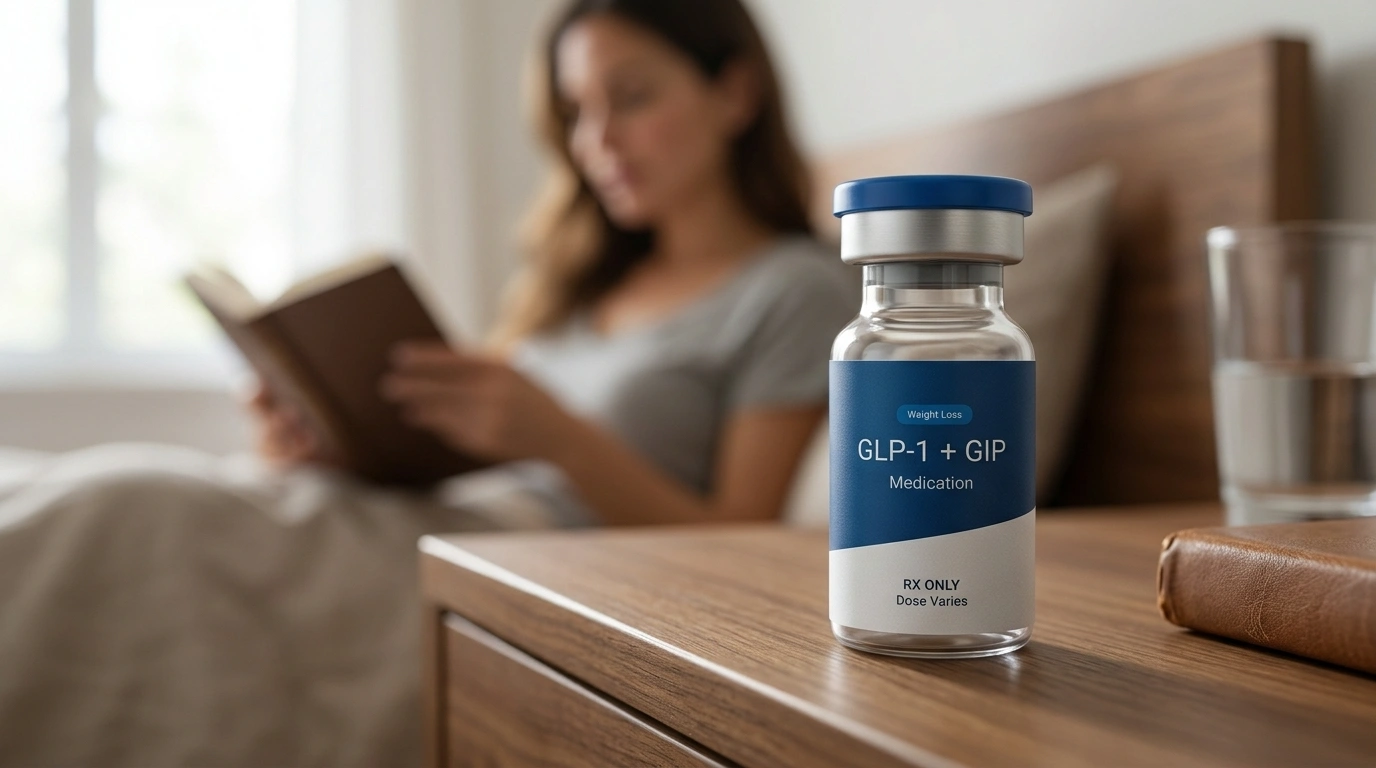
To understand if a dose is too high, it is helpful to first understand why doses change at all. Zepbound® (tirzepatide) is a dual-agonist medication. This means it mimics two different hormones in your body: glucagon-like peptide-1 (GLP-1) and glucose-dependent insulinotropic polypeptide (GIP). Together, these hormones regulate hunger, slow down how fast your stomach empties, and help your body manage blood sugar more effectively.
Because these hormones have a profound impact on your digestive system, your body needs time to adjust. This process is called titration. Most individuals begin at a 2.5 mg “loading dose.” This initial stage is not typically meant for significant weight loss. Instead, it serves as a way to introduce the medication to your system with minimal stress. Every four weeks, a healthcare provider may increase the dose in 2.5 mg increments, moving toward maintenance levels like 5 mg, 10 mg, or 15 mg.
If you want a better sense of how this stepwise approach fits into a treatment plan, our free assessment quiz can help you see whether prescription GLP-1 support may be right for you.
Key Takeaway: Titration is a safety measure designed to minimize side effects while gradually reaching a therapeutic level that supports consistent weight loss.
Physical Signs Your Dose May Be Too High
When the concentration of tirzepatide in your system increases faster than your body can adapt, your “gut-brain axis” sends clear distress signals. While some mild discomfort is common during the first few days after a dose increase, persistent or severe symptoms often suggest the dose is too high for your current metabolic state.
Persistent Digestive Distress
The most common sign that a dose is too aggressive is uncontrollable gastrointestinal (GI) upset. This includes frequent vomiting, severe diarrhea, or intense stomach pain that prevents you from eating or drinking. While occasional nausea is a known side effect of GLP-1 therapies, it should not be your “new normal.” If you find that you cannot keep down water or small, bland meals for more than 24 to 48 hours, the dose may be overwhelming your digestive tract’s ability to function.
Extreme Fatigue and Weakness
Weight loss requires energy, but the medication itself should not leave you bedridden. Some patients report “GLP-1 fatigue,” which can feel like a heavy, leaden sensation in the limbs or a general lack of motivation. While a slight dip in energy can happen as your body adjusts to a lower caloric intake, extreme exhaustion that interferes with work or family life is a sign to slow down. This often happens if the dose is so high that your caloric intake drops to dangerously low levels, or if the medication is impacting your blood sugar more aggressively than intended.
Severe Sulfur Burps and Acid Reflux
Tirzepatide slows gastric emptying, which is why you feel full for longer. However, if the dose is too high, the stomach may slow down too much. This can lead to “sulfur burps,” which occur when food sits in the stomach for an extended period and begins to ferment. If you are experiencing constant, painful acid reflux or burps that taste like rotten eggs, it may indicate that your current dose has slowed your digestion to an unsustainable rate.
Complete Aversion to Food
The goal of Zepbound® is to reduce “food noise” and create healthy satiety. It is not intended to make the very thought of food repulsive. If you find that you have a total aversion to all foods—including healthy proteins and vegetables—you may be at a dose that is too high. Sustainable weight loss requires adequate nutrition to protect muscle mass and bone density. If you cannot meet your basic nutritional needs because the medication has completely shut off your appetite, a dose reduction may be necessary.
The Emotional and Lifestyle Impact
A dose is not just “too high” based on clinical markers; it can also be too high based on your quality of life. Medical weight loss is a tool meant to help you live a more active, fulfilling life. If the tool itself is making you miserable, it is time to reassess the plan with a professional.
Social and Mental Withdrawal
If you find yourself avoiding social gatherings because you are afraid of getting sick, or if you feel a sense of “anhedonia” (a lack of pleasure) toward things you used to enjoy, the dose may be impacting your neurochemistry or physical comfort too heavily. Weight management is a marathon, not a sprint. A dose that makes you want to quit the program entirely is, by definition, too high for your long-term success.
The “Sunk Cost” Fallacy of Higher Doses
Many people feel a sense of pressure to reach the 15 mg maximum dose as quickly as possible. They may believe that “more is better” or that they are “failing” if they stay at a lower dose like 5 mg. This is a misconception. If you are losing one to two pounds per week and feel great at 5 mg, there is often no clinical reason to increase the dose. Pushing to a higher level when you are already seeing results can lead to unnecessary side effects and “burnout” with the medication.
For a broader look at how semaglutide and tirzepatide compare in practice, see our guide on semaglutide vs tirzepatide for weight loss.
Bottom line: Your “optimal dose” is the lowest possible amount of medication that provides consistent weight loss and appetite control while allowing you to maintain a high quality of life.
Why Your Response Might Change Over Time
Your body is not a static environment. Several factors can influence why a dose that felt fine last month might suddenly feel too high this month.
- Significant Weight Loss: As you lose weight, your metabolic needs change. A dose that was appropriate for a 250-pound body may be too potent for a 200-pound body.
- Dehydration: GLP-1 medications can change how your body perceives thirst. If you become even slightly dehydrated, side effects like nausea and headaches can feel significantly worse, making your current dose feel “heavier” than it actually is.
- Hormonal Shifts: For women, menstrual cycles or menopause can influence how the body responds to metabolic medications.
- Concurrent Illness: If you catch a common cold or a stomach bug, your body may become hypersensitive to the medication’s effects during your recovery.
To better understand the role of these medications in appetite and satiety, our article on what GLP-1 is and how it transforms weight loss can provide helpful context.
How TrimRx Supports Your Dosing Journey
At TrimRx, we do not believe in a one-size-fits-all titration schedule. We understand that every metabolism is unique. Our platform connects you with licensed healthcare providers who prioritize your comfort and safety alongside your weight loss goals.
Through our telehealth-first model, you have the flexibility to discuss your symptoms in real-time. If a dose increase feels too aggressive, your provider can help you “park” at your current dose for another month or even titrate back down to a more comfortable level. We focus on personalized programs that utilize both branded and compounded medications—shipped from FDA-registered and inspected compounding pharmacies—to ensure you have the specific support you need.
If you are still deciding whether a prescription program is the right next step, you can complete the free assessment quiz and review your options with a provider.
Our program is designed to be comprehensive. When you join us, your consultations and lab work are included, meaning you have a dedicated team to help you navigate these dosing questions without the stress of extra fees or long waiting rooms.
When to Seek Medical Attention
While many side effects can be managed by adjusting your dose or changing your diet, some symptoms require immediate intervention. You should contact a healthcare provider or seek urgent care if you experience:
- Signs of Pancreatitis: Severe, persistent abdominal pain that may radiate to your back, with or without vomiting.
- Gallbladder Issues: Pain in the upper right side of your stomach, fever, or yellowing of the skin or eyes (jaundice).
- Severe Dehydration: Dizziness, fainting, or a significant decrease in urination.
- Allergic Reactions: Swelling of the face, lips, or tongue, or difficulty breathing.
If you are comparing side effect patterns across GLP-1 options, our post on tirzepatide vs semaglutide side effects is a useful next read.
Note: Always consult with your healthcare provider before making any changes to your medication schedule. Never attempt to “split” doses or skip weeks without professional guidance.
Managing Your Current Dose More Effectively
If you feel your dose might be slightly too high but you aren’t ready to move down yet, there are strategies you can use to manage the “peak” of the medication (usually 24–48 hours after the injection).
- Prioritize Protein and Electrolytes: Sipping on bone broth or an electrolyte drink can help settle the stomach and maintain energy levels.
- Eat Smaller, Frequent Meals: Instead of three large meals, try five “micro-meals” to prevent your stomach from becoming overly full or completely empty.
- Avoid High-Fat and Spicy Foods: These can sit in the stomach longer and exacerbate the “slowed digestion” effects of tirzepatide.
- Injection Site Rotation: While not scientifically proven for everyone, some patients report fewer GI side effects when injecting into the thigh rather than the abdomen.
For more on managing treatment-day symptoms, our guide to tirzepatide vs semaglutide side effects may help you prepare for what to expect.
Finding the Right Path Forward
The journey toward metabolic health is personal. If you suspect your Zepbound® dose is too high, the most important step is to listen to your body. You do not have to “suffer through it” to earn your weight loss. A successful program is one that you can stick with for months and years, not just weeks.
At TrimRx, our mission is to provide the science, the empathy, and the medical supervision necessary for sustainable change. We help you navigate the complexities of GLP-1 and GIP receptor agonists so that you can focus on what matters most: feeling like yourself again.
If you are ready to see whether prescription treatment makes sense for you, take the free assessment quiz and start the conversation with a licensed provider.
FAQ
Can I stay on the 2.5 mg or 5 mg dose forever?
If you are achieving your target weight loss and maintaining appetite control on a lower dose, your provider may agree to keep you there. There is no medical requirement to reach the 15 mg maximum if a lower dose is working effectively for your body.
What should I do if I accidentally took too much Zepbound?
If you believe you have taken an overdose of your medication, contact your doctor immediately or call a poison control center. Symptoms of an overdose may include severe nausea, intense vomiting, and dangerously low blood sugar.
Why do side effects get worse a few months into treatment?
This can happen due to “steady-state” accumulation, where the medication levels in your blood stabilize at a higher point after several weeks of consistent dosing. Additionally, as you lose weight, your body’s sensitivity to the medication may increase.
Is it normal to feel “numb” or lose interest in food entirely?
While a decrease in food cravings is expected, a total loss of interest in all food (and sometimes other pleasures) can be a sign that the dose is too high. This “blunting” effect should be discussed with your provider to see if a dose adjustment is needed.
Disclaimer: This content is for informational purposes only and does not constitute medical advice. It is not intended to diagnose, treat, cure, or prevent any disease or condition. Individual results may vary. Always consult a qualified healthcare professional before starting any weight loss program or medication.

Transforming Lives, One Step at a Time
Keep reading

Why Is There a Bruise Where I Injected My Zepbound?
A bruise means a small blood vessel was disturbed under the skin and blood spread into the surrounding tissue. It is one of the…

My Zepbound Pen Won’t Click Past a Certain Dose
Start by checking which device you are holding, because the answer depends entirely on that. Zepbound has commonly been supplied in the United States…
Zepbound Alternatives: Your Options Compared
If Zepbound isn’t the right fit, the main alternative is semaglutide (sold as Wegovy), which produces slightly less weight loss but works similarly, along…


