What Is Therapeutic Dose of Zepbound for Weight Management?
Introduction
Starting a medical weight loss journey often brings a mix of excitement and technical questions. You might find yourself wondering if the initial dose you were prescribed is actually enough to see the results you desire. Many people feel a sense of urgency to reach the “real” dose—the one that effectively quiets “food noise” and supports significant metabolic change. At TrimRx, we understand that navigating medication schedules can feel overwhelming, especially when terms like “titration” and “maintenance” are used.
This article clarifies the specific dosing schedules for Zepbound®, explaining the difference between starting doses and therapeutic doses. We will cover how the medication interacts with your body, why a gradual approach is necessary for safety, and what to expect as you progress through a personalized program. Our goal is to provide a clear roadmap so you can move forward with confidence in your weight loss strategy.
Quick Answer: The therapeutic doses of Zepbound® for chronic weight management are 5 mg, 10 mg, and 15 mg injected subcutaneously once weekly. While the 2.5 mg dose is used to start treatment, it is considered an initiation dose rather than a maintenance dose for long-term weight loss.
The Science of Zepbound and Therapeutic Dosing
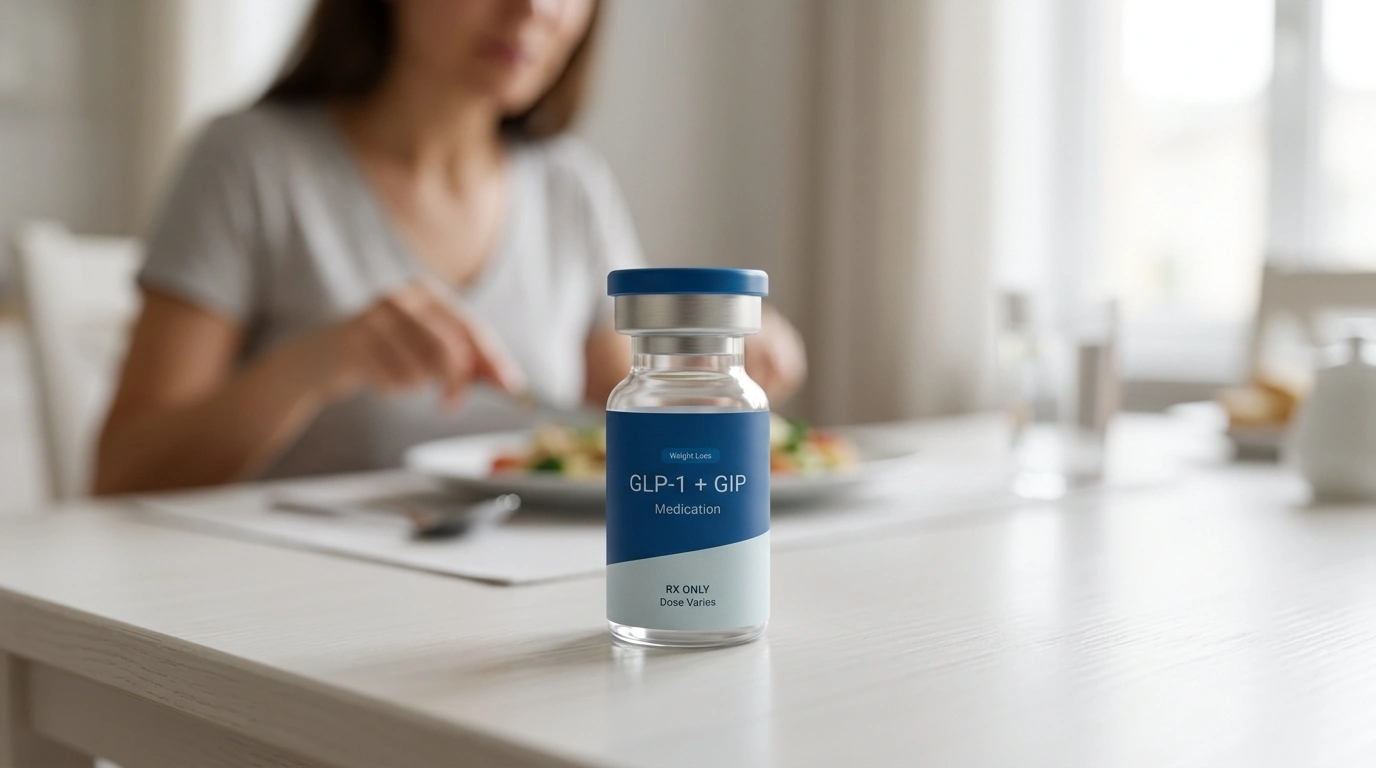
To understand what constitutes a therapeutic dose, it is helpful to look at how this medication works within the body. Zepbound® contains the active ingredient tirzepatide. This molecule is a dual agonist, meaning it targets two different receptors in the body: the glucagon-like peptide-1 (GLP-1) receptor and the glucose-dependent insulinotropic polypeptide (GIP) receptor.
A GLP-1 receptor agonist is a type of medication that mimics a natural hormone produced in the gut. It helps regulate blood sugar, slows down how quickly the stomach empties, and signals the brain that you are full. The addition of the GIP receptor agonist component is what distinguishes tirzepatide from other weight loss medications. GIP also plays a role in energy balance and fat metabolism. By activating both pathways, the medication provides a “dual” approach to managing appetite and metabolic function.
A therapeutic dose is the amount of medication required to achieve the desired clinical outcome—in this case, sustainable weight loss and improved metabolic health. Because everyone’s body reacts differently to these hormonal signals, the therapeutic dose is not a “one size fits all” number. Instead, it is a range that a healthcare provider helps you navigate based on your specific response and tolerability. If you are considering prescription treatment, you can complete a free eligibility assessment.
The Zepbound Dosing Schedule: From Initiation to Maintenance
The path to a therapeutic dose is a marathon, not a sprint. The manufacturer and the FDA have established a specific schedule to help the body acclimate to the influx of GLP-1 and GIP hormones. This process of slowly increasing the amount of medication is called titration.
For a broader overview of weekly dose progression, review this tirzepatide dosing guide.
The Initiation Phase: 2.5 mg
Every patient starts at the 2.5 mg dose. It is important to note that 2.5 mg is not a therapeutic dose for long-term weight loss. Its primary purpose is to introduce the medication to your system and minimize the risk of gastrointestinal side effects. You will typically stay on this dose for exactly four weeks. Even if you feel immediate changes in your appetite, the clinical guidelines suggest moving to the next level to reach the doses proven most effective in clinical trials.
The First Therapeutic Step: 5 mg
After the first four weeks, most individuals move up to 5 mg. For some, this becomes their effective maintenance dose. It is the first level where clinical studies showed significant, sustained weight loss. If you are seeing consistent results and your side effects are manageable, a provider might recommend staying at this level for an extended period.
Escalation Doses: 7.5 mg and 12.5 mg
The 7.5 mg and 12.5 mg doses are often viewed as “transition” or “titration” doses. Like the 2.5 mg dose, they are frequently used for four weeks to help the body prepare for the next higher level. However, a provider may choose to keep a patient at these levels if they are achieving the desired therapeutic effect without the need for the maximum dosage.
Higher Therapeutic Doses: 10 mg and 15 mg
The 10 mg and 15 mg doses are the higher-tier maintenance levels. In clinical trials, the 15 mg dose—which is the maximum recommended dosage—yielded the highest percentage of weight loss for many participants. These levels are typically reached after several months of gradual increases.
| Dose Level | Category | Duration |
|---|---|---|
| 2.5 mg | Initiation (Non-Maintenance) | 4 Weeks |
| 5 mg | Therapeutic / Maintenance | Minimum 4 Weeks |
| 7.5 mg | Titration / Transition | Minimum 4 Weeks |
| 10 mg | Therapeutic / Maintenance | Minimum 4 Weeks |
| 12.5 mg | Titration / Transition | Minimum 4 Weeks |
| 15 mg | Maximum Therapeutic Dose | Ongoing |
Why Gradual Titration is Necessary
You might wonder why you cannot simply start at the 10 mg or 15 mg dose to see faster results. The reason is biological safety and comfort. Because GLP-1 and GIP medications affect the digestive system, jumping to a high dose immediately could cause severe nausea, vomiting, or dehydration.
Titration allows your gut to adapt. By slowly increasing the dose every four weeks, your body learns to manage the slowed gastric emptying and the changes in insulin signaling. This “step-up” method is designed to make the journey sustainable. If the side effects become too intense at a certain level, a healthcare provider can advise you to stay at your current dose for another month or even move back down a level until your body stabilizes.
For more detail about possible reactions during dose increases, read what happens when you increase tirzepatide dose.
Key Takeaway: The “therapeutic” dose is the specific amount of tirzepatide where you experience consistent weight loss with side effects that do not interfere with your daily life. For many, this is 5 mg, 10 mg, or 15 mg.
Dosing for Specific Conditions: Weight Loss vs. Sleep Apnea
While Zepbound® is most famous for weight management, it is also prescribed for other conditions related to obesity. The therapeutic dose can vary slightly depending on the primary health goal.
Chronic Weight Management
For adults with a BMI of 30 or higher (or 27 or higher with a weight-related condition like high blood pressure), the goal is typically to find the highest tolerated maintenance dose. Providers look for a balance where the patient loses weight at a healthy, steady rate while maintaining good energy levels and nutrition.
Obstructive Sleep Apnea (OSA)
Research has shown that tirzepatide can significantly improve symptoms of moderate to severe obstructive sleep apnea in adults with obesity. For this specific indication, the recommended maintenance dosage is typically 10 mg or 15 mg once weekly. The higher doses are often necessary to achieve the level of weight reduction required to physically improve airway clearance and reduce the number of times breathing stops during sleep.
How to Administer Your Dose
Regardless of whether you are on a starting dose or a maximum therapeutic dose, the administration process remains the same. Zepbound® is a once-weekly subcutaneous injection. This means it is injected into the fatty tissue just under the skin, rather than into a muscle or vein.
Step 1: Choose your injection site. / The recommended areas are the abdomen (at least two inches from the belly button), the thigh, or the back of the upper arm (if someone else is administering it).
Step 2: Rotate the site weekly. / Never inject into the exact same spot two weeks in a row, as this helps prevent skin irritation or the buildup of scar tissue.
Step 3: Check the medication. / The liquid should be clear and colorless to slightly yellow. If it is cloudy or has particles, do not use it.
Step 4: Administer the injection. / Follow the specific instructions provided by your healthcare professional or the medication’s “Instructions for Use” guide.
For additional information about injection routines, explore this guide to GLP-1 injections.
Note: You can take your weekly dose at any time of day, with or without meals. Many people find that choosing a consistent “injection day” helps them stay on track.
Managing Missed Doses and Schedule Changes
Consistency is the cornerstone of reaching a therapeutic effect. However, life happens, and doses are occasionally missed.
If you miss a dose, you should administer it as soon as possible, provided it is within four days (96 hours) of your scheduled time. If more than four days have passed, skip that dose entirely and wait for your next regularly scheduled day. Do not take two doses at once to make up for a missed one.
If you need to change the day of the week you take your medication, you can do so as long as there are at least three days (72 hours) between doses. For example, if you usually take your injection on Friday but need to move it to Monday for travel, you can make that adjustment safely.
You can also review this practical guide on what to do if you miss a dose of GLP-1 medication.
Factors That Influence Your Optimal Dose
Your healthcare provider will consider several factors when deciding if you should move up to a higher therapeutic dose or remain at your current level.
1. Rate of Weight Loss
The standard goal is a steady, sustainable loss of 1 to 2 pounds per week. If you are achieving this on the 5 mg dose, your provider might suggest staying there rather than increasing to 7.5 mg.
2. Side Effect Profile
Mild nausea is common when starting or increasing a dose. However, if side effects become debilitating, it is a sign that your body has not yet adapted. In these cases, the “therapeutic” dose is the one you can actually tolerate without compromising your quality of life.
For more information, see this guide to tirzepatide side effects and management.
3. “Food Noise” and Satiety
A major benefit of GLP-1/GIP medications is the reduction of intrusive thoughts about food. If you find that “food noise” is returning significantly before your next dose is due, it may be an indication that a dose increase is necessary to maintain the therapeutic effect.
4. Metabolic Markers
For those with conditions like high cholesterol or pre-diabetes, a provider may look at lab results to see if the current dose is improving those underlying health markers.
The Role of Personalized Programs and Telehealth
Navigating these dosages requires ongoing professional guidance. This is where a platform like ours becomes essential. We provide a telehealth-first approach that removes the barriers of traditional weight loss clinics.
Through our program, you are not just getting a prescription; you are getting a dedicated team. This includes:
- Provider Consultations: Licensed healthcare professionals who review your medical history and determine which medication and dose are appropriate for you.
- Ongoing Monitoring: As you move through the titration schedule, we help you monitor your progress and manage any side effects.
- Convenience: All consultations and lab work are handled online, and medications are shipped directly to your door from FDA-registered, inspected compounding pharmacies.
If you are ready to explore whether a personalized prescription program may be appropriate, take the free assessment quiz.
While Zepbound® is a specific branded medication, many patients in our program use compounded tirzepatide. This allows for the same personalized titration schedule and clinical oversight. It is important to remember that while the branded version is FDA-approved, compounded versions are prepared by specialized pharmacies to meet individual needs and are often used when branded medications are in short supply.
Maximizing the Therapeutic Effect: Beyond the Injection
Medication is a powerful tool, but it is most effective when used as part of a lifestyle shift. Reaching your therapeutic dose is only one part of the equation.
Myth: You don’t need to exercise or change your diet if you’re on a high dose of Zepbound®.
Fact: Clinical studies show that the best results occur when the medication is combined with a reduced-calorie diet and increased physical activity.
Nutritional Support
As the medication slows your digestion, you will likely eat smaller portions. It becomes crucial to ensure those portions are nutrient-dense. Focusing on high-quality protein helps preserve lean muscle mass during weight loss. Many patients find that supplements like GLP-1 Daily Support can help fill nutritional gaps and support digestive health during the titration process.
Hydration and Movement
Staying hydrated is essential for managing potential side effects like constipation or headaches. Additionally, incorporating resistance training or regular walking helps boost the metabolic benefits of the medication and ensures that the weight you lose is primarily fat, not muscle.
Long-Term Maintenance
Once you reach your goal weight, the conversation shifts to long-term maintenance. For many, this means staying on a therapeutic dose indefinitely to maintain metabolic balance. Others may work with their provider to find a “maintenance dose” that is lower than their peak dose but still provides enough support to prevent weight regain.
Common Misconceptions About Zepbound Doses
There is a lot of information—and misinformation—online regarding how to “hack” your weight loss by changing your dose. It is vital to follow clinical guidelines.
- “Higher is always better”: Not necessarily. The “best” dose is the one that works for your unique biology. Some people reach their goal weight never going above 5 mg or 7.5 mg.
- “You can skip the 2.5 mg dose”: This is highly discouraged. Skipping the initiation phase significantly increases the risk of severe gastrointestinal distress.
- “If you stop losing weight, you must increase the dose”: Plateaus are a normal part of weight loss. Before increasing a dose, providers often look at lifestyle factors, sleep, and stress levels.
The TrimRx Difference in Your Journey
At TrimRx, we believe that weight loss is a deeply personal experience that requires more than just a script. We merge clinical expertise with modern technology to deliver a program that fits into your life. Whether you are curious about starting on the 2.5 mg initiation dose or are trying to find your optimal therapeutic level, we are here to act as your empathetic guide.
Our mission is to help you embrace a healthier lifestyle through science and transparency. We offer access to compounded medications, like compounded tirzepatide, which are prepared by inspected pharmacies to ensure quality and safety. With 24/7 access to our team, we ensure that your focus remains on your health, not on navigating a complex medical system.
To see whether you may qualify for a personalized program, complete the free assessment quiz.
Summary of the Dosing Path
Finding your therapeutic dose of Zepbound® is a structured process designed with your safety in mind.
- Start at 2.5 mg for one month to let your body adjust.
- Increase to 5 mg, which is the first therapeutic maintenance level.
- Titrate further every four weeks if needed, up to a maximum of 15 mg.
- Listen to your body and work closely with a healthcare provider to find the “sweet spot” of efficacy and tolerability.
By following this evidence-based path and utilizing a supportive platform, you can turn the frustration of failed diets into a sustainable, medically supervised success story.
FAQ
What happens if I stay on the 2.5 mg dose for more than four weeks?
While the 2.5 mg dose is intended for initiation, some providers may keep a patient on it longer if they are extremely sensitive to the medication. However, because 2.5 mg is not considered a maintenance dose, most people will need to move to at least 5 mg to see significant, long-term weight loss results.
How do I know when it is time to increase my dose?
Typically, you will move up every four weeks according to the standard titration schedule. However, if you are losing weight steadily and have no “food noise” at your current dose, your provider might decide to keep you there. Conversely, if your weight loss stalls for several weeks and you are tolerating the drug well, an increase may be recommended.
Is the 15 mg dose the most effective for everyone?
In clinical trials, the 15 mg dose resulted in the highest average weight loss. However, “effectiveness” also includes how you feel. If the 15 mg dose causes side effects that prevent you from eating healthily or exercising, then a lower dose like 10 mg may actually be more effective for your specific situation.
Can I skip a dose if I am going on vacation?
It is generally recommended to stay consistent with your weekly schedule to maintain steady levels of the medication in your blood. If you skip a dose, you may experience a return of appetite, and if you stay off the medication for more than two weeks, you may need to restart at a lower titration dose to avoid side effects when you resume. If you are considering treatment, start with the free assessment quiz.
Disclaimer: This content is for informational purposes only and does not constitute medical advice. It is not intended to diagnose, treat, cure, or prevent any disease or condition. Individual results may vary. Always consult a qualified healthcare professional before starting any weight loss program or medication.

Transforming Lives, One Step at a Time
Keep reading

Why Is There a Bruise Where I Injected My Zepbound?
A bruise means a small blood vessel was disturbed under the skin and blood spread into the surrounding tissue. It is one of the…

My Zepbound Pen Won’t Click Past a Certain Dose
Start by checking which device you are holding, because the answer depends entirely on that. Zepbound has commonly been supplied in the United States…

Zepbound Alternatives: Your Options Compared
If Zepbound isn’t the right fit, the main alternative is semaglutide (sold as Wegovy), which produces slightly less weight loss but works similarly, along…


