How to Divide Wegovy Dose: Safety, Risks, and Better Alternatives
Introduction
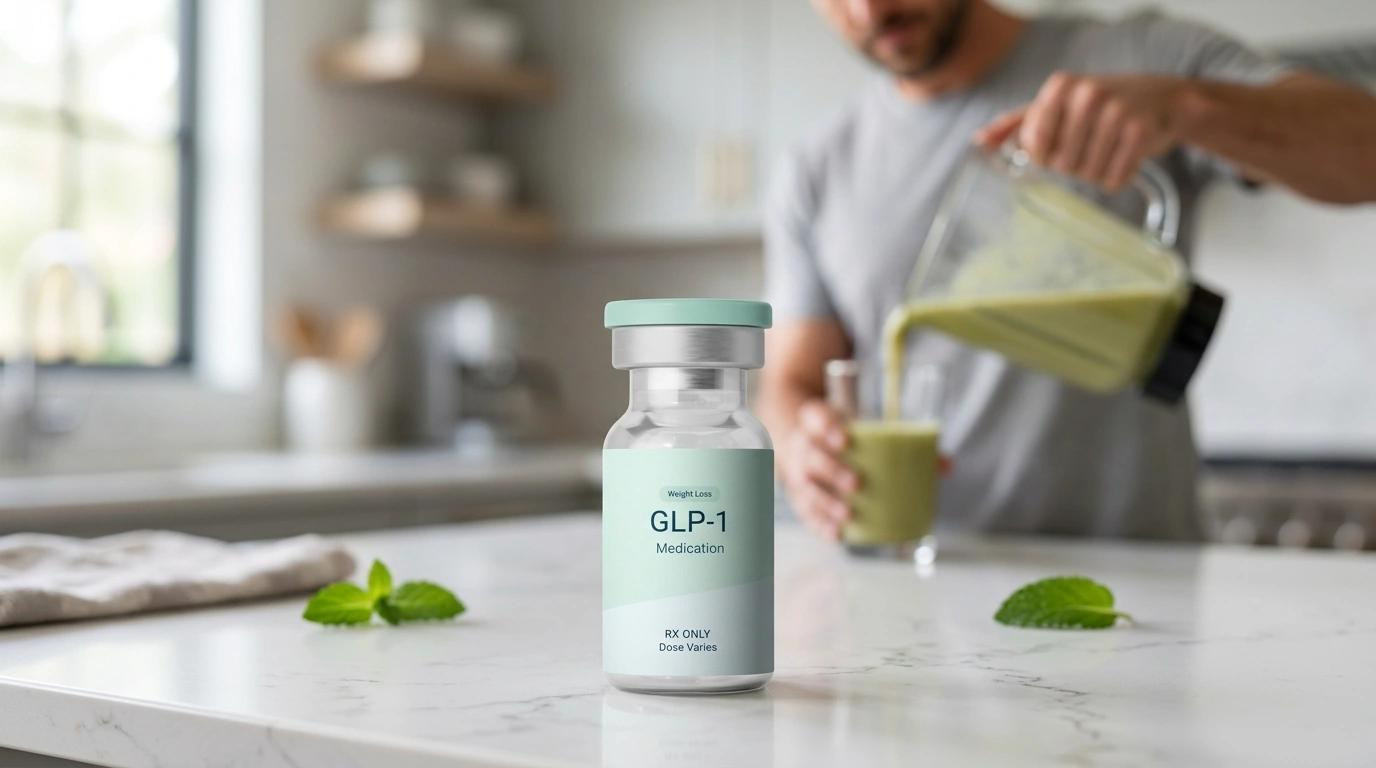
Standing in front of a mirror with a prescribed medication pen in hand, you might find yourself weighing more than just your health goals. Whether you are navigating a temporary supply shortage, managing the financial commitment of branded medications, or feeling nervous about potential side effects, the thought of trying to divide a dose is a common reaction. At TrimRx, we recognize that the journey to sustainable weight loss is often paved with logistical hurdles and genuine concerns about how to make treatment work for your life. You want to be proactive about your health, but when it comes to sophisticated medications like Wegovy®, the “how-to” of dosing is strictly governed by the design of the device and the science of the drug. This article examines why splitting these doses is not recommended, the physical risks involved in “hacking” a pen, and how we provide safer, more flexible pathways through personalized telehealth programs.
Quick Answer: You cannot safely divide a Wegovy® dose because the pen is a single-use autoinjector designed to release the entire amount of medication in one click. Attempting to transfer the liquid to other containers risks severe infection, dosing errors, and rendering the medication ineffective.
Understanding the Wegovy® Pen Design
To understand why dividing a dose is physically and medically complicated, we first need to look at the hardware. Wegovy® is a brand-name injectable medication that contains semaglutide. A semaglutide is a type of medicine known as a GLP-1 receptor agonist. This means it mimics a natural hormone in your body called glucagon-like peptide-1, which tells your brain you are full and helps your stomach empty more slowly.
Unlike some other pens that allow you to “dial” a specific number of milligrams, the Wegovy® pen is a factory-sealed, single-dose autoinjector. This device is designed for simplicity and safety, ensuring that the person using it receives the exact amount of medication prescribed without having to measure anything. The needle is hidden inside the device, and a spring-loaded mechanism triggers the injection.
Once you press the pen against your skin and hear the click, the spring releases. It does not stop until the entire chamber is empty. There is no manual pause button or dial to select a half-dose. Because the pen locks permanently after one use, it is a “one-and-done” tool. Any attempt to stop the flow mid-way usually results in the medication spraying externally or the device jamming, leading to a wasted dose and an incorrect amount of medicine entering your body.
For more context on fixed pen strengths and flexible formulations, review this guide to semaglutide starting doses and dose formats.
Why the Temptation to Split Doses Exists
It is completely valid to feel the urge to stretch a prescription. Most people who research how to divide a dose are doing so because they are trying to solve a problem.
Managing Side Effects
Some individuals experience gastrointestinal issues like nausea or bloating when they move up to a higher dose. They might think that taking half a dose twice a week—instead of the full dose once a week—will be gentler on their digestive system.
Supply and Availability
Global demand for GLP-1 medications has led to periodic shortages. When a specific dose strength is unavailable, a person might have access to a higher-dose pen and hope to split it to maintain their treatment schedule without a gap.
Financial Considerations
The cost of branded medications is a significant factor for many. The logic is often that if a 2.4 mg pen costs the same as a 0.25 mg pen, splitting the larger dose could theoretically make the medication last longer for the same price.
While these motivations are understandable, the methods required to split a single-use pen introduce dangerous variables that can compromise your health and your weight loss results. If you are exploring prescription treatment, complete a free eligibility assessment so a qualified provider can review your options.
The Physical Risks of “Hacking” the Pen
Since the pen itself cannot be dialed down, some people attempt to “hack” the process. This usually involves firing the pen into a sterile glass vial and then using a separate syringe to draw out smaller amounts. This is highly discouraged by healthcare professionals for several critical reasons.
The Risk of Bacterial Contamination
The medication inside your pen is manufactured in a “clean-room” environment to ensure it is 100% sterile. The moment that liquid leaves the sealed environment of the pen and enters a secondary vial, it is exposed to the air. Even in a clean home, microscopic bacteria and fungi can enter the liquid.
When you inject a contaminated substance directly into your fatty tissue, you bypass the body’s primary defense—the skin. This can lead to localized abscesses, skin infections, or even systemic infections that require medical intervention. Professional pharmacies use specialized hoods and filters to maintain sterility; reproducing this at a kitchen table is nearly impossible.
Potency and Protein Stability
Semaglutide is a protein-based medication. Proteins are delicate molecules held together by specific chemical bonds. They are sensitive to light, temperature, and physical agitation. The process of forcefully firing a high-pressure autoinjector into a glass vial can cause the protein molecules to “denature” or break apart.
If the protein structure is damaged, the medication becomes biologically inactive. You might be injecting the liquid, but your body no longer recognizes it as the GLP-1 hormone. This results in the medication failing to suppress your appetite, effectively stalling your progress despite your efforts.
Inaccurate Dosing and Overdose Risks
Accurately measuring milligrams from a small vial requires precision and the correct equipment. When you transfer medication, some liquid is always lost—stuck to the sides of the vial or trapped in the needle of the autoinjector. This “dead volume” makes it very difficult to calculate exactly how much active ingredient you are getting.
If you accidentally take too much, you risk severe side effects. Symptoms of a semaglutide overdose include extreme nausea, unrelenting vomiting, and dangerously low blood sugar. These symptoms can be severe enough to require an emergency room visit for IV fluids and monitoring.
Key Takeaway: “Hacking” a single-use autoinjector into a vial compromises the sterility and chemical integrity of the medication, creating a high risk for infection and dosing errors.
For additional guidance about evaluating compounded formulations and pharmacy standards, see this overview of what to know about compounded semaglutide.
The Science of the Weekly Schedule
The dosing for Wegovy® is not arbitrary. It is based on the “half-life” of the medication. The half-life is the amount of time it takes for half of the drug to be processed and removed from your system. Semaglutide has a half-life of about seven days.
This weekly rhythm is designed to keep a steady, therapeutic level of the medication in your bloodstream. When you take the medication exactly once every seven days, the “peaks” and “troughs” of the drug level out over time. This consistency is what allows for steady appetite suppression and the metabolic benefits seen in clinical trials.
Splitting the dose into smaller, more frequent injections, like twice a week, has not been clinically studied for Wegovy®. Changing the rhythm without medical supervision can disrupt how your brain and gut respond to the hormone, potentially leading to “food noise” returning sooner or side effects becoming more unpredictable.
If you are unsure whether a prescription plan fits your health profile, find out if GLP-1 medications may be appropriate for you.
The Standard Titration Process
Most people starting their journey follow a “titration” schedule. It is a gradual increase in the dose over several months. You typically start at a very low dose, such as 0.25 mg once a week, for four weeks. If you tolerate it well, your provider may move you up to 0.5 mg, then 1.0 mg, and so on, until you reach a maintenance dose.
The purpose of this slow build-up is to let your body adjust. Your digestive system needs time to adapt to the slower gastric emptying, or the speed at which food leaves your stomach. If you try to self-adjust or split doses, you move outside of this proven framework. A healthcare provider can help you navigate this schedule safely, potentially keeping you at a lower dose for longer if your body needs more time to adapt, rather than you having to resort to splitting a higher-dose pen.
Read more about personalized semaglutide dosing and titration before making changes to a treatment plan.
Safer Alternatives for Flexible Dosing
If you find that the single-dose pen format of branded Wegovy® is not a good fit for your needs—whether due to cost, shortages, or a desire for more precise control—there are other medically supervised options.
Compounded Semaglutide
Compounded semaglutide is a personalized alternative that is often used when branded medications are in short supply or when a patient requires a specific dose not available in standard pens. These medications are prepared by licensed pharmacists in FDA-registered, inspected compounding pharmacies.
The primary difference in the “how” of dosing is that compounded semaglutide typically comes in a multi-dose vial. Instead of a one-click autoinjector, you use a tiny, sterilized syringe to draw the exact amount of medication prescribed by your provider. Because the vial is designed for multiple uses and the concentration is clearly labeled, your dose can be adjusted precisely by your healthcare team.
Note: Compounded semaglutide and compounded tirzepatide are not FDA-approved. However, they are prepared by regulated pharmacies to meet individual patient needs during shortages or for specific clinical reasons.
Personalized Telehealth Support
At TrimRx, we believe that you shouldn’t have to be a chemist or a “hacker” to manage your weight loss. Our platform connects you with licensed healthcare providers who specialize in metabolic health. Through our personalized programs, you get access to medical professionals who can adjust your treatment plan based on how you are actually feeling.
If a certain dose is causing too much nausea, your provider can officially adjust your prescription to a lower dose that comes in the correct format. This eliminates the need for you to try and divide a larger dose yourself. We prioritize safety and transparency, ensuring you have the right tools for your specific health profile.
Learn more about how compounded semaglutide may fit into a personalized program.
Managing Side Effects Without Splitting Doses
If your reason for wanting to split a dose is to avoid nausea or fatigue, there are several evidence-based strategies you can use that do not involve tampering with your medication.
- Hydration is Key: Many people mistake the “fullness” of GLP-1s for not needing water. Dehydration is a leading cause of the headaches and fatigue associated with these medications. Aim for consistent water intake throughout the day.
- Protein-First Eating: Focus on small, high-protein meals. Protein helps maintain muscle mass while you lose fat and is generally easier on the stomach than high-fat or high-sugar foods.
- Meal Timing: Avoid eating large meals close to bedtime. Because the medication slows down your digestion, a heavy dinner might sit in your stomach overnight, leading to morning nausea.
- Supplements: We offer targeted support like GLP-1 Daily Support, which is designed to help your body manage the nutritional shifts that occur during weight loss. This can help bridge the gap if you are struggling to eat enough variety.
For more strategies, review these practical ways to manage common GLP-1 side effects.
The Role of a Telehealth Specialist
One of the biggest advantages of a platform like ours is the continuous access to clinical expertise. In a traditional doctor’s office, you might have to wait weeks for an appointment to discuss a dose change. With TrimRx, you have 24/7 access to a team that understands the nuances of GLP-1 therapy.
Our providers look at your medical history, your current BMI, and your response to the medication to tailor a plan that is unique to you. This might mean staying on a lower dose for two months instead of one, or switching to an oral format if injections are a barrier. This professional supervision ensures that your weight loss is not just fast, but sustainable and safe.
Bottom line: While the desire to divide a Wegovy® dose often comes from a practical place, the risks of infection and dosing errors are too high. Working with a professional to find a flexible, multi-dose alternative is the only safe way to customize your treatment.
Step-by-Step: Moving Forward Safely
If you are currently struggling with your Wegovy® dose, here is the recommended path forward:
Step 1: Consult Your Provider
Never attempt to alter your dose or “hack” a pen without talking to a healthcare professional. They can offer legitimate ways to manage side effects or supply issues.
Step 2: Assess Your Options
Check if a multi-dose vial format, such as compounded semaglutide, might be a better fit for your lifestyle and budget. This allows for the precision you are looking for without the risks of home-splitting.
Step 3: Focus on Supportive Care
Use nutritional strategies and supplements to manage the transition between doses. Small, frequent meals and high-quality protein can make a significant difference in how you feel.
Step 4: Stay Consistent
Sustainable weight loss is a marathon, not a sprint. Consistency in your weekly schedule—even at a lower dose—is more effective than taking irregular, split doses that your body can’t predict.
For an overview of how providers structure gradual increases, explore this semaglutide dosage and weight-management guide.
The TrimRx Approach
At TrimRx, our mission is to simplify the complexities of modern weight loss. We know that the science of GLP-1 medications can be overwhelming, and the logistics of branded prescriptions can be frustrating. We are here to bridge that gap with empathy and clinical excellence. By merging technology with personalized medical care, we provide a transparent, telehealth-first experience that removes the “waiting room” from the equation.
Our goal is to empower you to take control of your metabolic health through a program that adapts to you, rather than forcing you to adapt to a rigid, one-size-fits-all pen. Whether you are just starting or looking for a more personalized maintenance plan, we are committed to helping you find the most effective, safe, and sustainable path to your goals.
To see which program and medication format is right for your needs, the best next step is to take the free assessment quiz.
FAQ
Can I use the same Wegovy® pen twice?
No, the Wegovy® pen is a single-use device that locks permanently after the first injection. Once the needle has been used and the spring mechanism is triggered, the pen cannot be reset or reused, even if you believe there is liquid left inside.
Is it safe to inject Wegovy® into a vial first?
No, this is not safe. Transferring medication from an autoinjector to a vial exposes the liquid to air and bacteria, which can lead to serious skin or blood infections. Furthermore, the high pressure of the pen can damage the protein molecules in the medication, making it ineffective for weight loss.
What should I do if my current Wegovy® dose is too strong?
If you are experiencing intolerable side effects, contact your healthcare provider immediately. They can help you stay at a lower dose for a longer period or adjust your titration schedule. You should never try to split the dose yourself to manage side effects. If you need help determining an appropriate next step, complete a free assessment for personalized guidance.
Are there medications that allow for more flexible dosing?
Yes, compounded semaglutide typically comes in multi-dose vials rather than single-use autoinjectors. This format allows you to draw up a specific amount with a syringe, offering more flexibility under the direct guidance of your healthcare provider.
Disclaimer: This content is for informational purposes only and does not constitute medical advice. It is not intended to diagnose, treat, cure, or prevent any disease or condition. Individual results may vary. Always consult a qualified healthcare professional before starting any weight loss program or medication.

Transforming Lives, One Step at a Time
Keep reading
Horseback Riding on Wegovy or Ozempic
For a lot of people, horseback riding is one of the activities weight once put out of reach. Stables and trail outfitters set rider…
Should You Suggest Wegovy to a Family Member?
When a treatment changes your life, you want the people you love to have the same chance. Maybe your sister has struggled with her…
Injecting Wegovy With Stiff or Shaky Hands
A weekly injection takes a minute for most people. If you have arthritis in your hands, a tremor, weak grip strength, or numb fingers,…


