Can You Eat Beans on Ozempic? A Guide to Fiber and Protein
Introduction
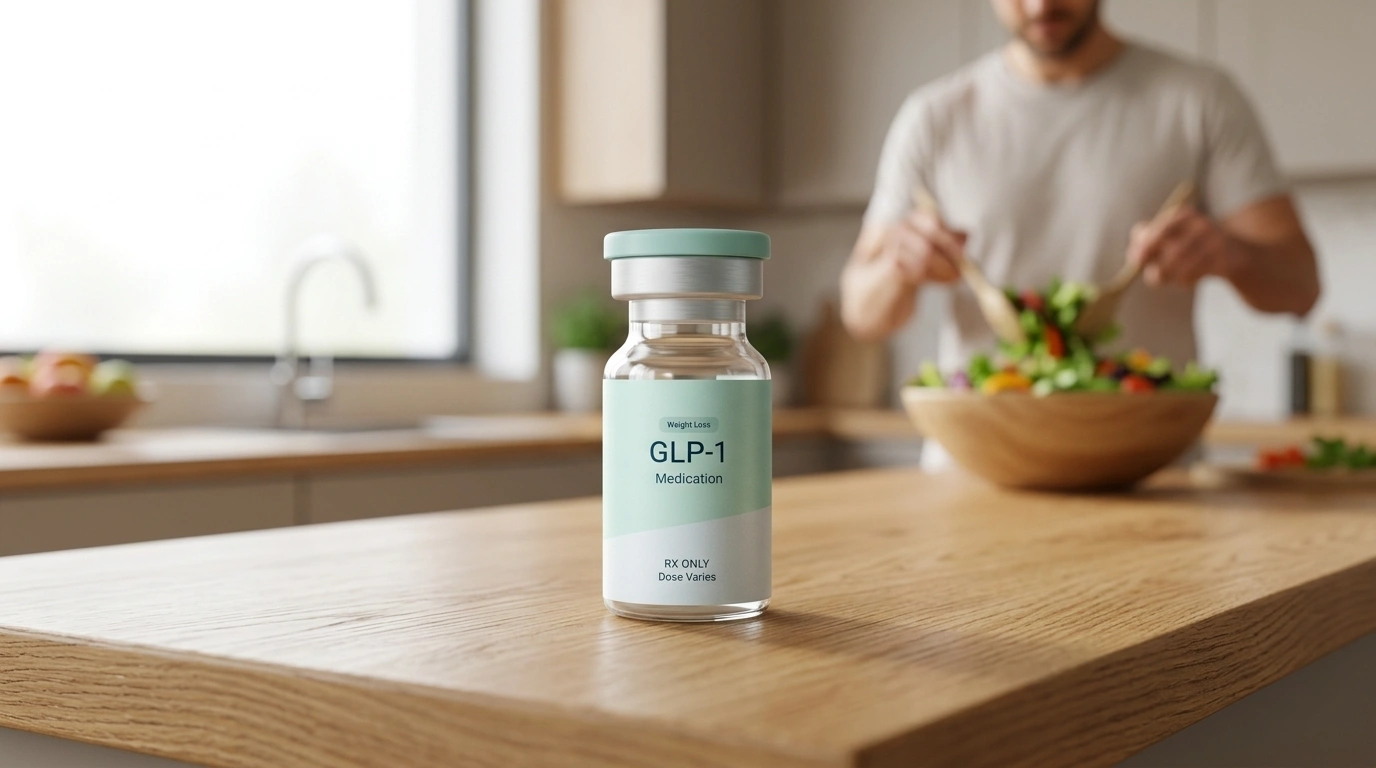
Starting a weight loss journey with a GLP-1 medication often leads to a long list of questions about what should stay in your pantry and what should go. You might be sitting in front of a bowl of black bean soup or a side of lentils, wondering if these fiber-rich staples will help your progress or lead to a long night of digestive discomfort. Many people find that their favorite healthy foods suddenly feel different once they begin treatment with medications like Ozempic®.
At TrimRx, we believe that understanding the relationship between your diet and your medication is the key to sustainable success. If you’re wondering whether prescription GLP-1 treatment is the right fit for your goals, take the free assessment quiz to get started. Beans, lentils, and legumes are nutritional powerhouses, but their high fiber content can be a double-edged sword when your digestion slows down. This post covers whether you can eat beans on Ozempic, how to manage potential side effects, and how to incorporate them into a balanced, protein-forward eating plan.
Quick Answer: Yes, you can eat beans while taking Ozempic. They provide essential protein and fiber that support weight loss and muscle maintenance. However, because these medications slow digestion, you should introduce beans slowly and in small portions to avoid gas and bloating.
How Ozempic Affects Your Digestion
To understand why beans might feel different on your stomach, it is helpful to look at how Ozempic works. This medication is a GLP-1 receptor agonist, which stands for glucagon-like peptide-1. It mimics a natural hormone in your body that tells your brain you are full and tells your stomach to slow down.
This process is known as delayed gastric emptying. In plain English, this means food stays in your stomach for a much longer period than it used to. While this is excellent for keeping you full and managing blood sugar, it can change how your body processes complex foods. For a deeper look at what that slowed digestion can feel like, see our guide on why GLP-1 medications cause GI issues.
The Benefits of Eating Beans on GLP-1 Medications
Beans are often considered a “superfood” for weight management, and for good reason. They are unique because they offer a high concentration of both protein and fiber in a single package.
Maintaining Muscle Mass with Protein
When you lose weight quickly on a GLP-1 program, your body can sometimes burn muscle instead of fat. Consuming enough protein is the best way to prevent this muscle loss. Beans, lentils, and chickpeas are excellent plant-based protein sources. If you want more support around hitting your protein goals, our protein guide for weight loss is a helpful companion read.
Fighting Constipation with Fiber
One of the most common side effects of semaglutide—the active ingredient in Ozempic—is constipation. Because the medication slows down the movement of the bowels, things can get “backed up.” The soluble and insoluble fiber found in beans helps move waste through your system. If constipation is your main concern, our semaglutide constipation guide breaks down practical ways to stay comfortable.
Managing Blood Sugar and Cravings
Beans have a low glycemic index, meaning they do not cause a rapid spike in your blood sugar. This works in harmony with your medication to provide steady energy throughout the day. By stabilizing your glucose levels, you may find that the “food noise”—those constant intrusive thoughts about eating—stays quiet for longer.
Potential Challenges: Why Beans Can Cause Discomfort
While beans are healthy, they contain complex sugars called oligosaccharides. The human body lacks the enzyme to fully break these down in the small intestine. Instead, they travel to the large intestine where gut bacteria break them down, producing gas as a byproduct.
When you add a medication that slows down the entire digestive process, that gas can become trapped. This can lead to:
- Abdominal cramping
- Persistent bloating
- Excessive gas
- Nausea
If you are already experiencing nausea as a side effect of your medication, a large serving of beans might make that feeling more intense.
Key Takeaway: Beans are a nutritional asset for weight loss, but their slow-digesting fibers require a “low and slow” approach to avoid intensifying GLP-1 side effects.
How to Eat Beans on Ozempic: A Step-by-Step Approach
If you want to keep beans in your diet without the digestive drama, follow this transition plan.
Step 1: Start with “gentle” legumes. Not all beans are created equal. Start with red lentils or hulled beans, which are easier for the body to break down. These have a thinner skin and are generally less “gassy” than large beans like kidney beans or garbanzo beans.
Step 2: Control your portions. On a GLP-1 medication, your stomach capacity is reduced. Instead of a full bowl of beans, start with a quarter-cup serving. Use them as a garnish on a salad or a small addition to a soup rather than the main event.
Step 3: Preparation is everything. If you are using dried beans, soak them for at least 12 to 24 hours and discard the soaking water. This removes a significant amount of the gas-producing sugars. If you are using canned beans, rinse them thoroughly under cold water until the foam disappears.
Step 4: Cook them until they are very soft. Al dente might be great for pasta, but for beans on Ozempic, you want them well-cooked. The softer the bean, the less work your stomach has to do to break it down.
Step 5: Increase your water intake. Fiber needs water to move through your digestive tract. If you eat a high-fiber meal but do not drink enough water, you are much more likely to experience constipation and discomfort.
Comparing Bean Types for GLP-1 Users
| Bean Type | Protein Content (per 1/2 cup) | Fiber Content (per 1/2 cup) | Digestibility Level |
|---|---|---|---|
| Red Lentils | 9g | 4g | Easy |
| Edamame | 9g | 4g | Easy |
| Chickpeas | 7g | 6g | Moderate |
| Black Beans | 7g | 8g | Moderate |
| Kidney Beans | 8g | 6g | Difficult |
| Navy Beans | 8g | 10g | Difficult |
Identifying “Safe” vs. “Trigger” Foods
Every individual’s body reacts differently to GLP-1 medications. Some people can eat a bowl of chili with no issues, while others might feel sick after a few spoonfuls. It is important to listen to your body’s signals.
If you find that beans are consistently causing sharp pains or severe bloating, you may want to pivot to other protein and fiber sources for a while. For a broader look at how fiber fits into a weight loss plan, our fiber and weight loss article is a useful next read. At TrimRx, we focus on personalized programs because we know that nutrition is not one-size-fits-all. What works for one person might need adjustment for another.
Other High-Protein Alternatives
If beans are currently too heavy for your stomach, consider these lean protein options that are generally easier to digest:
- Tofu or Tempeh: These soy-based proteins are pre-processed by bacteria or heat, making them much gentler on the gut.
- White Fish: Cod or tilapia provide high protein with very little fat, making them quick to digest.
- Greek Yogurt: This provides protein plus probiotics, which can help support a healthy gut microbiome.
- Chicken Breast: A classic lean protein that is highly bioavailable.
Managing Side Effects When They Happen
If you overindulge in beans and find yourself feeling bloated or nauseated, there are steps you can take to find relief.
- Move Your Body: A gentle 15-minute walk after eating can help stimulate peristalsis—the wave-like muscle contractions that move food through your gut.
- Sip Ginger or Peppermint Tea: Both have natural properties that can soothe the stomach lining and help release trapped gas.
- Check Your Hydration: Sometimes nausea is actually a sign of mild dehydration. Ensure you are sipping water throughout the day.
- Consider Digestive Enzymes: Some people find relief by taking over-the-counter enzymes designed to break down the complex sugars in beans.
Note: If you experience severe, persistent abdominal pain, vomiting, or an inability to pass gas or stool, consult your healthcare provider immediately, as these could be signs of more serious complications.
Supporting Your Journey with Supplements
Sometimes, even with the best diet, your body needs a little extra help to process nutrients and manage the changes that come with GLP-1 medications. We offer specialized support like GLP-1 Daily Support to help bridge the gap. These supplements are designed to provide the essential vitamins and minerals your body may be missing when your appetite is significantly reduced.
Additionally, if you find that you are struggling to get enough energy because you are eating so little, our Weight Loss Boost can provide a natural way to support your metabolism without the need for a full meal that might sit heavy on your stomach.
The TrimRx Approach to Personalized Nutrition
We understand that the world of GLP-1 medications—including Compounded Semaglutide, Ozempic®, and Mounjaro®—can be confusing. That is why our platform is built on the foundation of medical supervision and personalized care. You aren’t just getting a prescription; you are getting a partner in your health.
Our providers work with you to ensure your program is tailored to your health history and goals. If you are struggling with diet choices or side effects, you have access to a team that can help you navigate those hurdles. If you are ready to see whether a prescription program makes sense for you, complete the free assessment quiz and take the next step. Our goal is to help you achieve sustainable results by combining modern science with practical, empathetic guidance.
Bottom line: Beans are a healthy addition to an Ozempic diet, provided you prioritize portion control and proper preparation to minimize digestive strain.
Conclusion
You do not have to give up beans while taking Ozempic®, Wegovy®, or other GLP-1 medications. In fact, their high protein and fiber content make them an ideal food for long-term weight management and muscle preservation. The key is to be mindful of how your body’s “new” digestive speed handles these complex carbohydrates. By starting with small portions, choosing easier-to-digest varieties like lentils, and staying hydrated, you can enjoy the benefits of beans without the discomfort.
At TrimRx, we are committed to helping you navigate every step of this process with science-backed information and compassionate support. We believe that weight loss is about more than just the number on the scale; it is about feeling good in your body every day.
If you are ready to take the next step in your health journey with a personalized, medically supervised program, we invite you to see if you qualify for a free assessment today.
FAQ
Can I eat canned beans while on Ozempic?
Yes, canned beans are perfectly fine and can actually be easier to digest than dried beans if they are rinsed thoroughly. Rinsing removes the liquid containing the excess sugars and sodium that often cause bloating.
Why do beans make me feel more nauseous now that I’m on a GLP-1?
Because Ozempic slows down your stomach’s emptying process, the beans sit in your stomach longer. If your stomach is already sensitive to the medication, the added work of breaking down complex fibers can trigger or worsen nausea.
What are the best beans to start with?
Red lentils and edamame are generally the best “starter” beans for those on GLP-1 medications. They have less tough outer skin and lower amounts of the complex sugars that lead to gas compared to kidney or navy beans.
How much fiber should I aim for daily?
While general guidelines recommend 25–30 grams of fiber per day, you may need to reach this goal gradually while on Ozempic. Increasing your fiber intake too quickly while your digestion is slow can lead to significant GI distress; always consult your healthcare provider for personalized targets. If you want help deciding whether a GLP-1 program is right for you, take the free assessment quiz.
Disclaimer: This content is for informational purposes only and does not constitute medical advice. It is not intended to diagnose, treat, cure, or prevent any disease or condition. Individual results may vary. Always consult a qualified healthcare professional before starting any weight loss program or medication.

Transforming Lives, One Step at a Time
Keep reading
I Took My Ozempic Two Days in a Row by Accident
Call for guidance now rather than waiting to see how you feel. In the United States, Poison Control is available free and around the…

Why Does My Ozempic Injection Sting More Some Weeks Than Others?
Because more variables change between injections than most people realize. Temperature of the medication, which site you used, how deep the needle went, how…

How to Store Your Ozempic Pen During a Power Outage
Keep the refrigerator door closed. An unopened refrigerator holds a safe temperature for roughly four hours, and a full freezer holds for considerably longer….


