How to Store Your Ozempic Pen During a Power Outage
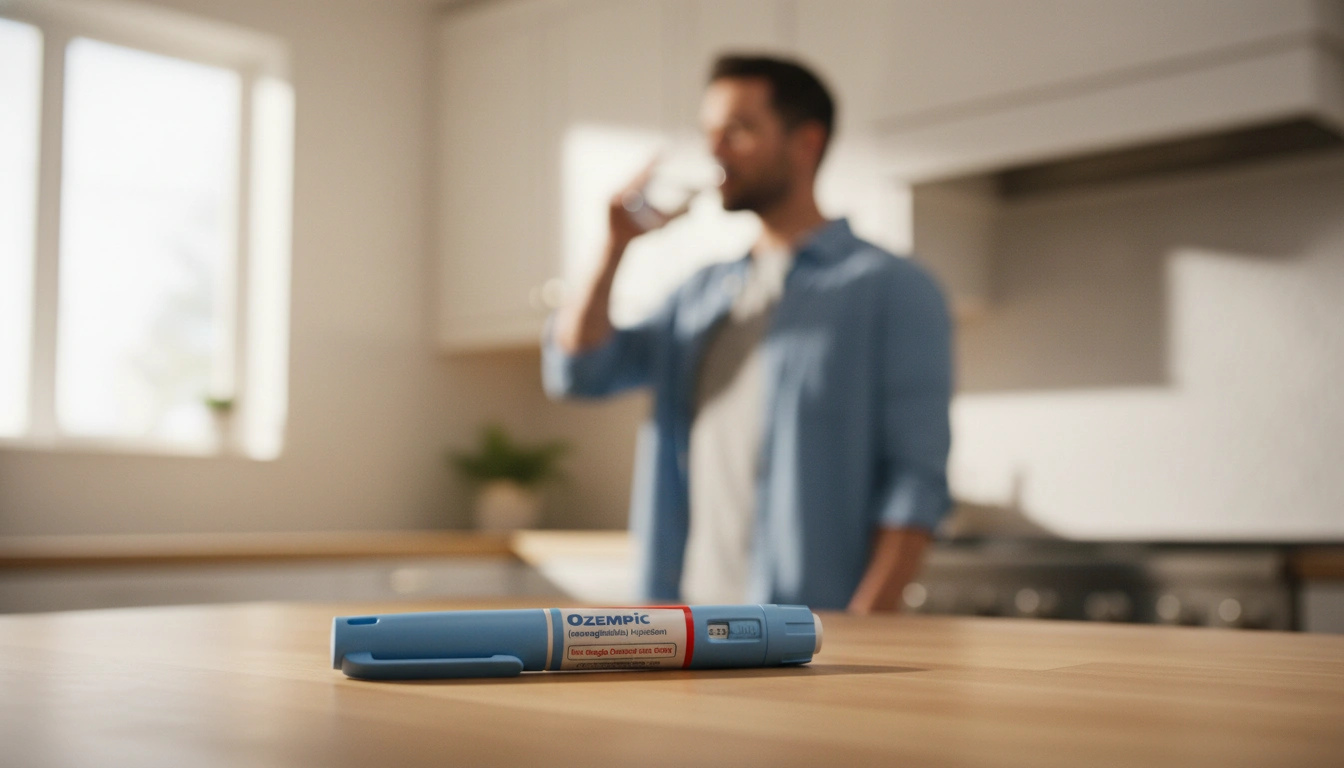
Keep the refrigerator door closed. An unopened refrigerator holds a safe temperature for roughly four hours, and a full freezer holds for considerably longer. Opening the door to check on your pen is the most common mistake and it costs you the buffer you are trying to protect. If the outage looks like it will run past that window, move the medication to an insulated cooler with gel packs, keeping the pen from touching the packs directly.
That last detail matters more than it sounds. Direct contact with ice or a frozen pack can freeze the medication, and freezing is worse than warming.
The first four hours: do nothing
Resist the urge to open the door. A closed refrigerator is a functioning insulated box for several hours, and every opening resets the clock.
Use the time to work out how long the outage is expected to last. Utility outage maps, a text alert from your provider, or a neighbor with information are all more useful than checking the fridge.
If the outage is clearly short, this is the whole plan. If it is not, prepare the next step without opening the door.
Beyond four hours: the cooler setup
Assemble everything before you open the refrigerator, so the door is open for seconds rather than minutes.
What you need. An insulated cooler or an insulated medication pouch, gel packs or a sealed container of ice, and a towel or similar buffer material.
How to build it. Put the gel packs in first. Lay a towel or a layer of insulation over them. Place the medication, still in its carton, on top of that buffer. The goal is cold air around the pen, not cold surfaces against it.
What to check. If you have a thermometer, put it in the cooler with the medication. Guessing is what got most people into trouble in the first place.
Guidance developed for insulin storage in settings without reliable electricity makes this point explicitly, warning that placing product directly on ice risks freezing it and noting that melting water can also destroy labels. The same reasoning applies to a kitchen cooler during a storm.
What not to do
Do not use dry ice. It is far colder than a freezer and will freeze the medication solid.
Do not let the pen touch ice or frozen packs. Use a buffer layer every time.
Do not submerge the pen in ice water. Water gets into the carton, ruins the label, and can reach the pen.
Do not put it in the freezer to buy time before the freezer thaws. This is the most common improvisation and it is the one that destroys the product outright.
Do not open the refrigerator repeatedly to check whether it is still cold. If you need to know, use a thermometer left inside, or accept that you do not know.
Consider this scenario: a patient loses power during a storm, packs their pen into a cooler with two frozen gel packs pressed against the carton, and feels responsible for having acted quickly. Six hours later the medication is at risk not from heat but from contact freezing. The instinct was right and the execution created the problem.
If you have no cooling at all
This happens: an outage during travel, a cooler you cannot find, gel packs that are already warm.
Branded semaglutide pens that are already in use carry a room temperature allowance during their in-use period, so an in-use pen sitting at ordinary room temperature is a manageable situation rather than an emergency. Unopened pens are a different question and worth a call to the pharmacy.
Compounded products are stricter. Storage instructions and beyond-use dating come from the pharmacy that prepared them and frequently assume continuous refrigeration. Do not apply branded allowances to a compounded preparation.
In the absence of any cooling, keep the medication in the coolest part of the house, out of direct sun, away from windows and exterior walls, still in its carton, and off the floor if flooding is a possibility.
Document what happened
While it is happening, note the time the power went out, the time it came back, whether the refrigerator door stayed closed, and any thermometer readings you have. Also photograph the label with the lot number.
That record is what makes the conversation with the pharmacy productive afterward. Without it you are asking someone to make a judgment with no information.
After the power returns
Do not assume everything is fine because the fridge is running again.
Verify the refrigerator actually recovered and is holding temperature before you put the medication back.
Inspect the medication. Clear and colorless with no particles. Anything else means do not use it.
Call the pharmacy if the outage was long, if the medication was above the recommended range for an extended period, if you suspect any freezing, or if you are simply unsure. Give them the timeline you recorded.
Do not rely on appearance alone. Potency loss from a temperature excursion does not reliably show up visually, so a normal-looking pen after a two-day outage is not evidence of anything.
Preparing before the next one
If you live somewhere outages are routine, a small amount of preparation removes this problem entirely.
Keep two gel packs in the freezer permanently. Keep an insulated medication pouch where you can find it in the dark. Put a minimum and maximum thermometer in the refrigerator so you always have a record. Know your pharmacy’s after-hours number. And keep the freezer reasonably full, since a full freezer holds temperature far longer than an empty one and can serve as a cold source for a cooler.
The same kit works for travel, which is the other situation where you need cold storage without a refrigerator. Our guide to GLP-1 medications and travel covers what to pack, and our guide to storing compounded semaglutide or tirzepatide at home covers the everyday setup.
If replacing product after an outage is a cost concern, it is worth knowing whether your funds can absorb it. Our explainer on using an HSA or FSA for Ozempic or compounded semaglutide covers what typically qualifies.
When to call your provider
Beyond the pharmacy conversation, call your provider if the outage will delay your injection, if you injected from product you later decided was compromised, or if a long gap in dosing means restarting rather than resuming.
The short version
Door closed for the first four hours. Cooler with a buffer layer after that. Never direct ice contact, never the freezer, never dry ice. Write down the timeline, inspect afterward, and call with specifics rather than a shrug.
If you would rather have a care team on the other end of that call, TrimRx pairs treatment with pharmacy coordination and provider access.
This information is for educational purposes and is not medical advice. Consult with a healthcare provider before starting any medication. Individual results may vary.

Transforming Lives, One Step at a Time
Keep reading
Ozempic Changed How You and Your Partner Spend Time
Friday night was a place you both liked and a bottle of something. Sunday was a long breakfast. Holidays were planned around restaurants. That…

Partner Says You’re Not Eating Enough on Ozempic?
It has become a thing at dinner. They watch your plate. You feel watched. Something gets said, or pointedly not said, and the meal…
Weekly Client Dinners on Ozempic: A Plan for Recurring Work Meals
Managing one difficult dinner is a matter of ordering well. Managing four a week indefinitely is a different problem, because anything that relies on…


