Can I Eat Ice Cream on Ozempic? Tips for Sweet Treats
Introduction
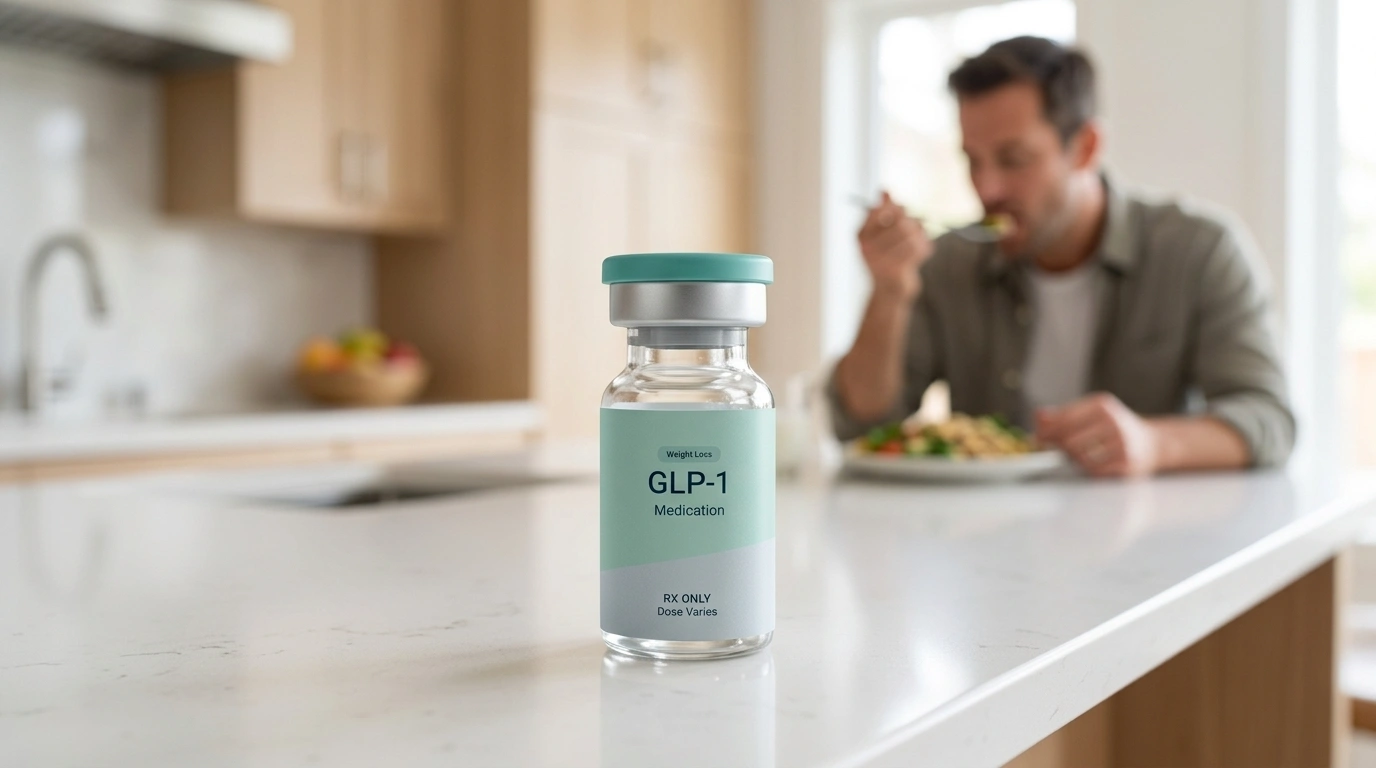
Many people starting their weight loss journey with a GLP-1 medication find that their relationship with food changes almost overnight. You might notice that the “food noise” or constant cravings you once lived with have finally gone quiet. However, wanting a treat like a bowl of ice cream is a normal part of life. At TrimRx, we understand that sustainable weight loss isn’t about total deprivation; it is about learning how your body responds to different foods while on a personalized program. This article will explain whether you can enjoy frozen desserts while taking semaglutide medications and how to avoid potential discomfort. You can eat ice cream while taking these medications, but your approach to portion sizes and ingredients must evolve to match your body’s new digestive pace.
If you are considering whether a GLP-1 program may fit your needs, you can complete a free eligibility assessment before discussing your next steps with a licensed provider.
How GLP-1 Medications Change Your Digestion
To understand why ice cream feels different now, you must first understand how your medication works. Ozempic® is a brand name for a medication called semaglutide. This is a GLP-1 receptor agonist, which means it mimics a natural hormone in your body called glucagon-like peptide-1. This hormone tells your brain you are full and helps your pancreas manage blood sugar levels.
One of the primary ways this medication supports weight loss is through a process called delayed gastric emptying. This is a scientific way of saying that the medication slows down how quickly food leaves your stomach. Instead of your stomach emptying soon after a meal, the food stays there much longer. This helps you feel satisfied with smaller portions, but it also changes how your body reacts to rich, heavy, or sugary foods.
For more context on common digestive reactions, review this guide to GLP-1 side effects and practical management tips.
Key Takeaway: GLP-1 medications slow down the digestive process, keeping food in your stomach longer to help you feel full, which directly affects how you tolerate rich desserts.
Can You Eat Ice Cream While Taking Ozempic®?
The short answer is yes, you can eat ice cream, but you may find that your tolerance for it has changed. There are no medical rules that strictly forbid specific foods like ice cream while you are using GLP-1 medications. However, the experience of eating it may be very different than it was before you started your treatment. Because the medication slows your digestion, a high-fat and high-sugar food like traditional ice cream can sometimes lead to significant stomach upset.
Quick Answer: You can eat ice cream on Ozempic®, but you should start with a very small portion. High-fat and high-sugar foods are more likely to cause nausea or bloating because they stay in your stomach longer due to the medication’s effects.
For many individuals, a few spoonfuls might be perfectly fine. For others, a full serving of premium, high-fat ice cream might lead to hours of discomfort. It is less about a “forbidden food” list and more about listening to your body’s signals.
You can also explore what to eat while taking a GLP-1 medication for broader guidance on building meals around changing appetite and digestion.
Why Ice Cream Might Cause Discomfort
Traditional ice cream is a combination of two things that are difficult to digest quickly: fat and sugar. Fat naturally takes a long time for the body to break down. When you add a medication that further slows the stomach, that high-fat dairy sits in your digestive tract for an extended period. This can lead to a “heavy” feeling that quickly turns into nausea.
Sugar also plays a role. If you are taking Ozempic® for type 2 diabetes or insulin resistance, a large spike in sugar from a dessert can counteract the medication’s goal of stabilizing your blood glucose levels. Even for those using the medication strictly for weight management, the rapid rise and fall of blood sugar can leave you feeling fatigued or even more nauseous.
Bottom line: The combination of high fat and high sugar creates a “double-slowing” effect that can overwhelm your digestive system while on a GLP-1.
Common Side Effects After Eating Rich Desserts
If you overdo it with a rich dessert, you are likely to experience some of the common gastrointestinal side effects associated with semaglutide. These side effects are usually not dangerous, but they can be very uncomfortable. Understanding why they happen can help you make different choices next time.
Nausea and Vomiting
Nausea is the most frequently reported side effect of GLP-1 medications. When your stomach is already processing food slowly, adding a dense, cold, high-fat dairy product can trigger a strong wave of queasiness. If the stomach feels too full or cannot move the food along, it may result in vomiting.
Acid Reflux and Heartburn
Spicy and fatty foods are known triggers for acid reflux. Because ice cream is high in fat, it can relax the lower esophageal sphincter. This is the valve that keeps stomach acid where it belongs. When this valve relaxes and the food stays in the stomach longer, acid is more likely to travel back up, causing a burning sensation in the chest or throat.
Bloating and Gas
As food sits in the stomach for a longer duration, it can begin to ferment slightly or produce more gas. This leads to that “uncomfortably full” feeling, visible bloating, and frequent burping. Many patients report that these symptoms are much worse after eating dairy-heavy desserts.
If appetite changes make it difficult to meet your nutritional needs, daily nutritional support designed for GLP-1 users may be worth discussing with a licensed provider.
Managing Your Sweet Tooth: A Step-by-Step Approach
If you want to try eating ice cream while on your medication, follow a cautious process to see how your body reacts. You do not have to guess how you will feel; you can test your tolerance safely.
- Step 1: Choose a “lighter” version. Look for options that are lower in fat or sugar-free. Sorbets or high-protein frozen treats often sit better on the stomach than premium, full-fat brands.
- Step 2: Start with two spoonfuls. Eat a very small amount and then stop. Wait at least 30 to 60 minutes to see if any nausea or bloating develops.
- Step 3: Avoid eating late at night. Since digestion is slower, eating ice cream right before bed is a recipe for nighttime heartburn. Try to enjoy your treat in the afternoon or early evening.
- Step 4: Stay upright after eating. Do not lie down immediately after having a dessert. Staying upright helps gravity assist your digestion and can reduce the risk of acid reflux.
For additional ideas about building sustainable routines, read about long-term habits that can support weight management on GLP-1.
Better Alternatives for Your Sweet Tooth
Many people on GLP-1 medications find that they actually prefer lighter, more refreshing treats. As your taste buds and hunger signals change, you might find that traditional ice cream feels too heavy or cloyingly sweet.
| Treat Type | Fat Content | Sugar Content | Tolerance Level |
|---|---|---|---|
| Premium Ice Cream | High | High | Low – Often causes nausea |
| Low-Fat Frozen Yogurt | Medium | Medium | Moderate – Generally better tolerated |
| Fruit Sorbet | Very Low | High | High – Easy on the stomach but watch sugar |
| High-Protein Frozen Treat | Low | Low | High – Best for muscle maintenance |
| Frozen Greek Yogurt | Low | Moderate | High – Provides protein and probiotics |
Sorbets and Shaved Ice
Fruit-based sorbets are often much easier to digest because they contain zero fat. While they are still high in sugar, the lack of heavy cream means they move through the stomach more quickly than traditional ice cream.
High-Protein Frozen Desserts
There are several brands that focus on high protein and low sugar. These are excellent for individuals on a weight loss program because they help you meet your daily protein goals while satisfying a craving. Protein is essential when losing weight to ensure you are losing fat rather than muscle mass.
You can learn more about protein needs while taking a GLP-1 medication when reduced appetite makes it harder to eat enough.
Frozen Greek Yogurt
Greek yogurt is a fantastic alternative. It provides the creaminess you might be craving but with the added benefit of protein and probiotics. Probiotics can be particularly helpful for maintaining gut health while your digestion is slowed down by medication.
Note: Always check the labels on “diet” or “sugar-free” treats. Some sugar alcohols used as sweeteners can cause diarrhea or gas, which may compound the side effects of your medication.
The Importance of Protein and Nutrients
When you are eating less overall, every choice you make needs to count toward your nutritional goals. One of the risks of being on a medication like Ozempic® or Wegovy® is that you might not eat enough protein. This can lead to muscle loss and a slower metabolism.
If you choose to have ice cream, try to ensure the rest of your day is filled with lean proteins, fiber-rich vegetables, and plenty of water. At TrimRx, our programs emphasize a balanced approach where treats are occasional, and nutrient density is the priority.
For more food-planning ideas, see this guide to choosing nutrient-dense foods during weight loss.
Myth: You have to follow a strict “GLP-1 diet” for the medication to work. Fact: There is no official diet, but eating high-protein and high-fiber foods helps the medication work more effectively by keeping you full and protecting your muscle mass.
Managing Your Diet on a Personalized Program
Navigating these dietary changes is easier when you have professional guidance. Weight loss is rarely a straight line, and your body’s needs can change as your dosage increases. This is why a telehealth-based approach can be so beneficial.
Through our platform, you can access licensed providers who understand these nuances. If you find that you are struggling with side effects whenever you eat certain foods, a provider can help you adjust your plan. Our personalized programs are designed to fit into your actual life—which includes the occasional birthday party or summer dessert.
If you want to explore whether a personalized prescription program may be appropriate for you, start the assessment process and provide information for licensed provider review.
We connect you with medications like Compounded Semaglutide or Compounded Tirzepatide. These are prepared by FDA-registered, inspected compounding pharmacies. While these compounded versions are not FDA-approved, they offer a personalized way to access the same type of treatment as branded medications like Mounjaro® or Zepbound®.
When to Consult Your Healthcare Provider
While a little nausea after a bowl of ice cream is common, some symptoms require a conversation with a professional. It is important to know the difference between a temporary “sugar ache” and a sign that your body is struggling with the medication.
Contact your licensed healthcare provider if you experience:
- Severe, persistent abdominal pain that does not go away.
- Persistent vomiting that prevents you from staying hydrated.
- Signs of an allergic reaction, such as hives or swelling.
- Significant changes in your vision.
- Intense pain that radiates to your back (which can be a sign of pancreatitis).
Most people find that their side effects are manageable with simple diet tweaks. However, having a dedicated team to turn to can provide peace of mind during your journey.
For readers focused on energy and metabolic support during weight loss, metabolic support during weight loss is another option to review with a licensed provider.
Conclusion
You do not have to say goodbye to ice cream forever just because you are using a GLP-1 medication. The key is to be mindful of how your body has changed. Because medications like Ozempic® slow down your stomach, high-fat and high-sugar treats stay in your system longer and are more likely to cause nausea, reflux, or bloating. By choosing smaller portions, opting for lower-fat alternatives, and avoiding late-night treats, you can enjoy the occasional dessert without the regret.
- Start with very small portions to test your tolerance.
- Prioritize high-protein or lower-fat frozen treats.
- Listen to your body’s fullness cues—they are more accurate now.
- Keep your overall diet focused on lean proteins and fiber.
Our mission is to help you embrace a healthier lifestyle through science and empathy. We believe that a transparent, personalized approach is the best way to achieve sustainable results. If you are ready to see how a medically supervised program can help you reach your goals, your next step is simple.
Ready to start your journey? Take the free assessment quiz today to see which personalized program is right for you.
FAQ
Will eating ice cream stop my weight loss medication from working?
One bowl of ice cream will not stop the medication from working, but frequently eating high-calorie, sugary foods can slow your overall progress. The medication is most effective when used alongside a balanced diet and regular movement. Additionally, the sugar spike from ice cream can briefly counteract the blood-sugar-stabilizing benefits of the medication.
Why do I feel so much fuller after just a few bites of ice cream?
This happens because GLP-1 medications slow down gastric emptying, meaning your stomach keeps food inside for a longer period. Since ice cream is dense and high in fat, your stomach recognizes the high calorie and fat content quickly and signals your brain that you are full. If you continue eating past this signal, you are very likely to feel nauseous.
Are dairy-free ice creams better for people on Ozempic®?
Dairy-free options can be better if they are also lower in fat and sugar. Some dairy-free ice creams use coconut milk, which is very high in saturated fat and may cause the same digestive slowing and nausea as dairy. Look for almond-milk or soy-milk based options that have lower fat content for the best results.
Can I eat ice cream if I am experiencing Ozempic® side effects?
If you are already feeling nauseous or bloated, it is best to skip the ice cream until you feel better. Cold, bland liquids like water or a small amount of ginger ale are better choices when your stomach is upset. Adding a high-fat dairy product to an already upset stomach will likely make your symptoms significantly worse.
If side effects continue or make it difficult to eat and drink normally, contact a licensed provider through the assessment process.
TrimRX does not practice medicine or prescribe medications. Compounded medications are not FDA-approved and are not evaluated by the FDA for safety or efficacy. Results vary by individual and are not guaranteed.
Disclaimer: This content is for informational purposes only and does not constitute medical advice. It is not intended to diagnose, treat, cure, or prevent any disease or condition. Individual results may vary. Always consult a qualified healthcare professional before starting any weight loss program or medication.

Transforming Lives, One Step at a Time
Keep reading
Is It Normal for Nausea to Come Back on Ozempic?
Many people on Ozempic or another GLP-1 have a rough first few weeks, then settle in and feel much better. So it can be…

Is It Normal to Not Feel Anything After Taking Ozempic?
You have heard stories about people losing interest in food overnight or feeling queasy after their first dose. Then you take your own first…

Is It Normal to Have Dark Urine on Ozempic?
Noticing that your urine is darker than usual can be worrying. On Ozempic or another GLP-1, the most common reason is simple: you are…


