Eating Habits and Ozempic®: What You Need to Know for Your Weight Loss Journey
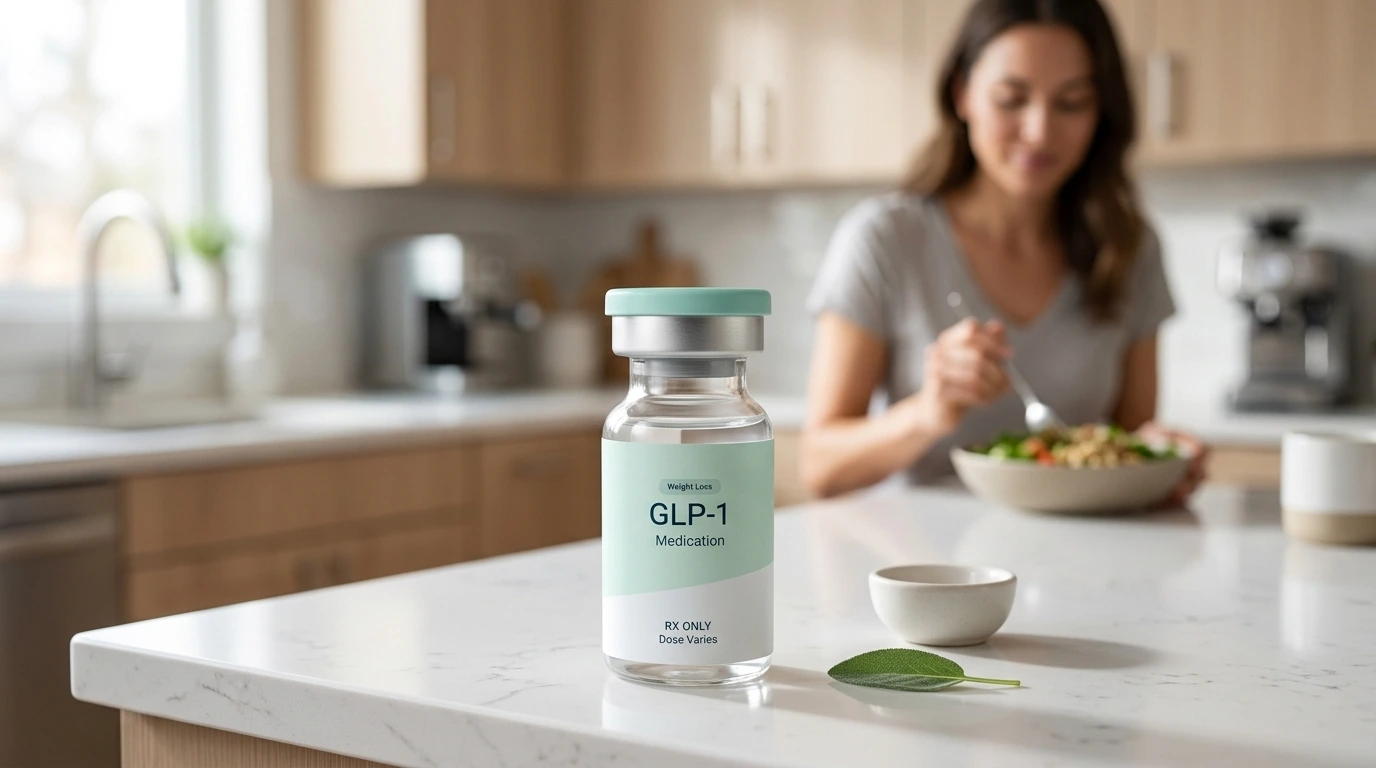
Introduction
Many individuals embarking on a weight loss journey often confront a myriad of questions, especially when considering medications designed to support their efforts. One question frequently surfaces: do you have to eat with Ozempic®, or similar GLP-1 medications? This isn’t just a minor inquiry; it touches upon the very core of how these powerful tools interact with our daily lives and dietary choices. The idea that a medication can significantly alter your appetite and metabolism is fascinating, but it naturally leads to uncertainty about what—and how—to eat to maximize its benefits and minimize potential discomfort.
At TrimRx, our journey began with a shared vision to help individuals embrace healthier lifestyles by merging cutting-edge telehealth innovations with effective weight loss solutions. We understand that sustainable weight loss should be achieved through science, empathy, and a transparent approach. This means providing not just medication, but comprehensive guidance on how to integrate it into a holistic lifestyle. Our brand is empathetic, innovative, trustworthy, supportive, results-oriented, and personalized, offering compassionate care that respects every individual’s unique journey. We combine advanced medical science with modern technology to deliver a user-friendly and supportive space where individuals receive personalized, medically supervised care—all designed to make sustainable weight loss attainable and tailored to the individual.
This blog post will delve into the critical role of diet when utilizing medications like Ozempic® to support your weight management goals. We will explore how these medications work, why dietary adjustments are not just recommended but essential, and which food choices can either enhance your progress or alleviate common side effects. By the end, you’ll gain a clearer understanding of how to optimize your nutrition, paving the way for a more effective and comfortable weight loss experience. We will guide you through understanding the medication’s mechanisms, the importance of nutrient-dense eating, strategies for managing side effects, and how to build lasting habits, always keeping your unique journey at the forefront.
Understanding Ozempic®: Beyond the Buzz
Ozempic®, a brand name for semaglutide, has gained significant attention in recent years. While it is FDA-approved for adults with type 2 diabetes to improve blood sugar control and reduce the risk of major cardiovascular events, its mechanism of action often leads to significant weight loss, making it a valuable tool in broader weight management strategies. However, it is crucial to understand that while weight loss is a frequent outcome, Ozempic® itself is not FDA-approved solely as a weight-loss drug. Other semaglutide-based medications, such as Wegovy®, are specifically FDA-approved for chronic weight management. Similarly, tirzepatide-based medications like Mounjaro® (FDA-approved for type 2 diabetes) and Zepbound® (FDA-approved for chronic weight management) also leverage similar principles to support metabolic health and weight loss.
At TrimRx, we offer access to a range of these clinically proven medications, including Ozempic®, Wegovy®, Mounjaro®, and Zepbound®, as well as Compounded Semaglutide, Oral Semaglutide, Compounded Tirzepatide, and Oral Tirzepatide. It is important to remember that while branded medications like Ozempic® and Zepbound® are FDA-approved for their specific indications, compounded medications are not FDA-approved. However, we ensure that all medications, whether branded or compounded, are provided through FDA-registered, inspected, and approved pharmacies, underscoring our commitment to safety and transparency. Our comprehensive service includes doctor consultations, medication, lab work, unlimited support, and shipping with no hidden fees, making your journey as smooth and clear as possible.
How GLP-1 Medications Reshape Your Relationship with Food
The active ingredient in Ozempic®, semaglutide, mimics a natural hormone in your gut called glucagon-like peptide-1 (GLP-1). This hormone plays several crucial roles in your body:
- Regulating Blood Sugar: GLP-1 stimulates insulin release from the pancreas when blood sugar levels are high, helping to move glucose into your cells for energy. It also reduces the amount of sugar the liver produces.
- Slowing Gastric Emptying: It slows down how quickly food moves from your stomach into your intestines. This means you feel fuller for longer after eating, reducing overall food intake.
- Reducing Appetite and “Food Noise”: GLP-1 impacts appetite centers in the brain, leading to reduced hunger signals and a decrease in intrusive thoughts about food, often referred to as “food noise.” This can significantly reduce calorie intake.
These combined effects mean that while taking medication like Ozempic®, you will likely experience a reduced appetite and increased satiety, making it easier to eat less without feeling deprived. This mechanism is a powerful tool for shifting eating patterns and supporting weight loss.
The Role of Diet in GLP-1 Therapy
It’s tempting to think that since the medication reduces appetite, diet becomes less important. However, this couldn’t be further from the truth. Medications like Ozempic® are designed to work with lifestyle changes, not as a replacement for them. They are a tool to supplement the effects of a healthy diet and regular exercise. There is no evidence that the drug works effectively as a standalone treatment without concurrent dietary adjustments and physical activity.
Making beneficial changes to your eating habits is paramount to getting the most out of the medication’s effects. These changes not only enhance weight loss but also help manage potential side effects and build sustainable habits for maintaining weight loss even after discontinuing the medication. Our personalized weight loss programs emphasize this integrated approach, providing the support you need to make these habits last. If you’re ready to explore a comprehensive plan that aligns with your unique needs, we encourage you to take our free assessment quiz to determine your eligibility and receive a personalized treatment plan.
Do You Have to Eat with Ozempic®? The Dietary Essentials
The direct answer to “do you have to eat with Ozempic®” is yes, absolutely. While the medication reduces your appetite, ensuring you consume nutrient-dense foods is critical for several reasons: providing essential nutrients, maintaining muscle mass, supporting energy levels, and managing potential side effects. The goal is not to starve yourself but to make smarter, more intentional food choices.
There’s no rigid “Ozempic® diet” that applies universally. Instead, we advocate for a balanced, nutritious, and reduced-calorie eating plan tailored to your individual needs and preferences. Our approach at TrimRx centers on personalization because we understand that what works best for one person may not work for another. We recommend a diet that creates a calorie deficit—typically around 500-600 calories less per day than you burn—while ensuring you still receive all essential nutrients.
Prioritizing Nutrient-Dense Foods
When your appetite is reduced, every bite counts. Focusing on nutrient-dense foods ensures your body receives the vitamins, minerals, fiber, and protein it needs to function optimally, even with fewer calories.
Lean Proteins: Building Blocks for Success
Protein is perhaps the most crucial macronutrient when you’re losing weight, especially with GLP-1 medications. It helps maintain muscle mass, which is vital because significant muscle loss during weight loss can hinder long-term success and metabolism. Protein also promotes satiety, keeping you feeling fuller for longer.
- Examples: Skinless poultry (chicken, turkey), lean cuts of beef or pork, fish (especially fatty fish like salmon for omega-3s), eggs, Greek yogurt, cottage cheese, tofu, tempeh, lentils, beans, and quinoa.
- Practical Tip: Aim to incorporate a lean protein source into every meal. Consider starting your meals with protein to ensure adequate intake before feeling full.
Fiber-Rich Foods: Supporting Digestion and Fullness
Fiber plays a dual role: it aids digestion, which can be particularly helpful given that GLP-1 medications slow gastric emptying, and it contributes to feelings of fullness. Adequate fiber intake can help prevent constipation, a common side effect of these medications.
- Examples: Whole grains (oats, brown rice, whole-wheat bread and pasta), fruits (berries, apples, pears), vegetables (broccoli, leafy greens, carrots), nuts, seeds (chia, flax), and legumes.
- Practical Tip: Gradually increase your fiber intake to allow your digestive system to adjust. Ensure you’re also drinking plenty of water, as fiber needs fluid to work effectively.
Healthy Fats: Essential for Well-being
While high-fat, greasy foods should be limited (as discussed below), healthy fats are an essential part of a balanced diet. They contribute to satiety, support hormone function, and provide energy.
- Examples: Avocados, olive oil, nuts, seeds, and fatty fish like salmon.
- Practical Tip: Incorporate healthy fats in moderation. A small amount can significantly boost flavor and satisfaction without adding excessive calories.
Hydration: Your Daily Foundation
Staying adequately hydrated is fundamental for overall health and is especially important when taking GLP-1 medications. Dehydration can worsen side effects like nausea and constipation.
- Examples: Plain water, herbal teas, infused water, and water-rich foods like cucumbers and watermelon.
- Practical Tip: Keep a water bottle handy and sip throughout the day. If plain water is unappealing, try adding slices of fruit or cucumber for natural flavor.
To further support your well-being during your weight loss journey, consider incorporating our GLP-1 Daily Support or Weight Loss Boost supplements. These quick-access options are available for immediate purchase to complement your dietary efforts and overall wellness.
The Calorie Deficit: A Guiding Principle
Achieving a sustainable calorie deficit is the cornerstone of weight loss. While Ozempic® helps by naturally reducing your appetite, consciously choosing foods that are lower in calories but high in nutrients will optimize your weight loss efforts. Clinical trials involving semaglutide have shown effectiveness when individuals consume approximately 500-600 fewer calories per day than they expend, combined with regular physical activity. This isn’t about extreme restriction, but about smart, balanced choices. Our personalized programs, accessible through our free assessment quiz, can help you understand how to achieve this deficit in a way that suits your body and lifestyle, providing comprehensive service including doctor consultations, medication, lab work, unlimited support, and shipping.
Navigating Potential Side Effects with Strategic Food Choices
One of the key considerations when taking medications like Ozempic® is managing potential gastrointestinal side effects such as nausea, vomiting, bloating, heartburn, and constipation. These occur because the medication slows down digestion. Certain food choices can either exacerbate or alleviate these symptoms.
Foods to Embrace for Comfort
When experiencing side effects, opting for bland, easily digestible foods can make a significant difference.
- Ginger: Known for its anti-nausea properties, ginger can be consumed in various forms—ginger tea, ginger candies, or incorporated into meals.
- Bland Foods: Foods that are low in fiber, not spicy, and have a soft texture are generally easier on the stomach. Examples include white toast, plain crackers, clear broths, and boiled potatoes.
- Lower-Fiber Foods (for diarrhea): If diarrhea is a concern, temporarily reducing high-fiber foods and opting for lower-fiber options like white rice or white bread might help firm up stools.
- Probiotic-Rich Foods (for gut health): Foods like kefir, yogurt, kimchi, and sauerkraut can support gut health and potentially mitigate some digestive discomfort.
- High-Water Content Foods: Soups and clear, cold beverages can help with hydration, especially if vomiting or diarrhea leads to fluid loss. Small sips are often better tolerated.
Remember, our brand is supportive and results-oriented. If you’re struggling with side effects, our comprehensive service ensures you have unlimited support to help you navigate these challenges effectively.
Foods to Approach with Caution
Certain foods can worsen GLP-1 side effects or make weight loss more challenging. The goal isn’t necessarily to eliminate these entirely but to consume them in moderation and be mindful of your body’s response.
High-Fat and Greasy Foods
Because GLP-1 medications slow gastric emptying, foods that are already slow to digest, like high-fat and greasy options, can sit in your stomach even longer. This can significantly increase feelings of nausea, bloating, and indigestion.
- Examples: Fried chicken, burgers, pizza, heavy cheeses, butter, and rich sauces.
- Impact: Can cause or worsen nausea, bloating, gas, and heartburn.
High Glycemic Index (GI) and Sugary Foods
Foods with a high glycemic index, often high in added sugars and refined grains, cause rapid spikes in blood sugar. While Ozemp® helps regulate blood sugar, frequent consumption of these foods can still counteract its benefits. When blood sugar rises too quickly, the body releases more insulin, which can signal the body to store excess sugar as fat, hindering weight loss.
- Examples: Sugary drinks (soda, fruit juice), white bread, pastries, sweets, and processed snacks.
- Impact: Can make weight loss harder, potentially leading to blood sugar imbalances. Focus on natural sugars from fruits and complex carbohydrates from whole grains, which provide fiber and steady energy.
Ultra-Processed Foods and Large Portions
Ultra-processed foods often combine high levels of unhealthy fats, added sugars, and sodium, offering little nutritional value. They can also be harder to digest. Furthermore, given the increased satiety from GLP-1 medications, consuming large portions, even of healthy foods, can lead to uncomfortable fullness, nausea, or indigestion.
- Examples of Ultra-Processed Foods: Fast food, many frozen meals, chips, candy, and highly processed condiments.
- Practical Tip: Aim for smaller, more frequent meals. This reduces the pressure on your stomach and allows for better digestion and absorption of nutrients. Eating slowly and mindfully can also help you recognize your body’s fullness cues.
Alcohol and Caffeine Considerations
Alcohol offers empty calories and can worsen side effects like nausea and dehydration. It can also interfere with blood sugar regulation. Similarly, while coffee itself may not be an issue, sugary and creamy coffee drinks can add unnecessary calories and potentially irritate the stomach for some individuals.
- Practical Tip: Limit alcohol intake to recommended guidelines (if at all), and opt for plain coffee or herbal teas over elaborate sugary beverages.
We believe in a transparent approach, and our commitment to transparent service means our guidance remains consistent, whether you’re starting on medication or adjusting your dosage. Our compassionate care respects your individual journey, and we work exclusively with FDA-registered and inspected pharmacies to ensure the safety of your weight loss medications.
Cultivating Sustainable Eating Habits for Lasting Success
The journey towards sustainable weight loss extends far beyond the duration of medication use. It’s about establishing habits that nourish your body, support your metabolism, and contribute to your overall well-being for the long term. This is where the true transformation occurs, moving beyond temporary dietary changes to a lifelong healthy relationship with food.
Mindful Eating Practices
Medications like Ozempic® provide a unique opportunity to reset your relationship with food by reducing constant hunger and food cravings. This can create space for more mindful eating practices.
- Eat Slowly: It takes time for your brain to register fullness. Eating slowly, chewing thoroughly, and putting your fork down between bites allows your body to catch up with your stomach, preventing overeating and discomfort.
- Listen to Your Body’s Cues: With reduced “food noise,” you can better distinguish between true hunger and emotional cravings. Pay attention to when you truly feel hungry and, more importantly, when you are comfortably full. Stop eating at the first sign of satisfaction.
- Post-Meal Activity: A short, gentle stroll after meals can aid digestion and help manage blood sugar levels. Avoiding lying down immediately after eating can also reduce heartburn.
- Meal Planning: Planning your meals and snacks in advance helps ensure you have nutrient-dense options readily available, reducing the temptation for less healthy choices, especially when hunger does strike.
The Power of Personalized Guidance
Navigating dietary changes, especially alongside medication, can feel overwhelming. This is why personalized guidance from healthcare professionals is invaluable. A registered dietitian, for example, can help you create a tailored nutritional plan that aligns with your specific needs, preferences, and any side effects you might be experiencing. They can help you identify trigger foods, ensure adequate nutrient intake, and build practical strategies for sustainable eating.
At TrimRx, we embody this personalized approach. Our comprehensive program includes access to expert guidance, ensuring you’re not alone in building these lasting habits. We understand that everyone’s body responds differently, and our supportive environment is designed to empower you with the knowledge and tools you need to succeed. If you have been curious about how a personalized weight loss plan could transform your health, don’t hesitate to take our free assessment quiz to determine your eligibility and receive a personalized treatment plan. This is your opportunity to collaborate with experts who prioritize your unique journey.
TrimRx: Your Partner in a Healthier Tomorrow
At TrimRx, we stand as a beacon of hope and innovation in the world of weight management. Our commitment is to provide safe, effective, and personalized weight loss solutions, grounded in science and delivered with empathy. We believe that true well-being is a journey, not a destination, and we are dedicated to being your steadfast partner every step of the way.
Our Vision and Values
Our journey at TrimRx began with a shared vision to help individuals embrace healthier lifestyles by merging cutting-edge telehealth innovations with effective weight loss solutions. We created a platform that is not just user-friendly but also a truly supportive space where individuals receive personalized, medically supervised care. Our goal is to make sustainable weight loss attainable and tailored to the individual, recognizing that no two journeys are identical. We firmly believe that sustainable weight loss should be achieved through science, empathy, and a transparent approach, forming the bedrock of all our services.
Our brand personality resonates with these core values: we are empathetic, innovative, trustworthy, supportive, results-oriented, and personalized. We offer compassionate care that respects every individual’s unique journey, combining advanced medical science with modern technology to deliver the best possible outcomes. We are committed to transparent service, highlighting that our approach remains consistent regardless of dosage changes. Safety is paramount, which is why we work exclusively with FDA-registered and inspected pharmacies for the shipping of all weight loss medications. We want to be clear that while we facilitate access to medications and offer comprehensive support, TrimRx partners with these pharmacies for medication dispensing and does not provide actual medical supervision; instead, our comprehensive service includes doctor consultations from licensed providers, ensuring you receive appropriate medical oversight.
Our Comprehensive Approach
We understand that successful weight loss requires more than just medication. It demands a holistic strategy that addresses diet, lifestyle, and individual health needs. Our personalized weight loss programs offer a robust framework designed to integrate seamlessly into your life:
- Expert Consultations: Connect with licensed healthcare providers who understand the nuances of GLP-1 medications and personalized weight management.
- Tailored Medication Plans: Access to a variety of clinically proven prescription medications, including Compounded Semaglutide, Oral Semaglutide, Ozempic®, Compounded Tirzepatide, Oral Tirzepatide, Mounjaro®, Zepbound®, and Wegovy®. We clearly differentiate that while branded medications are FDA-approved for specific uses, compounded medications are not FDA-approved, though they are sourced from FDA-registered and inspected pharmacies.
- Lab Work & Monitoring: Essential lab work is included to ensure your safety and monitor your progress effectively.
- Unlimited Support: Our dedicated team provides ongoing support, answering your questions and guiding you through your journey.
- Convenient Delivery: Medications are shipped directly to your door from our partner FDA-registered and inspected pharmacies, with no hidden fees.
Exploring Your Personalized Path
We know that taking the first step can sometimes feel the most challenging. That’s why we’ve made it simple to discover how TrimRx can support your health goals. Our approach is deeply personalized, recognizing that a truly effective plan is one that aligns with your unique physiology and lifestyle.
Ready to see if our program is the right fit for you? Take our free assessment quiz to determine your eligibility and receive a personalized treatment plan. This quick assessment is designed to connect you with the appropriate solutions tailored just for you.
In addition to our prescription programs, we offer quick-access supplements that can support your overall wellness during your weight loss journey. Consider our GLP-1 Daily Support or Weight Loss Boost for immediate support. These are available for direct purchase, offering valuable complementary benefits.
FAQs About Diet and Ozempic®
Do I need to follow a specific “Ozempic® diet” to lose weight?
There isn’t a single, rigid “Ozempic® diet.” The key is to adopt a healthy, balanced, and reduced-calorie diet rich in lean protein, fiber, and healthy fats. The medication helps by reducing your appetite and making you feel fuller, which supports eating fewer calories. However, intentional healthy food choices are crucial to ensure you get essential nutrients and manage potential side effects.
What kind of foods should I prioritize when taking Ozempic®?
Focus on nutrient-dense foods. Prioritize lean proteins (chicken, fish, eggs, tofu) to maintain muscle mass and promote satiety. Include plenty of fiber from fruits, vegetables, and whole grains to aid digestion and fullness. Moderate healthy fats (avocado, olive oil, nuts) are also important. Staying well-hydrated with water is essential.
Are there any foods I should avoid while on Ozempic®?
While no foods are strictly “forbidden,” it’s generally advisable to limit or avoid high-fat, greasy, ultra-processed, and high-sugar foods, as these can exacerbate common GLP-1 side effects like nausea, bloating, and indigestion. Large portions, alcohol, and excessive caffeine may also cause discomfort for some individuals. Listen to your body and adjust your intake accordingly.
How can TrimRx help me with my diet while taking weight loss medication?
TrimRx offers a personalized, medically supervised weight loss program that integrates medication with comprehensive support. Our service includes doctor consultations, which can provide guidance on dietary strategies tailored to your needs, help manage side effects, and monitor your progress. We believe in providing unlimited support to help you build sustainable healthy eating habits throughout your weight loss journey. To learn more and see if you qualify, take our free assessment quiz to determine your eligibility and receive a personalized treatment plan.
Conclusion
The question, “do you have to eat with Ozempic®,” opens the door to a deeper understanding of how these transformative medications work in concert with your lifestyle choices. It’s clear that while medications like Ozempic® are powerful tools in managing weight and metabolic health, they are most effective when paired with intentional, healthy eating habits. They provide the physiological support to reduce appetite and improve satiety, creating an invaluable opportunity to reshape your relationship with food.
Throughout this journey, prioritizing nutrient-dense foods, understanding how to manage potential side effects through smart dietary choices, and cultivating mindful eating practices are paramount. These strategies not only enhance the effectiveness of your medication but also lay the groundwork for sustainable well-being long after your treatment plan evolves.
At TrimRx, we are deeply committed to empowering your journey toward a healthier, more vibrant life. Our comprehensive, personalized programs, which include access to clinically proven medications through FDA-registered and inspected pharmacies, expert consultations, lab work, and unlimited support, are designed to make sustainable weight loss both achievable and lasting. We believe in science, empathy, and transparency, ensuring you receive compassionate care every step of the way.
Your path to a healthier future begins with a single step. We invite you to explore how our personalized approach can support your unique needs. Take our free assessment quiz to determine your eligibility and receive a personalized treatment plan today. Additionally, for immediate support, consider incorporating our GLP-1 Daily Support or Weight Loss Boost into your wellness routine. Together, we can build the foundation for a healthier, happier you.

Transforming Lives, One Step at a Time
Keep reading

I Took My Ozempic Two Days in a Row by Accident
Call for guidance now rather than waiting to see how you feel. In the United States, Poison Control is available free and around the…

Why Does My Ozempic Injection Sting More Some Weeks Than Others?
Because more variables change between injections than most people realize. Temperature of the medication, which site you used, how deep the needle went, how…

How to Store Your Ozempic Pen During a Power Outage
Keep the refrigerator door closed. An unopened refrigerator holds a safe temperature for roughly four hours, and a full freezer holds for considerably longer….


