Sweets and Semaglutide: Navigating Treats While on Ozempic and Other Weight Loss Medications
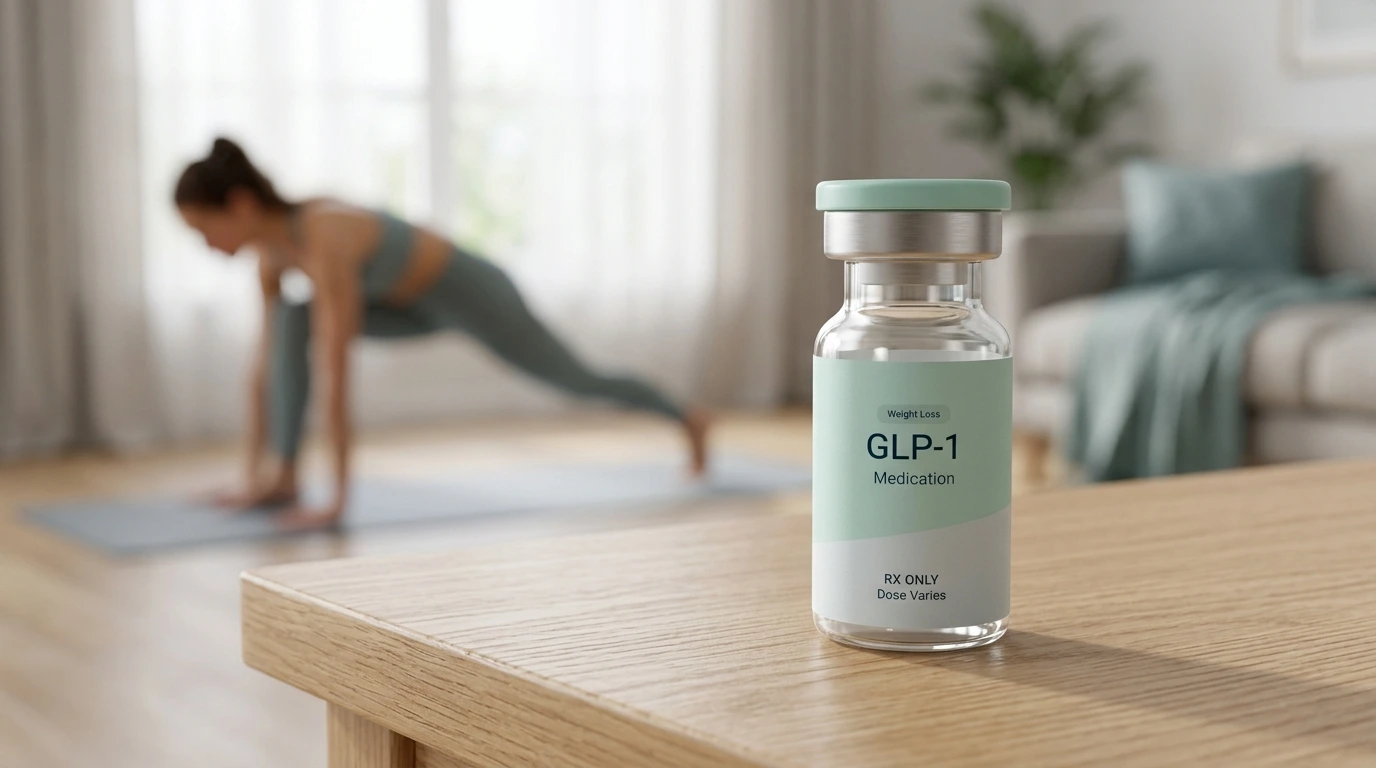
The aroma of a freshly baked cookie, the comforting sweetness of a chocolate bar, or the celebratory delight of a slice of cake – for many, these experiences are woven into the fabric of life, offering moments of joy and connection. But what happens to these cherished indulgences when you embark on a new health journey, especially one supported by innovative medications like Ozempic (semaglutide) or other GLP-1 receptor agonists? The question naturally arises: can you eat sweets while on Ozempic? It’s a common concern, striking at the heart of balancing effective treatment with the enjoyment of life’s small pleasures.
In a world increasingly focused on health and wellness, groundbreaking advancements in medical science have offered new hope for individuals managing type 2 diabetes and seeking sustainable weight loss. Medications such as Ozempic, Wegovy®, Mounjaro®, and Zepbound® – all part of the GLP-1 receptor agonist family – have emerged as powerful tools. They work by mimicking a natural hormone, helping to regulate blood sugar, slow digestion, and reduce appetite. While the benefits are clear, navigating daily dietary choices, particularly those involving sugary foods, can feel like a complex challenge.
This comprehensive guide aims to demystify the relationship between sweets and GLP-1 medications. We understand that sustainable weight management isn’t just about restriction; it’s about making informed choices, understanding your body, and finding a balanced approach that supports your health goals without sacrificing the joy of eating entirely. We’ll delve into the science behind how these medications work, explore the specific impacts of sugary foods, identify common triggers for side effects, and, most importantly, provide actionable strategies for incorporating mindful indulgence into your journey. By the end of this post, you’ll have a clearer understanding of how to navigate your dietary path, empowering you to make choices that align with your well-being, supported by science, empathy, and a transparent approach that is central to our values at TrimRx. We believe in providing the knowledge and tools you need to embrace healthier lifestyles, ensuring that your path to weight wellness is both effective and personalized.
Understanding GLP-1 Receptor Agonists and Their Impact on Your Body
To truly understand how sweets interact with medications like Ozempic, it’s essential to grasp the fundamental mechanisms of GLP-1 receptor agonists. These medications, including Compounded Semaglutide, Oral Semaglutide, Ozempic®, Compounded Tirzepatide, Oral Tirzepatide, Mounjaro®, Zepbound®, and Wegovy®, represent a significant stride in the treatment of type 2 diabetes and chronic weight management. Our journey at TrimRx began with a shared vision to help individuals embrace healthier lifestyles by merging cutting-edge telehealth innovations with effective weight loss solutions, and these medications are a cornerstone of that mission.
How GLP-1 Medications Work
GLP-1 stands for Glucagon-Like Peptide-1, a hormone naturally produced in your gut. GLP-1 receptor agonists mimic this natural hormone, performing several crucial functions that contribute to blood sugar control and weight loss:
- Slowing Gastric Emptying: One of the most significant effects is the delay in how quickly food moves from your stomach into your small intestine. This means you feel fuller for longer, which naturally leads to eating less and can help manage portion sizes. It also contributes to a slower, more gradual rise in blood sugar after meals.
- Stimulating Insulin Release: When blood sugar levels are high, GLP-1 agonists stimulate your pancreas to release more insulin. Insulin is the hormone responsible for moving glucose from your bloodstream into your cells for energy, thereby lowering blood sugar.
- Suppressing Glucagon Secretion: Glucagon is a hormone that raises blood sugar. GLP-1 agonists reduce glucagon secretion, particularly after meals, further contributing to blood sugar control.
- Impacting Satiety and Appetite Regulation: These medications interact with brain regions that control appetite, leading to reduced hunger and increased feelings of fullness. This plays a crucial role in reducing overall calorie intake and supporting weight loss efforts.
At TrimRx, we leverage this advanced medical science, combined with modern technology, to offer compassionate care that respects every individual’s unique journey. Our commitment to transparent service means our approach remains consistent, focusing on your long-term success.
The Connection to Weight Loss and Blood Sugar Management
The combined effects of delayed gastric emptying, enhanced insulin response, glucagon suppression, and appetite reduction make GLP-1 medications incredibly effective for both type 2 diabetes management and weight loss. For individuals with type 2 diabetes, this means better blood glucose control and a reduced risk of related complications. For those seeking weight management, it translates to a powerful tool that helps regulate hunger and supports a caloric deficit needed for weight loss.
However, it’s vital to remember that these medications work best when integrated into a holistic lifestyle approach. While they provide significant support, they are not a substitute for mindful eating and regular physical activity. This brings us directly to the question of diet, particularly concerning the very tempting category of sweets.
The Sweet Dilemma: Can You Eat Sweets While on Ozempic?
The short answer to “can you eat sweets while on Ozempic?” is yes, but with significant caveats and a strong emphasis on moderation and mindful choices. The goal with GLP-1 medications is not necessarily complete deprivation, but rather a strategic approach to food that maximizes the benefits of the medication while minimizing potential discomfort. We believe that sustainable weight loss should be achieved through science, empathy, and a transparent approach, which includes realistic dietary guidance.
Impact of Sugary Foods on GLP-1 Medication Users
When you’re taking a GLP-1 medication like Ozempic, sugary foods interact with your body and the medication in several key ways:
- Blood Sugar Spikes: Despite the medication’s action to lower blood sugar, consuming large amounts of simple sugars can still cause rapid glucose spikes. While Ozempic helps mitigate these, consistently high sugar intake can counteract the medication’s effectiveness, making it harder to achieve optimal blood sugar control and weight loss results. This is especially critical for individuals managing type 2 diabetes.
- Exacerbated Gastrointestinal Side Effects: The delayed gastric emptying caused by GLP-1 medications means that food stays in your stomach longer. Sugary and high-fat foods are already slower to digest. When these combine, they can sit in your stomach for an extended period, significantly increasing the likelihood and severity of common gastrointestinal (GI) side effects such as nausea, vomiting, indigestion, heartburn, and bloating.
- Empty Calories and Weight Loss: Many sweets are calorie-dense but nutrient-poor, offering “empty calories” without contributing much to satiety or essential nutrition. Since GLP-1 medications reduce your appetite, every calorie you consume should ideally be nutrient-rich to support your body’s needs and your weight loss goals. Relying on empty calories can hinder progress and lead to dissatisfaction.
- Cravings and Habit Formation: While GLP-1 medications can reduce cravings, consistently indulging in sugary foods can reinforce old habits and make it harder to retrain your palate towards healthier options in the long run.
Ultimately, the intent of using medications like Ozempic is to improve metabolic health and facilitate weight loss. Consuming excessive sugar directly undermines these objectives. As an educated friend on this journey, we encourage you to view every food choice as an opportunity to support your body and your goals.
Moderation Over Elimination: A Sustainable Approach
Complete elimination of sweets is often unrealistic and unsustainable for many. A more empowering and effective strategy focuses on mindful moderation. This involves:
- Portion Control: Enjoying a small piece of dark chocolate instead of an entire bar, or a single scoop of ice cream rather than a large bowl.
- Frequency: Treating sweets as occasional indulgences rather than daily staples.
- Quality over Quantity: Choosing higher-quality treats made with better ingredients, and savoring them fully.
- Listening to Your Body: Paying close attention to how certain sweets make you feel, both physically (in terms of GI comfort) and mentally.
Our brand is empathetic and supportive, recognizing that true well-being encompasses more than just numbers on a scale. It’s about empowering you to make choices that nourish your body and spirit. If you’re looking for a personalized treatment plan that considers these nuances, we invite you to take our free assessment quiz to see if you qualify for our prescription weight loss medications.
Why Certain Foods Worsen Side Effects on GLP-1 Medications
One of the most common discussions among individuals taking GLP-1 medications revolves around managing potential side effects. While these medications are highly effective, a significant portion of users may experience gastrointestinal distress. Understanding which foods tend to exacerbate these symptoms is key to a more comfortable and sustainable journey. Our commitment to safety and personalized care means we want you to be as informed as possible.
Common Gastrointestinal Side Effects
The primary side effects associated with GLP-1 receptor agonists like Ozempic include:
- Nausea
- Vomiting
- Diarrhea
- Constipation
- Abdominal pain and cramping
- Heartburn and acid reflux
- Bloating
- Reduced appetite
These symptoms are largely attributed to the slowed gastric emptying and the body’s adjustment to the medication. However, certain dietary choices can significantly amplify them.
Foods to Limit or Avoid to Minimize Discomfort
While no food is strictly “off-limits” in the sense of a dangerous drug interaction, certain categories of food consistently contribute to worsened GI symptoms when combined with the effects of GLP-1 medications:
High-Fat and Greasy Foods
- Why they’re problematic: Foods rich in fat, such as fried chicken, french fries, pizza, processed meats, full-fat dairy, and doughnuts, naturally take longer to digest. When gastric emptying is already slowed by medication, these foods can sit in the stomach for an exceptionally long time. This “double-slowing” effect is a primary culprit for severe nausea, vomiting, indigestion, and heartburn. The stomach essentially struggles to process the dense, fatty content, leading to prolonged discomfort.
- Examples: Deep-fried items, fatty cuts of red meat (like ribs or greasy burgers), creamy sauces, heavy pastries, and high-fat cheeses.
Sugary Foods and Drinks
- Why they’re problematic: Beyond their impact on blood sugar, highly sweetened foods and beverages can contribute to nausea and overall digestive upset. Sugary drinks, in particular, can cause rapid changes in the digestive system, potentially leading to discomfort. As mentioned earlier, they also provide empty calories that don’t support satiety or nutritional needs.
- Examples: Sodas, fruit juices (even 100% juice can be high in natural sugars), sweetened teas, candies, cakes, cookies, and many breakfast cereals.
Highly Processed Foods
- Why they’re problematic: These foods often combine high levels of unhealthy fats, added sugars, and sodium, along with artificial ingredients. Their complex and often nutrient-poor composition can be challenging for a system already working at a slower pace. They contribute to bloating, indigestion, and can exacerbate both constipation and diarrhea.
- Examples: Packaged snacks (chips, crackers), frozen prepared meals, fast food, most commercial baked goods, and many bottled salad dressings.
Spicy Foods
- Why they’re problematic: Spicy ingredients can irritate the lining of the stomach and relax the lower esophageal sphincter, increasing stomach acid production and allowing acid to reflux into the esophagus. This can lead to or worsen heartburn, acid reflux, and general stomach discomfort, especially when digestion is already slowed.
- Examples: Hot sauces, chili peppers, heavily spiced dishes.
Certain Cruciferous Vegetables (for some individuals)
- Why they’re problematic: While highly nutritious and fiber-rich, vegetables like broccoli, Brussels sprouts, cabbage, and cauliflower can be gas-producing for some individuals. When coupled with slowed digestion, this can lead to increased bloating and discomfort. This is highly individual, and many people tolerate them well, but it’s worth noting if you experience significant gas.
- Examples: Broccoli, cabbage, Brussels sprouts, cauliflower, onions, asparagus.
Alcohol
- Why it’s problematic: There’s no direct dangerous drug interaction between alcohol and GLP-1 medications, but combining them can intensify side effects. Both alcohol and Ozempic can cause nausea, vomiting, and dehydration. Alcohol also affects liver function, which plays a role in regulating blood sugar. This dual impact can increase the risk of dangerously low blood sugar (hypoglycemia), especially for individuals with diabetes, and worsen general GI distress. Alcohol can also increase stomach acid production, leading to more acid reflux and indigestion.
- Examples: Beer, wine, spirits.
Understanding these potential triggers empowers you to make more informed choices, helping to alleviate discomfort and support your overall well-being during your weight loss journey. Our platform is a user-friendly and supportive space where individuals receive personalized, medically supervised care, ensuring your comfort and success are prioritized. If you find yourself struggling with persistent side effects, remember that our comprehensive service includes doctor consultations and unlimited support to help you navigate these challenges. We’re here to help you every step of the way.
Building a Sustainable Diet While on GLP-1 Medications
While it’s important to understand which foods might cause discomfort, the true power of dietary change lies in focusing on what you should eat. Building a sustainable, nutrient-rich diet is paramount for maximizing the benefits of GLP-1 medications like Ozempic, supporting overall health, and ensuring long-term success. At TrimRx, we believe in supporting your journey with personalized care and the knowledge to make empowering choices.
Foundational Principles for Healthy Eating
Regardless of whether you’re taking medication, a balanced and mindful approach to nutrition forms the bedrock of good health. On GLP-1 medications, these principles become even more critical:
- Nutrient Density: Prioritize foods that offer a high amount of vitamins, minerals, fiber, and protein relative to their calorie content. This ensures your body gets the essential nutrients it needs even with reduced food intake.
- Portion Control: The medication naturally aids in this by reducing appetite, but consciously practicing appropriate portion sizes reinforces healthy habits.
- Mindful Eating: Pay attention to hunger and fullness cues. Eat slowly, savor your food, and avoid distractions during meals. This helps you recognize when you’ve had enough and improves digestion.
- Regular Meal Patterns: Aim for consistent meal and snack times to maintain stable blood sugar levels and prevent extreme hunger, which can lead to overeating or poor food choices.
Foods to Prioritize for Optimal Health and Comfort
Filling your plate with the right foods can help minimize side effects, stabilize blood sugar, preserve muscle mass during weight loss, and keep you feeling energized.
1. Lean Proteins
- Why they’re essential: Protein is crucial for satiety, helping you feel full longer and reducing cravings. It’s also vital for preserving muscle mass during weight loss, which is important for maintaining a healthy metabolism.
- Examples: Skinless chicken or turkey breast, fish (salmon, cod, tuna), lean cuts of beef or pork, eggs, tofu, tempeh, lentils, beans, low-fat cottage cheese, and Greek yogurt.
- Tip: Incorporate a source of lean protein into every meal and snack.
2. Fiber-Rich Foods
- Why they’re essential: Dietary fiber promotes healthy digestion, helps regulate blood sugar by slowing glucose absorption, and contributes to satiety. It can also help combat constipation, a common side effect of GLP-1 medications.
- Examples:
- Whole Grains: Oats, quinoa, brown rice, whole-wheat bread and pasta, farro, barley.
- Legumes: Lentils, black beans, chickpeas, kidney beans.
- Fruits: Apples, berries, pears, oranges (with the skin on for maximum fiber).
- Non-Starchy Vegetables: Leafy greens (spinach, kale), broccoli, bell peppers, zucchini, cucumbers, tomatoes.
- Tip: Gradually increase fiber intake to allow your digestive system to adjust and avoid sudden discomfort.
3. Healthy Fats
- Why they’re essential: Healthy fats are important for nutrient absorption, hormone production, and satiety. In moderation, they can contribute to feeling satisfied without exacerbating GI issues like some saturated or trans fats.
- Examples: Avocados, nuts (almonds, walnuts), seeds (chia, flax, pumpkin), olive oil, and fatty fish like salmon.
- Tip: Use healthy fats sparingly, as they are calorie-dense. Focus on whole-food sources rather than processed oils.
4. Ample Hydration
- Why it’s essential: Dehydration is a common concern on GLP-1 medications, as side effects like nausea or vomiting can reduce fluid intake, and the medication itself can impact fluid balance. Staying well-hydrated is crucial for all bodily functions, helps mitigate constipation, and can reduce feelings of fatigue.
- Examples: Water, unsweetened herbal teas, broth, and water-rich foods like fruits and vegetables.
- Tip: Carry a water bottle and sip throughout the day. Consider adding slices of fruit or cucumber to water for flavor.
The TrimRx Approach to Dietary Support
At TrimRx, we understand that developing a personalized dietary plan is an integral part of your weight loss journey. Our medically supervised care is designed to tailor solutions to the individual, ensuring sustainable weight loss is attainable. When you engage with our platform, you’ll find that our comprehensive service includes doctor consultations, lab work, and unlimited support, all designed to guide you in making the best nutritional choices for your body while on medication. We partner with FDA-registered and inspected pharmacies for the shipping of weight loss medications, ensuring your safety and peace of mind.
To begin crafting a personalized treatment plan that integrates these dietary principles with appropriate medication, we encourage you to take our free assessment quiz. This assessment helps us understand your unique needs and eligibility, paving the way for a tailored approach that aligns with our brand values of innovation, trustworthiness, and support.
Mindful Indulgence: Smart Choices for Sweets and Treats
The idea of completely eliminating sweets can feel daunting and often leads to feelings of deprivation, which can be counterproductive to long-term weight management. Our empathetic approach at TrimRx acknowledges that life should still be enjoyed, and finding a balanced way to include occasional treats is part of a sustainable journey. The key is “mindful indulgence” – making smart choices and enjoying sweets in a way that supports your health goals.
Strategies for Smart Sweet Consumption
When you decide to indulge, consider these strategies to minimize negative impacts and maximize enjoyment:
1. Prioritize Whole, Naturally Sweet Options
- Focus on fruit: Fresh fruits like berries, apples, and oranges offer natural sweetness along with essential vitamins, minerals, and fiber. They can satisfy a sweet craving without the added sugars and fats found in processed treats.
- Fruit-based desserts: Consider options like baked apples with a sprinkle of cinnamon, a small fruit crumble, or a smoothie made with real fruit and a protein boost.
2. Practice Portion Control with Processed Sweets
- Smaller sizes: Opt for a fun-sized candy bar instead of a king-sized, or a small scoop of ice cream. The medication helps reduce appetite, so you might find a smaller portion truly satisfying.
- Share: Split a dessert with a friend or family member to enjoy the taste without overdoing it.
- Pre-portioned items: If you buy packaged sweets, choose individually wrapped options to help manage portions.
3. Timing and Pairing Your Treats
- Eat with a meal: Consuming a sweet after a meal that includes protein and fiber can help slow down the sugar’s absorption, mitigating a rapid blood glucose spike. Avoid eating sweets on an empty stomach.
- Pair with protein/fiber: If you’re having a small piece of chocolate, consider having it with a handful of almonds or a small piece of fruit to add beneficial nutrients and fiber.
4. Be Aware of Hidden Sugars and Artificial Sweeteners
- Read labels: Many seemingly healthy foods (yogurts, granola bars, sauces) contain significant amounts of added sugar. Be vigilant in checking ingredient lists.
- Artificial sweeteners: While they don’t add calories, some research suggests artificial sweeteners might still impact gut microbiota or increase appetite in some individuals. Use them in moderation and pay attention to how your body responds.
5. Savor the Experience
- Eat slowly: When you do indulge, take your time. Notice the flavors, textures, and aromas. This mindful approach can enhance satisfaction and help you recognize when you’ve had enough.
- No guilt: Enjoy your treat without guilt. Acknowledge that it’s part of a balanced approach to life and health. Focus on getting back on track with your next meal, rather than dwelling on the indulgence.
Our brand personality is results-oriented, but equally empathetic. We understand that sustainable weight loss involves navigating complex emotions and cravings. By making conscious choices about sweets, you take an active role in managing your health, rather than feeling controlled by external factors.
Quick-Access Supplements for Added Support
Beyond prescription medications, we also offer quick-access supplements designed to support your overall wellness journey, complementing your dietary efforts:
- GLP-1 Daily Support: This supplement is crafted to support the body’s natural processes that complement GLP-1 pathways, aiding in digestion and metabolic health.
- Weight Loss Boost: Designed to provide additional metabolic support and energy, this can be a great addition to your regimen as you adjust your eating habits.
These supplements do not require the assessment quiz and are available for immediate purchase, providing convenient support as you refine your relationship with food, including sweets.
Managing Side Effects and Optimizing Your Journey
While GLP-1 medications offer significant benefits, managing potential side effects is a crucial part of optimizing your weight loss journey. Our commitment at TrimRx is to provide a supportive and user-friendly space where you receive medically supervised care, ensuring you have the tools and guidance to navigate these challenges effectively.
Practical Tips for Side Effect Management
Many common gastrointestinal side effects are temporary and often occur during or shortly after a dose increase. Here are practical strategies to help alleviate discomfort:
- Eat Bland, Easy-to-Digest Foods: If you’re experiencing nausea, opt for plain foods like crackers, toast, bananas, applesauce, rice, or clear broths. Avoid strong smells or highly seasoned dishes.
- Eat Smaller, More Frequent Meals: Instead of three large meals, try eating 5-6 smaller meals throughout the day. This reduces the volume of food in your stomach at any one time, making digestion easier and reducing the likelihood of nausea or fullness.
- Eat Slowly and Mindfully: Give your body time to register fullness. Eating quickly can lead to overeating and exacerbate delayed gastric emptying symptoms.
- Stay Hydrated: Drink plenty of fluids, especially water, throughout the day. Dehydration can worsen nausea and contribute to constipation. Clear, cool liquids, sometimes with a little ginger, can be particularly soothing. Avoid highly caffeinated or sugary drinks.
- Avoid Lying Down Immediately After Eating: Give your stomach time to begin digesting before lying down, which can help prevent heartburn and reflux.
- Get Fresh Air: If nausea strikes, stepping outside or opening a window can sometimes provide immediate relief.
- Adjust Meal Composition: As discussed, limit high-fat, greasy, very spicy, and overly sugary foods. Focus on lean proteins, fiber, and whole foods.
- Consider Over-the-Counter Remedies: For mild heartburn or indigestion, antacids may offer relief. For persistent nausea, your healthcare provider might discuss anti-nausea medication.
The Importance of Professional Guidance and Dose Titration
Navigating medication and managing side effects should always be done in collaboration with healthcare professionals.
- Doctor Consultations: At TrimRx, our comprehensive service includes doctor consultations. Your provider can offer personalized advice, adjust your medication dosage (titration), or suggest alternative strategies if side effects are severe or persistent. Starting with a low dose and gradually increasing it allows your body to adapt more comfortably.
- Unlimited Support: We pride ourselves on providing unlimited support throughout your journey. This means you have access to guidance and answers when you need them, helping you feel empowered and never alone.
- Referral to Dietitians: For complex dietary needs or persistent issues, your provider might recommend consulting with a registered dietitian. They can offer highly individualized meal planning and strategies to manage symptoms.
Our brand is built on trustworthiness and support. We ensure that our medications, including Ozempic® and Zepbound® (which are FDA approved), along with compounded medications like Compounded Semaglutide and Compounded Tirzepatide (which are provided through FDA-registered and inspected pharmacies), are part of a safe and effective plan. We focus on transparency, making it clear that our approach provides comprehensive service, including doctor consultations, medication, lab work, unlimited support, and shipping, all with no hidden fees.
If you are experiencing uncomfortable side effects or have questions about your personalized treatment plan, we encourage you to utilize the resources available through TrimRx. To learn more about how we can support your unique journey and determine your eligibility for our prescription weight loss medications, we invite you to take our free assessment quiz.
Beyond Medication: A Holistic Approach to Weight Wellness
While GLP-1 medications like Ozempic are transformative tools, we at TrimRx firmly believe that sustainable weight loss and true well-being are achieved through a holistic approach. Medications are a powerful component, but they are most effective when integrated into a broader lifestyle that nurtures your entire self – mind, body, and spirit.
Integrating Lifestyle Changes for Long-Term Success
Our journey at TrimRx began with a shared vision to help individuals embrace healthier lifestyles by merging cutting-edge telehealth innovations with effective weight loss solutions. This vision extends beyond a prescription; it encompasses a commitment to fostering habits that lead to lasting health:
- Regular Physical Activity: Incorporating movement into your daily routine is vital. Exercise supports metabolism, helps preserve muscle mass, improves cardiovascular health, and boosts mood. It doesn’t have to be strenuous; even regular walks can make a significant difference. Find activities you enjoy and make them a consistent part of your life.
- Adequate Sleep: Sleep is often underestimated in its role in weight management. Poor sleep can disrupt hormones that regulate appetite (ghrelin and leptin), leading to increased hunger and cravings for unhealthy foods. Aim for 7-9 hours of quality sleep per night.
- Stress Management: Chronic stress can lead to weight gain through hormonal changes (like increased cortisol) and emotional eating. Practices such as meditation, yoga, deep breathing exercises, spending time in nature, or engaging in hobbies can help manage stress effectively.
- Mental Well-being: Acknowledging and addressing the psychological aspects of weight management is crucial. This includes cultivating a positive body image, fostering self-compassion, and, if needed, seeking support for emotional eating patterns or underlying mental health concerns. Our brand is empathetic and supportive, recognizing that every individual’s journey is unique and complex.
- Community and Support: Connecting with others who understand your journey can provide motivation, encouragement, and a sense of belonging. Whether it’s friends, family, or support groups, a strong network can be incredibly valuable.
TrimRx: Your Partner in a Comprehensive Journey
Our platform is a user-friendly and supportive space where individuals receive personalized, medically supervised care – all designed to make sustainable weight loss attainable and tailored to the individual. We believe that sustainable weight loss should be achieved through science, empathy, and a transparent approach. This holistic philosophy is woven into every aspect of our service:
- Personalized Programs: We understand that there is no one-size-fits-all solution. Our personalized weight loss program, which includes options like Compounded Semaglutide, Oral Semaglutide, Ozempic®, Compounded Tirzepatide, Oral Tirzepatide, Mounjaro®, Zepbound®, and Wegovy®, begins with a free assessment quiz to determine your eligibility and create a plan tailored to your body and lifestyle. Take our free assessment quiz today to start your personalized journey.
- Ongoing Support: Our commitment to unlimited support means you’re never alone. Our team is here to answer your questions, celebrate your successes, and help you navigate challenges, ensuring your approach remains consistent regardless of dosage changes.
- Safety and Trust: We work exclusively with FDA-registered and inspected pharmacies for the shipping of your weight loss medications, emphasizing our focus on your safety and peace of mind.
- Complementary Solutions: To further support your journey, we offer quick-access supplements like GLP-1 Daily Support and Weight Loss Boost. These are available for immediate purchase to support overall wellness during your weight loss journey, complementing your personalized treatment plan.
By embracing a comprehensive approach that integrates cutting-edge medication with foundational lifestyle changes and unwavering support, you are not just losing weight; you are building a healthier, more fulfilling life. Our brand is empathetic, innovative, trustworthy, supportive, results-oriented, and personalized – everything you need for a truly transformative experience.
Conclusion
Embarking on a weight loss journey with medications like Ozempic, or other GLP-1 receptor agonists, opens a new chapter in health and wellness. As we’ve explored, the question “can you eat sweets while on Ozempic?” isn’t about rigid prohibition, but rather about cultivating a mindful and sustainable relationship with food. These innovative medications effectively support blood sugar management and weight loss by influencing satiety and digestion. However, their full potential is realized when combined with thoughtful dietary choices.
We’ve learned that while complete elimination of sweets is rarely necessary or sustainable, significant moderation and strategic choices are crucial. High-fat, sugary, and processed foods, as well as alcohol, can exacerbate common gastrointestinal side effects, making your journey less comfortable. By prioritizing lean proteins, fiber-rich whole foods, healthy fats, and ample hydration, you can build a diet that supports your body, minimizes discomfort, and optimizes the medication’s benefits. Mindful indulgence, where treats are enjoyed sparingly and consciously, plays a vital role in maintaining balance and preventing feelings of deprivation.
At TrimRx, our journey began with a shared vision: to merge cutting-edge telehealth with effective weight loss solutions, creating a user-friendly, supportive space for personalized, medically supervised care. We believe that sustainable weight loss is achievable through science, empathy, and transparency. Our commitment is to provide you with comprehensive service, including doctor consultations, medication from FDA-registered and inspected pharmacies, lab work, and unlimited support, ensuring no hidden fees and a consistent, transparent approach.
We are here to partner with you every step of the way, offering the tools and guidance needed to make sustainable weight loss attainable and tailored to your unique needs. Whether you’re considering a personalized medication plan or seeking to enhance your wellness with immediate support, we invite you to take the next step towards a healthier you. Discover if our prescription weight loss medications are right for you by completing our free assessment quiz. For immediate support for your overall wellness during your weight loss journey, explore our GLP-1 Daily Support and Weight Loss Boost supplements. Your path to lasting health and well-being is within reach, and we are dedicated to helping you achieve it.
Frequently Asked Questions
Q1: Does taking Ozempic mean I can never enjoy sugar again?
Not necessarily. While it’s crucial to limit high-sugar foods and drinks due to their impact on blood sugar and potential to worsen side effects, complete elimination is often unsustainable. The key is mindful moderation and strategic choices. Focus on smaller portions, less frequent indulgence, and opting for naturally sweet whole foods like fruit. Your personalized plan and continued support from your TrimRx healthcare provider can help you find a balanced approach that works for you.
Q2: What are the most important foods to limit when taking GLP-1 medications?
To minimize gastrointestinal side effects and maximize the effectiveness of your GLP-1 medication, it’s generally advised to limit high-fat and greasy foods (e.g., fried foods, fatty meats), highly processed items (e.g., packaged snacks, fast food), and sugary drinks and desserts. Alcohol can also intensify side effects and affect blood sugar levels, so careful moderation is recommended. Focusing on nutrient-dense foods like lean proteins, fiber-rich vegetables, whole grains, and healthy fats will be most beneficial.
Q3: How can TrimRx help me manage my diet while on Ozempic or other weight loss medications?
TrimRx offers a comprehensive and personalized approach to weight loss. Our service includes doctor consultations to discuss your dietary needs and medication plan, along with unlimited support to guide you through your journey. We empower you with knowledge and tools to make informed food choices that complement your medication. To determine your eligibility and receive a personalized treatment plan, we encourage you to take our free assessment quiz.
Q4: Are there any supplements that can support my weight loss journey while I’m on medication?
Yes, in addition to our prescription weight loss medications, TrimRx offers quick-access supplements designed to support your overall wellness. You can explore our GLP-1 Daily Support to aid digestion and metabolic health, and our Weight Loss Boost for additional metabolic and energy support. These supplements are available for immediate purchase and can complement your personalized weight loss program.

Transforming Lives, One Step at a Time
Keep reading

I Took My Ozempic Two Days in a Row by Accident
Call for guidance now rather than waiting to see how you feel. In the United States, Poison Control is available free and around the…

Why Does My Ozempic Injection Sting More Some Weeks Than Others?
Because more variables change between injections than most people realize. Temperature of the medication, which site you used, how deep the needle went, how…

How to Store Your Ozempic Pen During a Power Outage
Keep the refrigerator door closed. An unopened refrigerator holds a safe temperature for roughly four hours, and a full freezer holds for considerably longer….


