Can You Eat Fast Food on Mounjaro?
Introduction
We have all been there: a long day at work, a late commute home, and the familiar glow of a fast-food sign offering the quickest solution to hunger. When you are on a weight loss journey, especially one involving a powerful medication like Mounjaro®, these moments can feel fraught with anxiety. You might wonder if one burger will ruin your progress or, worse, make you feel physically ill. At TrimRx, we believe that sustainable weight loss should fit into your real life, not a laboratory-perfect version of it.
While the short answer is yes, you can eat fast food while taking this medication, the way your body responds to it changes significantly once you begin treatment. This post covers how to navigate the drive-thru safely, which menu items to prioritize, and why your body might react differently to certain foods now. By understanding the relationship between your medication and your diet, you can make choices that support your goals without feeling restricted by “forbidden” foods.
If you are considering a medically supervised weight loss program, you can take the free assessment quiz to see whether a personalized treatment path may be appropriate for you.
How Mounjaro Changes Your Relationship With Food
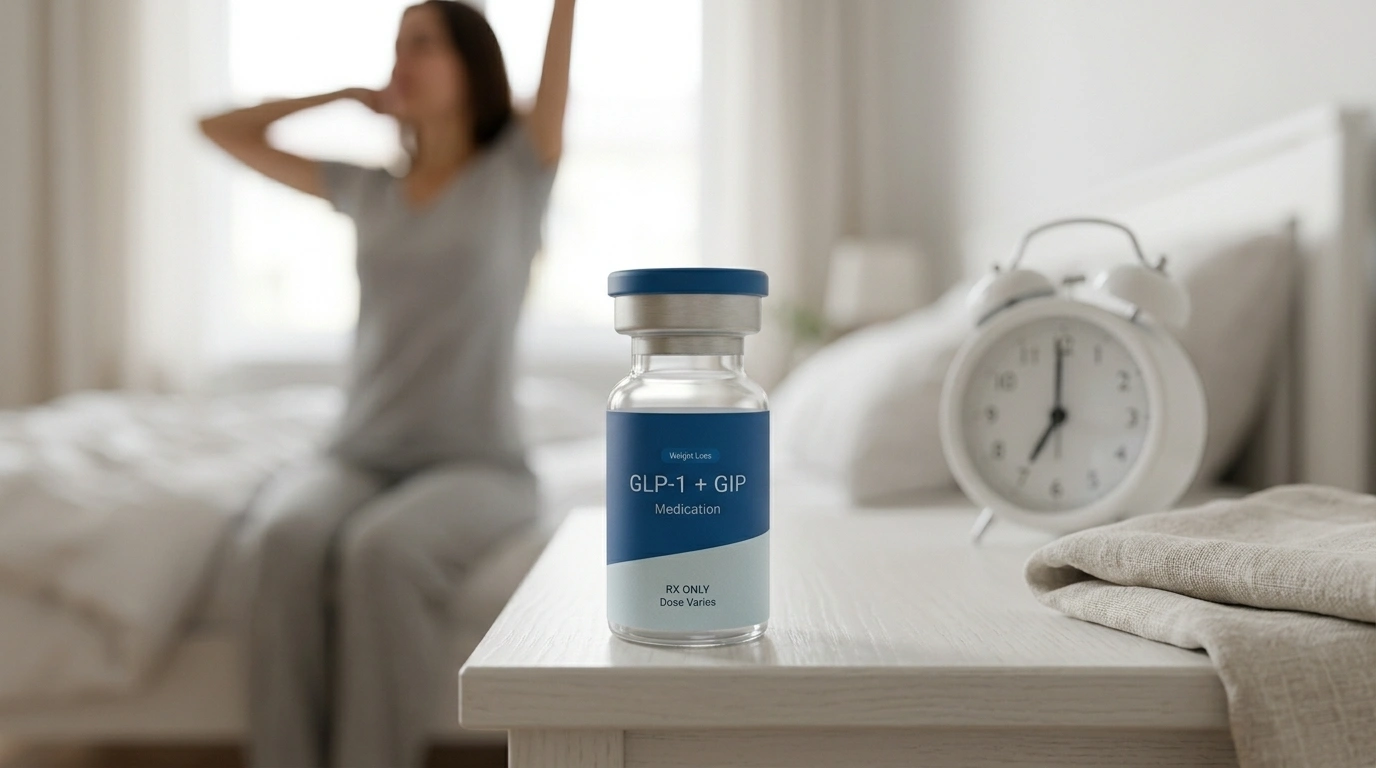
To understand why fast food feels different on Mounjaro®, it helps to understand what the medication is doing inside your body. Mounjaro® is a dual agonist that targets two specific receptors: glucagon-like peptide-1 (GLP-1) and glucose-dependent insulinotropic polypeptide (GIP). These are hormones your body naturally produces to regulate hunger, fullness, and blood sugar.
When these receptors are activated, your body experiences a significant slowing of “gastric emptying.” This means that the food you eat stays in your stomach for a much longer period than it used to. This is a primary reason why you feel full for hours after a small meal. However, this physiological change also means that if you eat something difficult to digest—like heavy, greasy, or ultra-processed fast food—it sits in your stomach longer, which can lead to discomfort.
For a deeper explanation, read about how GLP-1 medications slow digestion.
Key Takeaway: Mounjaro® slows down your digestion process, meaning heavy or fried foods stay in your stomach longer and are more likely to cause gastrointestinal upset.
The Reduction of “Food Noise”
One of the most profound changes our patients report is the quietening of “food noise.” This term describes the constant, intrusive thoughts about food, cravings, and the next meal that often plague those struggling with weight. Because the medication helps regulate the brain’s reward centers, the intense pull of a salty fry or a sugary milkshake often diminishes.
You may find that you no longer “need” the fast food in the same way you once did. This mental clarity allows you to look at a menu and make a logical choice based on nutrition rather than an emotional choice based on a craving.
The Physical Risks of High-Fat Fast Food
While you technically can eat fast food, doing so frequently or in large quantities can trigger side effects. Because your stomach is emptying slowly, high-fat foods can become a major trigger for nausea, vomiting, and acid reflux.
Fat is slow to digest under normal circumstances. When you add a medication that further delays digestion, a high-fat meal can feel like a “brick” in your stomach. This can lead to:
- Nausea: The most common side effect reported by individuals on GLP-1 and GIP medications.
- Heartburn and Reflux: As food sits in the stomach, acid production can increase, causing a burning sensation in the chest or throat.
- Bloating and Gas: When ultra-processed carbohydrates and fats linger, they can ferment slightly, leading to uncomfortable pressure.
- Diarrhea or Constipation: Fast food is notoriously low in fiber. Combined with slowed motility, this can lead to significant digestive irregularities.
For more practical strategies, see this guide to managing nausea on GLP-1 medications.
Note: If you experience severe or persistent vomiting or abdominal pain after eating, you should contact a healthcare provider immediately.
Navigating the Fast Food Menu
If you find yourself at a fast-food restaurant, you do not have to skip the meal entirely. The key is to look for “protein-first” options that are grilled rather than fried. Protein is essential when losing weight to help preserve lean muscle mass.
For broader nutrition guidance, review what to eat while taking a GLP-1 medication.
Better Choices for Breakfast
Breakfast is often the easiest meal to navigate at most chains. Look for items that include eggs and lean proteins like Canadian bacon or turkey sausage.
- Egg-based sandwiches: An egg muffin with lean ham is often a solid choice.
- Oatmeal: Many chains offer oatmeal with fruit, which provides much-needed fiber.
- Skip the hash browns: These are usually deep-fried and high in oxidized fats that may trigger nausea.
Smart Lunch and Dinner Picks
When ordering lunch or dinner, your goal should be to minimize “hidden” fats found in heavy sauces and breading.
- Grilled over Fried: Always choose grilled chicken over crispy or breaded chicken. The breading absorbs a significant amount of oil during the frying process.
- The Burger Strategy: If you want a burger, consider a single patty without the extra cheese or bacon. Some people find that removing half the bun or eating it “protein style” (wrapped in lettuce) helps prevent the heavy feeling of refined carbohydrates.
- Sides Matter: Instead of large fries, look for apple slices, side salads, or baked potatoes. If you must have fries, order the smallest size available and share them.
For a more specific look at eating choices, read what to eat with Mounjaro-related nausea.
Hydration and Beverages
Mounjaro® and similar medications can sometimes decrease your thirst cues along with your hunger cues. Fast food is typically very high in sodium, which can lead to dehydration if you aren’t careful.
Always opt for water, seltzer, or unsweetened iced tea. Sugary sodas and milkshakes can cause rapid blood sugar spikes. Because the medication is working to stabilize your glucose, flooding your system with liquid sugar can lead to “dumping syndrome” symptoms, such as dizziness, nausea, and rapid heartbeat.
Managing Your Portions and Satiety
One of the most important skills to learn while on this medication is listening to your body’s “stop” signal. Because the stomach empties so slowly, the window between “I’m starting to feel full” and “I’m painfully stuffed” is very small.
Eat slowly. Fast food is designed to be eaten quickly. It is soft, hyper-palatable, and easy to chew. When taking Mounjaro®, you must consciously slow down. Take a bite, put the sandwich down, and wait. It takes your brain time to receive the signal from your gut that you have had enough.
Learn more about effective nausea-management strategies for GLP-1 medications.
Quick Answer: You can eat fast food on Mounjaro®, but you should focus on grilled proteins, smaller portions, and plenty of water to avoid common side effects like nausea and bloating.
The Role of Personalized Support
Navigating dietary choices is easier when you have a plan tailored to your specific needs. At TrimRx, we connect you with licensed providers who understand that weight loss is not just about a prescription; it is about the lifestyle that surrounds it.
Our programs are designed to be telehealth-first, meaning you get the medical supervision and support you need without the hassle of a waiting room. Whether you are using Compounded Semaglutide, Compounded Tirzepatide, or a branded medication, our goal is to help you build habits that last long after your treatment ends. If you are ready to explore whether a supervised program may fit your needs, you can complete a free eligibility assessment.
Note: Compounded medications are prepared and shipped by FDA-registered, inspected compounding pharmacies, but they are not themselves FDA-approved.
Why Quality of Food Still Matters
It is tempting to think that because the medication reduces your appetite, you can eat anything as long as you eat less of it. While this might lead to weight loss in the short term, it can lead to nutrient deficiencies and muscle loss in the long term.
Focus on Nutrient Density. Every calorie counts more when you are eating fewer of them. If a large portion of your limited daily intake comes from fast food, you may miss out on essential vitamins, minerals, and fiber. This is why we often recommend supplements like our GLP-1 Daily Support to help fill the nutritional gaps that can occur during a reduced-calorie diet.
The Importance of Fiber
Most fast food is devoid of fiber. Fiber is your best friend when taking a medication that slows down your gut. It helps keep things moving and prevents the constipation that many patients experience. If you do eat fast food, try to balance it out with a high-fiber meal later in the day, consisting of leafy greens, berries, or legumes.
Strategies for Success in the Real World
We know that life happens. There will be road trips, busy soccer practices, and late nights where fast food is the only option. Here is a step-by-step approach to handling those moments:
Step 1: Check the menu ahead of time. Use your phone to look at the nutritional information. Focus on the protein and fiber content. Step 2: Order the smaller version. Your appetite is likely lower anyway. A child’s meal or a “junior” burger is often more than enough to satisfy your hunger without overstuffing your stomach. Step 3: Skip the “value” upgrades. Do not be swayed by the offer to “make it a meal” for a few cents more. You likely won’t finish the extra food, and the temptation to overeat can lead to physical discomfort later. Step 4: Hydrate immediately. Drink a full glass of water before and after your meal to help your body process the extra sodium.
Understanding the Difference: Compounded vs. Branded
In your research, you may see names like Mounjaro®, Zepbound®, Wegovy®, and Ozempic®. These are branded medications that have been FDA-approved for specific uses like Type 2 diabetes or chronic weight management.
Due to high demand and shortages, many people turn to compounded versions. Compounded Tirzepatide and Compounded Semaglutide are personalized medications mixed by licensed pharmacists. While these are made in FDA-registered facilities, it is important to remember they are not the branded products themselves. At TrimRx, we facilitate access to these medications through our platform, ensuring you are matched with the right treatment path for your medical history and goals.
If you want to discuss whether a personalized treatment path may be appropriate, you can start with the free assessment.
Managing Cravings and “Slip-Ups”
If you eat a heavy fast-food meal and feel terrible afterward, do not view it as a failure. View it as data. Your body is providing immediate feedback on what it can and cannot handle while on this medication.
Myth: “I can’t lose weight if I eat fast food once in a while.” Fact: Sustainable weight loss is about the average of your choices over time. One meal does not define your journey, but how you respond to that meal does.
Many patients find that after a few months on the medication, their desire for fast food naturally disappears. The grease starts to smell unappealing, and the heavy feeling after eating becomes something they want to avoid. This is a sign that your body is recalibrating its preferences toward whole, fresh foods.
Building a Supportive Environment
Success on a weight loss program is rarely a solo effort. It requires the right tools, the right medication, and the right guidance. Our mission is to provide a transparent, science-backed platform where you can access personalized treatment without hidden fees or confusing medical jargon.
We believe that by merging clinical expertise with modern technology, we can help you move past the cycle of failed diets. Whether you are just starting your journey or looking to optimize your current results, our dedicated team of specialists is available 24/7 to support you.
The Bottom Line on Fast Food
You do not have to live in a world of “never” and “always.” You can eat fast food on Mounjaro®, but your body will likely demand that you do it differently than before. By prioritizing protein, choosing smaller portions, and staying hydrated, you can navigate real-world food situations while continuing to see progress toward your health goals.
The goal is not to be perfect; the goal is to be better. Each choice you make is an opportunity to learn more about how your body works and what it needs to thrive.
If you would like to find out whether a personalized weight loss program is a fit, take the free assessment quiz.
FAQ
Will eating fast food stop Mounjaro from working?
One fast-food meal will not stop the medication from working, as it functions on a hormonal level over time. However, consistently eating high-calorie, low-nutrient food can make it harder to maintain the calorie deficit needed for weight loss and may increase the frequency of side effects.
What is the best thing to order at a burger chain?
The best option is usually a grilled chicken sandwich without mayo or a single hamburger patty wrapped in lettuce. These choices provide the protein your body needs while minimizing the heavy fats and refined sugars that often cause nausea and bloating on this medication.
Why does fast food make me so much more nauseous now?
Mounjaro® slows down your digestion, meaning food stays in your stomach longer. High-fat “fast” foods are naturally difficult to break down, and when they sit in your stomach for an extended period, they can trigger acid reflux and intense nausea. For additional background, read why tirzepatide can cause nausea.
Can I drink soda with my fast food meal?
It is generally better to avoid sugary sodas while on this medication. The high sugar content can cause rapid changes in blood glucose that may lead to dizziness or increased nausea; instead, focus on water or unsweetened beverages to help your body manage the high sodium found in fast food.
Disclaimer: This content is for informational purposes only and does not constitute medical advice. It is not intended to diagnose, treat, cure, or prevent any disease or condition. Individual results may vary. Always consult a qualified healthcare professional before starting any weight loss program or medication.

Transforming Lives, One Step at a Time
Keep reading

Mounjaro Alternatives: What Else to Consider
If Mounjaro isn’t the right fit, the closest alternatives are other GLP-1 medications, chiefly semaglutide (Ozempic for diabetes, Wegovy for weight), along with a…

Mounjaro vs Zepbound: Same Drug, Two Brands
Like their semaglutide counterparts, Mounjaro and Zepbound are the same medication (tirzepatide) sold under two names for two purposes: Mounjaro is approved for type…

Retatrutide vs Mounjaro: Triple Agonist vs Dual Agonist
The core difference between retatrutide and Mounjaro comes down to how many hormone targets each hits: retatrutide activates three receptors, while Mounjaro (tirzepatide) activates…


