Can You Eat Soup on Mounjaro? Best Choices for Weight Loss
Introduction
Starting a weight loss journey with a GLP-1 medication often changes your relationship with food almost overnight. You might find that your favorite heavy meals suddenly feel overwhelming, or that you are searching for something comforting that won’t trigger nausea. If you have wondered whether you can eat soup on Mounjaro®, the answer is a resounding yes. In fact, we believe soup is one of the most effective tools in your nutritional toolbox while navigating the changes that come with tirzepatide. At TrimRx, we understand that managing your diet while on medication requires a shift in strategy to ensure you are getting the nutrients your body needs in a way it can actually tolerate. This article covers why soup is an ideal meal choice, which ingredients support your goals, and how to use it to manage common side effects.
If you’re wondering whether a GLP-1 program is the right fit for you, the free assessment quiz is a simple place to start.
Why Soup is an Ideal Choice on Mounjaro
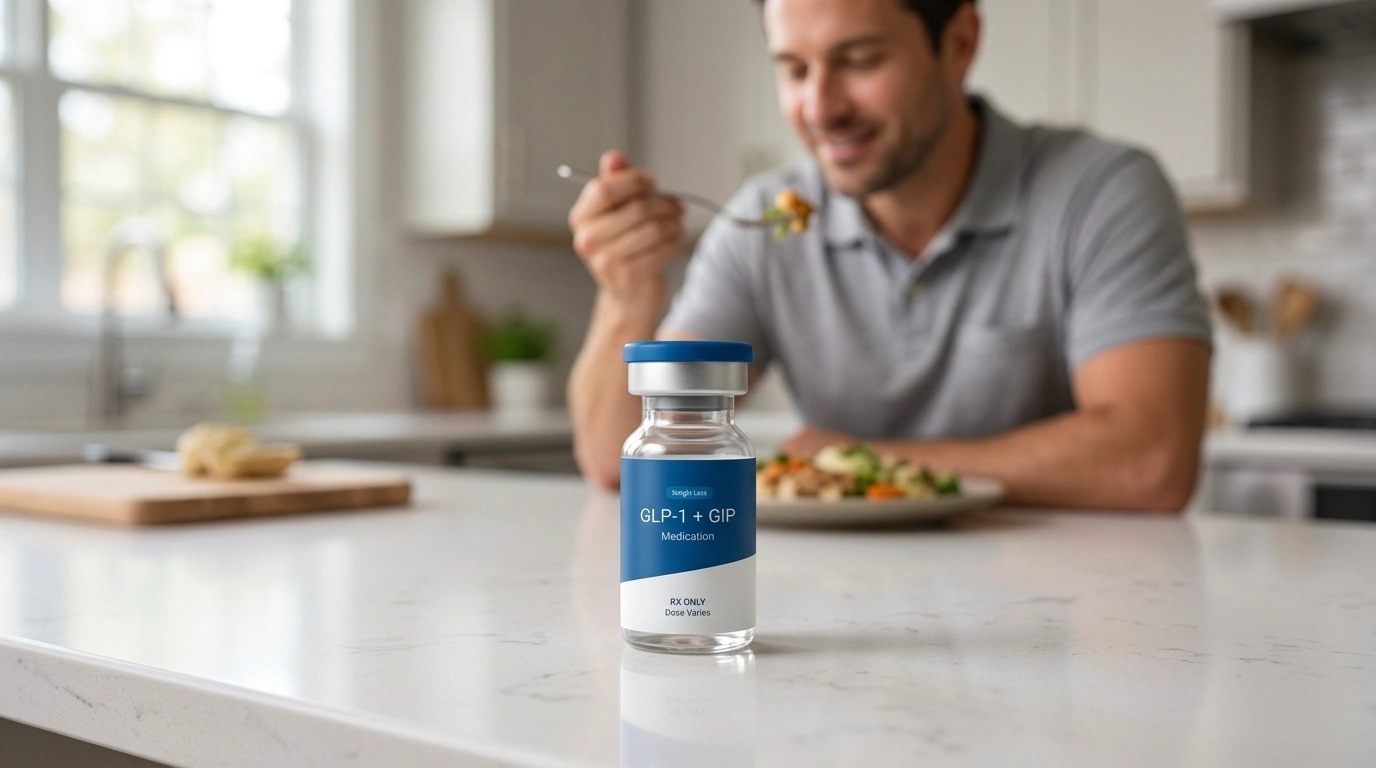
When you use a medication like Mounjaro® or tirzepatide, your body undergoes significant changes in how it processes food. Tirzepatide is a dual agonist that targets both GLP-1 (glucagon-like peptide-1) and GIP (glucose-dependent insulinotropic polypeptide) receptors. These hormones slow down gastric emptying, which means food stays in your stomach longer. This is why you feel full so quickly.
Soup fits perfectly into this new physiological landscape because it is “pre-hydrated” and often easier for the stomach to break down than dense, solid foods. Because it combines liquids and solids, soup allows you to consume essential vitamins and minerals without feeling like you are forcing a heavy meal.
Quick Answer: Yes, you can and should eat soup on Mounjaro. It is an excellent way to maintain hydration, manage early fullness, and ensure you are getting lean protein and fiber in an easy-to-digest format.
For a deeper look at how tirzepatide can affect digestion and comfort, see our tirzepatide side effects guide.
Managing Side Effects with Targeted Soup Choices
One of the most common hurdles people face when starting their program is gastrointestinal discomfort. Nausea, bloating, and occasional indigestion are frequent as the body adjusts to the medication. We often hear from our members that they struggle to look at a full plate of food when these symptoms peak.
Using Soup to Combat Nausea
If you are experiencing a “queasy” stomach, clear broths are your best friend. A simple bone broth or a light ginger-infused vegetable soup can settle the stomach while providing electrolytes. Ginger has natural anti-nausea properties that work well alongside the appetite-regulating effects of the medication.
Preventing Constipation
Slower digestion can sometimes lead to constipation, a known side effect for many on GLP-1 treatments. Soups that are high in soluble fiber can help keep things moving. Ingredients like lentils, beans, and leafy greens like spinach or kale provide the bulk necessary for healthy digestion. When these fibers are cooked down in a soup, they are often gentler on the digestive tract than raw salads.
If constipation is already part of your routine, our constipation guide for tirzepatide users offers more context.
Staying Hydrated
It is remarkably easy to forget to drink enough water when you aren’t feeling hungry. Since soup is primarily water-based, it contributes significantly to your daily fluid intake. Maintaining hydration is critical to preventing the fatigue and headaches that can sometimes accompany rapid weight loss.
The Protein Priority in Your Soup
A major concern during weight loss is the potential loss of muscle mass. When you eat less, your body may look to muscle tissue for energy if you aren’t consuming enough protein. This is why we emphasize protein-forward meals for all our participants at TrimRx.
When selecting or making a soup, it should not just be a bowl of flavored water. It needs to be a functional meal. Look for “protein-packed” options such as:
- Shredded chicken breast or lean turkey.
- Lentils, chickpeas, or black beans.
- Tofu or edamame.
- Bone broth as a base.
Key Takeaway: To protect your muscle mass and keep your metabolism active, aim for at least 20–30 grams of protein in your main soup meal. This helps ensure your weight loss comes primarily from fat stores.
If you want more background on appetite changes and digestion during treatment, our GLP-1 side effects overview is a helpful next read.
What to Look for vs. What to Avoid
Not all soups are created equal. Some can actually make your symptoms worse or stall your progress.
Soups to Embrace
- Clear, Broth-Based Soups: Think chicken noodle (with whole grain noodles), minestrone, or miso. These are hydrating and low in fat.
- Pureed Vegetable Soups: Cauliflower, butternut squash, or broccoli soups are excellent for getting multiple servings of vegetables in one bowl.
- Chunky Vegetable and Bean Soups: These provide the fiber needed to support gut health.
Soups to Limit or Avoid
- Heavy Cream-Based Soups: Creams like New England Clam Chowder or Broccoli Cheddar can be very high in fat. High-fat meals often sit heavily in the stomach and can trigger significant nausea or diarrhea when taking Mounjaro®.
- High-Sodium Canned Soups: Excessive salt can lead to water retention and bloating, making it harder to track your actual fat loss progress on the scale.
- Soups with Sugary Additives: Some processed tomato soups or “sweet” vegetable soups contain added sugars that can cause blood sugar spikes.
If you’re looking for a broader side-effect overview that ties these symptoms together, our tirzepatide side effects article covers the most common patterns.
Myth: You should only eat soup to lose weight on Mounjaro. Fact: While soup is a great tool, your body still needs a variety of textures and whole foods to maintain a healthy gut microbiome and long-term metabolic health. Use soup as a strategy, not a total meal replacement.
How the TrimRx Program Supports Your Choices
Navigating nutritional choices can feel like a full-time job, especially when you are also managing a new medication. Our mission is to make this process as simple as possible. Through our telehealth platform, we connect you with licensed providers who understand the nuances of GLP-1 and GIP receptor agonists.
When you join a personalized program through us, you aren’t just getting a prescription. You are getting a support system. If you find that certain foods—like heavy soups—are making you feel unwell, you have access to a team that can help you adjust your approach. Our providers can help you determine if your symptoms are a normal part of the adjustment period or if a dosage change might be necessary.
If you’re ready to see whether a personalized program makes sense for you, you can complete the free assessment quiz and take the next step.
Practical Tips for Soup Success
If you are ready to make soup a staple in your routine, follow these steps to maximize your results:
Step 1: Focus on the “Balanced Plate” in a Bowl. Just because it is in a bowl doesn’t mean the rules of nutrition change. Ensure half of your soup volume is vegetables, one-quarter is lean protein, and one-quarter is a complex carbohydrate like beans or quinoa.
Step 2: Watch the Portion Size. Because your stomach empties more slowly, a “normal” bowl of soup might feel like a Thanksgiving feast halfway through. Start with a smaller portion than you think you need. You can always have more in an hour if you are still hungry.
Step 3: Spice for Digestion, Not Just Flavor. Incorporate turmeric and ginger into your recipes. Turmeric has anti-inflammatory properties, and ginger aids in moving food through the digestive tract, which can be helpful when the medication is slowing things down.
Step 4: Mind the Temperature. Some people on tirzepatide find that very hot liquids trigger a “full” sensation too quickly or cause mild reflux. Letting your soup cool to a warm, comfortable temperature can make it easier to finish your serving.
Comparing Soup Types for Weight Loss
| Soup Type | Best For | Potential Drawback |
|---|---|---|
| Bone Broth | High protein, gut health, nausea. | Low in fiber and calories. |
| Lentil/Bean | High fiber, satiety, steady energy. | Can cause gas if not used to high fiber. |
| Chicken Vegetable | Balanced macros, classic comfort. | Canned versions are often high in salt. |
| Cream of Mushroom | Flavor, satisfying texture. | Often too high in fat for GLP-1 users. |
Maximizing Your Journey with Supplements
While soup provides a great foundation, sometimes the body needs a little extra help to stay optimized during rapid weight loss. At TrimRx, we offer quick-access supplements that do not require a prescription.
Our Weight Loss Boost supplement can provide metabolic support when you want help maintaining energy levels, even on days when you are sticking to lighter meals like soup. These can be purchased directly through our site to complement your personalized program.
Why Quality and Source Matter
Whether you are using a branded medication like Mounjaro® or a compounded version, the source of your care is vital. We focus on clinical oversight and a streamlined support experience so you can stay focused on the daily habits that matter most—like choosing the right soups, balancing protein, and paying attention to how your body responds.
Conclusion
Soup is more than just a meal; it is a strategic asset for anyone on a Mounjaro® weight loss journey. By choosing high-protein, fiber-rich, and low-fat options, you can effectively manage side effects like nausea and constipation while staying hydrated and satisfied. We encourage you to listen to your body’s new cues and use these easy-to-digest meals to support your long-term success.
Our approach at TrimRx is rooted in the belief that weight loss should be sustainable, science-backed, and deeply personal. We are here to guide you through every meal choice and every dosage adjustment. If you are ready to take the next step toward a healthier version of yourself, take the free assessment quiz.
Bottom line: Soup provides the perfect balance of hydration and nutrition for the slowed digestion of a GLP-1 program, making it a “must-have” on your weekly menu.
FAQ
What is the best soup for nausea on Mounjaro?
The best soup for nausea is usually a clear, simple broth, such as chicken or vegetable bone broth. Adding fresh ginger or a squeeze of lemon can further help settle the stomach and provide necessary electrolytes without adding fat that might worsen the queasiness.
If nausea is a major concern for you, the tirzepatide side effects guide explains why it happens and what usually helps.
Can I eat creamy soups like Broccoli Cheddar while on Mounjaro?
While you can eat them in small amounts, creamy soups are often very high in fat, which can trigger nausea or diarrhea due to the slowed digestion caused by Mounjaro®. It is generally better to choose pureed vegetable soups that use a small amount of Greek yogurt or blended potatoes for creaminess instead of heavy cream.
Does soup help with the “fullness” feeling on Mounjaro?
Yes, soup can actually help you manage the sensation of being full very quickly. Because soup has a high water content, it takes up more space in the stomach for fewer calories, but it is also easier to sip slowly, allowing you to stop the moment you feel comfortably satiated.
Should I avoid high-sodium soups?
Yes, it is best to choose low-sodium options or make your soup at home to control the salt content. High sodium can cause water retention and bloating, which might make you feel uncomfortable and can mask your true weight loss progress on the scale.
If constipation tends to show up alongside bloating, our guide to tirzepatide-related constipation may be useful.
Disclaimer: This content is for informational purposes only and does not constitute medical advice. It is not intended to diagnose, treat, cure, or prevent any disease or condition. Individual results may vary. Always consult a qualified healthcare professional before starting any weight loss program or medication.

Transforming Lives, One Step at a Time
Keep reading

Mounjaro Alternatives: What Else to Consider
If Mounjaro isn’t the right fit, the closest alternatives are other GLP-1 medications, chiefly semaglutide (Ozempic for diabetes, Wegovy for weight), along with a…

Mounjaro vs Zepbound: Same Drug, Two Brands
Like their semaglutide counterparts, Mounjaro and Zepbound are the same medication (tirzepatide) sold under two names for two purposes: Mounjaro is approved for type…

Retatrutide vs Mounjaro: Triple Agonist vs Dual Agonist
The core difference between retatrutide and Mounjaro comes down to how many hormone targets each hits: retatrutide activates three receptors, while Mounjaro (tirzepatide) activates…


