What to Do With an Empty Ozempic Pen: Safe Disposal Guide
Introduction
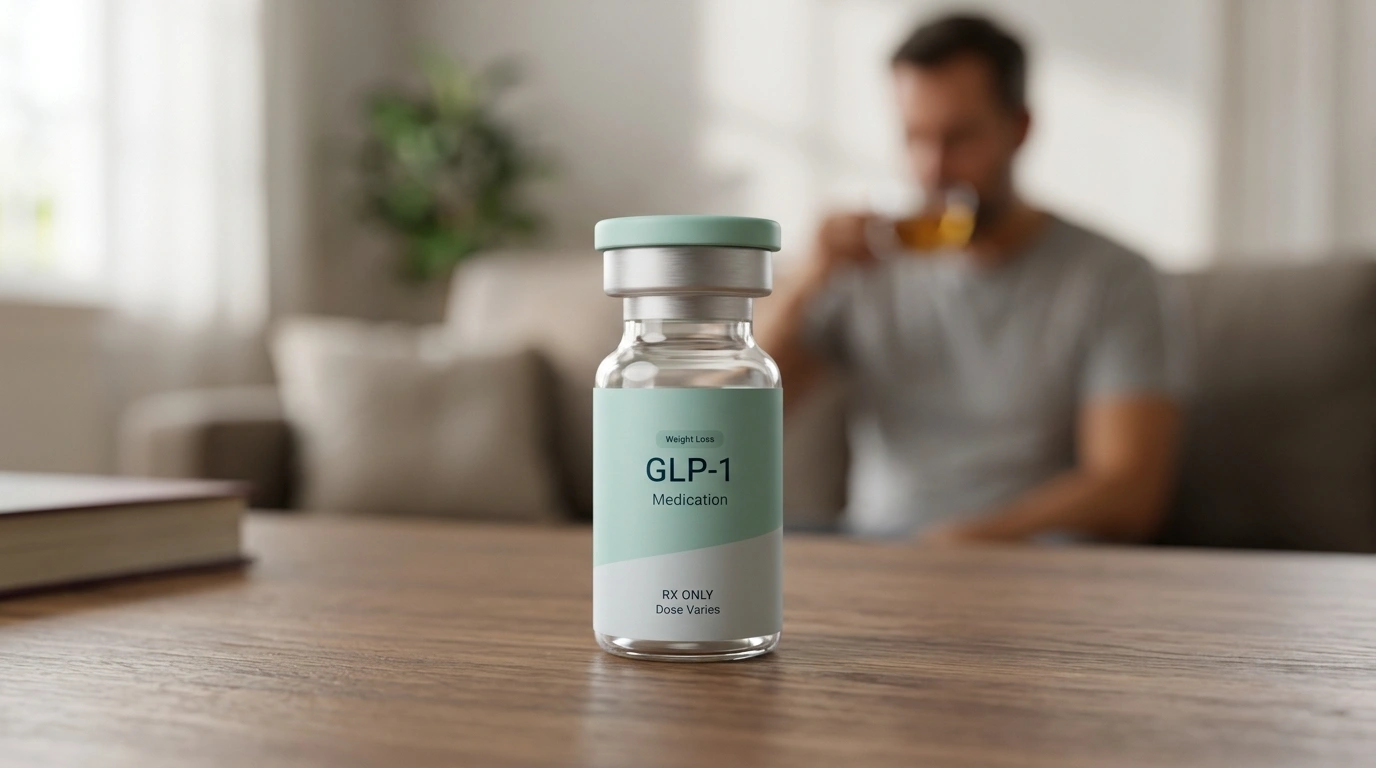
Finishing your first month of medication feels like a major milestone in your weight loss journey. You have stayed consistent, followed your schedule, and now you are left holding a plastic device that has done its job. However, once the dose window shows zero, many people find themselves standing over their kitchen trash can, wondering if they can simply toss it in. Proper disposal of medical waste is just as important as the treatment itself. At TrimRx, we believe that understanding the full lifecycle of your medication helps you stay safe and protects those around you. This post covers the specific steps for disposing of your used needles and pen devices while following local and federal safety guidelines. Safe medical waste management ensures your health journey remains responsible from the first dose to the final disposal.
Quick Answer: An empty Ozempic® pen and its needles should never be thrown in regular household trash or recycling. The needles must go into an FDA-cleared sharps container or a heavy-duty plastic household container with a secure lid. The pen device itself is typically treated as medical waste and should be disposed of according to your local community guidelines.
Understanding Why Proper Disposal Matters
When you finish a GLP-1 (glucagon-like peptide-1) receptor agonist like Ozempic®, you are dealing with two distinct types of waste. First, there is the needle, which is a “sharp.” Second, there is the pen device, which is a multi-use mechanical injector made of plastic and metal components. For additional context on safe handling, review this guide to safely disposing of an empty Ozempic pen.
Throwing these items in the regular trash creates significant risks for sanitation workers and community members. Needles can easily puncture trash bags, potentially exposing workers to needle-stick injuries and bloodborne pathogens. Even if you are the only person using the medication, any needle used on a human body is considered biohazardous waste.
Beyond physical safety, there is the environmental factor. These pens are not standard household plastics. They contain complex mechanisms and may have trace amounts of medication left inside. Following the correct disposal path ensures that these materials are handled by facilities equipped to process medical waste safely.
How to Know Your Ozempic Pen Is Empty
Before you begin the disposal process, you must confirm the pen is actually finished. It is common to see a small amount of liquid still visible in the reservoir even after the final dose. This is normal and does not mean the pen is defective. You can also review this guide to recognizing an empty Ozempic pen for another explanation of the signs to look for.
Check the Dose Counter
The most reliable way to know your pen is empty is by looking at the dose counter. When you try to turn the dose selector for your next injection, it will not move past zero. The mechanical stop prevents you from dialing a partial dose. If you cannot dial the full dose your provider prescribed, the pen is considered spent.
Observe the Plunger
You can also look at the clear window on the side of the pen. The rubber plunger moves forward as you use the medication. When the pen is empty, the plunger will be at the very end of the reservoir, near the needle attachment point.
Key Takeaway: If the dose selector does not let you turn it to your prescribed dose, the pen is empty. Do not try to force the dial or “save” small droplets remaining in the reservoir.
Managing the Used Needles (Sharps)
The needle is the most hazardous part of the disposal process. In the United States, “sharps” is a medical term for any device with sharp points or edges that can puncture or cut skin. This includes the needles used with Ozempic®, Wegovy®, or compounded semaglutide. For a related walkthrough, see this step-by-step guide to disposing of Ozempic pens and needles.
Using an FDA-Cleared Sharps Container
The Gold Standard for safety is an FDA-cleared sharps disposal container. These are typically made of puncture-resistant plastic and come with a leak-resistant, locking lid. You can often find these at local pharmacies, medical supply stores, or through online retailers.
When using a sharps container:
- Place the needle into the container immediately after use.
- Do not try to recap the needle, as this is when most accidental sticks occur.
- Keep the container upright to prevent leaks.
- Never overfill the container; most have a “full” line at the three-quarters mark.
Household Alternatives for Sharps Disposal
If you do not have an FDA-cleared container, you can use a heavy-duty plastic household container. This is a safe and legal alternative in many jurisdictions, provided the container meets specific criteria.
Step 1: Choose the Right Container. Use a container made of heavy-duty plastic, such as an empty laundry detergent bottle or liquid fabric softener bottle. Do not use glass, as it can break, or thin plastics like water bottles, which needles can easily pierce.
Step 2: Label the Container. Clearly write “WARNING: SHARPS – DO NOT RECYCLE” on the outside of the bottle using a permanent marker. This prevents anyone from accidentally opening the container or tossing it into a recycling bin.
Step 3: Secure the Lid. Once the container is about three-quarters full, screw the cap on tightly. Use heavy-duty tape, like duct tape, to wrap around the cap and the neck of the bottle to ensure it stays sealed.
What to Do With the Pen Device Itself
While the needle must always go into a sharps container, the rules for the pen device (the “body” of the injector) vary slightly depending on where you live.
Myth: The plastic Ozempic® pen can be tossed into my blue recycling bin with my water bottles.
Fact: You should never put medication pens in household recycling. They are made of multiple materials that standard recycling centers cannot separate, and they are classified as medical waste.
In most states, the empty pen body can be placed in the same sharps container as your needles. This is the simplest way to manage your waste. However, if your sharps container is small and you need to save space, some local guidelines allow the pen body (with the needle removed) to be placed in the regular household trash.
Check Local Regulations
To be absolutely sure, you should visit the website for your local waste management authority. Search for “medical waste disposal” or “sharps disposal” followed by your city or county name. Some areas have specific requirements for the plastic components of injection devices.
Where to Dispose of Your Full Sharps Container
Once your sharps container—whether it is a professional red box or a taped-up detergent bottle—is full, you cannot just put it out with the weekly trash in many areas. You must follow a safe disposal path. If you are still deciding whether prescription treatment is appropriate for you, you can complete a free eligibility assessment.
1. Local Drop-off Sites
Many communities have designated collection sites for sharps. These may include:
- Local hospitals or clinics
- Pharmacies that participate in take-back programs
- Police or fire stations
- Medical waste collection centers
2. Household Hazardous Waste (HHW) Collection
Some municipalities host “Hazardous Waste Days” where residents can bring items like paint, batteries, and medical sharps for professional disposal. Check your local government’s calendar for these events.
3. Mail-Back Programs
If you live in a rural area or prefer the convenience of home pickup, many companies offer mail-back services. You purchase a specific container, and when it is full, you use a pre-paid shipping box to send it to a medical waste facility. This ensures the waste is incinerated or sterilized according to federal standards.
Manufacturer and Pharmacy Programs
Some pharmaceutical manufacturers offer specific programs to help with the environmental impact of their devices. For example, Novo Nordisk has previously trialed programs like “PenCycle” in certain regions to encourage the recycling of pen materials.
While these programs are not available everywhere, it is worth checking the official website for the medication you are taking. Some programs provide free sharps containers to patients or offer a map of participating pharmacies that will accept used pens for recycling.
At TrimRx, our focus is on your total health experience. We connect you with licensed providers who can prescribe personalized weight loss treatments, including compounded medications shipped from FDA-registered, inspected compounding pharmacies. These pharmacies often provide guidance on the specific disposal needs of the supplies they include with your program.
Safety Precautions for Your Home
Managing medical waste requires a few “house rules” to keep everyone safe, especially if you have children or pets.
Store Containers Out of Reach
Always keep your sharps container in a high cabinet or a locked closet. Children are naturally curious, and the colorful parts of a pen or the “box” might look like a toy.
Never Flush Needles or Pens
It might seem like a quick way to get rid of something, but you should never flush needles or pens down the toilet. This can damage plumbing and introduces medical waste directly into the water system, creating a public health hazard.
Do Not Reuse Needles
An empty pen often comes with several needles. Once a needle is used, it is dull and potentially contaminated. Even if you are the only one using the pen, reusing a needle increases your risk of skin infections and makes the injection more painful. Dispose of the needle immediately after every single use.
Bottom line: Safety starts at home. Use a dedicated container, label it clearly, and keep it in a secure location until it is ready for professional disposal.
The Environmental Impact of GLP-1 Waste
The rise of GLP-1 medications has been a breakthrough for metabolic health, but it has also led to an increase in medical device waste. Millions of pens are used every year. When these pens are disposed of incorrectly, they contribute to the “medical plastic” problem in landfills.
By following the correct disposal channels, you are supporting a system that often involves incineration. High-heat incineration is the preferred method for medical waste because it destroys pathogens and reduces the volume of waste by up to 90%. Some advanced facilities are even able to recover energy from this process.
Taking the extra five minutes to find a drop-off site or set up a mail-back program is a small act that has a large positive impact on your local environment. It reflects the same care and discipline you are applying to your own health and weight loss goals.
Starting Your Journey Safely
If you are just beginning to explore medical weight loss options, the logistics of needles and pens can feel overwhelming. Whether you are interested in Ozempic®, Wegovy®, or compounded alternatives, the process is manageable once you have the right information.
Our platform is designed to take the guesswork out of the process. We provide a telehealth-first experience where you can take the free assessment quiz to determine your eligibility for a personalized program. Our partner providers oversee your care, and our team is available to help you navigate every step—including how to manage your supplies.
We offer access to:
- Compounded Semaglutide
- Oral Semaglutide
- Compounded Tirzepatide
- Oral Tirzepatide
- Branded options like Mounjaro® or Zepbound® (prescribed by providers and filled at your local pharmacy)
Beyond prescriptions, we offer supplements like GLP-1 Daily Support to help manage your nutrition while on these medications. Our goal is to ensure you feel supported, from your very first dose to the moment you dispose of your empty pen.
Conclusion
Safe disposal is the final, essential step of your weekly medication routine. By using a sharps container for your needles and following local guidelines for your pen body, you protect your family, your community, and the environment. Remember that medical waste should never go in your blue recycling bin or be tossed loosely into the trash. Taking these precautions ensures that your weight loss journey is safe for everyone involved.
At TrimRx, we are committed to helping you navigate the complexities of modern weight loss with science, empathy, and clear guidance. We provide the tools and medical connections you need to succeed, ensuring your path to health is sustainable and responsible.
Your Next Steps:
- Locate a heavy-duty plastic container to start your sharps collection.
- Search for “sharps disposal” on your local county website.
- Label your container clearly with a permanent marker.
- If you are ready to begin or continue your journey with professional support, take our free assessment quiz to explore personalized program options.
FAQ
Can I throw my empty Ozempic pen in the regular trash?
No, you should never throw an empty Ozempic® pen or its needles in the regular household trash. Used needles are considered biohazardous sharps and must be placed in a puncture-resistant container to prevent injury to others. The pen body itself is also considered medical waste and should be disposed of according to your local community’s health and safety regulations.
Are Ozempic pens recyclable?
Ozempic® pens are not recyclable through standard household or municipal recycling programs. They are made of a combination of plastic, metal, and mechanical parts that cannot be processed by consumer recycling facilities. Furthermore, because they are medical devices that have been in contact with medication, they must be handled through specialized medical waste channels.
What should I do if I don’t have a red sharps container?
If you do not have an FDA-cleared sharps container, you can use a heavy-duty household plastic bottle, such as a laundry detergent or bleach container. Ensure the plastic is thick enough to prevent punctures, screw the lid on tight, and seal it with duct tape. Clearly label the outside of the bottle with “SHARPS – DO NOT RECYCLE” before taking it to a designated drop-off site.
Where can I find a place to drop off my full sharps container?
You can find disposal locations by visiting the website for your local waste management authority or the “Safe Needle Disposal” national database. Many pharmacies, hospitals, and fire stations also serve as collection points, though you should always call ahead to confirm their current policies. Some areas also offer mail-back programs for a convenient at-home solution. If you are exploring treatment options, you can see whether you qualify for a personalized program.
Disclaimer: This content is for informational purposes only and does not constitute medical advice. It is not intended to diagnose, treat, cure, or prevent any disease or condition. Individual results may vary. Always consult a qualified healthcare professional before starting any weight loss program or medication.

Transforming Lives, One Step at a Time
Keep reading

Weekly Client Dinners on Ozempic: A Plan for Recurring Work Meals
Managing one difficult dinner is a matter of ordering well. Managing four a week indefinitely is a different problem, because anything that relies on…
How to Keep an Ozempic Routine on Rotating Shifts
The good news is that the injection is the easiest part of this. Semaglutide is dosed weekly and has a long duration of action,…
Was Your Weight Gain Really Menopause? What Ozempic Working Tells You
It tells you almost nothing about the cause, and that is worth understanding before you draw conclusions about the last several years. A treatment…


