How Long Will an Ozempic Pen Last?
Introduction
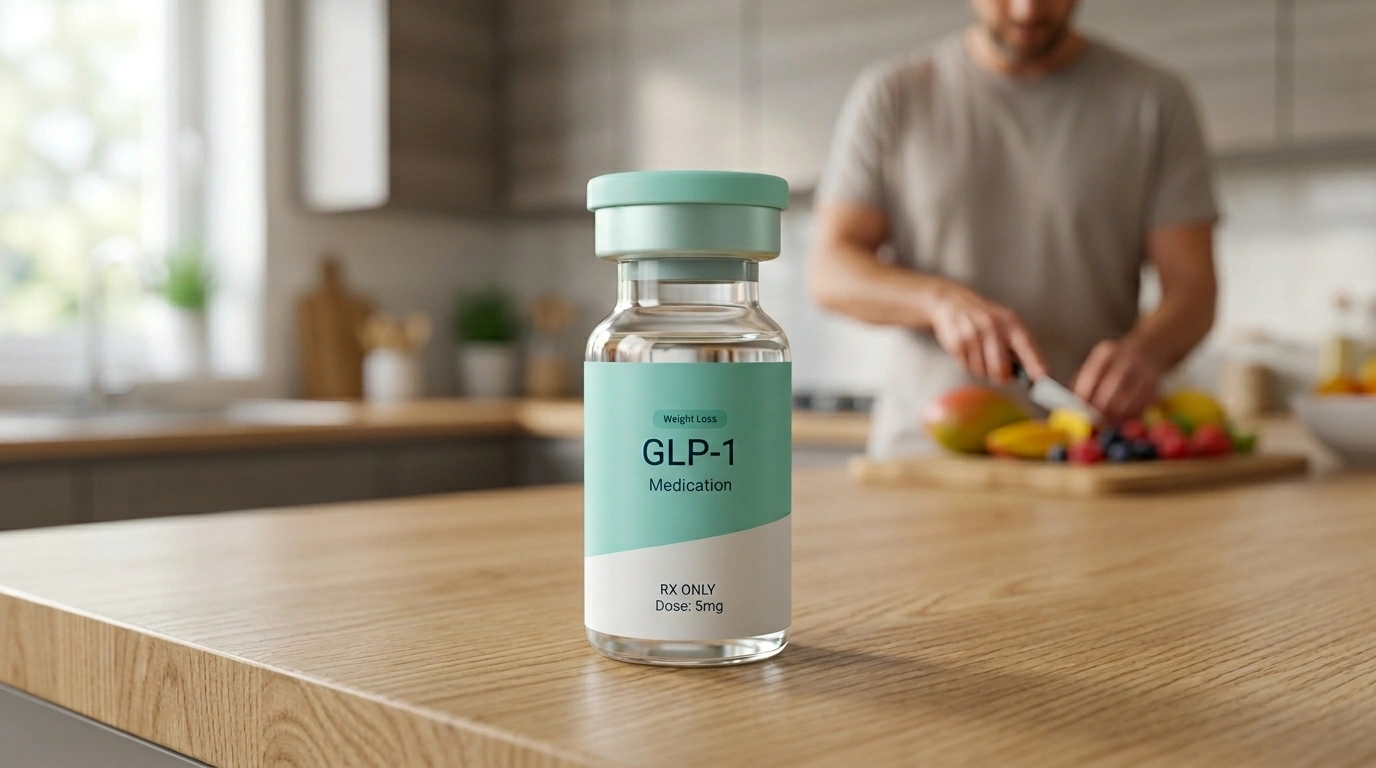
Starting a new medication often brings a mix of hope and logistical questions. When you hold an Ozempic® pen for the first time, your primary concern is likely how to use it correctly and how long that single device will remain viable. Understanding the timeline is essential for both your health and your schedule, as gaps in treatment can disrupt your progress. At TrimRx, we believe that clarity is the foundation of a successful weight management journey. This post will detail exactly how long each type of pen lasts based on your prescribed dose, the critical safety rules regarding storage, and how to tell when it is time to start a new one. By the end of this article, you will know exactly what to expect from your supply and how our personalized programs can support your metabolic health goals.
If you are exploring whether a personalized treatment plan may be appropriate for you, you can complete a free eligibility assessment.
The Standard 56-Day Rule
The most important number to remember when using this medication is 56. Regardless of how much liquid you see remaining in the cartridge, an Ozempic® pen must be discarded 56 days after its first use. This is a non-negotiable safety standard set by the manufacturer to ensure the medication remains stable and sterile.
For a broader overview of medication storage, see this guide to semaglutide storage, travel, and handling.
Why the 56-day limit exists
Semaglutide, the active ingredient in Ozempic®, is a protein-based peptide. Peptides are sensitive to their environment. Once a pen is “opened”—meaning the seal has been punctured by the first needle—the medication is exposed to the elements. Over time, the preservatives in the liquid begin to lose their effectiveness. This can lead to two main issues:
- Reduced Potency: The medication may break down, meaning it will not work as effectively to manage your blood sugar or support weight loss.
- Sterility Risks: While the pens are designed to be safe for multiple uses, the risk of microscopic contamination increases the longer the pen is in use.
Key Takeaway: Always write the date of your first injection on the pen label or your calendar. Even if the pen still looks half-full, dispose of it exactly eight weeks (56 days) after that initial dose.
How Long Each Pen Lasts by Dose
The lifespan of your pen depends entirely on the strength of the pen you were prescribed and the specific dose your healthcare provider has directed you to take. Ozempic® pens are color-coded to help patients identify their specific concentration.
The Starter Pen (Red Label)
The red-labeled pen is typically the first device a patient receives. It contains a total of 2 mg of semaglutide in a 3 mL volume. Because most patients start on a “titration” schedule—a method of slowly increasing the dose to let the body adjust—the first pen often lasts longer than subsequent ones.
- The Initiation Schedule: If you are following the standard starter path, you will likely take 0.25 mg once a week for four weeks, followed by 0.5 mg once a week. This means the first pen can last for six weeks.
- The Maintenance Schedule: If you are already stabilized at a 0.5 mg weekly dose, this same red pen will provide exactly four doses, lasting one month.
For another breakdown of the starter pen timeline, read how long a 2 mg Ozempic pen lasts.
The 1 mg Maintenance Pen (Blue Label)
Once your body has adjusted to the medication, your provider may move you to a 1 mg weekly dose. The blue-labeled pen contains a total of 4 mg of semaglutide. At a 1 mg weekly dose, this pen is designed to last for four weeks.
The 2 mg Maintenance Pen (Yellow Label)
For those requiring the highest standard dose for glycemic control, the yellow-labeled pen is used. It contains 8 mg of medication. When injecting 2 mg once per week, this pen will last for four weeks.
| Pen Label Color | Total Medication | Weekly Dose | Lifespan |
|---|---|---|---|
| Red | 2 mg | 0.25 mg / 0.5 mg | 4 to 6 weeks |
| Blue | 4 mg | 1.0 mg | 4 weeks |
| Yellow | 8 mg | 2.0 mg | 4 weeks |
Storage Requirements for Longevity
To ensure your pen lasts as long as it is supposed to, you must store it correctly. Temperature fluctuations are the fastest way to ruin semaglutide.
For additional guidance, review this article on Ozempic storage, temperature, travel, and handling.
Before the first use
New, unused pens must be stored in the refrigerator. The ideal temperature range is between 36°F and 46°F. As long as the pen remains unopened and refrigerated, it is safe to use until the expiration date printed on the box.
After the first use
Once you have taken your first dose, you have two options for storage. You can keep the pen in the refrigerator or store it at room temperature (between 59°F and 86°F). Many people find that injecting room-temperature medication is more comfortable than injecting cold liquid. Regardless of which method you choose, the 56-day clock still applies.
Note: Never freeze your medication. If a pen accidentally freezes—even if it thaws afterward—you must discard it. Freezing destroys the molecular structure of the peptide.
The Mystery of Leftover Liquid
A common point of confusion for many patients is seeing liquid remaining in the pen window after they have taken their final prescribed dose. You might feel like you are throwing away perfectly good medication. However, this “overfill” is intentional.
Manufacturers include a small amount of extra liquid to ensure the pen can be properly primed. Priming, or a “flow check,” involves clearing air from the needle to ensure you receive a full, accurate dose.
For more detail, see why an Ozempic pen may still look full after dosing.
Myth: The leftover liquid in the pen is a “bonus dose” that I should try to use. Fact: Every pen is manufactured with a surplus to guarantee dose accuracy. Attempting to extract this leftover liquid—especially by using a separate syringe—is unsafe and can lead to incorrect dosing or contamination.
How to Tell When the Pen is Truly Empty
The design of the Ozempic® pen includes a safety mechanism that prevents you from accidentally taking a partial dose. Here is the most reliable way to check if your pen is finished:
- Check the Dose Counter: Turn the dose selector dial. If the pen is empty, the dial will not move, or it will stop before reaching your prescribed dose mark (0.25, 0.5, 1, or 2).
- Observe the Piston: Look through the clear window on the pen. As you use the medication, a plunger (piston) moves forward. When the pen is empty, this plunger will have moved to fill the window.
- The Dial Stop: If you try to dial your dose and the selector physically stops at a lower number, the pen does not have enough medication left for a full injection. Do not inject the partial amount. Instead, start a new pen.
What to do next if your pen is empty:
- Step 1: Remove the needle immediately after your last injection and dispose of it in a sharps container.
- Step 2: Place the empty pen in the sharps container or follow your local regulations for disposal.
- Step 3: Prepare your next pen by performing a flow check (priming) before the first dose.
Why the “Click Counting” Method is Risky
In some online communities, you may see discussions about “counting clicks.” This involves turning the dial and counting the audible clicks to try and administer a dose different from what the pen is labeled for. For example, some try to get 0.25 mg doses out of a 1 mg pen to make it last longer.
We strongly advise against this practice. The manufacturer explicitly states that clicks should not be used to measure a dose. The pen is a mechanical device, and relying on sound rather than the visual dose counter can result in significant dosing errors. If you have concerns about the duration of your supply or the dose you are taking, it is vital to speak with a healthcare professional who can adjust your prescription safely.
Managing Your Supply and Travel
If you are planning a trip, you need to account for how long your pen will last while you are away. Because an opened pen can stay at room temperature for up to 56 days, most vacations do not require a specialized cooling case.
For more practical advice, read this semaglutide travel and storage guide.
However, if you are traveling to a very hot climate where temperatures exceed 86°F, or if you are carrying unused pens that must stay refrigerated, a small insulated travel bag is a smart investment. Always keep your medication in your carry-on luggage rather than checked bags to avoid the extreme temperature changes and pressure shifts in the cargo hold.
Alternatives and Personalized Care
The recent popularity of GLP-1 medications has occasionally led to supply challenges, leaving many wondering how they will maintain their weekly routine. This is where a platform like TrimRx can offer a different level of support.
While we do not ship branded medications, we connect patients with licensed healthcare providers who can prescribe personalized treatments. This includes access to compounded semaglutide. Compounded semaglutide is a customized medication prepared by an FDA-registered, inspected compounding pharmacy.
If you are considering a personalized prescription program, you can see if you qualify for a medically supervised plan.
Bottom Line: Compounded medications are not FDA-approved, but they offer an alternative for those seeking personalized dosing or facing supply issues. They are often delivered in vials, allowing for precise dose adjustments under medical supervision.
Maximizing Your Results
Knowing how long your pen lasts is only one part of the equation. To get the most out of your treatment, your lifestyle should mirror the work the medication is doing in your body. GLP-1 medications work by mimicking a natural hormone that regulates appetite and slows stomach emptying.
To support this process, many of our patients find that focusing on high-protein intake and hydration helps manage common side effects like nausea. Our guide on meeting protein needs while taking a GLP-1 offers additional nutritional guidance.
We also offer specialized supplements like GLP-1 Daily Support, which is designed to provide the specific nutrients your body needs while on a reduced-calorie diet.
Conclusion
Understanding the lifespan of your Ozempic® pen is crucial for maintaining a consistent treatment schedule. Whether your pen lasts four weeks or six, the 56-day disposal rule remains the gold standard for your safety. Always prioritize the visual dose counter over “clicks,” and ensure your storage conditions protect the integrity of the medication.
Our mission is to empower you with the tools and medical expertise needed for sustainable progress. We understand that navigating the world of GLP-1 medications can be complex, and we are here to simplify that journey through a transparent, telehealth-first approach. If you are ready to take the next step in your health journey, our team is ready to guide you.
Next Step: To see if a personalized weight loss program is right for you, take our free health assessment quiz today.
FAQ
Can I use my Ozempic pen after 60 days if it was always in the fridge?
No, you should not use the pen after 56 days even if it has been continuously refrigerated. The 56-day limit is based on the stability of the medication and the effectiveness of the preservatives once the pen’s seal has been punctured. Using it beyond this window can result in reduced effectiveness or a higher risk of infection.
Why is there still liquid in my pen after my fourth dose of 1 mg?
This liquid is an intentional overfill included by the manufacturer to ensure there is enough medication for priming and accurate dosing. It is normal for a small amount to remain in the cartridge after the final dose has been delivered. You should not try to use this leftover liquid, as the pen mechanism will not allow for an accurate measurement of a full dose.
What should I do if I accidentally leave my pen in a hot car?
If your pen is exposed to temperatures above 86°F, the medication may break down and lose its potency. You should examine the liquid through the pen window; if it appears cloudy, discolored, or contains particles, it must be discarded. If you are unsure about the safety of the medication after a heat exposure, consult with your pharmacist or healthcare provider before using it.
Do I need to prime the Ozempic pen before every single injection?
No, the “flow check” or priming process is only required before the very first injection from a brand-new pen. Doing it before every dose will waste medication and may cause your pen to run out before you have completed your four prescribed doses. For your second, third, and fourth injections, you simply attach a new needle, dial your dose, and inject.
If you are unsure how storage conditions may affect your medication, review this Ozempic pen storage guide.
Disclaimer: This content is for informational purposes only and does not constitute medical advice. It is not intended to diagnose, treat, cure, or prevent any disease or condition. Individual results may vary. Always consult a qualified healthcare professional before starting any weight loss program or medication.

Transforming Lives, One Step at a Time
Keep reading

Is It Normal for Nausea to Come Back on Ozempic?
Many people on Ozempic or another GLP-1 have a rough first few weeks, then settle in and feel much better. So it can be…
Is It Normal to Not Feel Anything After Taking Ozempic?
You have heard stories about people losing interest in food overnight or feeling queasy after their first dose. Then you take your own first…

Is It Normal to Have Dark Urine on Ozempic?
Noticing that your urine is darker than usual can be worrying. On Ozempic or another GLP-1, the most common reason is simple: you are…


