Why Does My Ozempic Pen Still Look Full?
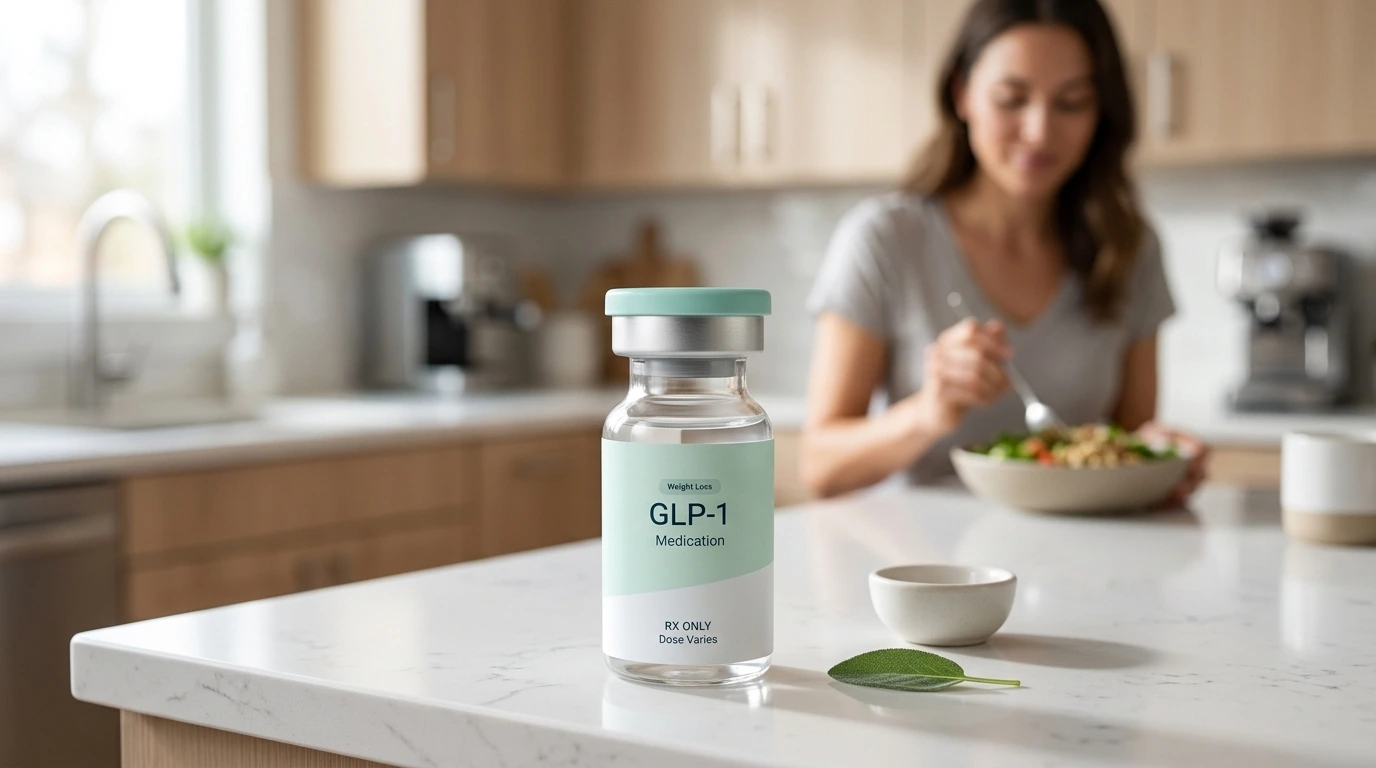
Introduction
It is a common moment of confusion for many individuals starting their weight loss journey: you have finished your final prescribed dose for the month, but when you look at the glass window of your Ozempic® pen, it still looks like there is plenty of liquid left inside. You might wonder if you missed a dose or if the pen malfunctioned during your last injection. This visual discrepancy can be frustrating, especially when you are working hard to stay consistent with your treatment plan.
At TrimRx, we understand that navigating the technical side of GLP-1 (glucagon-like peptide-1) medications can feel overwhelming. Whether you are using branded options or exploring a personalized program through our platform, knowing exactly how your equipment works is essential for your peace of mind and your health. This post covers why your pen retains leftover liquid, how to verify if you have received your full dose, and why you should never try to “rescue” the remaining medication. The design of these pens includes a specific amount of overfill to ensure safety and accuracy.
The Mystery of the “Full” Pen
The most important thing to understand is that the liquid you see in the window after your final dose is not a mistake. It is a deliberate part of the manufacturing process. Most users expect the plunger to push all the way to the very bottom of the glass reservoir, similar to a traditional syringe. However, the Ozempic® pen is a precision mechanical device designed to deliver a specific volume of semaglutide—the active ingredient—with high accuracy.
Quick Answer: Your pen looks full because manufacturers include “overfill” to account for the initial flow check and to ensure the final dose is complete. The plunger is mechanically blocked from moving further once the official doses are dispensed, even if liquid remains.
For a closer look at this design feature, read why liquid remains in an Ozempic pen after dosing.
What is Overfill?
Pharmaceutical companies include extra liquid in every pen to act as a buffer. This extra volume is intended for the “flow check” (also known as priming) that you perform when you first open a new pen. This step clears air bubbles and ensures the needle is clear. If the pen contained exactly the amount needed for four doses, you would likely run short during your final week because of that initial test shot.
You can also review how an Ozempic pen’s appearance changes during use to better understand the liquid window and plunger.
Mechanical Limitations
The pen’s internal mechanism is programmed to stop after a certain number of clicks. Once you have dialed and delivered the total amount of medication the pen is rated for, the dose selector will no longer turn to a full dose. The plunger stops at a factory-set point. Even though you can see liquid past that point, the mechanical “arm” inside the pen can no longer reach it.
If you are considering a personalized prescription program, you can complete a free eligibility assessment to review whether it may be appropriate for you.
How to Tell if Your Pen is Truly Empty
Instead of relying on your eyes to judge the liquid level, you must rely on the dose selector dial. The dial is the only accurate way to confirm if there is a dose remaining in the device.
For additional guidance, see this step-by-step guide to knowing when an Ozempic pen is empty.
The Dose Selector Test
To check if you have another dose, simply try to turn the dose selector at the end of the pen.
- If it stops at your prescribed dose: You have a full dose ready to go.
- If it stops before reaching the number: The pen is empty.
- If it will not turn at all: The pen is completely spent.
Step 1: Inspect the Window
Look for the clear liquid. It should be colorless. If you see the grey plunger taking up most of the window, you are near the end.
Step 2: Dial the Dose
Turn the dial toward your dose (such as 0.5 mg or 1 mg). If the pen is empty, the dial will physically lock or show a lower number than what you need.
Step 3: Confirm the Injection
When you inject, the dose counter must return to “0.” If it returns to zero, the full amount you dialed has been successfully delivered into your body.
You can compare these signs with the visual cues that indicate when an Ozempic pen is empty.
Understanding Different Pen Capacities
Not all pens are created equal. The amount of “leftover” liquid you see can vary depending on which color-coded pen you have been prescribed by your healthcare provider.
| Pen Label Color | Total Medication | Doses per Pen |
|---|---|---|
| Red Label | 2 mg | 4 doses of 0.25 mg then 2 doses of 0.5 mg (or 4 of 0.5 mg) |
| Blue Label | 4 mg | 4 doses of 1 mg |
| Yellow Label | 8 mg | 4 doses of 2 mg |
Because the concentration of the medication is very high, the actual volume of liquid for a 0.25 mg dose is incredibly small—about the size of a single drop of water. This is why a pen containing 2 mg of medication may still look almost entirely full even after the first two weeks of treatment.
For more context about pen colors, dose settings, and the medication window, read this visual guide to the Ozempic pen.
Key Takeaway: The dose counter is the brain of the pen. Trust the mechanical dial over the visual appearance of the liquid reservoir to determine when it is time for a new pen.
Why You Should Never Use a Syringe to Extract Leftovers
It may be tempting to use a separate syringe to pull out the remaining liquid you see in the window. However, this is dangerous and highly discouraged by medical professionals.
For more information, review why leftover medication should not be extracted from an Ozempic pen.
Accuracy and Safety
The “overfill” liquid is not measured for a standard dose. If you attempt to draw it out with a manual syringe, you have no way of knowing exactly how many milligrams of semaglutide you are receiving. GLP-1 medications are powerful, and taking an incorrect dose can lead to severe gastrointestinal side effects or reduced efficacy.
Risk of Contamination
Ozempic® pens are closed systems designed to stay sterile. Poking a needle into the reservoir or trying to dismantle the pen exposes the medication to bacteria and air. This can cause the medicine to break down or lead to an infection at your next injection site.
Plunger Physics
The grey plunger you see in the window is what maintains the pressure inside the pen. Once the pen reaches its mechanical limit, that pressure is no longer consistent. Trying to force more liquid out can damage the device and result in an incomplete or “splattered” injection.
Proper Storage and the 56-Day Rule
Even if your pen looks full, there is a strict timeline for how long the medication remains safe and effective once it has been opened. Every pen has a “use-life” of 56 days. This countdown begins the moment you take your first dose or attach your first needle.
- Degradation: After 56 days, the chemical bonds in the semaglutide molecule can begin to break down. This means the drug may lose its potency, and you might notice your appetite returning or your weight loss stalling.
- Bacteria Growth: Even with a new needle for every shot, tiny amounts of environmental contaminants can enter the pen over time. The 56-day limit is a safety barrier to prevent you from injecting compromised medication.
- Temperature Sensitivity: Your pen should be kept in the refrigerator until the first use. After that, it can stay at room temperature (below 86°F) or in the fridge for those 56 days. If the pen gets too hot or freezes, you must discard it immediately, regardless of how much liquid is inside.
Note: Always check the expiration date printed on the pen itself. If the date has passed, or if the 56-day window has closed, dispose of the pen in a sharps container even if it looks full of medication.
For a related explanation of safe use and storage, read what to look for when an Ozempic pen is empty.
Troubleshooting Common Pen Issues
Sometimes a pen looks full because it actually is full due to a mechanical error. If you are pushing the button and the dose counter is not moving back to zero, or if liquid is leaking from the needle, the pen may be jammed.
What to do if the pen jams:
- Check the needle: Ensure you have removed both the outer and inner needle caps.
- Verify the flow: Perform another flow check (priming) to see if a drop appears at the needle tip.
- Do not force it: If the button is stuck, forcing it can cause the glass to shatter.
- Consult your provider: If the device is defective, your pharmacist or the team at TrimRx can help you determine the next steps.
At TrimRx, we prioritize your safety by ensuring you have the support needed to manage your medication correctly. Our platform connects you with licensed providers who can answer these technical questions during your personalized program.
If you are ready to explore prescription weight management support, take the free assessment quiz.
Maximizing Your Treatment Results
Understanding the mechanics of your pen is just one part of a successful weight loss journey. Many people find that while the medication handles the physiological side of hunger, they still need support for overall wellness and nutrient intake.
Complementary Support
While GLP-1 medications like semaglutide are highly effective, they work best when paired with a lifestyle that supports metabolic health. Some individuals experience a decrease in muscle mass or a lack of specific nutrients as their appetite drops. We offer options like GLP-1 Daily Support to help bridge these nutritional gaps.
Personalized Guidance
The journey to a healthier weight is rarely a straight line. It involves adjusting doses, managing side effects, and learning how your body responds to the medication. We provide a telehealth-first approach, meaning you have access to specialized support 24/7 without having to visit a waiting room. This level of care ensures that if you ever have a question about your pen looking full or a dose feeling different, an expert is ready to guide you.
Bottom line: Visual leftovers are a normal part of pen design. As long as your dose counter reaches zero after your injection, you have received the correct amount of medication.
Moving Forward with Confidence
It is natural to feel protective of your medication. Given the effort required to start a medical weight loss program, no one wants to waste a single drop. However, the design of the Ozempic® pen prioritizes your safety by ensuring every dose is precise and every injection is sterile.
Trusting the technology allows you to focus on the more important aspects of your journey: how you feel, your energy levels, and the sustainable habits you are building. If you are ready to take the next step toward a healthier version of yourself, find out if GLP-1 medications may be right for you.
Summary of Key Steps
- Always prime a new pen: Use the flow check to clear air and ensure the device is working.
- Trust the dial: Use the dose selector to confirm if a dose is available.
- Respect the timeline: Dispose of any pen 56 days after its first use.
- Stay safe: Never use a syringe to pull liquid from a spent pen.
- Seek help: Contact your healthcare provider if you suspect a mechanical failure.
TrimRx is committed to providing a transparent, personalized experience for every individual. We believe that by combining modern telehealth with clinical expertise, we can help you navigate the complexities of weight management with clarity and confidence.
FAQ
Why is there liquid left in my Ozempic pen after 4 doses?
This liquid is known as “overfill.” It is intentionally added by the manufacturer to ensure there is enough medication for the initial flow check and to guarantee that the final dose is complete and accurate.
For another explanation of this common question, read why an Ozempic pen may still look full after dosing.
Can I use a syringe to get the extra Ozempic out of the pen?
No, you should never try to extract leftover liquid with a syringe. The extra medication is not a measured dose, and using it can lead to dangerous dosage errors or contamination of the medication.
How do I know for sure that my Ozempic pen is empty?
The most reliable sign is that the dose selector will no longer turn to your full prescribed dose. If you try to dial your dose and the selector locks or stops at a lower number, the pen has no more full doses left.
Should I throw away my pen if it still has liquid but I’ve used it for 8 weeks?
Yes, you must dispose of the pen 56 days (8 weeks) after its first use, even if liquid remains. After this time, the medication may lose its effectiveness and the risk of bacterial contamination increases.
If you are considering a personalized weight management program, complete the free assessment.
Disclaimer: This content is for informational purposes only and does not constitute medical advice. It is not intended to diagnose, treat, cure, or prevent any disease or condition. Individual results may vary. Always consult a qualified healthcare professional before starting any weight loss program or medication.

Transforming Lives, One Step at a Time
Keep reading
Can You Eat Tacos on Ozempic?
Taco night is a weekly ritual in plenty of homes, and tacos are one of the most popular restaurant and takeout orders around. If…
What to Do If Your Ozempic Is Lost or Stolen
It happens more often than you might think. A pen gets left in a hotel fridge, a package disappears from the porch, a bag…

Food Gifts on Ozempic
Food is one of the most common ways people show care. Neighbors bring casseroles after a hard week, coworkers drop off cookie tins, relatives…


