What If Ozempic Is Not Working? Exploring Your Weight Loss Options
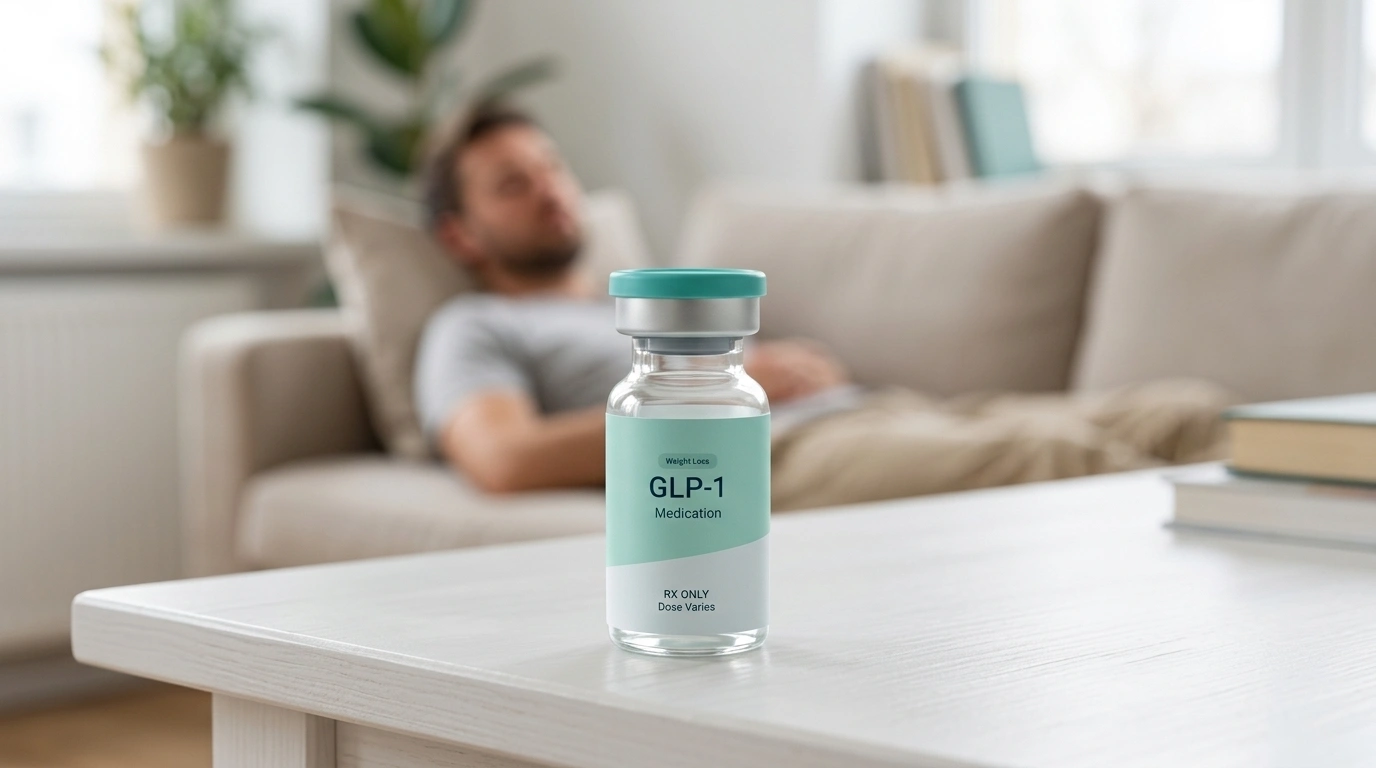
The excitement around new advancements in weight management is palpable, offering renewed hope for countless individuals striving for a healthier life. Medications like Ozempic have emerged as significant tools in this journey, yet for some, the initial promise may not translate into expected results. It’s a disheartening experience to invest hope and effort into a treatment only to find that your body isn’t responding as anticipated. This situation can leave many feeling frustrated, questioning their efforts, and wondering what comes next.
At TrimRx, our journey began with a shared vision to help individuals embrace healthier lifestyles by merging cutting-edge telehealth innovations with effective weight loss solutions. We understand that sustainable weight loss should be achieved through science, empathy, and a transparent approach. This means acknowledging that every individual’s physiological response is unique and that a “one-size-fits-all” approach rarely yields lasting success. If you find yourself in the position where Ozempic is not working as you hoped, it doesn’t signify a failure on your part, nor does it mean your weight loss goals are unattainable. Instead, it signals an opportunity to explore alternative paths and refine your strategy with personalized, medically supervised care.
This post will delve into the multifaceted reasons why Ozempic might not be working for you, drawing upon current insights and clinical observations. We will then guide you through the actionable steps and alternative solutions available, emphasizing how a comprehensive, individualized approach can unlock your potential for sustainable weight loss. Our aim is to provide clarity, empower you with knowledge, and illustrate how our platform serves as a user-friendly and supportive space designed to make sustainable weight loss attainable and tailored to you. By the end of this discussion, you will understand the nuances of medication response and recognize the diverse array of options that await you on your unique health journey.
Understanding Why Ozempic May Not Be Working For You
Embarking on a weight loss journey with a medication like Ozempic, which contains semaglutide, can bring a sense of optimism. This particular GLP-1 receptor agonist has garnered significant attention for its ability to aid in blood sugar control for individuals with type 2 diabetes and, for many, to facilitate substantial weight loss. However, it’s crucial to recognize that the human body is a complex system, and responses to medication can vary widely. When expectations don’t align with reality, it’s natural to feel discouraged. Let’s explore the common reasons why individuals might not be experiencing the desired weight loss results on Ozempic.
Early Stages of Treatment and Dosage Considerations
One of the most frequent reasons for a perceived lack of progress, especially early on, relates to the gradual titration schedule of GLP-1 medications. To minimize potential side effects and allow the body to adjust, healthcare providers typically start patients on a low dose and slowly increase it over several weeks or months. This means that for the first few months, you might not be at the optimal therapeutic dose to achieve significant weight loss.
Many clinical trials show more noticeable weight reduction after participants reach higher or maintenance doses. For instance, studies have indicated that significant body weight loss often occurs after reaching specific dosage thresholds, with continued use over many months demonstrating more pronounced effects. Patience is a vital component during this initial phase. If you’ve just started your regimen, or are still on a lower dose, it’s possible the medication simply hasn’t had enough time to exert its full effects. Regular consultations with your healthcare provider, a core component of the TrimRx program, ensure your dosage is appropriately adjusted while monitoring your response and tolerability.
The Critical Role of Lifestyle Interventions
While GLP-1 medications like Ozempic are powerful tools, they are designed to be part of a holistic weight management strategy, not a standalone solution. Clinical trials for semaglutide consistently include lifestyle interventions alongside medication for both the active treatment and placebo groups. This underscores the undeniable synergy between medication and daily habits.
Dietary Habits and Nutritional Intake
What we eat fundamentally impacts our weight and metabolic health. If the medication is not working as expected, it’s an opportune moment to honestly assess your current dietary patterns. Are you consistently making choices that support weight loss, or are old habits, such as relying on processed foods, sugary drinks, or oversized portions, inadvertently hindering your progress?
Focusing on a balanced, nutrient-dense diet is paramount. Increasing your intake of lean proteins and fiber-rich foods can significantly enhance the medication’s effectiveness. Protein promotes satiety, helping you feel fuller for longer and preserving muscle mass during weight loss. Fiber, found in fruits, vegetables, and whole grains, also contributes to fullness and supports healthy digestion. We encourage a mindful approach to eating, paying attention to hunger and fullness cues, and making conscious choices that align with your health goals. Our approach at TrimRx emphasizes personalized guidance, recognizing that what works for one person might not work for another.
Physical Activity and Exercise
Exercise is another cornerstone of effective weight management, providing benefits beyond just calorie burning. Regular physical activity helps maintain muscle mass, which can be particularly important during weight loss, as individuals can sometimes lose muscle along with fat. Building and maintaining muscle helps sustain a healthier metabolism.
A combination of aerobic exercise and strength training is often recommended. Aerobic activities like brisk walking, cycling, or swimming improve cardiovascular health and burn calories, while resistance training builds muscle, which in turn boosts your resting metabolic rate. Consider if your current activity levels are sufficient or if there’s room for gradual increase. Even small, consistent changes, like incorporating more movement throughout your day, can make a difference.
Sleep, Stress, and Emotional Well-being
Often overlooked, factors like sleep quality, stress levels, and emotional well-being profoundly influence weight. Chronic sleep deprivation can disrupt hormones that regulate appetite, leading to increased hunger and cravings. Similarly, chronic stress can elevate cortisol levels, promoting fat storage, especially around the abdomen, and often contributing to emotional eating.
Addressing these areas is vital. Are you consistently getting 7-9 hours of quality sleep? Do you have effective strategies for managing daily stressors? Emotional eating, whether in response to stress, boredom, or other feelings, can undermine even the most effective medication. At TrimRx, we advocate for a holistic view of health, recognizing that these interconnected elements must be addressed for truly sustainable results. Our supportive environment is designed to help you navigate these complex aspects of your weight loss journey.
Adherence and Medication Consistency
For any medication to be effective, it must be taken as prescribed. The half-life of Ozempic, for example, means it remains active in your system for approximately a week, making consistent weekly dosing crucial for maintaining therapeutic levels. Skipping doses, taking the medication irregularly, or discontinuing it prematurely can significantly diminish its efficacy.
Clinical data consistently shows that long-term adherence to GLP-1 medications leads to more substantial and sustained weight loss. Conversely, studies have indicated that people who stop semaglutide may regain a significant portion of the weight lost within a year. Side effects, while often temporary, can sometimes lead individuals to stop taking their medication. However, many side effects can be managed with dietary adjustments or other strategies, and often resolve over time. An open dialogue with your healthcare provider is essential if you’re struggling with adherence or side effects, allowing for adjustments or supportive measures to be implemented. This kind of ongoing support is a cornerstone of our comprehensive service at TrimRx, ensuring you never feel alone in managing your treatment plan.
Underlying Medical Conditions and Medication Interactions
The human body is an intricate network, and various medical conditions can impact weight loss efforts, sometimes even when a GLP-1 medication is in play. Undiagnosed or inadequately treated conditions can create metabolic barriers that make weight loss challenging.
Hormonal Imbalances and Metabolic Disorders
Conditions like hypothyroidism, where the thyroid gland doesn’t produce enough hormones, can significantly slow metabolism and lead to weight gain or difficulty losing weight. Similarly, untreated sleep apnea, chronic insomnia, or pre-existing metabolic diseases like severe insulin resistance can interfere with the body’s ability to respond optimally to weight loss interventions, including medication. While Ozempic is designed to help with insulin resistance, a long-established metabolic disease can present a more formidable challenge. In individuals with type 2 diabetes, the body’s ability to stimulate insulin secretion in response to GLP-1 may be reduced, meaning the medication’s impact on blood sugar and, subsequently, weight, might be less pronounced than in individuals without diabetes.
Eating Disorders and Mental Health
Certain eating disorders, such as binge eating disorder, can also complicate weight management. While GLP-1s can sometimes help reduce episodes of binge eating by increasing satiety, they may not resolve the underlying behavioral or psychological components. A comprehensive approach that addresses both physiological and psychological factors is often necessary.
Impact of Other Medications
It’s also important to consider other medications you might be taking. Certain drugs, including some antidepressants, beta-blockers, and corticosteroids, can promote weight gain or interfere with weight loss efforts. Discussing your full medication list with your healthcare provider is crucial. They can assess potential interactions or identify medications that might be working against your weight loss goals, and explore alternatives if necessary. Our doctor consultations at TrimRx are designed to be thorough, taking into account your complete medical history and current medications to ensure the safest and most effective personalized treatment plan.
The Inevitable Weight Loss Plateau
A common, yet often frustrating, phenomenon in any weight loss journey is the plateau. After initial rapid weight loss, progress can slow down significantly or even halt. This is a natural physiological adaptation, not a failure. As your body loses weight, its metabolic rate naturally decreases because there’s less body mass to maintain. This adaptive thermogenesis is your body’s survival mechanism, making it burn fewer calories at rest.
Hormonal changes can also occur during a plateau, potentially increasing appetite for higher-calorie foods. While medications like Ozempic can help mitigate cravings, these biological shifts can still make continued weight loss more challenging. Understanding that plateaus are normal can help maintain motivation. It signifies a need to reassess and adjust your strategy rather than giving up.
Navigating Your Options When Ozempic Isn’t Enough
Experiencing limited success with Ozempic can be discouraging, but it’s far from the end of your weight loss journey. It’s a critical juncture that calls for a thoughtful re-evaluation and, potentially, a pivot to alternative strategies. This is where our commitment at TrimRx to personalized, medically supervised care truly comes into play. We believe in providing comprehensive solutions that adapt to your unique physiological responses and lifestyle.
Re-evaluating Your Current Approach with Expert Guidance
The first and most crucial step is to engage in an open and honest dialogue with a healthcare provider. Our doctor consultations are a cornerstone of the TrimRx experience, designed to provide you with expert guidance and support every step of the way.
Comprehensive Medical Review
Your provider will conduct a thorough review of your progress, examining your dosage, adherence, lifestyle habits, and any potential side effects you might be experiencing. This includes reviewing your recent lab work and potentially ordering new tests to rule out any undiagnosed medical conditions or hormonal imbalances that could be hindering your progress. We ensure that our comprehensive service includes necessary lab work, providing a complete picture of your health.
Optimizing Lifestyle Strategies
Even if you believe you are already committed to lifestyle changes, there may be subtle adjustments that can make a significant difference. Your provider can help you “collect data on yourself” by prompting you to consider:
- Are you consistently eating a plant-forward, whole-foods diet, practicing mindful eating, and stopping when full?
- Are you staying adequately hydrated?
- Are you engaging in a consistent exercise routine, balancing cardiovascular activity with strength training?
- Are you prioritizing 7-9 hours of quality sleep nightly?
- Do you have effective strategies for managing stress and emotional eating?
Addressing these questions can unveil areas for improvement. Sometimes, working with a nutritionist or therapist can provide additional support for developing sustainable habits around diet, stress management, and emotional well-being. Our unlimited support ensures you have access to resources and guidance whenever you need it.
Managing Side Effects Effectively
If side effects have impacted your ability to adhere to the medication, discussing management strategies is vital. Many side effects, such as nausea or gastrointestinal discomfort, often subside over time. However, there are also practical steps you can take:
- Eating smaller, more frequent meals.
- Avoiding greasy or overly rich foods.
- Staying hydrated.
- Discussing over-the-counter or prescription medications with your doctor to help alleviate symptoms on a short-term basis.
Our empathetic care recognizes the challenges side effects can pose and aims to provide solutions that improve your quality of life while continuing your treatment.
Exploring Alternative and Advanced Medication Options
If optimizing your current regimen and lifestyle doesn’t yield the desired results, or if your body simply doesn’t respond effectively to semaglutide, a different medication might be a more suitable path. At TrimRx, we offer a range of clinically proven solutions, provided through FDA-registered and inspected pharmacies, to ensure you receive safe and effective care.
Higher-Dose Semaglutide Options
For some individuals, the solution might simply be a higher dose of semaglutide. While Ozempic is primarily indicated for type 2 diabetes, its active ingredient, semaglutide, is also available in higher doses specifically approved for weight loss, such as Wegovy®. If you’re on a lower dose of Ozempic and not seeing progress, discussing an increase or a switch to a higher-dose formulation like Wegovy® might be appropriate.
Introducing Tirzepatide: A Dual-Action GLP-1 and GIP Agonist
Another significant advancement in weight loss medication is Tirzepatide, marketed as Mounjaro® for diabetes and Zepbound® for weight management. Tirzepatide is a novel dual-action medication that activates both GLP-1 and GIP receptors. This unique mechanism of action can lead to even greater weight loss compared to GLP-1 monotherapy alone for many individuals. Studies comparing Tirzepatide to semaglutide have shown that Tirzepatide often results in significantly more weight loss.
At TrimRx, we offer various forms of Tirzepatide as part of our personalized weight loss program, including [Compounded Tirzepatide] and [Oral Tirzepatide], in addition to the branded options like Mounjaro® and Zepbound®. To see if you qualify for these advanced treatment options, we encourage you to [take our free assessment quiz]. This quiz helps our medical team understand your health profile and recommend the most appropriate medication and personalized plan.
Compounded Formulations and Oral Options
Recognizing the diverse needs of our patients, TrimRx also provides access to compounded formulations and oral versions of these effective medications. These include [Compounded Semaglutide] and [Oral Semaglutide], offering flexible and tailored treatment pathways. It’s important to clarify that while these compounded medications are provided through FDA-registered and inspected pharmacies, they are not FDA-approved in the same way branded medications like Ozempic® and Zepbound® are. Our commitment to safety and transparency means we partner exclusively with these highly regulated pharmacies for the shipping of all weight loss medications.
Our comprehensive service ensures that whether you are prescribed a branded medication like Ozempic®, Wegovy®, Mounjaro®, or Zepbound®, or a compounded alternative, you receive a complete package that includes doctor consultations, medication, lab work, unlimited support, and shipping, all with no hidden fees.
Integrating Quick-Access Supplements for Enhanced Support
Beyond prescription medications, supporting your body’s overall wellness during weight loss can be crucial. We offer quick-access supplements designed to complement your weight management efforts, available for immediate purchase without requiring a quiz.
GLP-1 Daily Support
Our [GLP-1 Daily Support] supplement is formulated to work synergistically with your body’s natural processes, providing added benefits that can enhance your weight loss journey. This supplement is designed to offer additional support for metabolic health and overall well-being.
Weight Loss Boost
For those seeking an additional edge, our [Weight Loss Boost] supplement provides targeted ingredients to further aid your efforts. These quick-access supplements are designed with convenience in mind, offering a straightforward way to incorporate additional support into your daily routine.
Remember, our brand is empathetic, innovative, trustworthy, supportive, results-oriented, and personalized. We offer compassionate care that respects every individual’s unique journey by combining advanced medical science with modern technology. Our transparent service ensures our approach remains consistent regardless of dosage changes, and our focus on safety means working exclusively with FDA-registered and inspected pharmacies.
By staying proactive, exploring all available options, and collaborating closely with healthcare professionals, you can overcome the challenge of Ozempic not working and continue steadfastly towards achieving your health and weight loss goals. We invite you to [take our free assessment quiz] today to discover a personalized path forward, or explore our immediate support options with [GLP-1 Daily Support] and [Weight Loss Boost]. Your journey to a healthier you is a continuous process, and we are here to support you at every turn.
Conclusion
The journey to sustainable weight loss is rarely a straight path, and encountering a point where a medication like Ozempic doesn’t deliver the anticipated results can feel like a significant setback. However, as we’ve explored, this experience is often a natural part of a complex physiological process, rather than an indication of failure. It provides a valuable opportunity to reassess, optimize, and potentially explore new, more suitable avenues for your unique body and health profile.
We’ve delved into the common reasons why Ozempic might not be working, from early treatment stages and dosage considerations to the critical role of lifestyle habits, medication adherence, underlying health conditions, and the inevitable weight loss plateau. Each of these factors highlights the profound individuality of weight management and the necessity of a truly personalized approach.
At TrimRx, our core philosophy is built on the understanding that effective and sustainable weight loss requires science, empathy, and transparent, individualized care. Our comprehensive platform is specifically designed to meet you wherever you are in your journey, offering medically supervised solutions tailored to your needs. We blend advanced medical science with modern telehealth technology to provide a supportive and user-friendly experience, from thorough doctor consultations and necessary lab work to a wide range of clinically proven medications like Compounded Semaglutide, Oral Semaglutide, Ozempic®, Compounded Tirzepatide, Oral Tirzepatide, Mounjaro®, Zepbound®, and Wegovy®. All prescription medications are provided through FDA-registered and inspected pharmacies, underscoring our unwavering commitment to safety and quality.
If you’re wondering what your next steps should be, we encourage you not to lose hope. There are numerous pathways to achieving your weight loss goals, and we are dedicated to helping you discover the one that works best for you. Take the first step towards a renewed sense of empowerment and progress.
Discover your personalized treatment plan by [taking our free assessment quiz] today. It’s a quick and easy way to determine your eligibility for our prescription weight loss medications and to begin a journey tailored specifically to you. For immediate support and to complement your efforts, explore our quick-access supplements like [GLP-1 Daily Support] and [Weight Loss Boost]. Remember, our mission is to empower you with compassionate care, innovative solutions, and unwavering support, ensuring your path to a healthier life is both achievable and sustainable.
Frequently Asked Questions
Q1: How long should I wait before considering that Ozempic is not working for me?
A: Patience is key with GLP-1 medications like Ozempic. Most healthcare providers recommend allowing at least 12 to 16 weeks (3 to 4 months) to observe significant effects, especially since the medication dosage is gradually increased over this period. During this time, your body is adjusting, and you may not yet be on the optimal therapeutic dose. If you’ve been on the maintenance dose for several weeks without noticeable progress or if you experience a plateau, it’s a good time to consult with your doctor.
Q2: What are the most important lifestyle changes I should focus on if Ozempic isn’t yielding results?
A: The most impactful lifestyle changes revolve around diet, physical activity, sleep, and stress management. Focus on consuming a reduced-calorie, nutrient-dense diet rich in lean protein and fiber, while limiting processed foods and sugary drinks. Aim for at least 150-300 minutes of moderate-intensity exercise weekly, incorporating both aerobic and strength training. Prioritize 7-9 hours of quality sleep, and develop effective strategies for managing stress, as these factors significantly influence metabolic health and appetite regulation.
Q3: Can I switch from Ozempic to a different weight loss medication if it’s not effective?
A: Yes, if Ozempic is not producing the desired results, your healthcare provider may recommend switching to an alternative medication. Options include higher doses of semaglutide (like Wegovy®) or a different class of medication, such as tirzepatide (found in Mounjaro® or Zepbound®), which acts on both GLP-1 and GIP receptors and has shown superior weight loss in some studies. At TrimRx, we offer a range of these options, including compounded alternatives, after a thorough doctor consultation to determine the best fit for your unique needs.
Q4: What should I do if I’m experiencing side effects that make it difficult to continue taking Ozempic?
A: If you are experiencing challenging side effects, it is crucial to communicate immediately with your healthcare provider. Many side effects, such as nausea or digestive issues, often lessen over time, and there are strategies to manage them, like adjusting meal timing, food choices, or temporarily using over-the-counter remedies. Your doctor can help determine if dosage adjustments are needed or if a different medication might be better tolerated while still helping you achieve your weight loss goals. Our comprehensive service includes unlimited support to help you navigate these challenges effectively.

Transforming Lives, One Step at a Time
Keep reading

I Took My Ozempic Two Days in a Row by Accident
Call for guidance now rather than waiting to see how you feel. In the United States, Poison Control is available free and around the…

Why Does My Ozempic Injection Sting More Some Weeks Than Others?
Because more variables change between injections than most people realize. Temperature of the medication, which site you used, how deep the needle went, how…

How to Store Your Ozempic Pen During a Power Outage
Keep the refrigerator door closed. An unopened refrigerator holds a safe temperature for roughly four hours, and a full freezer holds for considerably longer….


