Navigating Weight Loss: Is There Anything Natural That Works Like Ozempic?
Introduction
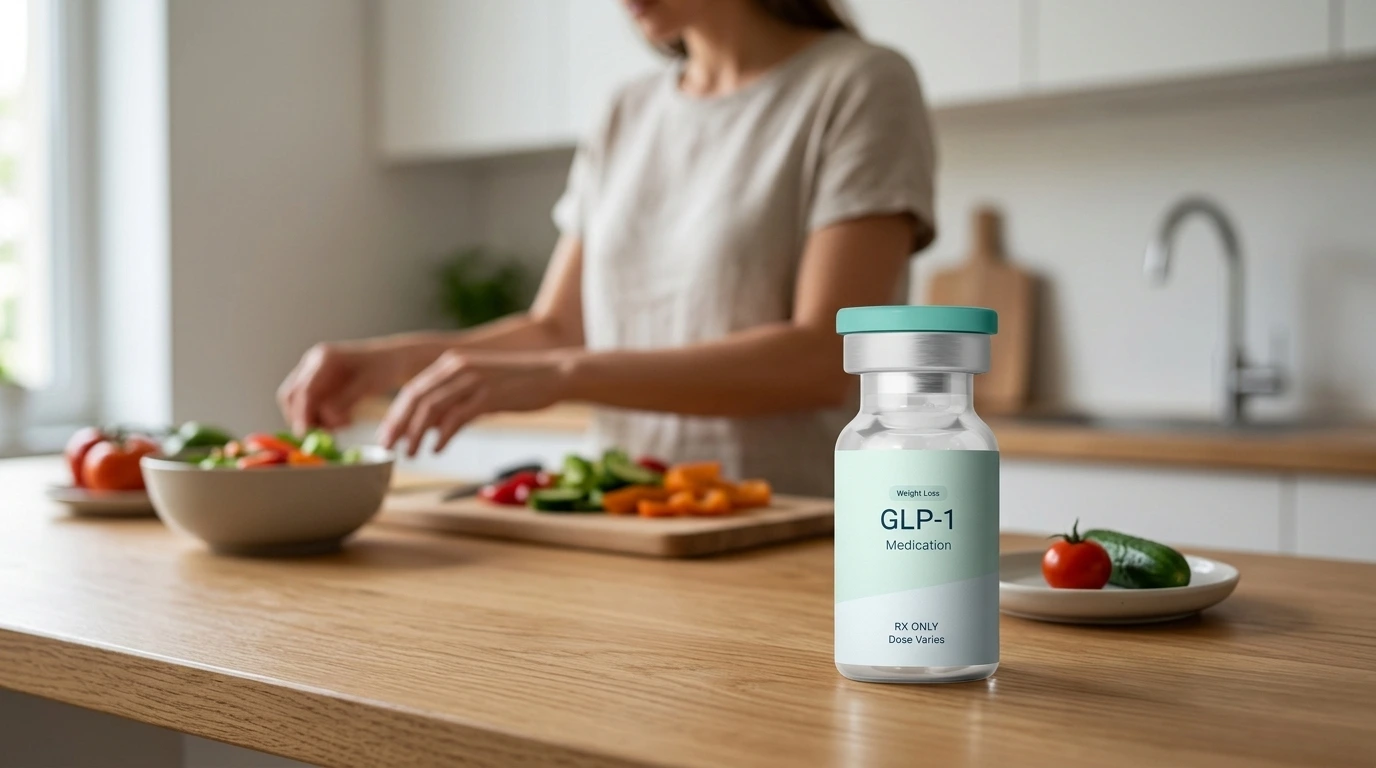
Many individuals find themselves locked in a continuous struggle with weight, often grappling with persistent “food noise”—the constant thoughts about eating, cravings, and hunger signals that seem impossible to quiet. This internal battle can be exhausting, leading to frustration and a sense of helplessness when conventional methods fall short. In recent years, medications like Ozempic, a brand name for semaglutide, have emerged as powerful tools, demonstrating significant efficacy in managing blood sugar and promoting weight loss by mimicking the body’s natural satiety hormones. However, the accessibility, potential side effects, and long-term implications of such medications lead many to ask a crucial question: is there anything natural that works like Ozempic, offering similar benefits without prescription intervention?
The quest for natural alternatives to powerful prescription medications like Ozempic and other GLP-1 receptor agonists is deeply rooted in a desire for holistic, sustainable approaches to health. People are eager to understand if lifestyle modifications, dietary choices, or specific supplements can replicate the profound appetite suppression and metabolic benefits seen with these drugs. While the direct mechanism of action of pharmaceutical GLP-1 agonists is unique, the broader goals of weight management—reducing hunger, improving satiety, and balancing metabolism—are universal.
At TrimRx, our journey began with a shared vision to help individuals embrace healthier lifestyles. We achieve this by merging cutting-edge telehealth innovations with effective weight loss solutions, creating a user-friendly and supportive platform where individuals receive personalized, medically supervised care. We understand that sustainable weight loss should be achieved through science, empathy, and a transparent approach. In this comprehensive guide, we will explore the science behind GLP-1 medications, delve into the potential of natural approaches that influence similar pathways, and discuss how a personalized strategy, whether natural or medically supported, is key to achieving lasting results. We will dissect the claims surrounding various natural supplements, examine the fundamental lifestyle changes that profoundly impact weight, and ultimately help you understand what truly stands as a viable path in your weight loss journey.
Understanding GLP-1 and How Medications Like Ozempic Work
To truly grasp whether anything natural can work like Ozempic, it’s essential to first understand the sophisticated mechanisms at play with GLP-1 receptor agonists. These medications have revolutionized weight management and type 2 diabetes treatment, offering a powerful intervention for those struggling to achieve their health goals.
The Role of GLP-1 in Your Body
GLP-1, or glucagon-like peptide-1, is a naturally occurring hormone produced in your gut. It plays a pivotal role in several physiological processes related to metabolism and digestion. When you eat, particularly foods containing carbohydrates and fats, your intestinal cells release GLP-1. This hormone then acts on various organs and systems in your body:
- Insulin Secretion: GLP-1 stimulates the pancreas to release insulin, but only when blood sugar levels are elevated. This helps to lower blood glucose after meals, preventing spikes.
- Glucagon Suppression: It inhibits the release of glucagon, another pancreatic hormone that raises blood sugar, further contributing to blood glucose control.
- Gastric Emptying: GLP-1 slows down the rate at which food leaves your stomach. This leads to a prolonged feeling of fullness (satiety) and helps to prevent overeating.
- Appetite Regulation: Perhaps most notably for weight loss, GLP-1 acts on receptors in the brain, particularly in areas like the hypothalamus, which controls appetite and satiety. By doing so, it reduces hunger, decreases cravings, and quiets that intrusive “food noise” many people experience.
How GLP-1 Receptor Agonists Like Ozempic Mimic Natural Effects
Medications like Ozempic (semaglutide) and other GLP-1 receptor agonists, such as Mounjaro® or Zepbound® (tirzepatide), are designed to mimic the action of your body’s natural GLP-1. The key difference is their persistence in the body. Natural GLP-1 is rapidly broken down by enzymes within minutes, whereas these medications are chemically modified to resist this degradation, allowing them to remain active for much longer—often for days, enabling once-weekly dosing.
This prolonged action means that the receptors throughout your body, including those in the brain, gut, and pancreas, are activated continuously at higher levels than what natural GLP-1 typically achieves after a meal. The result is a more profound and consistent impact on blood sugar regulation, satiety, and appetite suppression. For individuals with type 2 diabetes, this translates to better glycemic control. For those struggling with excess weight, it means a significant reduction in hunger, fewer cravings, and a powerful tool to support reduced caloric intake and sustainable weight loss.
It’s important to recognize that branded medications like Ozempic®, Wegovy®, Mounjaro®, and Zepbound® have undergone rigorous testing and received FDA approval for their specified uses. At TrimRx, we are committed to providing access to these effective solutions, alongside expertly compounded alternatives like Compounded Semaglutide and Compounded Tirzepatide, when clinically appropriate. These compounded medications are provided through FDA-registered and inspected pharmacies, ensuring quality and safety. To determine if such a personalized, medically supervised approach is right for your unique health profile, we encourage you to take our free assessment quiz.
Exploring Natural Pathways to Mimic GLP-1 Effects
While no natural substance precisely replicates the potent, sustained action of pharmaceutical GLP-1 receptor agonists, a range of natural strategies can influence similar physiological pathways related to appetite, satiety, and metabolism. These approaches focus on enhancing your body’s own GLP-1 release, optimizing hormone balance, and improving overall metabolic health.
Lifestyle Foundations: The Bedrock of Weight Management
Before exploring specific foods or supplements, it’s crucial to acknowledge the foundational role of holistic lifestyle practices. These elements, often overlooked in the search for quick fixes, are immensely powerful in influencing hunger, satiety, and energy balance. They form the core of any sustainable weight loss journey, whether pursued independently or in conjunction with medical support.
The Power of Protein
Protein is a macronutrient powerhouse, essential for muscle growth and repair, hormone regulation, and immune function. For weight management, its impact on satiety is unparalleled. Studies consistently show that high-protein diets can significantly reduce appetite, help you feel fuller for longer, and curb cravings. This effect is partly due to protein’s influence on hunger hormones, including its ability to stimulate GLP-1 release to some extent. Furthermore, maintaining adequate protein intake is crucial during weight loss to preserve lean muscle mass, which helps keep your metabolism robust.
How to Incorporate More Protein:
- Include lean sources like chicken, turkey, fish, eggs, tofu, tempeh, and Greek yogurt in every meal.
- Consider protein powder for smoothies or oatmeal to easily boost your intake.
- We often suggest aiming for at least 100 grams of protein daily for individuals actively seeking weight loss, though personalized needs may vary.
Fiber-Rich Foods for Sustained Satiety
Dietary fiber, particularly soluble fiber, is another essential nutrient for weight management. Fiber adds bulk to meals without adding significant calories, promoting feelings of fullness and stretching the stomach, which can send satiety signals to the brain. It also slows digestion and the absorption of glucose, leading to a more gradual rise in blood sugar and preventing the rapid drops that can trigger hunger and cravings. Beyond weight loss, fiber supports gut health, lowers cholesterol, and reduces the risk of chronic diseases.
Excellent Sources of Fiber:
- Legumes: lentils, chickpeas, black beans.
- Nuts and seeds: chia seeds, flax seeds, almonds, pistachios.
- Fruits and vegetables: berries, apples, asparagus, broccoli, leafy greens.
- Whole grains: quinoa, brown rice, whole-wheat bread.
Hydration: A Simple Yet Powerful Tool
Often underestimated, water intake plays a significant role in appetite control. Drinking water before meals can contribute to feelings of fullness, potentially leading to reduced food intake. Dehydration can sometimes be mistaken for hunger, causing unnecessary snacking. By staying adequately hydrated—aiming for clear or light yellow urine—you support overall bodily functions and can more accurately distinguish between thirst and true hunger.
Tips for Increasing Water Intake:
- Carry a reusable water bottle throughout the day.
- Infuse water with fruits like lemon, cucumber, or berries for added flavor.
- Make it a habit to drink a glass of water before every meal and snack.
Prioritizing Quality Sleep
The connection between sleep and weight is profound. Chronic sleep deprivation disrupts the delicate balance of hunger-regulating hormones. Specifically, insufficient sleep can lead to higher levels of ghrelin (the “hunger hormone”) and lower levels of leptin (the “satiety hormone”), driving increased appetite and cravings, often for calorie-dense, less nutritious foods. Moreover, fatigue can decrease motivation for physical activity and healthy meal preparation.
Strategies for Better Sleep:
- Maintain a consistent sleep schedule, even on weekends.
- Create a cool, dark, and quiet bedroom environment.
- Avoid heavy meals, alcohol, and screen time close to bedtime.
- If you’re looking for additional strategies to quiet persistent food thoughts, our insights on food noise can provide valuable guidance.
Managing Stress for Metabolic Harmony
Stress is a silent saboteur of weight loss efforts. When stressed, your body releases cortisol, a hormone that can increase appetite, particularly for sugary and fatty foods. Chronic stress can also impair self-regulation, making it harder to stick to healthy choices, disrupt sleep patterns, and encourage the body to store fat, especially around the abdomen.
Effective Stress Reduction Techniques:
- Engage in regular physical activity.
- Practice mindfulness, meditation, or deep breathing exercises.
- Spend time in nature.
- Connect with supportive friends or a therapist.
- Cultivate mindful eating practices to differentiate between emotional hunger and physical hunger.
Regular Physical Activity
Exercise doesn’t just burn calories; it also plays a role in appetite regulation and metabolic health. Physical activity can temporarily suppress appetite by influencing hunger hormones and boosting those that promote fullness. It also helps manage stress, which as discussed, is a significant trigger for cravings. Consistent movement improves insulin sensitivity, supports muscle mass, and enhances overall energy expenditure, all contributing to a healthier body composition.
Integrating Movement into Your Day:
- Find activities you enjoy, whether it’s walking, cycling, dancing, or strength training.
- Aim for a combination of cardiovascular exercise and strength training for optimal benefits.
- Even short bursts of activity throughout the day can add up.
Direct Natural GLP-1 Boosters and Their Nuances
While lifestyle factors create a supportive environment, specific dietary components and activities are believed to directly stimulate your body’s natural GLP-1 production. However, it’s crucial to approach these with a clear understanding of their limitations compared to pharmaceutical interventions.
Natural GLP-1 levels typically rise and fall in response to meals, often reaching picomolar concentrations in the blood. In contrast, GLP-1 mimicking drugs can achieve sustained, significantly higher (nanomolar) concentrations. However, research suggests that even a modest, physiologically relevant increase in natural GLP-1 levels (within the picomolar range) can lead to a noticeable reduction in hunger and food intake. This is partly due to the vagus nerve, which directly connects the gut to the brain, allowing GLP-1 signals to reach appetite-regulating centers without relying solely on systemic blood levels.
Exercise and GLP-1
Several studies indicate that physical activity, particularly moderate to high-intensity exercise, can acutely increase GLP-1 concentrations in the bloodstream immediately after and for some time following a workout. This suggests that regular exercise not only burns calories but also contributes to appetite regulation through hormonal pathways.
Specific Foods and GLP-1 Secretion
Certain dietary components have been studied for their potential to stimulate GLP-1 release:
- Protein and Fiber-Rich Foods: As mentioned, these macronutrients have been shown to induce GLP-1 secretion to some extent, contributing to their satiating effects.
- Healthy Fats: Some studies suggest that certain healthy fats, like those found in olive oil, can influence GLP-1 release, although the evidence can be mixed and may vary based on individual metabolic status.
- Fermentable Carbohydrates: Foods rich in resistant starch and other fermentable fibers can feed beneficial gut bacteria, which in turn produce short-chain fatty acids that may stimulate GLP-1 secretion from intestinal cells.
While these dietary influences are positive, it’s vital to note that the magnitude and duration of natural GLP-1 increase from foods are generally much lower than what is achieved with GLP-1 receptor agonist medications. They contribute to overall metabolic health and satiety but do not produce the same intense, sustained appetite suppression.
Supplements Marketed as “Nature’s Ozempic”
The appeal of a “natural Ozempic” has led to a surge in interest around various supplements. While some of these compounds possess properties that support metabolic health or influence weight, it is crucial to understand that none are direct, equivalent replacements for prescription GLP-1 receptor agonists. Furthermore, supplements are not regulated by the FDA in the same way as prescription medications, meaning their purity, potency, and efficacy can vary significantly. Always consult with a healthcare provider before adding any supplement to your routine, especially if you have underlying health conditions or are taking other medications.
Berberine: The Most Talked-About Alternative
Berberine is an alkaloid found in several plants, including barberry, goldenseal, and Oregon grape. It has a long history of use in traditional medicine. On social media and in wellness circles, it is often lauded as “nature’s Ozempic” due to its purported effects on blood sugar control and weight loss.
How Berberine is Believed to Work: Berberine primarily acts by activating an enzyme called AMP-activated protein kinase (AMPK), often referred to as a “metabolic master switch.” This activation can lead to several effects:
- Improved Insulin Sensitivity: It may help cells better respond to insulin, leading to lower blood sugar levels.
- Reduced Glucose Production: It can decrease glucose production in the liver.
- Fat Metabolism: Some research suggests it can influence fat metabolism and storage.
Evidence and Limitations:
- Blood Sugar Control: Multiple studies, including meta-analyses, indicate that berberine supplementation can be effective in lowering blood glucose levels, sometimes comparable to conventional oral diabetes medications like metformin.
- Weight Loss: Research on berberine for weight loss is promising but more limited and often involves smaller studies. A 2022 systematic review and meta-analysis found that berberine supplementation was associated with reductions in body weight, triglycerides, total cholesterol, and LDL cholesterol. However, the effects are generally modest compared to prescription weight loss medications.
- Side Effects: Common side effects can include gastrointestinal issues such as stomach pain, nausea, constipation, and diarrhea. Long-term safety data is also less robust than for FDA-approved drugs.
Our Perspective: While berberine shows potential for metabolic support, particularly in blood sugar management, it operates through a distinct mechanism from GLP-1 receptor agonists. It does not produce the same level of appetite suppression or gastric emptying delay as medications like Ozempic. For individuals seeking comprehensive metabolic support, it can be considered as part of a broader health strategy, always under professional guidance. For immediate, natural support for overall wellness during your weight loss journey, you might consider our GLP-1 Daily Support supplement.
Other Notable Supplements and Compounds
Several other natural compounds are explored for their potential benefits in weight management, often with varying degrees of scientific evidence.
Magnesium
Magnesium is an essential mineral involved in over 300 enzymatic reactions in the body, including those related to energy metabolism and blood sugar control. Magnesium deficiency is common and has been linked to chronic low-grade inflammation, obesity, insulin resistance, and sleep disorders—all factors that can hinder weight loss.
Research Insights: A 2021 systematic review and meta-analysis found that magnesium supplementation was associated with a decrease in Body Mass Index (BMI), particularly in women and individuals with obesity, hypertension, or insulin resistance. While it doesn’t directly mimic GLP-1, optimizing magnesium levels can support overall metabolic health, which is crucial for weight management.
Green Tea Extract (EGCG)
Green tea contains caffeine and catechins, particularly epigallocatechin gallate (EGCG), which have antioxidant and anti-inflammatory properties. These compounds are believed to influence energy metabolism and fat oxidation.
Research Insights: Some studies suggest that green tea extract supplementation can lead to modest reductions in body weight, body fat percentage, and BMI, especially when combined with a healthy diet and exercise. However, the effects on GLP-1 levels in humans are not consistently significant, and more robust research is needed to fully understand its impact as a weight loss aid.
Curcumin (from Turmeric)
Curcumin, the active compound in turmeric, is known for its powerful anti-inflammatory and antioxidant effects. It has been investigated for its role in metabolic health and weight management.
Research Insights: Animal studies and some small human trials suggest curcumin might improve insulin sensitivity and potentially influence GLP-1 levels. One study showed a decrease in weight, BMI, waist circumference, and fasting blood sugar in individuals with type 2 diabetes supplementing with curcumin. More extensive human trials are necessary to confirm these effects.
Resveratrol
Found in grapes, blueberries, and red wine, resveratrol is an antioxidant often linked to longevity and metabolic benefits.
Research Insights: While animal studies show potential for reducing body weight and fat, human evidence is mixed. Most positive findings are in specific populations, often those with obesity, and do not demonstrate the same broad effects as GLP-1 agonists.
Chromium
Chromium is a trace mineral sometimes marketed to support metabolic health and blood sugar control.
Research Insights: A 2019 meta-analysis suggested that chromium supplementation might lead to minimal weight loss in overweight and obese adults. However, research findings are inconsistent, and its impact on appetite or GLP-1 pathways is not well-established.
Yerba Mate
An herbal tea, yerba mate contains antioxidants and may influence fat metabolism. Animal studies suggest it could increase GLP-1 levels. Human studies have shown some reduction in body fat with supplementation.
Other Herbs and Spices
Various traditional herbs like Fenugreek (may reduce appetite), Ginger (might speed up metabolism), Ginseng (could influence fat absorption), Black Pepper (contains piperine, potentially impacting body weight), and Gymnema Sylvestre (may reduce sugar cravings) have been studied. While they offer intriguing possibilities, most evidence is preliminary, often from animal studies, and their direct impact on GLP-1 or significant weight loss in humans requires much more rigorous research.
For immediate support to complement your weight management efforts, regardless of whether you pursue prescription medication, our Weight Loss Boost supplement is designed to support your overall wellness journey.
The TrimRx Approach: Integrating Science, Support, and Personalization
The journey to sustainable weight loss is rarely a one-size-fits-all path. While exploring natural alternatives is valuable, it’s crucial to acknowledge that for many individuals, lifestyle changes alone may not be sufficient to achieve significant, lasting results. This is where personalized, medically supervised programs offer a powerful and evidence-based solution. At TrimRx, we bridge the gap between individual goals and scientific advancements, providing a comprehensive and supportive framework for effective weight management.
Our Brand Story and Values in Action
Our journey at TrimRx began with a deep understanding that weight loss isn’t just about willpower; it’s a complex interplay of biology, hormones, lifestyle, and individual circumstances. We envisioned a platform that merges cutting-edge telehealth innovations with effective weight loss solutions, creating a user-friendly and supportive space. Our core values—science, empathy, and transparency—guide every aspect of our service, ensuring that sustainable weight loss is attainable and truly tailored to the individual.
We believe in compassionate care that respects every individual’s unique journey. Our brand is built on being empathetic, innovative, trustworthy, supportive, results-oriented, and profoundly personalized. We combine advanced medical science with modern technology to deliver care that is both effective and convenient.
Personalized Weight Loss Programs: Beyond Natural Limits
For those who have explored natural methods without achieving their desired outcomes, or who have specific medical needs, our personalized weight loss programs offer a scientifically-backed pathway. These programs leverage the power of prescription medications like GLP-1 receptor agonists, delivered with comprehensive support.
The Role of Prescription Medications
We offer access to a range of clinically proven medications, prescribed after a thorough medical evaluation:
- Ozempic® & Wegovy® (Semaglutide): These branded medications, FDA-approved for specific uses including chronic weight management, mimic natural GLP-1 to reduce appetite and improve satiety.
- Mounjaro® & Zepbound® (Tirzepatide): Also FDA-approved for specific indications, these medications activate both GLP-1 and GIP receptors, offering a dual-action approach to appetite control and blood sugar regulation.
- Compounded Semaglutide & Compounded Tirzepatide: For eligible individuals, we also provide access to compounded versions of these medications. These are prepared by FDA-registered and inspected pharmacies to meet specific patient needs, offering an alternative when branded medications may not be suitable.
- Oral Semaglutide & Oral Tirzepatide: Expanding access to convenient dosing, we also offer oral formulations for those who prefer them.
Important Note on Compounded Medications: It’s essential to understand that while our compounded medications are provided through FDA-registered and inspected pharmacies, compounded medications themselves are not FDA-approved in the same way branded drugs like Ozempic® or Zepbound® are. We are committed to transparency and safety, working exclusively with pharmacies that adhere to stringent quality standards.
Our Comprehensive Service Model
Choosing a prescription-based program with TrimRx means receiving a complete, supportive package:
- Doctor Consultations: Every journey begins with a thorough consultation with a licensed medical professional to assess your health history, discuss your goals, and determine if you are clinically eligible for our programs.
- Personalized Treatment Plan: Based on your assessment, you receive a tailored plan that considers your unique physiology and lifestyle.
- Medication Management: If prescribed, your medication is shipped directly from our partner FDA-registered and inspected pharmacies.
- Lab Work: We include necessary lab work to ensure your safety and monitor your progress effectively.
- Unlimited Support: Our team provides ongoing guidance and support throughout your program, ensuring you have the resources you need to succeed. Our commitment to transparent service means our approach remains consistent, regardless of dosage changes.
- Shipping & No Hidden Fees: We believe in clarity; shipping is included, and you won’t encounter any hidden costs.
To explore if a personalized, medically supervised plan could be the transformative step in your weight loss journey, we invite you to take our free assessment quiz. This assessment helps us understand your unique needs and determine your eligibility for our prescription weight loss medications.
Supporting Your Journey with Quick-Access Supplements
Recognizing that comprehensive wellness extends beyond prescription options, and that many individuals are seeking immediate support for their metabolic health, we also offer a range of quick-access supplements that do not require a quiz:
- GLP-1 Daily Support: This supplement is designed to naturally support overall metabolic function and satiety, complementing healthy lifestyle choices.
- Weight Loss Boost: Formulated to support your body’s natural weight management processes, this supplement can be a valuable addition to your daily routine.
These supplements are available for immediate purchase, offering accessible support for your wellness goals, whether you’re exploring natural pathways, participating in a medically supervised program, or simply seeking to enhance your overall health.
The Future of Natural Weight Management: Emerging Research
While current “natural Ozempic” claims often fall short of the scientific rigor backing prescription medications, the scientific community continues to explore novel pathways for natural appetite suppression and weight control. One particularly exciting area of research focuses on newly discovered molecules that may hold future promise.
The BRP Peptide: A Glimpse into Tomorrow’s Solutions
Recent research by Stanford Medicine scientists, utilizing artificial intelligence, has identified a naturally occurring molecule called BRP (BRINP2-related-peptide). This 12-amino-acid peptide appears to suppress appetite and reduce weight gain in animal models (mice and pigs) without causing some of the common side effects associated with GLP-1 receptor agonists, such as nausea or significant muscle mass loss.
Key Findings on BRP:
- Distinct Mechanism: BRP acts through a separate but similar metabolic pathway compared to semaglutide. It appears to activate different neurons in the brain, offering a potentially more targeted approach to appetite reduction.
- Targeted Action: Unlike GLP-1 receptors, which are found broadly in the brain, gut, pancreas, and other tissues, BRP seems to act specifically in the hypothalamus, the brain region primarily responsible for controlling appetite and metabolism. This targeted action might explain the observed lack of gastrointestinal side effects in animal trials.
- Potent Effects: In animal models, BRP injections reduced food intake by up to 50% within an hour and led to significant fat loss in obese mice over 14 days, with improved glucose and insulin tolerance.
- Early Stages: While these findings are exciting, it’s crucial to remember that this research is in its very early stages. BRP has only been tested in animal models, and human clinical trials are yet to begin. The researchers are also working to identify its specific cell-surface receptors and find ways to prolong its effects in the body for practical dosing schedules.
What This Means for You: This discovery represents a fascinating future possibility for natural, endogenous compounds to aid in weight management. However, it is not currently available for human use and will require extensive clinical development to determine its safety and efficacy. It serves as a powerful reminder that scientific inquiry is constantly uncovering new insights into the body’s complex systems, potentially paving the way for truly natural and effective weight loss solutions in the decades to come.
For now, effective weight management remains a combination of evidence-based lifestyle strategies and, for many, medically supervised programs. At TrimRx, we stay at the forefront of scientific advancements to ensure our personalized weight loss solutions are aligned with the latest research and best practices.
Conclusion: Your Personalized Path to Sustainable Wellness
The question “is there anything natural that works like Ozempic?” reveals a universal yearning for effective, accessible, and holistic weight management solutions. While the direct, potent mechanisms of prescription GLP-1 receptor agonists like Ozempic are not fully replicated by any single natural substance, we’ve seen that a powerful synergy of lifestyle factors and targeted support can profoundly impact your weight loss journey.
We’ve explored how fundamental elements such as a high-protein, fiber-rich diet, adequate hydration, quality sleep, stress management, and regular physical activity lay the essential groundwork for metabolic health and appetite regulation. These are not merely suggestions; they are indispensable pillars that enhance your body’s natural ability to manage hunger and maintain a healthy weight. We also critically examined popular supplements like Berberine, Magnesium, and Green Tea, acknowledging their potential for metabolic support while clarifying that they do not operate with the same mechanism or intensity as pharmaceutical GLP-1 agonists. The exciting research into molecules like BRP further highlights the ongoing scientific quest for truly natural and effective solutions in the future.
Ultimately, your most effective path to sustainable weight loss is a personalized one, honoring your unique physiology, lifestyle, and goals. For some, dedicating themselves to optimizing every aspect of their lifestyle, supplemented by carefully chosen natural supports like our GLP-1 Daily Support or Weight Loss Boost, will yield profound results. For others, particularly when facing persistent challenges or specific medical conditions, a medically supervised approach offers the advanced tools and comprehensive support needed for a breakthrough.
At TrimRx, our empathetic, innovative, and results-oriented approach ensures that we are partners in your health journey. We believe in transparent, science-backed solutions, whether through personalized prescription programs featuring medications like Compounded Semaglutide, Oral Semaglutide, Ozempic®, Compounded Tirzepatide, Oral Tirzepatide, Mounjaro®, Zepbound®, and Wegovy®—all supported by doctor consultations, lab work, unlimited support, and shipping from FDA-registered and inspected pharmacies—or through our accessible quick-purchase supplements.
Your transformation begins with understanding your options and making informed choices. We encourage you to reflect on your journey so far: What strategies have you tried? What feels sustainable for you? If you are ready to explore a personalized, medically supported plan and see if you qualify for our prescription weight loss medications, we invite you to take our free assessment quiz.
Together, we can forge a path towards a healthier, more vibrant you, built on science, empathy, and sustainable results.
Frequently Asked Questions
Q1: Can natural alternatives completely replace prescription GLP-1 medications like Ozempic?
While natural lifestyle changes, diet, and certain supplements can significantly support weight management and improve metabolic health, they do not fully replicate the precise, potent, and sustained appetite suppression or blood sugar regulation mechanisms of prescription GLP-1 receptor agonists like Ozempic. These medications are chemically modified to have a much longer-lasting and more intense effect on GLP-1 receptors throughout the body. Natural approaches can boost your body’s own GLP-1 release to a lesser extent and influence other pathways, making them valuable complementary strategies rather than direct replacements for many individuals.
Q2: What are the most effective natural strategies for reducing appetite and “food noise”?
The most impactful natural strategies for appetite reduction and quieting “food noise” revolve around foundational lifestyle changes. Prioritizing a diet rich in lean protein and high fiber helps you feel fuller for longer. Adequate hydration can also curb false hunger signals. Furthermore, consistent quality sleep and effective stress management are critical, as they directly impact hunger and satiety hormones (ghrelin and leptin) and reduce cravings. Regular physical activity also contributes by influencing appetite hormones and overall metabolic health.
Q3: Are supplements like Berberine safe for weight loss, and how do they compare to Ozempic?
Berberine and other supplements like green tea extract or magnesium are generally considered safe for short-term use for most adults, though they can have side effects (e.g., GI issues with berberine) and can interact with medications. It’s crucial to consult a healthcare provider before starting any supplement. While berberine shows promise in improving blood sugar control and may have modest effects on weight through different metabolic pathways (like activating AMPK), it does not work like Ozempic. Ozempic is a GLP-1 receptor agonist that directly mimics a gut hormone to slow gastric emptying, suppress appetite, and regulate blood sugar. Supplements are not FDA-regulated for efficacy and safety in the same way prescription drugs are, and their effects are typically less potent and sustained.
Q4: When should someone consider a medically supervised weight loss program over natural methods alone?
Individuals might consider a medically supervised weight loss program when natural methods have proven insufficient for achieving significant and sustainable weight loss, or when they have specific medical conditions like type 2 diabetes or obesity that necessitate more direct intervention. If you experience persistent weight regain, struggle with intense food noise despite lifestyle efforts, or have health risks associated with your weight, a professional assessment can determine if a personalized program involving prescription medications is a safe and effective option. At TrimRx, we offer personalized plans, including prescription medications, doctor consultations, lab work, and unlimited support, for eligible individuals. To see if you qualify, we encourage you to take our free assessment quiz.

Transforming Lives, One Step at a Time
Keep reading

I Took My Ozempic Two Days in a Row by Accident
Call for guidance now rather than waiting to see how you feel. In the United States, Poison Control is available free and around the…

Why Does My Ozempic Injection Sting More Some Weeks Than Others?
Because more variables change between injections than most people realize. Temperature of the medication, which site you used, how deep the needle went, how…

How to Store Your Ozempic Pen During a Power Outage
Keep the refrigerator door closed. An unopened refrigerator holds a safe temperature for roughly four hours, and a full freezer holds for considerably longer….


