Navigating Menopausal Weight Gain: Does Ozempic Work for Menopausal Women?
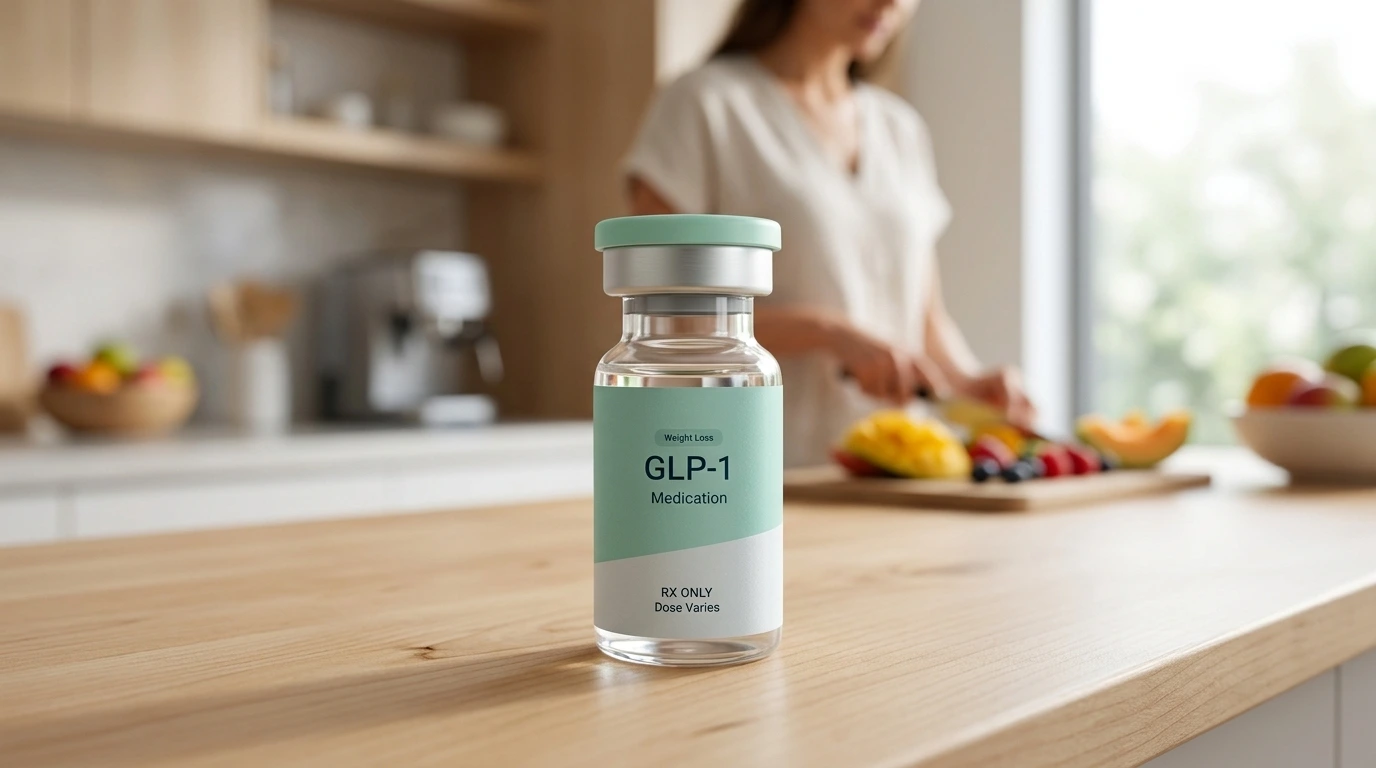
Introduction
Menopause marks a profound physiological transition in a woman’s life, often bringing with it a constellation of changes that can profoundly impact well-being. Among these shifts, weight management frequently emerges as one of the most challenging and frustrating aspects. Many women find that even with consistent diet and exercise, weight begins to accumulate, particularly around the midsection, as they navigate perimenopause and postmenopause. This isn’t just a matter of aesthetics; these changes can influence metabolic health, energy levels, and overall quality of life.
The biological underpinnings of menopausal weight gain are complex, involving a delicate interplay of hormonal fluctuations, changes in metabolism, and evolving lifestyle factors. For years, the options for effectively addressing these specific challenges felt limited. However, with advancements in medical science, innovative solutions are now emerging, offering new hope. We’ve seen significant attention drawn to medications like Ozempic, primarily known for its role in managing type 2 diabetes, for its potential benefits in supporting weight management.
This blog post aims to thoroughly explore the intricate connection between menopausal changes and weight, and specifically, to address the pertinent question: does Ozempic work for menopausal women? We will delve into the scientific mechanisms behind weight gain during this life stage, understand how modern medications, particularly GLP-1 receptor agonists, function, and evaluate their specific relevance and efficacy for women navigating menopause.
Our journey at TrimRx began with a shared vision: to help individuals embrace healthier lifestyles by merging cutting-edge telehealth innovations with effective weight loss solutions. We are dedicated to providing a user-friendly and supportive space where individuals receive personalized, medically supervised care. We believe that sustainable weight loss should be achieved through science, empathy, and a transparent approach. This article will reflect our commitment to empowering you with knowledge and outlining how our personalized programs can support your unique path to wellness during this transformative time. By the end, you’ll gain a comprehensive understanding of the science, the options available, and how TrimRx stands as a trustworthy partner in your health journey.
The Unique Landscape of Weight Gain During Menopause
Weight gain during menopause is a widely reported phenomenon, yet it’s often misunderstood as simply a consequence of aging. While age plays a role, the profound hormonal shifts characteristic of menopause create a distinct set of challenges that can make maintaining a healthy weight feel like an uphill battle. For many women, this experience is perplexing, as they may not have altered their eating habits or exercise routines significantly, yet find their bodies transforming in unexpected ways.
Hormonal Shifts and Metabolic Changes
Menopause is officially diagnosed after 12 consecutive months without a menstrual period, typically occurring between the ages of 45 and 55. This period is preceded by perimenopause, a transition phase that can last several years, marked by fluctuating and eventually declining levels of key hormones, primarily estrogen and progesterone. These hormonal changes are central to understanding why weight management becomes more complex.
Estrogen’s Pivotal Role
Estrogen, often associated solely with reproductive health, possesses a multitude of functions throughout the body, including a significant impact on metabolism and body composition. Before menopause, higher estrogen levels tend to direct fat storage towards the lower body (hips and thighs), contributing to the “pear” shape. As estrogen levels embark on their downward trend during perimenopause and menopause, this delicate balance shifts. The body begins to redistribute fat, favoring accumulation around the midsection, leading to the “apple” shape often referred to as “meno belly.” This visceral fat, stored deep within the abdomen, is not only cosmetically bothersome but is also associated with greater health risks, including cardiovascular disease and type 2 diabetes.
Beyond fat distribution, estrogen also plays a crucial role in maintaining muscle mass and strength. It helps preserve muscle tissue and keeps the proteins responsible for muscle contractions healthy. With declining estrogen, maintaining muscle mass becomes more challenging. Estrogen also has an appetite-dampening effect, modulating key hunger hormones like ghrelin (which increases appetite) and leptin (the satiety hormone). When estrogen dips, ghrelin levels can rise, leading to increased appetite, heightened cravings for carbohydrates and sweets, and a general feeling of less control over food intake. This can make adhering to a healthful nutrition plan significantly more difficult.
Muscle Loss and Insulin Resistance
Another significant factor contributing to menopausal weight gain is age-related muscle loss, known as sarcopenia. Starting in their 30s, women can lose 3-5% of their muscle mass per decade, with this loss accelerating after menopause. Muscle is metabolically active tissue, meaning it burns more calories at rest compared to fat. As muscle is replaced by fat, the body’s resting metabolic rate slows down, making it easier to gain weight even if calorie intake remains constant. This substitution of muscle with fat contributes directly to a slowed metabolism and makes weight loss more challenging.
Moreover, muscle is a critical player in blood sugar regulation. When muscle mass declines, cells can become less efficient at ushering glucose out of the bloodstream to be used for energy. This inefficiency can lead to insulin resistance, a common condition where the body’s cells don’t respond effectively to insulin. With rising insulin and blood sugar levels, the body tends to store excess sugar as fat, further exacerbating weight gain, particularly around the abdomen. Insulin resistance is a precursor to type 2 diabetes and other chronic health conditions, making it a critical concern during menopause.
Beyond Hormones: Lifestyle Contributors
While hormonal changes are primary drivers, other aspects of midlife can further complicate weight management during menopause.
The Impact of Sleep and Stress
The hormonal fluctuations of menopause often disrupt sleep patterns, leading to insomnia and night sweats. Poor sleep quality is directly linked to weight gain. When exhausted, individuals may avoid physical activity and reach for carbohydrate-rich foods for quick energy. Additionally, inadequate sleep can increase ghrelin levels, further stimulating appetite and cravings.
Midlife is also often a period of increased stress, encompassing job pressures, financial strain, and caring for both children and aging parents. Cortisol, the body’s primary stress hormone, is released in response to chronic stress. Elevated cortisol levels can trigger emotional eating, particularly for high-calorie, comfort foods, and interfere with blood sugar regulation, pushing the body towards insulin resistance and increased fat storage around the midsection.
Understanding these multifaceted challenges underscores why a one-size-fits-all approach to weight management often falls short during menopause. It highlights the need for personalized, science-backed strategies that address the unique physiological and lifestyle factors at play.
Understanding GLP-1 Medications: A New Frontier in Weight Management
The complexities of menopausal weight gain call for comprehensive strategies, and for many, advanced medical interventions now offer a promising avenue. Among these, medications known as GLP-1 receptor agonists have emerged as a significant development, demonstrating effectiveness not only for type 2 diabetes but also for substantial weight management.
What Are GLP-1 Receptor Agonists?
GLP-1 receptor agonists (GLP-1 RAs) are a class of medications that mimic the action of a natural hormone in your body called glucagon-like peptide-1 (GLP-1). This hormone plays a crucial role in regulating appetite, food intake, and glucose metabolism. By activating GLP-1 receptors, these medications initiate a cascade of beneficial effects that can lead to reduced food consumption and improved metabolic health.
How Semaglutide and Tirzepatide Work
While several GLP-1 RAs exist, semaglutide and tirzepatide are two of the most widely recognized for their efficacy in weight management.
Appetite Regulation and Satiety
One of the primary ways these medications work is by influencing your brain’s appetite center. They help to decrease hunger signals and increase feelings of fullness or satiety after eating, often referred to as quietening “food noise.” This allows individuals to feel satisfied with smaller portions and reduces the urge to snack or overeat, making dietary adherence more manageable. Additionally, GLP-1 RAs slow down gastric emptying, meaning food stays in your stomach longer, further contributing to prolonged feelings of fullness.
Metabolic Benefits
Beyond appetite control, GLP-1 RAs offer significant metabolic advantages. They stimulate insulin release from the pancreas when blood sugar levels are high, helping to lower blood glucose. They also suppress glucagon secretion, another hormone that raises blood sugar. For menopausal women, who may experience increased insulin resistance, these metabolic effects are particularly beneficial. By improving insulin sensitivity and blood sugar control, these medications can mitigate some of the cardiometabolic risks associated with menopausal weight gain, such as the increased risk of type 2 diabetes and cardiovascular diseases.
Our Comprehensive Medication Offerings
At TrimRx, we are committed to providing access to clinically proven medications through a safe and transparent process. Our product offerings are carefully curated to provide effective solutions for personalized weight loss.
Branded and Compounded Options
For those whose individual health profile suggests eligibility, we offer a range of prescription weight loss medications, including both branded and compounded forms:
- Branded Medications: We provide access to [Ozempic®], [Wegovy®], [Mounjaro®], and [Zepbound®]. These are FDA-approved medications that contain semaglutide or tirzepatide and are well-established for their effectiveness in weight management and/or diabetes treatment.
- Compounded Medications: We also offer [Compounded Semaglutide], [Oral Semaglutide], [Compounded Tirzepatide], and [Oral Tirzepatide]. It’s important to understand that compounded medications are prepared by a licensed pharmacy for an individual patient based on a prescription from a licensed healthcare provider. While compounded medications themselves are not FDA-approved, we partner exclusively with FDA-registered and inspected pharmacies for the shipping of these weight loss medications. This ensures that the medications you receive meet stringent quality and safety standards.
We stress that our comprehensive service includes everything you need: doctor consultations, necessary lab work, the medication itself, unlimited support from our team, and convenient shipping—all with no hidden fees. To determine if you qualify for these prescription medications and to receive a personalized treatment plan, we invite you to [take our free assessment quiz].
Addressing the Core Question: Does Ozempic Work for Menopausal Women?
The central question for many women is whether medications like Ozempic (semaglutide) can effectively address the unique weight challenges of menopause. Emerging research and clinical experience suggest a promising role for GLP-1 receptor agonists in this demographic, offering both significant benefits and important considerations for long-term health.
Evidence-Based Benefits for Menopausal Weight Management
Clinical studies, while often not specifically focused on menopausal women, have consistently demonstrated the efficacy of semaglutide for weight loss in overweight and obese individuals. These findings are highly relevant given the physiological changes women experience during menopause.
Significant Weight Loss Potential
Studies have shown that semaglutide treatment can lead to substantial weight reduction. For instance, in overweight and obese patients, semaglutide has been associated with an average of 5.9% body weight lost after three months and 10.9% after six months. For menopausal women struggling with weight gain that is resistant to traditional diet and exercise, such significant weight loss can be transformative. This reduction can be particularly impactful around the abdomen, helping to improve body composition and address the “meno belly” often associated with declining estrogen levels.
Improved Metabolic Health Outcomes
Beyond just the number on the scale, GLP-1 medications offer profound metabolic benefits that are especially pertinent for menopausal women. As we discussed, menopause can increase the risk of insulin resistance, type 2 diabetes, and cardiovascular diseases. Medications like Ozempic and Mounjaro (tirzepatide) help restore insulin sensitivity, leading to better blood sugar control and improved lipid profiles. These effects collectively contribute to a reduction in cardiometabolic risk factors, providing a crucial layer of protection during a life stage where these risks naturally elevate. By supporting weight management goals, GLP-1s can indirectly help manage other common menopausal symptoms. Weight loss can be an effective treatment for vasomotor symptoms like hot flashes and night sweats, which are common and can significantly impact quality of life.
Enhancing Overall Quality of Life
The physical and emotional toll of menopausal weight gain can be substantial, impacting body image, confidence, and overall mood. By supporting effective weight management, GLP-1 medications can contribute to enhanced quality of life. Women often report increased energy levels, improved mood, and greater confidence in their ability to maintain a healthy lifestyle. This can lead to a more positive experience of menopause, allowing women to embrace this transformative phase with vitality.
The Critical Balance: Preserving Lean Muscle Mass
While GLP-1 medications offer powerful weight loss benefits, it is crucial to approach weight management during menopause with a focus on quality weight loss. Losing weight indiscriminately, particularly if it involves a significant loss of lean muscle mass, can have adverse health consequences, especially for older women. We believe in a holistic, medically supervised approach that prioritizes preserving lean tissue.
The Importance of Muscle-Centric Weight Loss
Skeletal muscle is far more than just what helps us move; it is a metabolic powerhouse. It is crucial for blood sugar regulation, acts as a primary storage site for carbohydrates, and contributes significantly to your overall metabolic rate. Losing too much muscle can trigger metabolic dysfunction, leading to increased fasting insulin and blood sugar, which are toxic to the body and increase the risk of cardiovascular disease. Furthermore, lean muscle loss raises the risk of fractures and is an early indicator of osteoporosis, a concern that naturally amplifies during and after menopause. Therefore, the goal is not merely weight loss, but fat loss while preserving precious lean muscle.
Identifying and Mitigating Lean Tissue Loss
Women, particularly postmenopausal women who may not be on hormone replacement therapy, are at a higher risk of muscle loss during weight reduction. This isn’t necessarily due to the medication itself, but rather to the reduced food intake and potentially lower activity levels that can accompany weight loss. Recognizing the signs of lean tissue loss is important. These can include a noticeable decrease in strength, persistent fatigue (beyond the initial adjustment to fewer calories), unhealthy blood sugar or cholesterol levels even with weight loss, and body measurements (like waist and hip circumference) that are not changing proportionally to overall weight loss.
To ensure quality weight loss and protect your lean muscle mass while on a GLP-1 medication, we emphasize several key strategies:
- Nutrition and Protein Intake: Adequate protein intake is vital. We recommend consuming sufficient protein, approximately 0.7 grams per pound of body weight, to support muscle maintenance and satiety. This helps ensure that your body has the building blocks it needs even when consuming fewer calories.
- Strength Training and Physical Activity: Incorporating resistance training into your routine two to three times per week, alongside regular walking or other moderate physical activity, is crucial. This helps signal to your body to preserve muscle mass as you lose fat. “Moving more doesn’t mean going crazy,” as one expert wisely noted, but rather working within your current fitness level and progressively challenging your muscles.
- Optimal Hydration: Staying well-hydrated is a cornerstone of overall health and plays a critical role in metabolic processes, including fat burning. When the body is dehydrated, it can struggle to burn fat efficiently and may resort to burning muscle instead. For individuals on GLP-1 medications, who might experience increased thirst, adequate water intake is even more paramount.
By integrating these strategies, under the guidance of healthcare professionals, women can maximize the benefits of GLP-1 medications while minimizing the risks associated with lean tissue loss, paving the way for truly sustainable and healthy weight management during menopause.
Your Personalized Path to Wellness with TrimRx
At TrimRx, we understand that every woman’s journey through menopause is unique, and so too should be her approach to weight management. Our entire platform is built on the belief that sustainable weight loss should be achieved through science, empathy, and a transparent approach. We aim to be your trusted partner, offering innovative, medically supervised solutions tailored specifically to your individual needs.
Our Vision for Empowered Health
Our journey began with a shared vision to help individuals embrace healthier lifestyles by merging cutting-edge telehealth innovations with effective weight loss solutions. We created a user-friendly and supportive space where personalized, medically supervised care is not just a promise, but a reality. Our brand is empathetic, innovative, trustworthy, supportive, results-oriented, and personalized. We offer compassionate care that respects every individual’s unique journey by combining advanced medical science with modern technology. We are committed to transparent service, highlighting that our approach remains consistent regardless of dosage changes, and our focus on safety by working exclusively with FDA-registered and inspected pharmacies.
Embarking on Your Personalized Weight Loss Journey
If you are a woman navigating menopause and grappling with weight changes, our personalized program is designed to provide you with the tools and support you need.
Our Free Assessment Quiz: Your First Step
The first step toward discovering a tailored solution is our personalized assessment. By [taking our free assessment quiz], you can determine your eligibility for our prescription weight loss medications. This quiz helps our medical team understand your health history, current challenges, and specific needs, allowing us to craft a treatment plan that is truly personalized for you.
Comprehensive Care, Transparent Service
Our comprehensive service ensures that you receive holistic support throughout your weight loss journey. This includes:
- Doctor Consultations: Receive expert guidance from licensed healthcare providers who specialize in weight management.
- Medication Access: If eligible, access to prescription medications such as [Compounded Semaglutide], [Oral Semaglutide], [Ozempic®], [Compounded Tirzepatide], [Oral Tirzepatide], [Mounjaro®], [Zepbound®], or [Wegovy®]. As always, our compounded medications are sourced from FDA-registered and inspected pharmacies, and branded medications are FDA-approved.
- Lab Work: Necessary lab tests are included to monitor your health and progress.
- Unlimited Support: Our dedicated team provides ongoing support to answer your questions and help you stay on track.
- Convenient Shipping: Medications are shipped directly to you, ensuring ease and discretion.
We pride ourselves on offering this comprehensive service with no hidden fees, embodying our commitment to transparency and empowering you with all the resources you need for success.
Supporting Your Journey with Quick-Access Supplements
We recognize that weight management is a multifaceted endeavor, and sometimes, additional support can make a significant difference. For those seeking immediate assistance to complement their overall wellness efforts, we offer quick-access supplements that do not require a quiz or prescription.
GLP-1 Daily Support
Our [GLP-1 Daily Support] supplement is formulated to offer immediate assistance by providing daily support for your body’s natural systems involved in metabolic health and appetite regulation. It’s designed to work synergistically with your body to help you feel your best as you pursue your weight loss goals.
Weight Loss Boost
For an additional edge in your weight loss efforts, consider our [Weight Loss Boost] supplement. This quick-access solution is crafted to help optimize your body’s natural fat-burning processes and energy levels, serving as a powerful ally in achieving your desired outcomes. Both supplements are available for immediate purchase, providing accessible support to enhance your weight loss journey.
A Commitment to Safety and Long-Term Success
Your safety and sustained well-being are paramount to us. Our medically supervised programs ensure that any prescription medication is carefully considered based on your health profile and monitored throughout your treatment. We work exclusively with FDA-registered and inspected pharmacies to ensure the highest quality and safety of all medications. We believe that true success in weight management is a long-term endeavor, and our programs are designed to provide the foundational support, education, and tools necessary for you to achieve and maintain your health goals confidently.
Beyond Medication: A Holistic Approach to Menopausal Vitality
While GLP-1 medications, including Ozempic, offer a powerful tool in the arsenal against menopausal weight gain, it’s crucial to understand that they are most effective when integrated into a broader, holistic strategy. At TrimRx, we believe in supporting your entire well-being, recognizing that medication is one component of a comprehensive approach to health.
Integrating Lifestyle for Sustainable Results
Medications like semaglutide and tirzepatide can be incredibly effective in addressing the physiological drivers of appetite and metabolism that become challenging during menopause. However, they are not a magic bullet. Sustainable, long-term success is built upon the foundation of consistent lifestyle modifications. This includes:
- Mindful Nutrition: Focusing on a balanced diet rich in whole foods, lean proteins, healthy fats, and fiber is essential. The medications can help quiet the “food noise” and reduce cravings, making it easier to make healthier choices and adhere to appropriate portion sizes.
- Regular Physical Activity: Incorporating a mix of cardiovascular exercise and strength training is critical, especially for preserving muscle mass during weight loss. Strength training becomes even more vital in menopause to counteract age-related muscle loss and its metabolic consequences.
- Stress Management: Developing effective strategies for managing stress, such as mindfulness, meditation, or engaging in hobbies, can help lower cortisol levels and reduce stress-induced eating patterns.
- Quality Sleep: Prioritizing good sleep hygiene—creating a consistent sleep schedule, a dark and cool sleep environment, and avoiding screens before bed—can significantly impact hormone regulation, appetite, and overall energy levels.
These lifestyle components work synergistically with medication, enhancing efficacy and promoting overall health beyond just weight loss. They empower you to develop habits that support your well-being long after you initiate your journey.
The Power of Ongoing Support and Education
Navigating the nuances of menopausal health and weight management can feel overwhelming alone. This is where the power of ongoing, expert support and education becomes invaluable. At TrimRx, we are committed to providing you with continuous guidance from licensed healthcare providers who can adapt your personalized plan as your body changes and your needs evolve. Our platform offers a supportive community, giving you the knowledge and encouragement necessary to make informed decisions and maintain motivation. We strive to be more than just a provider of medication; we are your partner in health, dedicated to helping you achieve lasting vitality and confidence throughout menopause and beyond.
Conclusion
The journey through menopause is a testament to a woman’s strength and adaptability, yet the accompanying weight management challenges can feel daunting. We’ve explored the intricate hormonal shifts, metabolic changes, and lifestyle factors that contribute to weight gain during this phase, highlighting why conventional approaches often fall short. Importantly, we’ve addressed the question: does Ozempic work for menopausal women? The answer points to a promising role for GLP-1 medications like Ozempic, offering significant potential for weight loss, improved metabolic health, and an enhanced quality of life when used as part of a medically supervised, personalized plan. However, this journey also requires a critical focus on preserving lean muscle mass and integrating comprehensive lifestyle strategies for sustainable results.
At TrimRx, our entire mission is built on supporting you through these transformations with science, empathy, and transparency. Our innovative platform is designed to provide personalized, medically supervised care, ensuring safe and effective weight loss solutions tailored to your unique needs. Whether you’re considering prescription medications like Ozempic, Wegovy, Mounjaro, or compounded alternatives, or seeking additional support through our quick-access supplements like [GLP-1 Daily Support] and [Weight Loss Boost], we are here to guide you every step of the way.
You don’t have to navigate the complexities of menopausal weight gain alone. We invite you to take the first step towards a healthier, more confident future. Discover if a personalized prescription weight loss plan is right for you by [taking our free assessment quiz]. Let us be your partner in embracing a vibrant and healthy life, offering compassionate care and advanced solutions to empower your wellness journey.
Frequently Asked Questions (FAQ)
1. How do GLP-1 medications specifically address weight gain in menopausal women?
GLP-1 medications, like Ozempic (semaglutide) and Mounjaro (tirzepatide), address menopausal weight gain by mimicking natural hormones that regulate appetite and metabolism. They help reduce hunger, increase feelings of fullness, slow gastric emptying, and improve insulin sensitivity. These actions directly counteract the hormonal shifts and metabolic slowdowns common in menopause, making it easier to reduce calorie intake and promote fat loss, particularly around the abdomen.
2. What steps does TrimRx take to ensure the safety and efficacy of its weight loss programs, especially for prescription medications?
At TrimRx, safety and efficacy are our top priorities. Our prescription weight loss programs include comprehensive doctor consultations, necessary lab work, and continuous medical supervision. We partner exclusively with FDA-registered and inspected pharmacies for the shipping of all weight loss medications. For branded medications like Ozempic® and Zepbound®, we provide access to FDA-approved products. For compounded medications, while the compounds themselves are not FDA-approved, our stringent pharmacy selection ensures they meet high quality and safety standards. Our transparent service ensures you receive medically supervised, personalized care with no hidden fees.
3. Besides prescription medication, what other support options does TrimRx offer for managing menopausal weight changes?
Beyond our personalized prescription programs, TrimRx offers quick-access supplements designed to support overall wellness during your weight loss journey. These include [GLP-1 Daily Support], which aids in metabolic health and appetite regulation, and [Weight Loss Boost], formulated to optimize natural fat-burning processes and energy levels. These supplements are available for immediate purchase without a quiz or prescription, providing complementary support to your health goals.
4. Is long-term use of GLP-1 medications necessary for menopausal weight management?
For many individuals, including menopausal women, GLP-1 medications may need to be continued long-term to maintain their weight loss and metabolic health benefits. These medications act on brain pathways that regulate weight, and discontinuing them can lead to weight regain as the underlying physiological mechanisms revert. However, the decision for long-term use is highly individual and should always be made in consultation with your healthcare provider, who can assess your specific health needs, benefits, and risks. Our programs offer ongoing support to help you navigate these decisions and achieve sustainable results.

Transforming Lives, One Step at a Time
Keep reading

I Took My Ozempic Two Days in a Row by Accident
Call for guidance now rather than waiting to see how you feel. In the United States, Poison Control is available free and around the…

Why Does My Ozempic Injection Sting More Some Weeks Than Others?
Because more variables change between injections than most people realize. Temperature of the medication, which site you used, how deep the needle went, how…

How to Store Your Ozempic Pen During a Power Outage
Keep the refrigerator door closed. An unopened refrigerator holds a safe temperature for roughly four hours, and a full freezer holds for considerably longer….


