Does Ozempic Work if You Don’t Change Your Diet? The Essential Role of Lifestyle in GLP-1 Weight Management
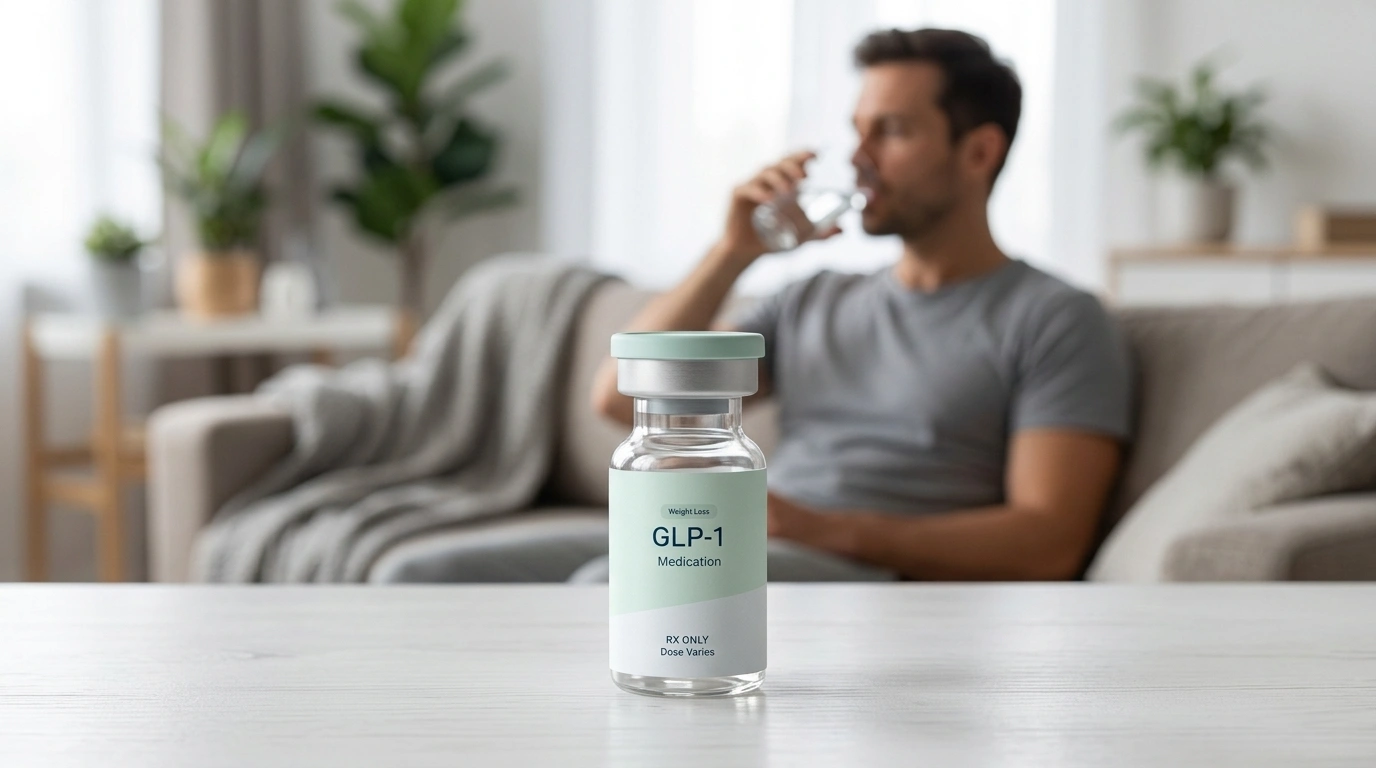
Many individuals embarking on a weight loss journey often seek the most effective tools available, and for good reason. The hope for a significant breakthrough can lead to questions about how different solutions work best. When it comes to advanced weight loss medications like Ozempic, a question we frequently encounter is: does Ozempic work if you don’t change your diet? It’s a natural inquiry, stemming from the impressive capabilities of these medications.
At TrimRx, our journey began with a shared vision to help individuals embrace healthier lifestyles by merging cutting-edge telehealth innovations with effective weight loss solutions. We understand that navigating the complexities of weight loss can feel overwhelming, and it’s why our platform is designed as a user-friendly and supportive space where individuals receive personalized, medically supervised care. Our goal is to make sustainable weight loss attainable and genuinely tailored to your unique needs. We believe that sustainable weight loss should be achieved through science, empathy, and a transparent approach.
This question about diet and medication is more nuanced than a simple yes or no. While medications like Ozempic, which contain the active ingredient semaglutide, are powerful tools in managing weight, their optimal effectiveness and long-term success are inextricably linked to complementary lifestyle modifications. This post will delve deep into how these medications function, why dietary changes are not just recommended but crucial, and how integrating a holistic approach can lead to truly transformative and lasting results. We’ll explore the science, offer practical dietary and exercise guidance, address common challenges, and highlight how TrimRx supports you every step of the way on this comprehensive journey to better health. By the end, you’ll have a clear understanding of the full picture, enabling you to make informed decisions for your health and well-being.
Understanding GLP-1 Medications: More Than Just Appetite Suppression
To truly grasp why diet plays such a pivotal role, we first need to understand how GLP-1 receptor agonists, like the semaglutide in Ozempic, actually work within the body. These medications are not “magic pills” that burn fat or directly cause weight loss; instead, they operate by mimicking a natural gut hormone called Glucagon-Like Peptide-1 (GLP-1). This hormone is released in response to food intake and plays several critical roles in regulating metabolism and appetite.
The Science Behind Semaglutide
Semaglutide’s mechanism of action is multifaceted:
- Appetite Regulation and Satiety: One of its primary effects is to signal to the brain that you’re full and satisfied, which naturally reduces your appetite. This feeling of fullness can lead to a decrease in overall food intake.
- Slowed Gastric Emptying: Semaglutide slows down the rate at which food leaves your stomach. This means you feel fuller for longer after meals, further contributing to reduced calorie consumption throughout the day.
- Insulin Release and Blood Sugar Control: The medication stimulates the pancreas to release insulin when blood sugar levels are high, particularly after a meal. This helps the body convert the food you eat into energy more efficiently, preventing excess sugar from being stored as fat. It also helps in maintaining stable blood sugar levels, which can be beneficial for overall metabolic health and can influence weight management.
The key takeaway here is that while these effects reduce your appetite and make it easier to eat less, they do not inherently dictate what you eat. The medication creates a physiological environment where reducing food intake becomes more manageable, but the choices you make about which foods to reduce, and which to prioritize, profoundly impact your results.
The Indispensable Role of Diet: Does Ozempic Work if You Don’t Change Your Diet?
The direct answer to whether Ozempic works if you don’t change your diet is that while you may experience some initial weight loss due to reduced appetite, it will likely not be optimal, sustainable, or as effective as when combined with mindful dietary changes. The medication is designed to supplement healthy lifestyle interventions, not replace them. Clinical trials that demonstrate the impressive efficacy of semaglutide consistently integrate these medications with a reduced-calorie diet and increased physical activity. Without these foundational lifestyle shifts, you may miss out on significant benefits and find long-term success elusive.
Why Dietary Changes are Non-Negotiable
Relying solely on medication without adjusting your diet overlooks several critical aspects of effective and sustainable weight loss:
- Optimizing Calorie Deficit: GLP-1 medications help reduce appetite, making it easier to achieve a calorie deficit. However, the quality of those calories matters immensely. A diet still high in processed foods, unhealthy fats, and sugars, even in smaller portions, provides fewer nutrients and can still contribute to inflammation and other health issues, potentially hindering your metabolic health and weight loss progress.
- Nutrient Intake: When you eat less, it becomes even more crucial that the foods you do consume are nutrient-dense. Focusing on whole, unprocessed foods ensures your body receives essential vitamins, minerals, protein, and fiber, supporting overall health and energy levels while losing weight.
- Managing Side Effects: Certain foods can exacerbate common side effects of GLP-1 medications, such as nausea, indigestion, and constipation. Making specific dietary adjustments can significantly alleviate these symptoms, making your treatment journey more comfortable and sustainable.
- Building Lasting Habits: Most GLP-1 medications are not intended for indefinite use. If you achieve your weight loss goals, maintaining that weight requires ingrained healthy eating habits. The period on medication is a prime opportunity to build these sustainable practices, ensuring long-term success even after the medication is discontinued. Without these habits, weight regain is a significant risk.
- Holistic Health: Weight loss is just one component of overall health. A balanced, nutritious diet supports cardiovascular health, improves energy, stabilizes mood, and reduces the risk of various chronic diseases, outcomes that extend far beyond simply shedding pounds.
Our approach at TrimRx emphasizes this holistic view. We partner with you to develop not just a medication plan, but a comprehensive strategy that includes the support and guidance needed to make these vital dietary and lifestyle changes.
Crafting a Supportive Eating Plan: What to Embrace
When taking GLP-1 medications, focusing on a nutritious, reduced-calorie diet is paramount. This doesn’t mean extreme deprivation, but rather making smart, sustainable choices that nourish your body and support your weight loss efforts.
Emphasizing Lean Proteins
Protein is your ally in weight loss. It’s highly satiating, meaning it helps you feel full and satisfied for longer, which is incredibly beneficial when your appetite is already reduced by medication. Adequate protein intake is also crucial for preserving lean muscle mass during weight loss. Losing muscle can slow down your metabolism, making it harder to maintain weight loss.
- Sources: Aim for lean protein sources such as chicken breast, turkey, fish, eggs, Greek yogurt, cottage cheese, tofu, tempeh, beans, and lentils.
- Portion Guidance: For many adults, targeting around 1.2-1.6 grams of protein per kilogram of body weight per day can be effective for satiety and muscle preservation during weight loss. This translates to making protein a significant part of every meal.
Boosting Fiber Intake
Fiber-rich foods contribute to satiety, aid digestion, and help regulate blood sugar levels, all of which are supportive when taking GLP-1 medications.
- Sources: Incorporate plenty of fruits (especially with the skin), vegetables, beans, legumes, nuts, seeds, and whole grains like oats and barley.
- Benefits: The fiber helps slow down the absorption of sugars, preventing rapid blood sugar spikes that can work against weight loss efforts. It also adds bulk to your diet without adding many calories.
- Caution: If you experience diarrhea as a side effect, some lower-fiber options like white bread might provide temporary relief. However, generally, high fiber is recommended.
Mindful Hydration
Drinking enough water is fundamental for overall health and can be particularly beneficial during weight loss and when taking GLP-1 medications.
- Satiety: Sometimes, thirst can be mistaken for hunger. Staying well-hydrated can help you feel fuller between meals.
- Digestion: Water is essential for proper digestion, especially with the slowed gastric emptying effect of medications, and can help mitigate constipation.
- Overall Well-being: If you experience side effects like vomiting or diarrhea, maintaining fluid intake is critical to prevent dehydration. Stick primarily to water, and avoid sugary drinks, excessive caffeine, and alcohol.
The Power of Portion Control
GLP-1 medications are highly effective at making you feel full from smaller amounts of food. This is an incredible advantage, and embracing smaller portion sizes is key.
- Avoid Overeating: Eating large portions, even of healthy foods, can lead to discomfort, nausea, or a feeling of being “overstuffed” due to the slower digestion.
- Listen to Your Body: Pay attention to your body’s hunger and fullness cues. Stop eating when you feel satisfied, not necessarily “full” in the traditional sense. This mindful eating approach, combined with the medication’s effects, can greatly enhance your results.
Foods to Approach with Caution (Avoiding Trigger Foods)
While there are no universally “forbidden” foods, certain categories can either make weight loss harder or exacerbate potential side effects.
High-Fat and Greasy Culprits
Foods that are high in fat and grease can be particularly problematic while taking GLP-1 medications.
- Digestive Discomfort: Because the medication slows gastric emptying, high-fat foods, which naturally take longer to digest, can linger in the stomach even longer. This can lead to increased feelings of nausea, heartburn, bloating, and general discomfort.
- Calorie Density: These foods are often very calorie-dense, making it harder to achieve a calorie deficit even with a reduced appetite. Examples include fast food, fried foods, pizza, rich desserts, and heavily processed snacks.
The Impact of High Glycemic Index Foods
The glycemic index (GI) measures how quickly a food causes your blood sugar to rise. High GI foods are rapidly broken down into glucose, causing quick spikes in blood sugar.
- Insulin Response: While Ozempic helps regulate insulin release, constant spikes from high GI foods can trigger excessive insulin production. When blood sugar is too high, beyond what your body needs for immediate energy, the body can store this excess sugar as fat, counteracting your weight loss efforts.
- Examples: Sugary drinks, white bread, pastries, sweets, and highly refined carbohydrates.
- Better Alternatives: Opt for complex carbohydrates and foods with natural sugars, like whole grains, fruits, and vegetables. These are digested more slowly, leading to a gradual and sustained rise in blood sugar, and offer crucial fiber and nutrients.
Dietary Strategies for Managing Side Effects
The slowed gastric emptying caused by GLP-1 medications can sometimes lead to gastrointestinal side effects. Strategic food choices can offer relief:
- Nausea: Try ginger (ginger tea, ginger chews), bland foods like plain crackers or toast, and smaller, more frequent meals. Avoid strong smells or overly rich foods.
- Diarrhea: Focus on lower-fiber foods temporarily, such as white rice, bananas, and toast, to help firm up stools. Ensure ample fluid intake to prevent dehydration.
- Constipation: Increase your fiber intake gradually (from whole grains, fruits, vegetables, and legumes) and ensure you are drinking plenty of water. Mild exercise can also help stimulate bowel movements.
- Heartburn: Avoid spicy, acidic, fatty, or fried foods. Eating smaller meals and not lying down immediately after eating can also help.
TrimRx is committed to transparent service, and our approach remains consistent, highlighting our focus on safety by working exclusively with FDA-registered and inspected pharmacies for the shipping of weight loss medications. Our comprehensive service includes doctor consultations, medication, lab work, unlimited support, and shipping with no hidden fees, all designed to ensure you have the best possible experience throughout your journey.
Beyond the Plate: The Critical Importance of Physical Activity
While diet is a cornerstone, physical activity is the other half of the essential lifestyle equation for achieving optimal and sustainable weight loss with GLP-1 medications. Just like diet, exercise is not replaced by medication; its benefits are synergistic.
Exercise: A Cornerstone of Sustainable Weight Loss
Exercise contributes to weight loss and overall health in numerous ways that medication alone cannot replicate.
- Calorie Expenditure: Physical activity burns calories, helping to deepen the calorie deficit created by dietary changes and medication-induced appetite reduction.
- Fat Loss vs. Muscle Loss: When losing weight, especially rapidly, there’s a risk of losing muscle mass along with fat. Exercise, particularly strength training, helps preserve and even build muscle, which is crucial for a healthy metabolism.
- Metabolic Boost: Muscle tissue is more metabolically active than fat tissue. Maintaining or increasing muscle mass can help keep your metabolism revved, making it easier to burn calories even at rest and maintain weight loss long-term.
- Improved Insulin Sensitivity: Regular physical activity can improve your body’s sensitivity to insulin, further enhancing blood sugar control and metabolic health, complementing the effects of GLP-1 medications.
- Cardiovascular Health: Exercise strengthens your heart and improves circulation, reducing the risk of heart disease—a common comorbidity with obesity.
- Mental Well-being: Beyond physical benefits, exercise is a powerful mood booster, stress reducer, and can improve sleep quality, all of which indirectly support weight loss efforts by mitigating factors like emotional eating and stress-induced weight gain.
Building Muscle, Boosting Metabolism
Incorporating a balanced exercise routine is key.
- Aerobic Activity: Aim for at least 150 minutes of moderate-intensity aerobic exercise per week (e.g., brisk walking, cycling, swimming). Gradually increasing to 300 minutes can yield even greater benefits.
- Resistance Training: Include at least two to three strength-training sessions per week, targeting all major muscle groups. This could involve lifting weights, using resistance bands, or bodyweight exercises. For an individual new to exercise, starting low and going slow, after clearing any major changes with their healthcare provider, is always recommended.
Pairing these exercise routines with a diet rich in lean protein creates an ideal environment for losing fat while preserving or building valuable muscle mass, maximizing the effectiveness of your weight loss program.
When Progress Slows: Navigating Weight Loss Plateaus and Challenges
Even with a comprehensive approach including medication, diet, and exercise, individuals may encounter periods where weight loss seems to stall. This is a common and normal part of the weight loss journey, often referred to as a plateau.
Understanding the Plateau Effect
A weight loss plateau typically occurs after an initial period of more rapid weight loss. As you lose weight, your body’s energy needs change. A smaller body burns fewer calories at rest, and sometimes, a decrease in muscle mass can also contribute to a metabolic slowdown. Your body is incredibly adaptive, and it adjusts to the new caloric intake and activity levels. This can lead to a point where your calorie intake matches your expenditure, halting further weight loss. Hormonal changes, which can increase hunger for high-calorie foods, may also occur.
When encountering a plateau while on GLP-1 medications, it’s not a sign of failure but an indication to re-evaluate and potentially adjust your strategies.
Other Factors Influencing Results
If you find that your weight loss is not progressing as expected, it’s important to consider a range of factors beyond just diet and exercise.
Dosage and Adherence
- Titration Period: GLP-1 medications like Ozempic are typically started at a low dose and gradually increased (titrated) over several weeks or months to help your body adjust and minimize side effects. Significant weight loss often becomes more noticeable at higher, maintenance doses. Patience during this titration period is essential.
- Consistency: Like any prescription medication, Ozempic works best when taken as prescribed. Skipping doses or inconsistent timing can reduce its efficacy, as the dosing schedule is optimized based on the drug’s half-life. Setting reminders or pairing your dose with a consistent weekly activity can help maintain adherence.
- Individual Response: Everyone’s body reacts differently. While many experience significant weight loss, some individuals may have a less pronounced response to a particular dose or medication. Our medical team is dedicated to finding the right fit for your unique physiological response.
Sleep, Stress, and Hormones
These often-overlooked factors can significantly impact weight loss.
- Sleep Deprivation: Lack of quality sleep disrupts hunger-regulating hormones. It increases ghrelin (the hunger hormone) and decreases leptin (the satiety hormone), leading to increased appetite and cravings, particularly for high-calorie foods. It also raises cortisol levels, which can promote fat storage.
- Chronic Stress: Similar to sleep deprivation, chronic stress elevates cortisol, leading to increased appetite, cravings, and a tendency to store fat around the abdomen. Stress can also lead to emotional eating behaviors.
- Hormonal Imbalances: Beyond stress and sleep, other hormonal conditions (e.g., hypothyroidism) can impact metabolism and make weight loss challenging, regardless of medication.
Underlying Health Conditions and Medications
Certain pre-existing health conditions or other medications you may be taking can interfere with weight loss efforts or the effectiveness of GLP-1 medications.
- Insulin Resistance/Type 2 Diabetes: Individuals with type 2 diabetes, who often have established metabolic disease, may experience a somewhat reduced weight loss response compared to those without diabetes. This is because their bodies’ ability to respond to GLP-1 and stimulate insulin secretion might be diminished.
- Other Medications: Some medications, such as certain antidepressants, oral steroids, beta-blockers, or specific diabetes medications, can promote weight gain or make weight loss more difficult. It’s crucial to discuss all medications with your healthcare provider to ensure a cohesive treatment plan.
- Eating Disorders: In some cases, undiagnosed or untreated eating disorders can hinder progress. Addressing these underlying issues with professional support is vital.
The Quality of Your Medication Source
When considering weight loss medications, especially compounded options, the source matters. We emphasize that at TrimRx, we partner exclusively with FDA-registered and inspected pharmacies for the shipping of weight loss medications. This commitment to working with reputable pharmacies is part of our unwavering dedication to safety and efficacy, ensuring that you receive high-quality medication as part of your personalized treatment plan. Our priority is to provide a trustworthy and safe pathway to achieve your weight loss goals. For specific branded medications like Ozempic®, Mounjaro®, Zepbound®, and Wegovy®, we can reference their FDA approval where relevant.
If you are experiencing slow or no weight loss, we encourage you to take our free assessment quiz to explore our personalized weight loss programs, which include comprehensive support and medically supervised care to address these multifaceted challenges.
TrimRx’s Approach: Your Partner in Personalized Weight Loss
At TrimRx, we understand that true weight loss success isn’t just about a number on a scale; it’s about embracing a healthier, more vibrant life. Our journey began with a shared vision to help individuals achieve this by merging cutting-edge telehealth innovations with effective, safe, and personalized weight loss solutions.
Our Vision and Values
We believe that sustainable weight loss should be achieved through science, empathy, and a transparent approach. Our brand is empathetic, innovative, trustworthy, supportive, results-oriented, and profoundly personalized. We offer compassionate care that respects every individual’s unique journey, combining advanced medical science with modern technology to deliver a truly tailored experience. We are committed to transparent service, ensuring our approach remains consistent regardless of dosage changes, and our focus on safety is paramount, working exclusively with FDA-registered and inspected pharmacies.
Comprehensive Care for Lasting Change
Our personalized weight loss programs are designed to provide you with everything you need for a successful and sustainable journey. When you choose TrimRx, you’re not just getting medication; you’re gaining a dedicated partner and a comprehensive support system that includes:
- Doctor Consultations: Personalized medical evaluations to determine the most appropriate treatment plan for you.
- Medication: Access to clinically proven prescription weight loss medications, provided through our trusted FDA-registered and inspected pharmacies. These may include Compounded Semaglutide, Oral Semaglutide, Ozempic®, Compounded Tirzepatide, Oral Tirzepatide, Mounjaro®, Zepbound®, or Wegovy®, depending on your eligibility and medical needs.
- Lab Work: Essential diagnostics to ensure your treatment plan is safe and effective for your body.
- Unlimited Support: Ongoing guidance and assistance from our caring team throughout your journey.
- Shipping with No Hidden Fees: Transparent service from start to finish.
We believe that this integrated approach, combining the power of medication with expert guidance on diet, exercise, and overall well-being, is the most effective path to lasting results.
Exploring Your Personalized Pathway
Are you ready to discover a personalized approach to weight loss that considers your unique needs and goals? We invite you to take our free assessment quiz today to see if you qualify for our prescription weight loss medications. This quick and confidential quiz is your first step towards understanding how a medically supervised program tailored to you can make a profound difference.
Immediate Support for Your Journey
For those seeking immediate support for their overall wellness during their weight loss journey, we also offer a range of quick-access supplements that do not require a quiz:
- GLP-1 Daily Support: Designed to support your body’s natural processes.
- Weight Loss Boost: Formulated to complement your efforts.
These supplements are available for immediate purchase to provide an additional layer of support as you work towards your health goals.
Conclusion
The question, “does Ozempic work if you don’t change your diet?”, ultimately leads to a resounding message: while powerful, GLP-1 medications like Ozempic achieve their best and most sustainable results when integrated with dedicated lifestyle modifications. The medication creates an opportune environment by reducing appetite and slowing digestion, but your proactive choices in diet and exercise are what truly maximize these benefits.
By embracing a nutritious, calorie-conscious diet rich in lean protein and fiber, managing portion sizes, and incorporating regular physical activity, you not only enhance the effectiveness of your medication but also build foundational habits that are critical for long-term weight management and overall health. Addressing factors like sleep, stress, and consistent medication adherence further strengthens your pathway to success.
At TrimRx, we are more than just a provider of medication; we are your dedicated partner in health. Our comprehensive, personalized, and medically supervised weight loss programs offer the tools, support, and expert guidance you need to navigate this journey successfully. We are here to help you understand your body, optimize your nutrition, encourage physical activity, and foster sustainable habits that extend far beyond the duration of medication. We invite you to explore how our science-backed, empathetic approach can empower you to achieve your health goals and embrace a healthier, more vibrant future. Take our free assessment quiz today to see if you qualify and start your personalized journey with TrimRx.
Frequently Asked Questions
Q1: Can I still eat my favorite “unhealthy” foods while taking Ozempic?
While no specific foods are strictly “off-limits,” it’s highly recommended to limit high-fat, greasy, and high-sugar foods. These types of foods can exacerbate common side effects like nausea and discomfort due to the medication slowing gastric emptying. Consuming them frequently can also hinder your weight loss progress by contributing excess calories and potentially causing blood sugar spikes. Focusing on a balanced, nutritious diet will optimize your results and comfort.
Q2: How long does it take to see weight loss results on Ozempic with lifestyle changes?
Individual results vary, but many people begin to notice weight loss within the first few weeks or months, especially as the dosage is gradually increased. In clinical trials, participants typically saw significant weight loss over 12 weeks and continued to lose more weight with sustained use over a year or more, particularly when combined with a reduced-calorie diet and increased physical activity. Patience and consistency with both medication and lifestyle changes are key.
Q3: What if I’m making diet and exercise changes but still not losing weight?
If you’re making consistent lifestyle changes and taking your medication as prescribed but not seeing expected weight loss, several factors could be at play. This could include being in the early stages of treatment or on a lower dose, experiencing a weight loss plateau, or having other factors like chronic stress, poor sleep, underlying health conditions, or other medications interfering. We encourage you to take our free assessment quiz to discuss these concerns with our medical team, who can help evaluate your individual situation and adjust your personalized plan.
Q4: Does TrimRx offer support for dietary guidance and exercise plans?
Yes, our personalized weight loss programs are designed to offer comprehensive support beyond just medication. While we do not provide actual medical supervision ourselves, our service includes doctor consultations who can discuss your dietary and exercise habits and offer general guidance to support your weight loss journey. Our aim is to empower you with the knowledge and resources to make sustainable lifestyle changes that complement your medication. You can also explore our quick-access supplements like GLP-1 Daily Support and Weight Loss Boost for immediate wellness support.

Transforming Lives, One Step at a Time
Keep reading

I Took My Ozempic Two Days in a Row by Accident
Call for guidance now rather than waiting to see how you feel. In the United States, Poison Control is available free and around the…

Why Does My Ozempic Injection Sting More Some Weeks Than Others?
Because more variables change between injections than most people realize. Temperature of the medication, which site you used, how deep the needle went, how…

How to Store Your Ozempic Pen During a Power Outage
Keep the refrigerator door closed. An unopened refrigerator holds a safe temperature for roughly four hours, and a full freezer holds for considerably longer….


