Does Ozempic Work for Morbidly Obese Individuals? A Comprehensive Look at GLP-1s and Personalized Weight Loss
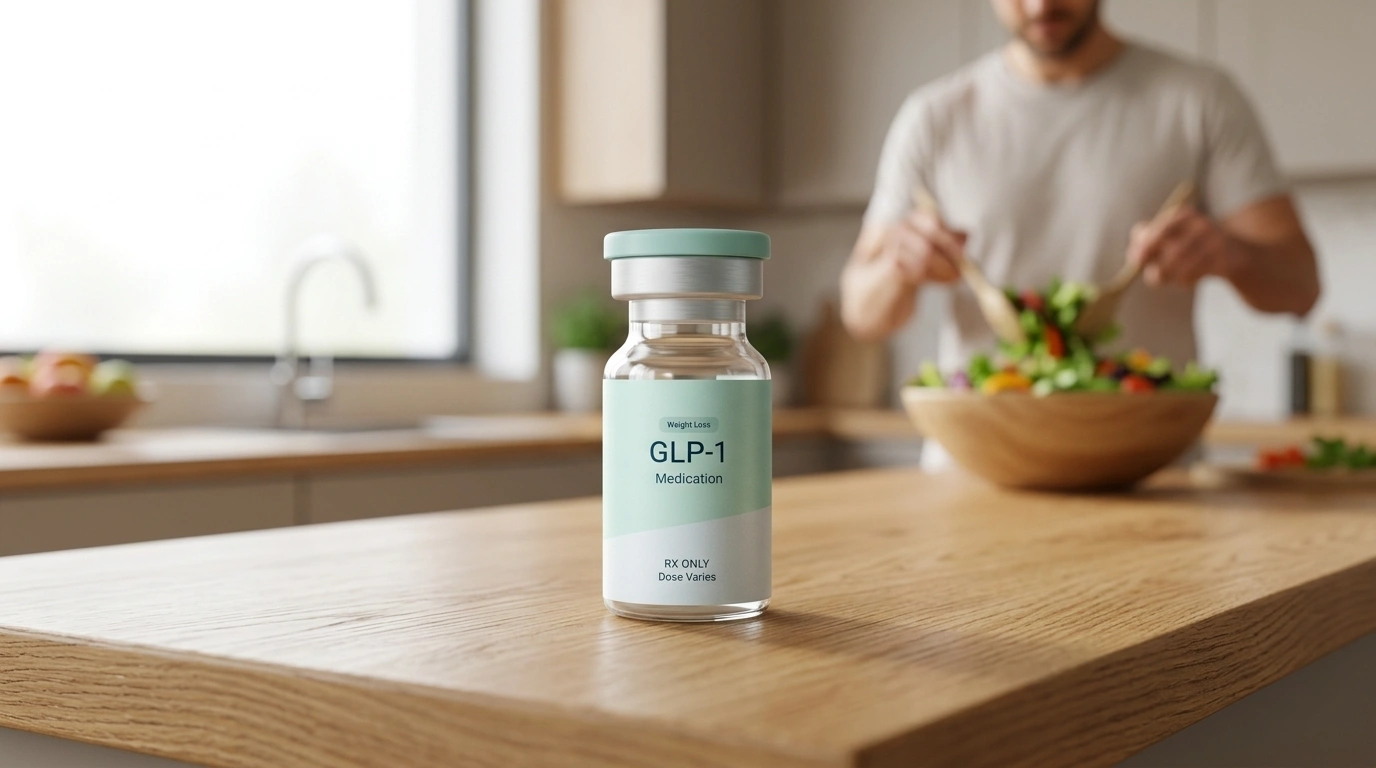
The journey toward achieving and maintaining a healthy weight often feels like navigating a labyrinth, especially when facing the significant challenges of severe obesity. Many individuals find themselves grappling with a complex interplay of biological, environmental, and lifestyle factors that can make sustainable weight loss incredibly difficult. For a long time, the solutions available were limited, often leaving those with a Body Mass Index (BMI) over 40 feeling isolated and without effective options. This deeply personal struggle highlights the critical need for advanced, empathetic, and science-backed approaches.
At TrimRx, our journey began with a shared vision to help individuals embrace healthier lifestyles. We recognized the pressing need to merge cutting-edge telehealth innovations with effective weight loss solutions, creating a user-friendly and supportive space where personalized, medically supervised care is truly attainable and tailored to the individual. We firmly believe that sustainable weight loss should be achieved through science, empathy, and a transparent approach, providing individuals with the tools and support they need to transform their health.
This in-depth post aims to unravel the complexities surrounding modern weight loss treatments, particularly focusing on the role of GLP-1 receptor agonists like Ozempic, and how they fit into the broader landscape of managing morbid obesity. We will explore how these innovative medications work, their efficacy, potential benefits, and common challenges. Furthermore, we will delve into how such medical therapies compare with established interventions like bariatric surgery, providing a holistic understanding of available options. By the end of this article, you will have a clearer picture of whether Ozempic is a viable path for individuals with morbid obesity and how a personalized, medically supervised program can offer a beacon of hope. We will outline the criteria for considering these treatments, discuss the importance of integrating lifestyle changes, and highlight how our comprehensive programs at TrimRx are designed to support every step of your weight loss journey.
Understanding Morbid Obesity: Beyond the Numbers
Morbid obesity, also known as Class III obesity, is a severe medical condition characterized by a Body Mass Index (BMI) of 40 or higher, or a BMI of 35 or higher accompanied by significant obesity-related health conditions (comorbidities). These comorbidities can include Type 2 diabetes, high blood pressure (hypertension), cardiovascular disease, obstructive sleep apnea, certain cancers, non-alcoholic fatty liver disease, and severe joint problems. The impact of morbid obesity extends far beyond physical health, often affecting mental well-being, quality of life, and overall life expectancy.
For decades, obesity was often misunderstood and misattributed solely to a lack of willpower or poor lifestyle choices. However, medical science increasingly recognizes obesity as a complex chronic disease influenced by genetics, hormones, metabolism, environment, and psychological factors. This shift in understanding is crucial, as it paves the way for more effective, compassionate, and medically-driven treatment strategies. Recognizing obesity as a disease underscores the necessity for comprehensive, long-term management strategies, rather than quick fixes or simplistic dietary interventions.
The Health Risks Associated with Morbid Obesity
The health risks associated with morbid obesity are extensive and can significantly reduce life expectancy. Individuals with a BMI over 40 face a much higher likelihood of developing severe health complications that can profoundly impact their daily lives and overall health trajectory.
Metabolic and Cardiovascular Risks
Morbid obesity is a major risk factor for a cascade of metabolic and cardiovascular issues. These include Type 2 diabetes, where the body either doesn’t produce enough insulin or doesn’t use insulin effectively, leading to high blood sugar levels. Hypertension, or high blood pressure, is also highly prevalent, straining the heart and blood vessels. Dyslipidemia, characterized by abnormal levels of cholesterol and other fats in the blood, contributes to the development of atherosclerosis, increasing the risk of heart attacks and strokes. The risk of major cardiovascular events, such as heart attack and stroke, is significantly elevated in individuals with morbid obesity, making effective weight management a critical component of preventative care.
Respiratory and Musculoskeletal Complications
Obstructive sleep apnea, a condition where breathing repeatedly stops and starts during sleep, is extremely common among individuals with morbid obesity. This can lead to chronic fatigue, cardiovascular strain, and other serious health problems. The excessive weight also places enormous stress on joints, particularly in the knees, hips, and spine, leading to chronic pain, osteoarthritis, and reduced mobility. This can create a vicious cycle, where pain and reduced mobility make exercise difficult, further hindering weight loss efforts.
Other Significant Health Concerns
Beyond metabolic, cardiovascular, and musculoskeletal issues, morbid obesity is linked to an increased risk of certain cancers, including those of the colon, breast, endometrium, and kidney. Non-alcoholic fatty liver disease (NAFLD), which can progress to more severe liver damage, is also common. Moreover, the psychological burden of living with morbid obesity can be profound, leading to issues such as depression, anxiety, and social stigma. Addressing these multifaceted challenges requires a holistic and personalized approach to care, which is at the heart of our mission at TrimRx. We understand that tackling these issues requires more than just medication; it demands a supportive environment that addresses the full spectrum of an individual’s health needs.
The Role of GLP-1 Medications in Weight Management
The landscape of medical weight loss has been significantly transformed by the advent of GLP-1 receptor agonists. These medications mimic the effects of glucagon-like peptide-1 (GLP-1), a natural hormone produced in the gut that plays a crucial role in regulating appetite and metabolism. By activating GLP-1 receptors, these drugs help to slow gastric emptying, increase feelings of fullness (satiety), and reduce food intake, leading to significant weight loss. They also improve blood sugar control, making them particularly beneficial for individuals with Type 2 diabetes, many of whom also struggle with obesity.
At TrimRx, we leverage these scientifically advanced medications as part of our personalized weight loss programs. Our offerings include FDA-approved branded medications like Ozempic® and Wegovy® (semaglutide), and Zepbound® and Mounjaro® (tirzepatide), as well as compounded and oral forms of Semaglutide and Tirzepatide. These prescription medications are sourced from FDA-registered and inspected pharmacies, ensuring quality and safety. To determine if these powerful treatments are suitable for you, we invite you to take our free assessment quiz.
How GLP-1s Like Ozempic Facilitate Weight Loss
Semaglutide, the active ingredient in Ozempic (approved for Type 2 diabetes) and Wegovy (FDA-approved specifically for chronic weight management), works by mimicking the natural GLP-1 hormone. This hormone, released in response to food intake, signals to the brain that you are less hungry and promotes feelings of fullness.
Impact on Appetite and Satiety
One of the primary mechanisms by which semaglutide aids in weight loss is by influencing the brain’s satiety centers. By binding to GLP-1 receptors in the brain, it tells your brain that you’re full, even when consuming less food. This direct effect on appetite regulation helps individuals reduce their overall caloric intake more easily and consistently. For someone struggling with morbid obesity, this reduction in constant hunger signals can be a game-changer, making adherence to a reduced-calorie diet far more manageable.
Slowing Gastric Emptying
GLP-1s also slow down the rate at which food leaves the stomach. This delayed gastric emptying means that you feel fuller for longer after meals, reducing the urge to snack between meals and overall food consumption. This mechanism is similar to some aspects of bariatric surgery, providing a sense of fullness that helps manage portion sizes and meal frequency. This physiological effect provides a significant advantage over traditional dieting methods, which often leave individuals feeling deprived and constantly hungry.
Metabolic Benefits Beyond Weight Loss
While significant weight loss is a key benefit, semaglutide offers additional metabolic advantages, particularly for those with Type 2 diabetes. It helps the pancreas release more insulin when blood sugar levels are high, and reduces the amount of glucose produced by the liver, leading to improved blood sugar control. Beyond diabetes management, studies have shown that semaglutide can also improve cholesterol levels, lower blood pressure, and reduce the risk of major cardiovascular events. These benefits are particularly pertinent for individuals with morbid obesity, who often have multiple comorbidities.
Efficacy of Ozempic for Morbidly Obese Individuals
Clinical trials have demonstrated that GLP-1 medications can lead to substantial weight loss. For instance, studies on semaglutide (at the higher dose approved for weight management) have shown an average weight loss of approximately 15-17% of total body weight over 68 weeks. This is significantly more than older weight loss medications, which typically resulted in 5-10% weight loss.
For individuals with morbid obesity (BMI over 40), a 15-17% weight loss can translate into a significant number of pounds. For example, a person starting at 300 pounds could lose 45-51 pounds. While this is a considerable achievement and can lead to significant health improvements, it’s important to evaluate whether this level of weight loss is sufficient to reverse severe comorbidities or achieve optimal health for every individual. For some, this may be enough to move them out of the morbidly obese category and significantly improve their health markers. For others, particularly those with very high starting weights or complex health profiles, while beneficial, it may still leave them in a state where further intervention is needed.
Real-World Outcomes and Patient Experiences
In real-world scenarios, the actual weight loss experienced can vary widely among individuals. Factors such as adherence to the medication regimen, consistent lifestyle changes, and individual metabolic responses all play a role. While some patients may achieve remarkable weight loss, even exceeding the average, others may experience more modest results or encounter side effects that limit their ability to continue treatment.
At TrimRx, our empathetic and results-oriented approach emphasizes personalized care. We combine advanced medical science with modern technology to tailor treatment plans to each individual’s unique journey. Our commitment to transparent service means we offer comprehensive support, including doctor consultations, medication (provided through FDA-registered and inspected pharmacies), lab work, unlimited support, and shipping with no hidden fees. To explore if a personalized plan with medications like compounded Semaglutide or Tirzepatide, or branded options like Ozempic, Wegovy, Mounjaro, or Zepbound, could be right for you, we encourage you to take our free assessment quiz today.
Navigating Challenges and Side Effects
While GLP-1 medications like Ozempic offer profound benefits for weight loss and metabolic health, it’s important to acknowledge that they are not without challenges and potential side effects. Understanding these aspects is crucial for setting realistic expectations and ensuring a safe and effective treatment journey. Our goal at TrimRx is to provide compassionate care that respects every individual’s unique journey, combining advanced medical science with modern technology and emphasizing transparent communication.
Common Side Effects
The most frequently reported side effects of GLP-1 medications are gastrointestinal in nature, largely due to their mechanism of slowing gastric emptying. These can include:
- Nausea and Vomiting: Often experienced when first starting the medication or increasing the dose.
- Diarrhea or Constipation: Changes in bowel habits are common, with some individuals experiencing one or the other.
- Abdominal Pain and Cramping: Discomfort in the stomach area can occur.
- Heartburn/Reflux: The slowed digestion can sometimes lead to or worsen symptoms of acid reflux.
- Bloating and Increased Gas: Feelings of fullness and gas are also reported.
These side effects often diminish over time as the body adjusts to the medication, and a gradual dose escalation strategy, which is typical in medically supervised programs, can help mitigate their severity.
Strategies for Managing Side Effects
At TrimRx, our supportive approach includes guidance on managing potential side effects to ensure treatment adherence and comfort. Strategies can include:
- Eating Small, Frequent Meals: This can help reduce the feeling of fullness and prevent overwhelming the digestive system.
- Avoiding Greasy or High-Fat Foods: These foods tend to sit in the stomach longer, potentially exacerbating nausea and discomfort.
- Staying Hydrated: Adequate fluid intake is essential, especially if experiencing diarrhea or vomiting.
- Over-the-Counter Remedies: For mild symptoms like heartburn or nausea, over-the-counter medications can offer relief, but should always be discussed with your healthcare provider.
- Open Communication with Your Provider: Our programs emphasize unlimited support and regular doctor consultations. If side effects are severe or persistent, it’s crucial to communicate with your TrimRx healthcare provider, who can offer personalized advice, adjust dosing, or explore alternative strategies.
Limitations and Considerations for Long-Term Use
GLP-1 medications generally require lifelong use to maintain weight loss results. Stopping the medication often leads to weight regain, a phenomenon observed in clinical studies where individuals regained a significant portion of lost weight within a year of discontinuing treatment. This highlights that obesity is a chronic disease requiring continuous management, similar to other chronic conditions like hypertension or diabetes.
The Importance of Adherence
For the medications to be effective, consistent adherence to the prescribed regimen is vital. Missing doses or prematurely discontinuing treatment can lead to reduced efficacy and a failure to achieve therapeutic goals. Access and cost can sometimes be barriers to long-term adherence for some individuals, though TrimRx aims to simplify access to quality care and medication from FDA-registered and inspected pharmacies as part of our comprehensive service model.
Potential Medical Issues and Contraindications
Certain medical conditions or personal histories can contraindicate the use of GLP-1 medications. These include:
- Personal or family history of medullary thyroid carcinoma (MTC) or Multiple Endocrine Neoplasia syndrome type 2 (MEN 2).
- History of pancreatitis or other pancreatic-related issues.
- Severe kidney disease.
- Type 1 diabetes.
- Diabetic retinopathy (in some cases).
- Pregnancy or breastfeeding.
- Under the age of 18.
Individuals with any of these conditions should discuss alternatives with their healthcare provider. TrimRx’s free assessment quiz is designed to help determine eligibility and ensure that any prescribed treatment plan is safe and appropriate for your specific health profile. Take our free assessment quiz to see if you qualify for our personalized weight loss programs.
GLP-1 Medications vs. Bariatric Surgery: A Comparative Analysis for Morbid Obesity
For individuals grappling with morbid obesity, the decision between medical interventions like GLP-1 medications and bariatric surgery is a critical one. Both approaches offer significant potential for weight loss and improvement in obesity-related comorbidities, but they differ substantially in their mechanisms, efficacy, risks, and long-term implications. At TrimRx, we believe in empowering individuals with comprehensive information to make informed decisions about their health journey.
Weight Loss Outcomes and Efficacy
GLP-1 Medications
As discussed, GLP-1 medications, such as semaglutide (Ozempic/Wegovy) and tirzepatide (Mounjaro/Zepbound), can lead to an average weight loss of 15-20% of total body weight. For someone with morbid obesity, this can translate to significant poundage lost and meaningful improvements in health. For instance, a person weighing 350 pounds might lose 50-70 pounds, which can lower blood pressure, improve blood sugar, and reduce joint strain. This level of weight loss is often enough to alleviate some comorbidities and significantly enhance quality of life. However, for individuals with very high starting weights (e.g., 350+ pounds), this percentage may not bring them down to a “healthy” weight range, though it still provides substantial health benefits.
Bariatric Surgery
Bariatric surgery, including procedures like gastric sleeve (sleeve gastrectomy) and gastric bypass, generally results in more dramatic and rapid weight loss. Patients typically experience an average loss of 25-35% of their total body weight, and sometimes even more. For that same 350-pound individual, this could mean losing 87-122 pounds or more, often bringing them into a healthier weight range and leading to a more complete resolution of comorbidities. Bariatric surgery works by physically reducing stomach size and/or altering the digestive tract to reduce calorie absorption, in addition to influencing gut hormones similar to GLP-1s.
Impact on Health Conditions
Both GLP-1 medications and bariatric surgery are highly effective at improving or even resolving obesity-related health conditions.
- Type 2 Diabetes: Both can lead to significant improvements in blood sugar control, with many patients experiencing diabetes remission after bariatric surgery. GLP-1s also effectively lower A1C levels.
- Cardiovascular Health: Both interventions can improve blood pressure, cholesterol levels, and reduce the risk of major cardiovascular events.
- Sleep Apnea and Joint Pain: Significant weight loss from either approach can dramatically improve obstructive sleep apnea and reduce chronic pain associated with joint stress.
However, bariatric surgery often leads to a quicker and more significant resolution of comorbidities, especially for Type 2 diabetes, often due to the larger magnitude of weight loss and the profound metabolic changes induced by altering the digestive anatomy.
Long-Term Effectiveness and Maintenance
Medication Commitment
GLP-1 medications typically require long-term, often lifelong, use to maintain results. Discontinuation of the medication usually leads to weight regain. This emphasizes that obesity is a chronic disease requiring continuous management, and these medications act as a long-term treatment rather than a temporary fix.
Surgical Durability
Bariatric surgery generally provides more durable and sustained weight loss when combined with long-term support and lifestyle changes. While weight regain can occur even after surgery, the magnitude of initial weight loss and the physiological alterations from the surgery often make long-term maintenance more achievable than with medication alone for individuals with severe obesity.
Risks and Side Effects Comparison
GLP-1 Medications
Side effects are primarily gastrointestinal (nausea, vomiting, diarrhea, constipation). Rare but serious side effects can include pancreatitis or gallbladder issues. They are generally well-tolerated, with side effects often manageable with dose adjustments and lifestyle modifications.
Bariatric Surgery
Bariatric surgery carries higher immediate surgical risks, including infection, bleeding, leaks, and anesthesia complications. Long-term risks can include vitamin deficiencies, ulcers, hernias, and in some cases, reflux or the need for revision surgery. While effective, it is a major intervention requiring significant recovery time and strict post-operative lifestyle adherence.
When to Consider Each Option
The choice between GLP-1 medications and bariatric surgery depends on several individual factors:
- Severity of Obesity and Comorbidities: For individuals with a BMI over 40 (morbidly obese), especially with significant comorbidities, bariatric surgery often offers the best chance for the most substantial and durable weight loss and resolution of health issues.
- Previous Weight Loss Attempts: If extensive lifestyle modifications and medical therapy have been unsuccessful, surgery might be a more appropriate next step.
- Tolerance to Medications: If an individual experiences intolerable side effects with GLP-1s or does not achieve sufficient weight loss, surgery might be considered.
- Readiness for Lifestyle Changes: Both interventions require a commitment to long-term lifestyle changes in diet and exercise.
- Personal Goals and Preferences: Some individuals may prefer to try medication first due to the non-invasive nature, while others may opt for surgery for its greater efficacy despite the invasiveness.
It’s also important to note that GLP-1 medications can be used in conjunction with surgery. For example, they can help reduce weight prior to surgery to lower operative risks, or be used post-surgery to manage plateaus or prevent weight regain.
At TrimRx, we are dedicated to providing a personalized approach to weight loss. Our doctor consultations help individuals understand all their options and determine the safest and most effective strategy for their unique needs. If you’re exploring the best path for your weight loss journey, we encourage you to take our free assessment quiz to connect with our experts and receive a personalized treatment plan.
The TrimRx Approach: Personalized Care and Comprehensive Support
At TrimRx, our core philosophy is rooted in the belief that sustainable weight loss should be achieved through science, empathy, and a transparent approach. We understand that every individual’s journey with weight loss is unique and often challenging, especially for those facing morbid obesity. Our platform is meticulously designed to be a user-friendly and supportive space, providing personalized, medically supervised care that makes sustainable weight loss attainable and tailored to you.
Our brand is built on being empathetic, innovative, trustworthy, supportive, results-oriented, and personalized. We offer compassionate care that respects every individual’s unique journey by combining advanced medical science with modern technology. We are committed to transparent service, ensuring that our approach remains consistent, and our focus on safety means we work exclusively with FDA-registered and inspected pharmacies for the shipping of weight loss medications.
Our Personalized Weight Loss Program
Our flagship offering, the Personalized Weight Loss Program, is designed for individuals seeking significant, medically supervised weight loss. This program includes a range of powerful prescription medications, which require an initial assessment to determine eligibility and tailor a treatment plan specifically for you.
Prescription Medications Available Through Our Program:
- Compounded Semaglutide: A highly effective GLP-1 receptor agonist that aids in appetite control and weight loss.
- Oral Semaglutide: An oral form of semaglutide, offering convenience for some individuals.
- Ozempic® (Semaglutide): An FDA-approved injectable medication for Type 2 diabetes with significant weight loss benefits.
- Compounded Tirzepatide: A dual GLP-1/GIP receptor agonist known for its potent effects on weight loss and glucose control.
- Oral Tirzepatide: The oral version of tirzepatide, providing another convenient option.
- Mounjaro® (Tirzepatide): An FDA-approved injectable medication for Type 2 diabetes, also demonstrating superior weight loss outcomes.
- Zepbound® (Tirzepatide): FDA-approved specifically for chronic weight management.
- Wegovy® (Semaglutide): FDA-approved specifically for chronic weight management.
To begin your journey with these transformative medications, we invite you to take our free assessment quiz. This quiz helps our medical team understand your health profile, determine your eligibility, and craft a personalized treatment plan designed for your success. Our comprehensive service includes doctor consultations, medication sourced from FDA-registered and inspected pharmacies, lab work, unlimited support, and shipping – all with no hidden fees.
Quick-Access Supplements for Holistic Support
Beyond prescription medications, we recognize the importance of immediate support for overall wellness during the weight loss journey. Our quick-access supplements are available for direct purchase, offering complementary benefits to your personalized program or as standalone support.
- GLP-1 Daily Support: This supplement is designed to naturally support GLP-1 pathways, helping to manage appetite and promote healthy digestion. It can be an excellent complement to your prescribed medication or a beneficial addition for those not on prescription GLP-1s.
- Weight Loss Boost: Formulated to enhance metabolic function and energy levels, this supplement can help optimize your body’s fat-burning capabilities and provide an extra push in your weight loss efforts.
These supplements do not require a quiz and can be integrated into your daily routine to support your goals.
Why Choose TrimRx?
Our commitment to your success is unwavering. We prioritize safety by partnering only with FDA-registered and inspected pharmacies for the delivery of your medications. Our approach is holistic, combining medical science with personalized care, continuous support, and transparent communication. We believe in empowering you with the knowledge and tools needed to achieve sustainable weight loss and improve your overall well-being.
Your weight loss journey is a marathon, not a sprint, and we are here to support you every step of the way. Whether you are exploring prescription medications through our personalized program or seeking immediate wellness support with our quick-access supplements, TrimRx is your trusted partner in health. Take our free assessment quiz to embark on a transformative path to a healthier, happier you, or explore our GLP-1 Daily Support and Weight Loss Boost supplements for immediate benefits.
Lifestyle Integration and Long-Term Success
While GLP-1 medications and bariatric surgery offer powerful tools for weight loss, their long-term success is profoundly intertwined with consistent lifestyle changes. These medical interventions are not “cure-alls” but rather catalysts that make it easier for individuals to adopt and maintain healthier habits. At TrimRx, we emphasize that sustainable weight loss and overall well-being are achieved through a holistic approach that integrates medical support with fundamental lifestyle modifications. Our supportive framework is designed to empower you with the knowledge and resources to make these changes lasting.
The Six Pillars of Lifestyle Medicine
To achieve optimal and sustained weight loss results with GLP-1 medications, healthcare experts often advocate for adherence to the “Six Pillars of Lifestyle Medicine.” These foundational principles are crucial for overall health, regardless of whether one is on a weight loss medication, and significantly enhance the effectiveness of anti-obesity treatments.
1. Prioritizing a Nutrient-Dense Diet
Embracing a diet rich in whole, unprocessed foods is paramount. This means focusing on plant-forward meals, lean proteins, and healthy fats while minimizing processed foods, sugary beverages, and excessive saturated fats. GLP-1 medications can help reduce appetite and cravings, making it easier to stick to a healthier eating plan, but the quality of food consumed still matters immensely for nutrition and long-term health. Learning to listen to your body’s new hunger signals and stopping when full is a key behavioral adjustment that becomes more attainable with medication support.
2. Regular Physical Activity
Incorporating regular exercise into your routine is vital. Physical activity not only burns calories but also helps preserve muscle mass during weight loss, improves cardiovascular health, boosts mood, and enhances metabolic function. When individuals lose weight, they can lose both fat and muscle. Exercise, particularly strength training, helps mitigate muscle loss, which is crucial for maintaining a healthy metabolism and preventing injury. Our programs encourage consistent movement as part of a comprehensive strategy for overall well-being.
3. Effective Stress Management
Chronic stress can significantly impede weight loss efforts by influencing hormone levels (like cortisol) that promote fat storage and increase cravings. Developing healthy coping mechanisms for stress—such as meditation, yoga, spending time in nature, or engaging in hobbies—is a critical component of a successful weight management plan.
4. Avoiding Harmful Substances
Limiting or avoiding substances like tobacco and excessive alcohol is essential for overall health and can directly impact weight loss. Alcohol, in particular, adds empty calories and can lower inhibitions, potentially leading to less healthy food choices.
5. Ensuring Quality Sleep
Adequate and restorative sleep is a non-negotiable aspect of weight management. Poor sleep patterns can disrupt hormones that regulate appetite (ghrelin and leptin), leading to increased hunger and cravings. Aiming for 7-9 hours of quality sleep per night supports metabolic health and enhances the body’s ability to recover and repair.
6. Fostering Strong Social Connections
Maintaining strong social relationships with family and friends provides crucial emotional support and accountability. A supportive network can be invaluable during a weight loss journey, offering encouragement, understanding, and shared activities that promote a healthy lifestyle.
The Importance of a Supportive Framework
At TrimRx, we understand that making these lifestyle changes can be challenging, especially when dealing with the complexities of morbid obesity. That’s why our comprehensive service includes doctor consultations, unlimited support, and access to resources that help you integrate these pillars into your daily life. Our team is committed to guiding you through this process, providing personalized advice, and celebrating your successes.
We believe that by combining the power of advanced GLP-1 medications (like compounded Semaglutide or Tirzepatide, or branded options such as Ozempic, Wegovy, Mounjaro, and Zepbound) with a dedicated focus on lifestyle integration, individuals with morbid obesity can achieve not only significant weight loss but also sustained health improvements and a dramatically enhanced quality of life. Our personalized approach ensures that you are not just prescribed a medication, but are enveloped in a supportive ecosystem designed for your long-term success. To discover how our program can be tailored to your unique needs, we invite you to take our free assessment quiz. Additionally, our GLP-1 Daily Support and Weight Loss Boost supplements are readily available to further support your journey.
Conclusion: Embracing a Personalized Path to Health
The journey of addressing morbid obesity is deeply personal, often marked by significant challenges and a search for effective, sustainable solutions. Modern medical advancements, particularly with GLP-1 medications like Ozempic, Wegovy, Mounjaro, and Zepbound, have opened new avenues for individuals seeking substantial weight loss and improved health outcomes. While these medications offer considerable promise, their efficacy, alongside the need for lifelong adherence and potential side effects, highlights the importance of a well-informed and comprehensive approach.
For individuals with morbid obesity, the question of “does Ozempic work for morbidly obese” is not a simple yes or no. These medications can indeed facilitate significant weight loss, averaging 15-20% of total body weight, which can lead to profound improvements in comorbidities like Type 2 diabetes, hypertension, and cardiovascular health. However, for some, particularly those with very high BMIs or complex health profiles, this may be a vital first step or a complementary tool alongside other interventions like bariatric surgery, which typically offers more dramatic and sustained weight loss.
At TrimRx, we stand as a beacon of hope and support, driven by our founding vision to merge cutting-edge telehealth innovations with effective, personalized weight loss solutions. We believe in empowering you to embrace healthier lifestyles through a platform that is user-friendly, supportive, and dedicated to medically supervised care. Our approach is founded on science, empathy, and transparency, ensuring that your path to sustainable weight loss is not only attainable but also uniquely tailored to you.
We are proud to offer a comprehensive suite of solutions, from FDA-registered and inspected pharmacy-sourced prescription medications like Compounded Semaglutide, Oral Semaglutide, Ozempic®, Compounded Tirzepatide, Oral Tirzepatide, Mounjaro®, Zepbound®, and Wegovy®, to immediate-support supplements such as GLP-1 Daily Support and Weight Loss Boost. Our commitment to transparent service means doctor consultations, medication, lab work, unlimited support, and shipping are all part of our cohesive offering, with no hidden fees.
The journey to overcome morbid obesity is multifaceted, requiring not just medication but also a deep commitment to lifestyle integration. By focusing on nutrition, exercise, stress management, quality sleep, and social well-being, you can significantly enhance the long-term success of your weight loss efforts. Our compassionate and results-oriented team is here to guide you through these changes, providing the advanced medical science and modern technology needed to transform your health.
We invite you to take the first step towards a healthier future. Discover if our personalized weight loss programs, featuring medications that can make a profound difference, are right for you by taking our free assessment quiz. Alternatively, explore our GLP-1 Daily Support and Weight Loss Boost supplements to immediately support your overall wellness. Your healthier lifestyle awaits, and we are honored to partner with you every step of the way.
Frequently Asked Questions
Q1: Can Ozempic be used by anyone with morbid obesity?
Ozempic (semaglutide) is FDA-approved for Type 2 diabetes and often prescribed off-label for weight loss, while Wegovy is the higher-dose semaglutide specifically FDA-approved for chronic weight management. Eligibility for these and similar GLP-1 medications depends on a number of factors, including your Body Mass Index (BMI), presence of obesity-related health conditions, medical history, and overall health status. Certain conditions, such as a history of medullary thyroid carcinoma or pancreatitis, can contraindicate their use. A thorough medical evaluation, including a doctor consultation and lab work, is necessary to determine if these medications are safe and appropriate for your individual needs. We encourage you to take our free assessment quiz to see if you qualify for our personalized weight loss programs.
Q2: How much weight can an individual with morbid obesity expect to lose with GLP-1 medications?
Clinical trials for GLP-1 medications like semaglutide (at weight management doses) have shown an average weight loss of approximately 15-17% of total body weight over 68 weeks. For individuals with morbid obesity, this can translate to significant poundage lost, often leading to substantial improvements in health markers and reduction of comorbidities. However, individual results can vary based on factors such as adherence to medication, commitment to lifestyle changes, and unique metabolic responses. While this is a considerable achievement, for some with extremely high starting weights, further intervention may still be considered. Our personalized programs aim to maximize your potential for success through comprehensive support.
Q3: Are GLP-1 medications a permanent solution, or do they require long-term use?
GLP-1 medications, like many treatments for chronic diseases, generally require long-term or even lifelong use to maintain their weight loss benefits and health improvements. Studies indicate that if the medication is stopped, individuals are likely to regain a significant portion of the weight they lost. This underscores the understanding that obesity is a chronic condition that often requires continuous management. Our TrimRx programs emphasize sustained care and unlimited support to help you navigate your long-term health journey effectively, ensuring transparent service throughout.
Q4: What other support does TrimRx offer beyond prescription medications for weight loss?
Beyond prescription medications such as compounded Semaglutide, Oral Semaglutide, Ozempic®, Compounded Tirzepatide, Oral Tirzepatide, Mounjaro®, Zepbound®, and Wegovy®, TrimRx provides a comprehensive support system designed for holistic well-being. This includes thorough doctor consultations, necessary lab work, unlimited support from our compassionate team, and convenient shipping of medications from FDA-registered and inspected pharmacies—all with transparent pricing and no hidden fees. Additionally, we offer quick-access supplements like GLP-1 Daily Support and Weight Loss Boost, available for immediate purchase to further support your metabolic health and overall wellness throughout your weight loss journey.

Transforming Lives, One Step at a Time
Keep reading

Ozempic Changed How You and Your Partner Spend Time
Friday night was a place you both liked and a bottle of something. Sunday was a long breakfast. Holidays were planned around restaurants. That…

Partner Says You’re Not Eating Enough on Ozempic?
It has become a thing at dinner. They watch your plate. You feel watched. Something gets said, or pointedly not said, and the meal…

Weekly Client Dinners on Ozempic: A Plan for Recurring Work Meals
Managing one difficult dinner is a matter of ordering well. Managing four a week indefinitely is a different problem, because anything that relies on…


