Does Ozempic Pills Work? Unpacking Oral Semaglutide for Weight Management
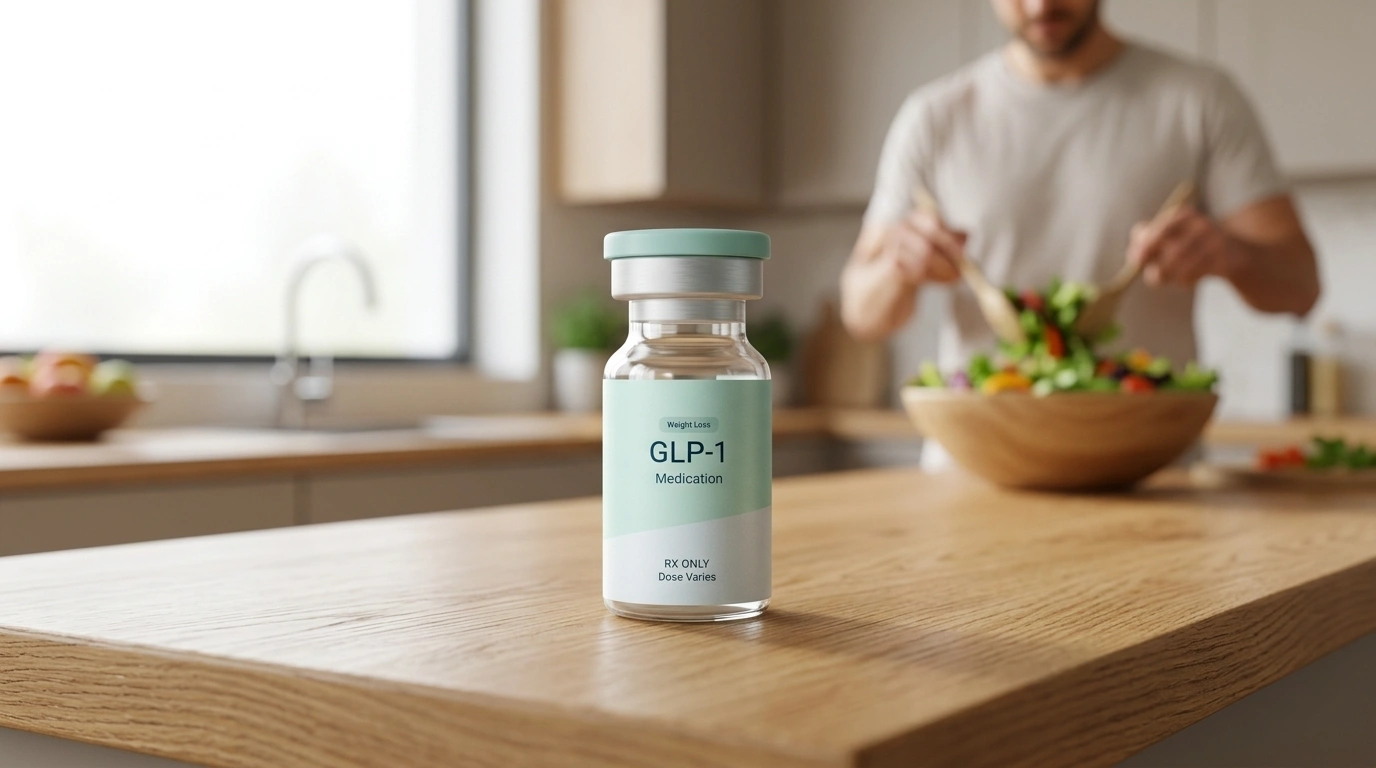
Many of us have, at some point, faced the daunting challenge of weight loss. The journey can feel isolating, frustrating, and often, without clear guidance. With nearly half of American adults grappling with obesity, the search for effective, sustainable solutions is more urgent than ever. In recent years, a class of medications known as GLP-1 receptor agonists has emerged as a significant advancement in this field, initially for managing type 2 diabetes and increasingly for chronic weight management. Among these, semaglutide, known by brand names like Ozempic, has garnered considerable attention. But beyond the well-known injectable forms, questions often arise about oral alternatives: does Ozempic pills work for those seeking a different delivery method?
This comprehensive guide will delve into the science behind semaglutide, specifically exploring its oral form, Rybelsus, and how it compares to its injectable counterparts like Ozempic and Wegovy. We will clarify its mechanisms, discuss its effectiveness for both diabetes and weight loss, and examine the critical role of personalized, medically supervised care in achieving sustainable health outcomes. Our aim is to provide you with a clear, authoritative understanding of these powerful medications, helping you discern if they might be a suitable part of your individual health journey. We believe that sustainable weight loss should be achieved through science, empathy, and a transparent approach, and we are here to support you every step of the way.
Understanding Semaglutide and GLP-1 Agonists
At the heart of the discussion about effective weight management and blood sugar control lies a remarkable class of medications known as GLP-1 receptor agonists. To truly grasp does Ozempic pills work, we must first understand the foundational science of these drugs.
What is GLP-1 and How Does it Influence Our Bodies?
GLP-1, or glucagon-like peptide-1, is a naturally occurring hormone produced in the gut, primarily released after we eat. It plays a crucial role in regulating several bodily functions vital for metabolic health. When food enters the digestive system, GLP-1 signals the pancreas to increase insulin secretion, but only when blood sugar levels are high. This glucose-dependent action is a key safety feature, reducing the risk of dangerously low blood sugar (hypoglycemia) compared to some other diabetes treatments.
Beyond insulin regulation, GLP-1 also signals the brain, telling it that you’re full, thereby curbing appetite. It slows down gastric emptying, meaning food stays in the stomach longer, contributing to a sustained feeling of fullness and reducing overall food intake. Additionally, GLP-1 can reduce glucagon levels, another hormone that raises blood sugar, further contributing to blood sugar control. In essence, GLP-1 acts as a natural orchestrator of satiety, blood sugar balance, and digestion.
The Mechanism of GLP-1 Receptor Agonists
GLP-1 receptor agonists are synthetic versions of this natural hormone, designed to mimic and amplify its effects. By activating GLP-1 receptors throughout the body, these medications achieve several therapeutic benefits:
- Improved Blood Sugar Control: They stimulate insulin release when blood sugar is elevated and suppress glucagon, leading to lower A1C levels—a key marker for diabetes management.
- Appetite Regulation and Satiety: By sending stronger signals to the brain that you’re full, and by slowing digestion, these medications significantly reduce hunger and cravings. This often leads to a natural reduction in calorie intake without the constant struggle of willpower.
- Cardiovascular Benefits: Research has shown that some GLP-1 receptor agonists can reduce the risk of major cardiovascular events like heart attacks and strokes in individuals with type 2 diabetes and established heart disease.
- Kidney Protection: For patients with type 2 diabetes and chronic kidney disease, these medications have demonstrated a reduction in the risk of kidney disease progression and related cardiovascular mortality.
These multifaceted effects highlight why GLP-1 receptor agonists represent a significant shift in how we approach conditions like type 2 diabetes and, increasingly, chronic weight management.
Ozempic and its Primary Role
Ozempic, with its active ingredient semaglutide, has become a household name, largely due to its profound impact on health. However, understanding its initial and primary FDA-approved purpose is crucial before exploring the question, does Ozempic pills work for weight loss.
FDA Approval and Intended Use
Ozempic was approved by the U.S. Food and Drug Administration (FDA) in 2017 for adults with type 2 diabetes. Its primary indications are:
- To improve blood sugar (glucose) control: Used alongside diet and exercise, Ozempic helps lower HbA1c levels, which is the average blood sugar level over the past 2-3 months. Clinical trials have shown a significant percentage of patients achieving A1C targets.
- To reduce the risk of major cardiovascular events: For adults with type 2 diabetes and known heart disease, Ozempic has been shown to lower the risk of heart attack, stroke, or death.
- To reduce the risk of kidney function decline: In patients with type 2 diabetes and chronic kidney disease, it helps slow the worsening of kidney disease and improve cardiovascular outcomes.
It’s important to reiterate that Ozempic is a weekly injectable medication, and while weight loss is a well-documented side effect, it is not FDA-approved specifically for weight loss. The active ingredient, semaglutide, is indeed approved for weight management at a higher dose under a different brand name, Wegovy, which we will discuss further. This distinction is vital for understanding prescription practices and insurance coverage.
Weight Loss as a Significant Side Effect
While not its primary indication, the weight loss experienced by individuals taking Ozempic for type 2 diabetes has been remarkable and widely recognized. This effect stems from semaglutide’s GLP-1 mimetic properties, leading to reduced appetite, increased satiety, and delayed gastric emptying. In clinical trials, patients on Ozempic have consistently shown significant weight reductions compared to placebo groups.
This observed weight loss spurred further research, ultimately leading to the development and approval of higher-dose semaglutide specifically for chronic weight management. This highlights the powerful potential of GLP-1 agonism not just in diabetes care, but also in addressing the complex disease of obesity.
The Rise of Oral Semaglutide: Rybelsus
When considering does Ozempic pills work, the conversation naturally shifts to Rybelsus. Rybelsus is the oral form of semaglutide, offering a needle-free alternative for individuals who may prefer pills over injections.
Rybelsus: The Oral Form of Semaglutide
Rybelsus contains the same active ingredient, semaglutide, as Ozempic and Wegovy. It is manufactured by the same company, Novo Nordisk. However, unlike its injectable counterparts, Rybelsus is a daily pill. This oral formulation represents a significant advancement, offering a different way to deliver the benefits of semaglutide.
It’s crucial to understand that while it’s the “pill form of Ozempic” in terms of active ingredient, its FDA approval, dosing, and administration differ. Rybelsus is currently FDA-approved for improving blood sugar control in adults with type 2 diabetes, similar to Ozempic’s primary indication. It is not currently approved specifically for weight loss, though weight loss is a known effect, just as with injectable Ozempic.
Dosage and Effectiveness Compared to Injectable Ozempic
When comparing Rybelsus to injectable Ozempic, dosage is a key differentiating factor. Rybelsus is currently available in daily doses of 3 mg, 7 mg, and 14 mg. Due to the way semaglutide is absorbed in the stomach, much higher oral doses are needed to achieve effects comparable to lower injectable doses. For example, the maximum 14 mg daily dose of Rybelsus is considered roughly equivalent in metabolic effect to the 0.5 mg weekly starter dose of injectable Ozempic.
Clinical trials have shown that Rybelsus can lead to clinically significant weight loss and blood sugar improvements in people with type 2 diabetes. Studies comparing oral and injectable semaglutide have often found similar effectiveness for A1C reduction and weight loss at comparable dosages. For instance, a 1.3 percentage point drop in A1C and around 10 pounds of weight loss were observed with both Rybelsus 14 mg daily and Ozempic 0.5 mg weekly.
However, injectable Ozempic is available in higher doses (up to 2 mg weekly), and Wegovy (also semaglutide) goes even higher (2.4 mg weekly). At these higher injectable doses, greater A1C reductions and more substantial weight loss have been observed (e.g., Ozempic 2 mg leading to a 2.2 percentage point A1C drop and 15 pounds of weight loss). Currently, Rybelsus at its approved doses cannot match the maximum effectiveness of these higher injectable doses for weight loss.
The Future of Oral Semaglutide for Weight Management
The question does Ozempic pills work for weight loss is being actively explored by researchers and manufacturers. Novo Nordisk has been investigating higher doses of oral semaglutide, beyond the currently approved 14 mg for diabetes.
The OASIS 1 trial, for instance, tested a 50 mg daily oral semaglutide dose in individuals who were overweight or had obesity, but not diabetes. Participants achieved an average of 15.1% total body weight loss over 68 weeks. This level of weight loss is comparable to that seen with the maximum dose of injectable semaglutide (Wegovy). Novo Nordisk has submitted this higher-dose oral semaglutide for regulatory approval as a weight loss therapy. This indicates a strong possibility that a higher-dose oral semaglutide specifically approved for weight management may become available in the future, offering a potent non-injectable option.
Practical Considerations for Taking Rybelsus
While the pill form offers convenience, taking Rybelsus comes with specific instructions to ensure proper absorption and effectiveness. It must be taken on an empty stomach first thing in the morning, with only a small amount (up to 4 ounces) of plain water. Critically, one must wait at least 30 minutes before eating, drinking anything else, or taking other oral medications. Deviating from this strict regimen can significantly impact the drug’s absorption and, consequently, its effectiveness. This “hassle” can be a deterrent for some, contrasting with the flexibility of a once-weekly injectable that can be taken at any time of day, with or without meals.
Semaglutide and Tirzepatide for Weight Management: Beyond Ozempic’s Label
While our central question is does Ozempic pills work, it’s crucial to broaden our understanding to how semaglutide and other GLP-1-based medications are used explicitly for chronic weight management. This often involves different formulations and higher doses.
Wegovy: Semaglutide Specifically for Weight Loss
Wegovy is another brand name for semaglutide, the exact same active ingredient found in Ozempic and Rybelsus. However, Wegovy is specifically FDA-approved for chronic weight management in adults with obesity or those who are overweight with at least one weight-related comorbidity (like high blood pressure or high cholesterol). The key difference lies in the dosage: Wegovy is administered as a once-weekly injection at a higher maximum dose (2.4 mg) than Ozempic’s maximum approved dose for diabetes (2 mg). This higher dose is what drives greater weight loss outcomes in clinical trials specifically for obesity.
Research has shown that patients taking Wegovy, when combined with lifestyle interventions, can achieve an average of 15-17% total body weight loss. This significant reduction can lead to improvements in various obesity-related health conditions, further solidifying the role of semaglutide in comprehensive weight management strategies.
Tirzepatide: A Dual-Action Approach with Zepbound
Beyond semaglutide, another groundbreaking medication, tirzepatide, has emerged. Known as Mounjaro for type 2 diabetes and Zepbound for chronic weight management, tirzepatide is a unique GLP-1 and GIP (glucose-dependent insulinotropic polypeptide) receptor agonist. By mimicking two natural hormones, it offers an even more potent effect on blood sugar control and appetite suppression.
Zepbound, like Wegovy, is a once-weekly injectable specifically FDA-approved for chronic weight management. Clinical trials for tirzepatide have demonstrated even greater average weight loss, with some participants achieving over 20% of their body weight loss. This dual agonism represents another leap forward in medical weight loss, providing individuals with more options for significant and sustained results.
The Role of Medication in a Holistic Weight Management Plan
It’s vital to emphasize that these powerful medications, whether injectable semaglutide (Ozempic/Wegovy), oral semaglutide (Rybelsus), or dual agonists like tirzepatide (Zepbound/Mounjaro), are most effective when integrated into a comprehensive weight management program. They are tools to help reset the body’s metabolic signals, reduce hunger, and promote satiety, but they are not magic bullets.
At TrimRx, our journey began with a shared vision to help individuals embrace healthier lifestyles by merging cutting-edge telehealth innovations with effective weight loss solutions. Our platform is a user-friendly and supportive space where individuals receive personalized, medically supervised care—all designed to make sustainable weight loss attainable and tailored to the individual. We believe that sustainable weight loss should be achieved through science, empathy, and a transparent approach. Medications like those discussed here work synergistically with lifestyle adjustments, including balanced nutrition, regular physical activity, and behavioral support. These elements collectively contribute to long-term success and overall well-being.
How GLP-1 Medications Facilitate Weight Loss
Understanding the practical applications and brand names is important, but equally critical is grasping the fundamental science behind does Ozempic pills work and how GLP-1 medications in general lead to weight loss. It’s more than just “eating less”; it’s a profound physiological rebalancing.
Modulating Appetite and Satiety Signals
The primary mechanism by which GLP-1 receptor agonists induce weight loss is through their powerful influence on appetite and satiety. Here’s how:
- Brain Signals: When GLP-1 levels rise, whether naturally or due to medication, these molecules travel to the brain, specifically to centers that regulate hunger and fullness. They send strong signals that tell your brain you are satisfied and full, thereby reducing the desire to eat. This often translates to significantly decreased food cravings and a diminished preoccupation with food.
- Delayed Gastric Emptying: GLP-1 agonists slow down the rate at which food leaves the stomach and enters the small intestine. This means you feel fuller for a longer period after meals. The extended presence of food in the stomach contributes to prolonged satiety, reducing the urge to snack between meals and overall calorie intake.
- Hormonal Impact: By mimicking the natural GLP-1 hormone, these medications help regulate the release of other hormones involved in metabolism, creating a more favorable environment for weight loss. This includes increasing insulin sensitivity and reducing glucose production by the liver.
These combined effects lead to a natural reduction in caloric intake without the intense struggle and deprivation often associated with traditional dieting. For many, this makes sticking to a calorie-reduced diet much more manageable, fostering consistency and leading to sustainable weight loss.
The Role of Metabolism and Fat Storage
Beyond appetite suppression, GLP-1 medications can have broader metabolic effects that support weight loss:
- Improved Insulin Sensitivity: By helping the body respond more effectively to insulin, GLP-1 agonists can improve how cells utilize glucose, reducing the likelihood of excess glucose being stored as fat.
- Potential for Fat Loss: While all weight loss involves a reduction in both fat and muscle mass, the significant weight loss achieved with GLP-1 medications is largely driven by fat loss, particularly visceral fat, which is associated with higher health risks. However, maintaining adequate protein intake is crucial to mitigate muscle loss, especially for older adults.
The ability of these medications to profoundly influence the body’s natural hunger and satiety signals, coupled with their metabolic benefits, is why they represent such a powerful tool in chronic weight management. They help to reset a body that may have been fighting against its natural physiological cues, making healthy eating patterns feel more natural and less like a constant battle.
Navigating Side Effects and Risks
As with any medication, understanding potential side effects and risks associated with GLP-1 receptor agonists, including the question of does Ozempic pills work without complications, is crucial. While generally well-tolerated, awareness allows for proactive management and informed decision-making.
Common Side Effects
The most frequently reported side effects of semaglutide (both oral and injectable) and tirzepatide are gastrointestinal in nature. These often occur when initiating treatment or increasing the dose, and typically subside as the body adjusts. Common side effects include:
- Nausea: This is one of the most common complaints, experienced by a significant percentage of users.
- Vomiting: Can occur, though often less frequently than nausea.
- Diarrhea: Some individuals may experience loose stools.
- Constipation: Others may find their bowel movements become less frequent.
- Abdominal Discomfort/Pain: Feelings of bloating, cramping, or general discomfort in the stomach area.
To minimize these effects, healthcare providers typically start with a low dose and gradually increase it over several weeks or months. Strategies like eating smaller, more frequent meals, choosing bland, low-fat foods, staying hydrated, and avoiding lying down immediately after eating can also help manage symptoms. Our empathetic and supportive approach ensures that you receive guidance on managing these aspects of your journey.
Serious, Though Less Common, Risks
While rare, more serious side effects and risks are associated with GLP-1 receptor agonists:
- Pancreatitis: Inflammation of the pancreas. Symptoms include severe upper stomach pain radiating to the back, with or without nausea and vomiting.
- Gallbladder Problems: This can manifest as gallstones or inflammation of the gallbladder, often with symptoms like upper stomach pain, fever, or jaundice. Rapid weight loss, even without medication, can also contribute to gallstone formation.
- Thyroid C-Cell Tumors: A boxed warning accompanies these medications due to studies in rodents showing an increased risk of thyroid C-cell tumors, including medullary thyroid carcinoma (MTC). It is currently unknown if these medications cause thyroid tumors or MTC in humans, and ongoing surveillance continues.
- Kidney Problems: Dehydration from persistent nausea, vomiting, or diarrhea can sometimes lead to acute kidney injury, particularly in individuals with pre-existing kidney issues.
- Muscle Loss: Significant and rapid weight loss can lead to a decrease in muscle mass. This is a concern, especially for older adults, who are at higher risk for frailty. Adequate protein intake and strength training are often recommended to mitigate this.
Our commitment to safety means that we work exclusively with FDA-registered and inspected pharmacies for the shipping of weight loss medications. While we do not provide actual medical supervision, our comprehensive service ensures that during doctor consultations, your personal medical history, current health status, and potential risks are thoroughly reviewed to determine the most appropriate and safe treatment plan for you. Any concerns about side effects should always be discussed promptly with your healthcare provider.
The Question of Long-Term Use and Weight Regain
A common query among individuals considering these medications is whether they are “forever drugs.” The prevailing research indicates that for many, GLP-1 medications need to be taken long-term to maintain weight loss results. When medication is discontinued, appetite often returns to baseline levels, and weight regain is common. Studies have shown that a significant portion of lost weight may be regained within a year of stopping treatment.
This emphasizes the understanding of obesity as a chronic disease, similar to hypertension or type 2 diabetes, requiring ongoing management. Just as one doesn’t stop taking blood pressure medication once their blood pressure is controlled, managing obesity effectively may require sustained treatment. Our personalized approach helps individuals understand this long-term perspective and integrate medication into a sustainable health strategy, rather than viewing it as a short-term fix.
The Importance of Personalized, Medically Supervised Care
The landscape of weight management is complex, and for solutions like semaglutide – whether oral or injectable – to be truly effective and safe, they must be part of a personalized, medically supervised program. This commitment to individualized care is at the core of TrimRx.
Why Individualized Treatment Plans Are Essential
Every individual’s body, metabolic profile, and health journey are unique. Factors such as medical history, existing conditions, medication sensitivities, lifestyle, and weight loss goals all play a critical role in determining the most appropriate and effective treatment. There isn’t a one-size-fits-all solution, and what works wonderfully for one person might not be ideal for another.
This is precisely where our commitment to personalized care shines. Through our comprehensive process, we gather essential information to determine your eligibility and craft a treatment plan that truly aligns with your body’s needs and your health goals. This may involve:
- Careful Medical Evaluation: A thorough review of your health status by a qualified healthcare provider is paramount. This includes assessing your BMI, discussing any weight-related comorbidities, and evaluating contraindications for GLP-1 medications.
- Choosing the Right Medication: For those eligible, the decision between options like Compounded Semaglutide, Oral Semaglutide, Ozempic®, Compounded Tirzepatide, Oral Tirzepatide, Mounjaro®, Zepbound®, or Wegovy® is made based on individual suitability, medical necessity, and patient preference. This ensures that the chosen therapy is both effective and appropriate for your unique situation.
- Dosage Titration: Medications like semaglutide and tirzepatide require gradual dose increases over time to minimize side effects and optimize results. Medically supervised titration ensures this process is managed safely and effectively.
- Ongoing Monitoring and Support: Regular check-ins with healthcare providers are essential to monitor progress, assess for side effects, make necessary adjustments to the treatment plan, and provide continuous guidance.
Our platform provides a user-friendly and supportive space where individuals receive personalized, medically supervised care, all designed to make sustainable weight loss attainable and tailored to the individual. We believe in science, empathy, and a transparent approach.
Our Comprehensive Service: Your Partner in Health
At TrimRx, our brand is empathetic, innovative, trustworthy, supportive, results-oriented, and personalized. We offer compassionate care that respects every individual’s unique journey by combining advanced medical science with modern technology. We are committed to transparent service – highlighting that our approach remains consistent regardless of dosage changes – and our focus on safety by working exclusively with FDA-registered and inspected pharmacies.
Our comprehensive service includes doctor consultations, necessary lab work to assess your health markers, access to medication (from FDA-registered and inspected pharmacies), unlimited support from our care team, and convenient shipping—all without hidden fees. We partner with these pharmacies for the shipping of weight loss medications, ensuring that you receive quality products while adhering to strict safety protocols. It must be clear that TrimRx partners with these pharmacies for the shipping of weight loss medications and does not provide actual medical supervision.
If you are exploring prescription weight loss medications, we encourage you to take our free assessment quiz to see if you qualify for our personalized treatment plan. This is the first step toward a healthier, more confident you.
The Role of Compounded Medications
In discussions surrounding medications like semaglutide and tirzepatide, the topic of compounded medications often arises. It is important to clarify that compounded medications are custom-prepared by licensed pharmacies to meet the specific needs of an individual patient, often when a commercially available drug is unavailable or unsuitable.
While compounded versions of semaglutide and tirzepatide may be available, it is crucial to understand that compounded medications are not FDA-approved. The FDA has issued warnings regarding the use of compounded GLP-1 drugs, as they do not undergo the same rigorous review for safety, effectiveness, and quality as branded, FDA-approved medications.
At TrimRx, we prioritize your safety and efficacy. We source medications from FDA-registered and inspected pharmacies, ensuring that whether you receive a branded FDA-approved medication like Ozempic® or Zepbound®, or a compounded medication, it comes from a facility that adheres to stringent quality and safety standards. Our transparency in working exclusively with these reputable pharmacies underscores our dedication to your well-being.
Supporting Your Journey Beyond Prescription Medications
While prescription medications like semaglutide and tirzepatide offer powerful tools for weight management, we understand that a holistic approach often includes complementary support. Whether you’re considering prescription options or looking for immediate wellness aids, we offer solutions designed to enhance your journey.
Personalized Weight Loss Program: Your Path to a Healthier Future
For those interested in exploring the potential of prescription weight loss medications, our personalized program is designed to guide you every step of the way. We feature clinically proven options such as:
- Compounded Semaglutide
- Oral Semaglutide
- Ozempic®
- Compounded Tirzepatide
- Oral Tirzepatide
- Mounjaro®
- Zepbound®
- Wegovy®
These prescription medications require a thorough assessment to determine eligibility and to create a tailored treatment plan. We invite you to take our free assessment quiz to discover if you qualify for these advanced solutions.
Quick-Access Supplements: Immediate Support for Your Well-being
For immediate support to your overall wellness during your weight loss journey, or as a complement to your personalized program, we offer carefully formulated quick-access supplements that do not require a quiz for purchase:
- GLP-1 Daily Support: This supplement is designed to naturally support healthy GLP-1 production and function within your body, aiding in appetite regulation and digestive health. It offers a gentle way to encourage satiety and promote a balanced metabolic state.
- Weight Loss Boost: Crafted with ingredients known for their metabolic benefits, our Weight Loss Boost can help enhance your body’s natural fat-burning processes, support energy levels, and assist in managing cravings. It’s an excellent addition to any wellness regimen focused on achieving and maintaining a healthy weight.
These supplements provide convenient ways to support your body’s natural processes, whether as a standalone aid or in conjunction with our personalized prescription programs.
Conclusion
The question, does Ozempic pills work, leads us down a path of understanding not just oral semaglutide (Rybelsus) but the broader landscape of GLP-1 and GIP receptor agonists in modern weight management. While Rybelsus, the oral form of semaglutide, has shown effectiveness for type 2 diabetes and offers a needle-free option, its current approved dosages for diabetes typically provide less dramatic weight loss than the higher-dose injectable versions like Wegovy or Zepbound, which are specifically approved for chronic weight management. However, the future holds promise for higher-dose oral semaglutide specifically designed for weight loss.
What remains unequivocally clear is that these powerful medications are most effective when integrated into a comprehensive, medically supervised, and highly personalized weight loss program. They are not merely diet pills, but sophisticated tools that work to rebalance the body’s natural hunger and satiety signals, addressing obesity as the complex chronic disease it is. Alongside lifestyle modifications, these treatments offer a genuine opportunity for significant and sustainable weight loss, leading to improved health outcomes and a better quality of life.
At TrimRx, our core values of science, empathy, and transparency guide our approach. We are dedicated to providing a supportive, results-oriented, and personalized experience, ensuring you receive safe and effective care. Whether you are exploring prescription options or seeking immediate wellness support, your journey to a healthier lifestyle is one we are honored to share.
To determine if a personalized prescription weight loss plan is right for you, we encourage you to take our free assessment quiz today. For immediate support, explore our GLP-1 Daily Support and Weight Loss Boost supplements. Let us be your partner in embracing a healthier, more vibrant future.
FAQ
Does oral semaglutide (Rybelsus) work for weight loss?
Yes, oral semaglutide, known as Rybelsus, can lead to weight loss, as it contains the same active ingredient as Ozempic and Wegovy. While Rybelsus is currently FDA-approved for type 2 diabetes, not specifically weight loss, studies show that at its approved doses, it can lead to clinically significant weight reduction. Researchers are also exploring higher-dose oral semaglutide specifically for weight management, which has shown results comparable to injectable forms approved for obesity.
What is the main difference between Ozempic and Rybelsus?
The main difference is the administration method and approved dosages. Ozempic is a once-weekly injectable medication, primarily approved for type 2 diabetes and cardiovascular risk reduction, with weight loss as a significant side effect. Rybelsus is the oral (pill) form of semaglutide, taken daily, and is also approved for type 2 diabetes. While both contain semaglutide, Ozempic is available in higher doses than currently approved Rybelsus formulations, which can lead to greater weight loss effects.
Are compounded semaglutide medications safe and FDA-approved?
Compounded semaglutide medications are not FDA-approved. The FDA has issued warnings regarding compounded GLP-1 drugs because they do not undergo the same rigorous review for safety, effectiveness, and quality as branded, FDA-approved medications. At TrimRx, we prioritize your safety by working exclusively with FDA-registered and inspected pharmacies for the shipping of all our weight loss medications, ensuring adherence to strict quality and safety standards.
How does TrimRx support individuals looking to use GLP-1 medications for weight loss?
TrimRx provides a comprehensive and personalized approach to weight loss. Our service includes doctor consultations, necessary lab work, access to prescription medications from FDA-registered and inspected pharmacies (such as Compounded Semaglutide, Oral Semaglutide, Ozemp®, Compounded Tirzepatide, Oral Tirzepatide, Mounjaro®, Zepbound®, or Wegovy®), unlimited support, and convenient shipping. We offer a free assessment quiz to determine your eligibility and create a tailored treatment plan, focusing on safe, effective, and sustainable weight loss solutions. Additionally, we offer quick-access supplements like GLP-1 Daily Support and Weight Loss Boost for immediate wellness support.

Transforming Lives, One Step at a Time
Keep reading

I Took My Ozempic Two Days in a Row by Accident
Call for guidance now rather than waiting to see how you feel. In the United States, Poison Control is available free and around the…

Why Does My Ozempic Injection Sting More Some Weeks Than Others?
Because more variables change between injections than most people realize. Temperature of the medication, which site you used, how deep the needle went, how…

How to Store Your Ozempic Pen During a Power Outage
Keep the refrigerator door closed. An unopened refrigerator holds a safe temperature for roughly four hours, and a full freezer holds for considerably longer….


