Ozempic for Diabetes Management: How Well Does It Work?
Introduction
Imagine navigating life with a condition that impacts millions globally, steadily influencing your energy levels, mood, and long-term health prospects. For individuals living with type 2 diabetes, this is a daily reality, often characterized by the persistent challenge of managing blood sugar levels and mitigating associated health risks. The quest for effective, sustainable solutions is constant, making advancements in treatment particularly significant. One such advancement that has garnered considerable attention is Ozempic®, a medication that has become a cornerstone in modern diabetes care.
In this comprehensive exploration, we will delve into the core question: how well does Ozempic work for diabetes? Our aim is to shed light on its mechanisms, clinical efficacy in managing blood sugar and A1c, its notable cardiovascular benefits, and its often-discussed impact on weight. We’ll also examine the potential side effects and the critical importance of a personalized approach to treatment. At TrimRx, our journey began with a shared vision to help individuals embrace healthier lifestyles by merging cutting-edge telehealth innovations with effective weight loss solutions. We understand that effective diabetes management, particularly with medications like Ozempic®, thrives within a framework of individualized, medically supervised care.
This post will guide you through the scientific underpinnings of Ozempic®, presenting evidence-based insights into its performance. We will discuss its role not just in blood sugar control, but also in offering broader health advantages. Furthermore, we will highlight how our commitment to science, empathy, and a transparent approach empowers individuals like you to achieve better health outcomes. By the end, you will have a clearer understanding of Ozempic®’s capabilities and how a comprehensive, supportive program can be instrumental in your health journey. We believe that equipping you with accurate information is the first step toward making informed decisions about your well-being.
Understanding Type 2 Diabetes: A Persistent Challenge
Type 2 diabetes is a chronic metabolic condition characterized by high blood glucose (blood sugar) levels, resulting from the body’s inability to produce enough insulin or to effectively use the insulin it produces, a phenomenon known as insulin resistance. This condition impacts millions of lives, and its prevalence continues to rise globally. The long-term consequences of uncontrolled blood sugar are severe and can include debilitating complications such as nerve damage (neuropathy), kidney disease (nephropathy), vision impairment or blindness (retinopathy), and an increased risk of heart disease and stroke. These potential complications underscore the urgent need for effective and sustainable management strategies that not only control blood sugar but also address the holistic health of the individual.
Managing type 2 diabetes often requires a multifaceted approach that includes dietary modifications, regular physical activity, and, for many, medication. The goal is to maintain blood glucose within a target range, thereby preventing the acute symptoms of high or low blood sugar and delaying or preventing long-term complications. However, achieving consistent blood sugar control can be a complex and continuous challenge, requiring ongoing adjustments and support. This is where modern pharmaceutical innovations, particularly medications like Ozempic®, have emerged as powerful tools, offering new hope and improved outcomes for countless individuals striving to regain control over their health.
The Science Behind Ozempic: How It Works
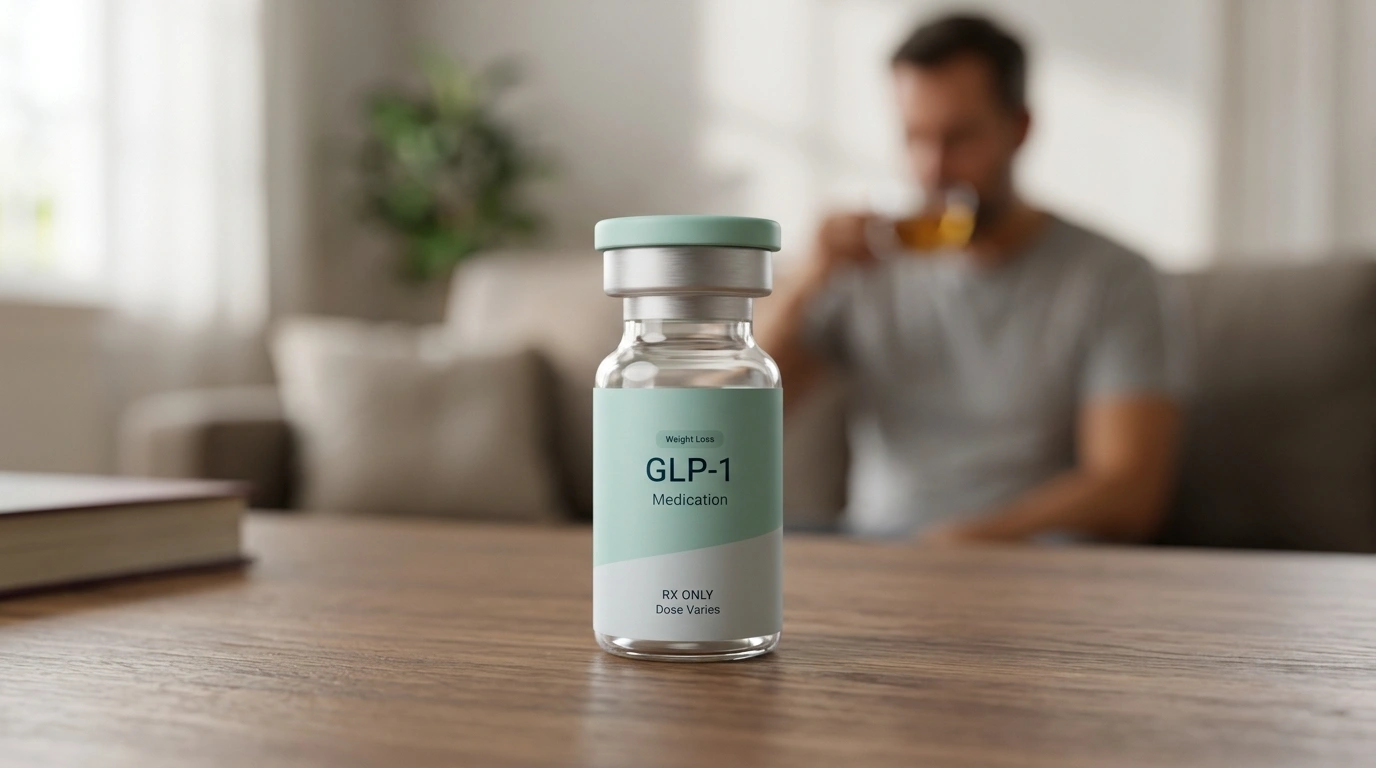
Ozempic®, with its active ingredient semaglutide, represents a significant leap forward in the treatment of type 2 diabetes. To truly grasp how well does Ozempic work for diabetes, it’s essential to understand its sophisticated mechanism of action. This medication belongs to a class of drugs known as GLP-1 (glucagon-like peptide-1) receptor agonists. GLP-1 is a natural hormone released by the gut in response to eating, and it plays several crucial roles in regulating blood sugar and appetite. Ozempic® mimics the effects of this natural hormone, but with a longer-lasting action, allowing for once-weekly administration.
Mechanism of Action: A Three-Pronged Approach
Ozempic® works in three primary ways to effectively lower blood sugar levels and contribute to overall metabolic improvement:
1. Stimulating Insulin Secretion in a Glucose-Dependent Manner
When you eat, your blood sugar levels rise. Ozempic® responds to these elevated glucose levels by stimulating the pancreas to release more insulin. What makes this mechanism particularly advantageous is its “glucose-dependent” nature. Unlike some other diabetes medications, Ozempic® primarily increases insulin production only when blood sugar is high. This significantly reduces the risk of dangerously low blood sugar, or hypoglycemia, a common concern with other treatments. This targeted action helps ensure that insulin is released precisely when it’s needed most, leading to more stable blood glucose control.
2. Reducing Glucagon Release
Glucagon is another hormone produced by the pancreas, but its role is to raise blood sugar levels, primarily by signaling the liver to release stored glucose. Ozempic® works to suppress glucagon secretion, especially after meals. By reducing the amount of glucose produced by the liver, Ozempic® helps prevent excessive spikes in blood sugar, contributing to a more balanced glucose profile throughout the day. This dual action on both insulin and glucagon pathways provides comprehensive blood sugar regulation.
3. Slowing Gastric Emptying
Ozempic® also slows down the rate at which food leaves the stomach. This effect has several important implications for diabetes management. By delaying gastric emptying, the absorption of glucose from meals into the bloodstream is slowed, which helps to mitigate the rapid post-meal spikes in blood sugar that are typical in type 2 diabetes. This extended digestion also contributes to a feeling of fullness for longer periods, which can indirectly support weight management efforts – a beneficial side effect we will explore further.
Ozempic® is administered as a subcutaneous injection, typically once a week, into the abdomen, thigh, or upper arm. This convenient dosing schedule can significantly improve adherence compared to daily medications, making it easier for individuals to integrate it into their weekly routine. Our platform at TrimRx is designed to support such seamless integration, providing the resources and support needed to manage your medication effectively.
Clinical Efficacy: How Well Does Ozempic Work for Diabetes?
The question of how well does Ozempic work for diabetes is best answered by examining its robust clinical performance across several key metrics, including blood glucose control, cardiovascular benefits, and weight management. Clinical studies have consistently demonstrated Ozempic®’s effectiveness, solidifying its position as a valuable treatment option for individuals with type 2 diabetes.
Blood Glucose and HbA1c Reduction
One of the primary indicators of diabetes control is the hemoglobin A1c (HbA1c) level, which provides an average measure of blood sugar over the past two to three months. Clinical trials have shown that Ozempic® leads to significant reductions in HbA1c. In studies, many participants started with uncontrolled diabetes, showing an average HbA1c around 8%. Ozempic®, both in its 0.5-milligram and 1-milligram doses, consistently resulted in greater reductions in HbA1c compared to placebo, and often outperformed other established type 2 diabetes medications.
For instance, when compared against sitagliptin, another commonly prescribed diabetes medication, Ozempic® demonstrated superior HbA1c lowering. Similar results were observed in studies where Ozempic® was compared to exenatide and insulin glargine, highlighting its potent glucose-lowering capabilities. The benefits are dose-dependent, meaning higher doses (such as the 2-milligram dose) generally lead to greater reductions in HbA1c for individuals needing further lowering. Importantly, these improvements in blood glucose levels were noted as early as the first month of treatment, with further reductions occurring over several months, demonstrating a sustained positive impact.
Cardiovascular Benefits
Beyond its glucose-lowering effects, Ozempic® has demonstrated remarkable cardiovascular protective benefits, a critical consideration for individuals with type 2 diabetes who face an elevated risk of heart disease and stroke. Clinical studies specifically evaluating cardiovascular outcomes in people with type 2 diabetes and established heart disease showed that Ozempic® significantly reduced the risk of major cardiovascular events. Fewer individuals who took Ozempic® (at 0.5 mg or 1 mg weekly over approximately two years) experienced events such as non-fatal heart attack, non-fatal stroke, or death from cardiovascular causes, compared to those receiving a placebo. This added benefit makes Ozempic® a particularly appealing option, offering protection against some of the most serious long-term complications of diabetes.
Weight Management
While Ozempic® is primarily approved for the treatment of type 2 diabetes, its effects often extend to weight management, which is a significant co-morbidity for many individuals with the condition. The mechanisms behind this include the slowing of gastric emptying, which contributes to increased feelings of fullness and reduced appetite, ultimately leading to decreased food intake. Clinical studies have consistently reported weight loss as a beneficial outcome for participants taking Ozempic®.
The average weight loss observed in studies ranged from approximately 7 to 9.2 pounds with the 0.5-milligram dose, 10.3 to 13.2 pounds with the 1-milligram dose, and up to 14 pounds with the 2-milligram dose. This level of weight reduction, even for a diabetes medication, can contribute to significant improvements in metabolic health markers, including blood pressure and lipid profiles. It’s important to note that higher doses of semaglutide (marketed as Wegovy®) and tirzepatide (marketed as Zepbound®) are specifically FDA-approved for weight loss in individuals with obesity or overweight with at least one weight-related comorbidity, demonstrating the powerful weight management potential of these GLP-1 receptor agonists.
These comprehensive clinical findings underscore how well does Ozempic work for diabetes, not just in managing blood sugar, but also in offering crucial cardiovascular protection and supporting weight loss, thereby contributing to a more holistic improvement in health.
The Role of Personalized Care in Ozempic Treatment
While the clinical efficacy of Ozempic® is well-established, its optimal integration into an individual’s health plan depends profoundly on a personalized approach to care. Type 2 diabetes manifests differently in each person, influenced by factors such as medical history, current health conditions, lifestyle, and response to treatment. Therefore, a “one-size-fits-all” strategy is rarely effective.
Individualized Assessment and Treatment Planning
For Ozempic® to be prescribed appropriately, a thorough individual assessment is paramount. This involves a detailed review of an individual’s medical history, including any pre-existing conditions like kidney or liver disease, a history of pancreatitis, or considerations regarding pregnancy or breastfeeding, as these factors can influence eligibility and safety. Healthcare providers must consider a person’s current treatment regimen, body mass index (BMI), and whether other medications, such as metformin, have been ineffective or poorly tolerated. Dosage adjustments are carefully titrated, typically starting with a low dose and gradually increasing it to minimize potential side effects while optimizing efficacy.
TrimRx’s Commitment to Personalization
At TrimRx, our journey began with a shared vision to help individuals embrace healthier lifestyles by merging cutting-edge telehealth innovations with effective weight loss solutions. We understand that sustainable weight loss and effective diabetes management should be achieved through science, empathy, and a transparent approach. Our platform is a user-friendly and supportive space where individuals receive personalized, medically supervised care—all designed to make sustainable weight loss attainable and tailored to the individual.
Our brand is empathetic, innovative, trustworthy, supportive, results-oriented, and personalized. We offer compassionate care that respects every individual’s unique journey by combining advanced medical science with modern technology. We are committed to transparent service, ensuring our approach remains consistent regardless of dosage changes. Furthermore, our focus on safety is unwavering; we work exclusively with FDA-registered and inspected pharmacies for the shipping of weight loss medications. It is important to clarify that TrimRx partners with these pharmacies for medication shipping and does not provide actual medical supervision. Instead, our comprehensive service includes doctor consultations, medication, lab work, unlimited support, and shipping with no hidden fees, all within a telehealth framework.
Understanding that each person’s path to wellness is unique, we prioritize a tailored experience. For those considering prescription weight loss medications, we offer a free assessment quiz to determine eligibility and recommend a personalized treatment plan. This ensures that the solutions we offer, whether it’s Ozempic® or other options, are precisely aligned with your specific health needs and goals. To discover if a personalized treatment plan, including options like Ozempic®, is right for you, we encourage you to take our free assessment quiz.
Potential Side Effects and Risk Management
While Ozempic® demonstrates significant benefits for type 2 diabetes management, like all medications, it comes with potential side effects and risks that individuals should be aware of and discuss with their healthcare provider. Understanding these aspects is crucial for managing expectations and ensuring safety throughout the treatment journey.
Common Side Effects
The most frequently reported side effects of Ozempic® are gastrointestinal in nature. These can include:
- Nausea
- Vomiting
- Diarrhea
- Constipation
- Abdominal discomfort
These side effects are often temporary and tend to improve as the body adjusts to the medication, particularly when starting with a low dose and gradually increasing it over time. Healthcare providers typically titrate the dose upwards to help minimize their occurrence and severity. Simple dietary adjustments can also help manage these symptoms. For example, eating smaller, more frequent meals slowly, avoiding fried, greasy, or overly sweet foods, opting for bland, low-fat foods like crackers, toast, and rice, and ensuring adequate hydration with clear liquids can often alleviate discomfort. Avoiding lying down immediately after eating can also be beneficial.
Less Common, but More Serious Risks
While generally considered safe, certain risks associated with GLP-1 receptor agonists like Ozempic® warrant careful consideration:
- Pancreatitis: A rare but serious risk is inflammation of the pancreas. Symptoms typically include severe stomach pain that may radiate to the back, often accompanied by nausea and vomiting. If these symptoms occur, it is crucial to stop Ozempic® immediately and seek urgent medical attention. Ozempic® is not recommended for individuals with a history of pancreatitis.
- Gallbladder Problems: Some individuals may develop gallstones or inflammation of the gallbladder (cholecystitis) while taking GLP-1s. Rapid weight loss, even without medication, can contribute to gallstone formation, so this risk should be discussed with your doctor.
- Thyroid Tumors: Animal studies have raised concerns about a potential link between GLP-1s and thyroid C-cell tumors, including medullary thyroid carcinoma (MTC). However, ongoing surveillance in humans has not established a clear link between semaglutide and thyroid tumors in people. Individuals with a personal or family history of MTC or Multiple Endocrine Neoplasia syndrome type 2 (MEN 2) should not use Ozempic®.
- Hypoglycemia (Low Blood Sugar): When taken alone, Ozempic® typically does not cause blood sugar levels to drop too low due to its glucose-dependent action. However, the risk of hypoglycemia increases significantly when Ozempic® is combined with other diabetes medications such as insulin or sulfonylureas. Your healthcare team may advise reducing the dose of these concomitant medications when starting Ozempic® to mitigate this risk. Checking blood sugar regularly and having a readily available sugar source is advisable, especially when initiating treatment or increasing the dose.
- Worsening of Diabetic Retinopathy: For individuals with pre-existing diabetic eye disease (retinopathy) who are also using insulin, there is a risk that their retinopathy could worsen when starting Ozempic®. This is thought to be related to a rapid drop in blood sugar levels. It’s important to inform your doctor if you have diabetic eye disease or experience any new eye problems during treatment.
- Muscle Loss: While the weight loss associated with GLP-1s is generally beneficial, rapid weight reduction can sometimes lead to a decrease in muscle mass in addition to fat loss. This is a particular concern for older adults who may already be at higher risk for frailty. Healthcare providers may recommend increasing protein intake and incorporating resistance exercises to help preserve muscle mass.
Importance of Doctor Consultation and TrimRx’s Safety Commitment
Given these potential side effects and risks, open and thorough communication with a healthcare provider is paramount. Before starting Ozempic® or any new medication, it is essential to discuss your complete medical history, current medications, and any concerns you may have. Your healthcare provider will determine if Ozempic® is suitable for you, considering your individual health profile and treatment goals.
At TrimRx, we prioritize your safety and well-being. Our approach ensures that all individuals considering prescription medications like Ozempic® undergo a doctor consultation as part of their comprehensive service. We partner with FDA-registered and inspected pharmacies for the shipping of your medications, ensuring that they meet stringent quality and safety standards. Our commitment to transparent service extends to providing unlimited support, empowering you to manage your treatment confidently and address any questions or concerns that arise throughout your journey.
Beyond Ozempic: A Holistic Approach to Wellness
While Ozempic® has demonstrated how well does Ozempic work for diabetes and offers significant benefits for blood sugar control, cardiovascular health, and weight management, it is most effective when integrated into a holistic approach to wellness. Medication is a powerful tool, but it is not a standalone solution. Sustainable health improvements are built on a foundation of lifestyle adjustments and comprehensive support.
The Foundation of Lifestyle Integration
Diet and exercise remain the cornerstones of diabetes management and overall health. Ozempic® can make these lifestyle changes more achievable by helping to control appetite and slow digestion, but consistent effort in nutritional choices and physical activity is crucial. Making conscious choices about food, focusing on whole, unprocessed foods, and engaging in regular physical movement can significantly enhance the medication’s effectiveness and further improve blood sugar levels, blood pressure, and lipid profiles. Our mission at TrimRx is to provide the resources and guidance that complement medication, empowering you to make these sustainable lifestyle shifts.
Exploring Other GLP-1 and Related Options
The landscape of diabetes and weight management is continually evolving, with new innovations expanding treatment possibilities. Beyond Ozempic® (semaglutide), other GLP-1 receptor agonists and related drugs, such as Tirzepatide (found in Mounjaro® and Zepbound®), which mimics both GLP-1 and GIP hormones, offer varying degrees of efficacy for both diabetes control and weight loss. These options provide healthcare providers with a broader toolkit to tailor treatments to individual needs, allowing for greater personalization based on specific health goals, tolerability, and response to therapy.
TrimRx’s Full Spectrum of Support
At TrimRx, we are dedicated to providing a comprehensive and personalized pathway to improved health. Our services are designed to address the diverse needs of individuals navigating their weight loss and diabetes management journeys.
For those who are exploring prescription weight loss medications, we offer a robust program that begins with a free assessment quiz. This quiz helps determine your eligibility and guides us in creating a personalized treatment plan that could include:
- Compounded Semaglutide
- Oral Semaglutide
- Ozempic® (semaglutide injection, FDA-approved for diabetes)
- Compounded Tirzepatide
- Oral Tirzepatide
- Mounjaro® (tirzepatide injection, FDA-approved for diabetes)
- Zepbound® (tirzepatide injection, FDA-approved for weight loss)
- Wegovy® (semaglutide injection, FDA-approved for weight loss)
It is important to remember that while branded medications like Ozempic®, Mounjaro®, Zepbound®, and Wegovy® are FDA-approved, compounded medications are not FDA-approved. However, we ensure that all medications, including compounded options, are sourced from FDA-registered and inspected pharmacies, upholding our unwavering commitment to safety and quality.
Recognizing that some individuals may seek immediate support for their overall wellness journey, or complement their prescription program, we also offer quick-access supplements that do not require a quiz:
- GLP-1 Daily Support: Designed to support the body’s natural GLP-1 processes, aiding in digestion and satiety.
- Weight Loss Boost: Formulated to provide additional assistance for metabolic health and weight management efforts.
Our comprehensive service goes beyond medication, encompassing doctor consultations, necessary lab work, unlimited support from our care team, and convenient shipping—all with no hidden fees. We believe in providing a transparent, supportive, and results-oriented environment where you feel empowered to achieve your health goals.
The Future of Diabetes and Weight Management
The advancements seen with medications like Ozempic® are just one facet of a rapidly evolving landscape in diabetes and weight management. The future holds even greater promise, driven by ongoing research and a deeper understanding of metabolic health. Researchers are continuously exploring the potential benefits of GLP-1 receptor agonists and related compounds beyond their current indications.
Key areas of active investigation include:
- Heart Health: Continued research is reinforcing the cardiovascular protective effects of GLP-1s, with studies suggesting they may further reduce the risk of heart attack and stroke in broader populations.
- Brain Health: Emerging research is investigating whether these drugs could play a role in protecting against neurodegenerative diseases like Alzheimer’s, with some early findings pointing to a potential for slowing cognitive decline and neuroprotection.
- Addiction Treatment: Preliminary studies are exploring the intriguing possibility that GLP-1 drugs might help reduce cravings for substances such as alcohol and nicotine, opening new avenues for treatment.
- Liver Disease: Conditions like Metabolic Associated Steatotic Liver Disease (MASLD, formerly NAFLD) and Metabolic Associated Steatohepatitis (MASH, formerly NASH), which are linked to obesity and insulin resistance, are being targeted by GLP-1 drugs. These medications show promise in reducing liver fat and inflammation, potentially slowing disease progression.
- Sleep Apnea: The recent FDA approval of tirzepatide (Zepbound®) to treat moderate to severe obstructive sleep apnea in adults with obesity highlights another significant area where these medications can offer transformative benefits.
This expanding understanding of GLP-1 and GIP mechanisms is profoundly shifting the perception of obesity from a matter of personal failure to a recognized medical condition that can be effectively treated. The development of new medications and formulations, including longer-acting versions and more effective oral options, is continually enhancing accessibility and efficacy. As these innovations progress, we anticipate a future where effective, personalized treatments are even more readily available, enabling more individuals to achieve significant and sustainable improvements in their health. At TrimRx, we remain at the forefront of these developments, continuously integrating the latest science and technology to offer you the most effective and supportive care.
Conclusion
In concluding our in-depth look at how well does Ozempic work for diabetes, it is clear that this medication has ushered in a new era of management for type 2 diabetes. Its proven ability to significantly reduce HbA1c, offer crucial cardiovascular protection, and support meaningful weight loss establishes it as a powerful tool in improving metabolic health. The intricate mechanism of action, mimicking the body’s natural GLP-1 hormone, provides effective blood sugar control with a reduced risk of hypoglycemia, making it a valuable option for many individuals.
However, the true power of Ozempic®, and any effective health solution, is realized when it’s integrated into a framework of personalized, medically supervised care. At TrimRx, this philosophy is at the core of everything we do. Our empathetic, innovative, and results-oriented approach ensures that your unique health journey is respected and supported every step of the way. We are committed to transparency, safety, and delivering solutions tailored to your individual needs, partnering exclusively with FDA-registered and inspected pharmacies for your medication. Our comprehensive service, including doctor consultations, lab work, unlimited support, and convenient shipping, aims to remove barriers and empower you towards sustainable health.
Whether you are exploring advanced prescription options or seeking immediate support for your wellness goals, we are here to guide you. If you are ready to explore a tailored approach to managing your health and discover if a personalized treatment plan, including options like Ozempic® or other GLP-1s, is right for you, we invite you to take our free assessment quiz. For additional support in your journey, consider our GLP-1 Daily Support or Weight Loss Boost supplements, designed to complement your efforts. Together, we can work towards a healthier, more vibrant future.
Frequently Asked Questions (FAQ)
1. What is the primary role of Ozempic in managing type 2 diabetes?
Ozempic® (semaglutide) primarily helps manage type 2 diabetes by improving blood sugar control. It works by mimicking the natural GLP-1 hormone, which stimulates insulin release when blood sugar is high, reduces glucagon production (which raises blood sugar), and slows down stomach emptying. These actions collectively lead to lower blood glucose levels and a reduction in HbA1c, a key marker for long-term blood sugar control. Additionally, it has been shown to reduce the risk of major cardiovascular events like heart attack and stroke in individuals with type 2 diabetes and heart disease.
2. Can Ozempic also help with weight loss in individuals with type 2 diabetes?
Yes, Ozempic® often leads to weight loss in individuals with type 2 diabetes. While its primary approval is for diabetes management, its mechanism of action—slowing gastric emptying and increasing feelings of fullness—helps to reduce appetite and food intake. Clinical studies have shown an average weight loss ranging from 7 to 14 pounds, depending on the dose. This weight reduction can further improve metabolic health and contribute to better overall outcomes for individuals managing both type 2 diabetes and weight-related challenges.
3. What are the common side effects of Ozempic, and how are they managed?
The most common side effects of Ozempic® are gastrointestinal, including nausea, vomiting, diarrhea, constipation, and abdominal discomfort. These symptoms are often temporary and tend to improve as your body adjusts to the medication. To manage them, your healthcare provider will typically start you on a low dose and gradually increase it. Additionally, eating smaller, more frequent meals, avoiding fatty or greasy foods, and staying well-hydrated can help alleviate discomfort. It’s crucial to discuss any persistent or severe side effects with your healthcare provider.
4. How does TrimRx ensure a personalized approach to medication like Ozempic?
At TrimRx, we are committed to providing personalized, medically supervised care. Our process begins with a free assessment quiz to understand your unique health profile and determine your eligibility for prescription medications like Ozempic®. This leads to a personalized treatment plan tailored to your specific needs and health goals. Our comprehensive service includes doctor consultations, necessary lab work, unlimited support from our care team, and convenient shipping of medications sourced from FDA-registered and inspected pharmacies. We emphasize transparency and an empathetic approach, ensuring you receive consistent support throughout your journey toward sustainable weight loss and better health.

Transforming Lives, One Step at a Time
Keep reading

I Took My Ozempic Two Days in a Row by Accident
Call for guidance now rather than waiting to see how you feel. In the United States, Poison Control is available free and around the…

Why Does My Ozempic Injection Sting More Some Weeks Than Others?
Because more variables change between injections than most people realize. Temperature of the medication, which site you used, how deep the needle went, how…

How to Store Your Ozempic Pen During a Power Outage
Keep the refrigerator door closed. An unopened refrigerator holds a safe temperature for roughly four hours, and a full freezer holds for considerably longer….


