How Long Does Compounded Tirzepatide Last in Fridge?
Introduction
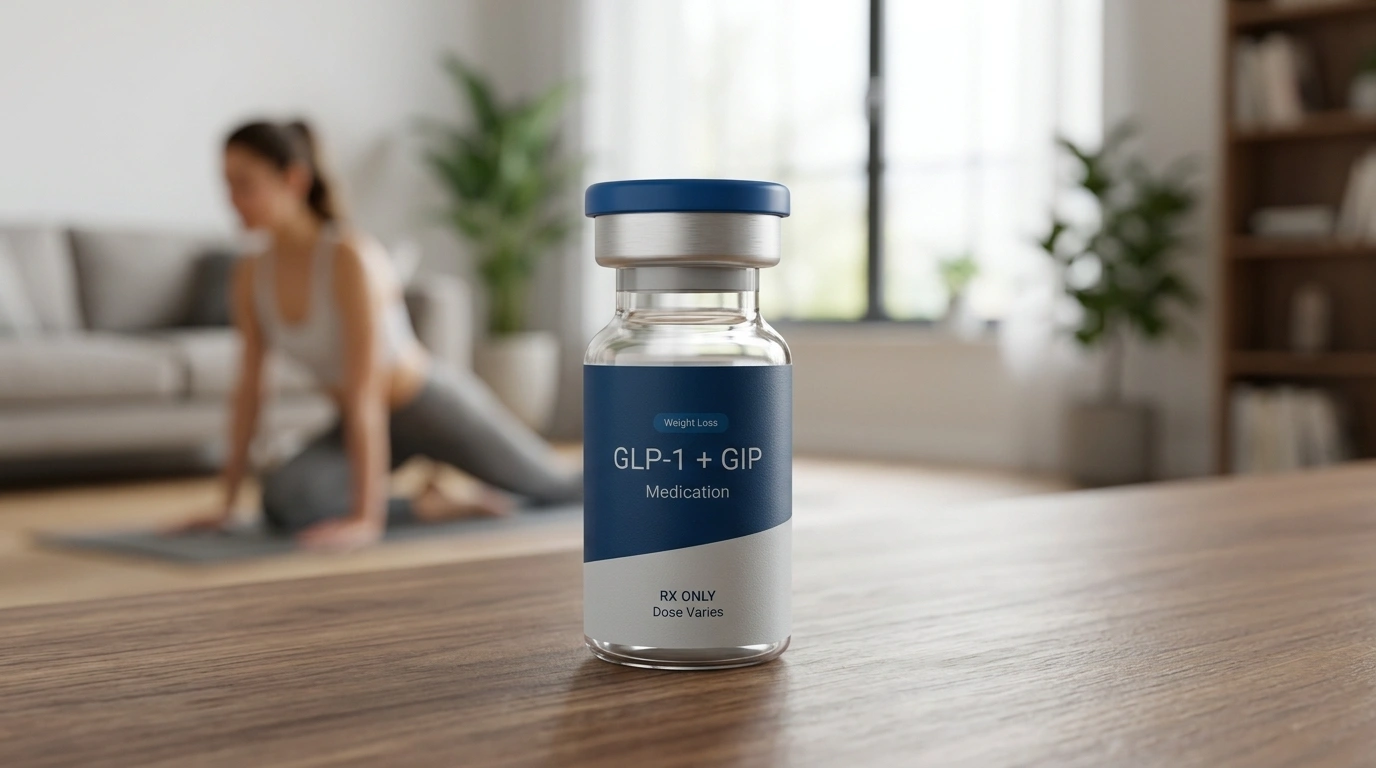
Managing a new medication routine can feel overwhelming, especially when your success depends on keeping that medication effective. If you have recently started a weight loss journey using tirzepatide, you likely have questions about the logistics of your treatment. One of the most common concerns for those using telehealth platforms like TrimRx is exactly how to handle their medication at home. Specifically, how long does compounded tirzepatide last in the fridge, and what happens if the temperature fluctuates? Ensuring your medication stays at the correct temperature is not just about convenience; it is about protecting the integrity of the peptides that help regulate your appetite. This article covers everything you need to know about storage durations, safety signs to watch for, and how to maintain the potency of your treatment from the first dose to the last. Understanding these storage requirements ensures your personalized program remains effective and safe.
If you are exploring whether a medically supervised weight loss program may be appropriate for you, you can complete a free eligibility assessment.
Quick Answer: Compounded tirzepatide typically lasts between 28 and 90 days in the refrigerator, depending on the specific “Beyond Use Date” (BUD) assigned by the compounding pharmacy. It must be stored between 36°F and 46°F (2°C to 8°C) and kept away from direct light to maintain its chemical stability and potency.
Understanding Compounded Tirzepatide Stability
Tirzepatide is a sophisticated medication known as a dual glucose-dependent insulinotropic polypeptide (GIP) and glucagon-like peptide-1 (GLP-1) receptor agonist. In plain English, this means it mimics two natural hormones in your body that tell your brain you are full and help your pancreas manage blood sugar. Because tirzepatide is a peptide—a short chain of amino acids—it is chemically fragile.
When you receive a compounded version of this medication, it is prepared by an FDA-registered, inspected compounding pharmacy. These pharmacies combine the active ingredient with other components, such as B-vitamins or preservatives, to create a personalized dose. Because these preparations do not go through the same mass-production stabilization processes as branded medications like Mounjaro® or Zepbound®, their shelf life is determined by a “Beyond Use Date” rather than a standard expiration date.
For a broader overview of handling, travel, and temperature concerns, read this guide to tirzepatide storage, travel, and handling.
The stability of the medication refers to how long the peptide remains “active.” If the medication is exposed to high heat or extreme cold, the delicate bonds between the amino acids can break down. This process, called denaturation, makes the medication less effective, meaning it may not provide the appetite suppression or metabolic support you expect.
The Role of the Beyond Use Date (BUD)
The Beyond Use Date, or BUD, is the date after which a compounded medication should not be used. This is different from the expiration dates you see on over-the-counter pills. The BUD is specifically calculated by the pharmacist based on the date the medication was mixed or “compounded.”
Factors that influence the BUD include:
- The nature of the active ingredient (tirzepatide is sensitive to light and heat).
- Whether the medication contains preservatives like benzyl alcohol to prevent bacterial growth.
- The type of container or vial used for the medication.
- The clinical environment in which it was prepared.
Most compounded tirzepatide vials will have a BUD ranging from 30 to 90 days. It is critical to check the physical label on your vial or the paperwork provided by the pharmacy. Even if the medication has been kept in the fridge the entire time, you should not use it once the BUD has passed. Over time, even in a cold environment, the preservatives can lose their effectiveness, and the risk of bacterial contamination increases.
For more detail about storage windows and punctured vials, review this guide to how long compounded tirzepatide remains usable.
Why the Refrigerator is Mandatory
The primary reason compounded tirzepatide must stay in the fridge is to slow down the natural degradation of the peptide molecules. At room temperature, molecules move faster and are more likely to undergo chemical reactions that change their structure. Cold temperatures “quiet” these molecules, keeping them in their intended, effective shape.
Ideal Temperature Range
The standard requirement for refrigerated medications is between 36°F and 46°F (2°C to 8°C). Most household refrigerators are set to this range by default. However, not all spots in a fridge are created equal.
Where to Store Your Medication
- The Middle Shelf: This is usually the most temperature-stable area of the refrigerator.
- Avoid the Door: The temperature in the door fluctuates every time you open the fridge to grab a snack or a drink. This “cycling” of temperature can stress the medication.
- Keep Away from the Back Wall: In some units, the back wall or the area near the cooling element can get cold enough to freeze liquids. If compounded tirzepatide freezes, it must be discarded.
Key Takeaway: Always store your medication in the center of the refrigerator, away from the door and the cooling elements, to ensure a consistent temperature between 36°F and 46°F.
How Long Can Tirzepatide Stay Out of the Fridge?
Life happens. You might leave your medication on the counter after a dose, or your package might sit on the porch for a few hours. Most compounding pharmacies suggest that tirzepatide can remain at room temperature (up to 86°F) for a very limited time—usually no more than 21 to 28 days total—but this varies significantly by the specific pharmacy formulation.
If your medication reaches room temperature, it does not immediately “go bad,” but the clock starts ticking much faster on its stability. If it is exposed to temperatures above 86°F (such as in a hot car or near a stove), the medication may lose its potency much more quickly. If you suspect your medication has been exposed to high heat, contact your healthcare provider or the pharmacy before taking your next dose.
For additional guidance, see whether compounded tirzepatide can be left out of the fridge.
Recognizing Spoiled or Ineffective Medication
Before every injection, you should perform a quick visual inspection of your medication. Because compounded tirzepatide is a liquid intended for subcutaneous injection, its appearance can tell you a lot about its integrity.
What to Look For:
- Cloudiness: Tirzepatide should be clear and colorless. If the liquid looks “milky” or cloudy, it may be contaminated or denatured.
- Particulates: You should not see any flakes, “strings,” or solid specks floating in the liquid.
- Color Change: While some compounded versions may have a slight tint if they are mixed with vitamins (like B12, which is pink/red), a sudden change in color or a brownish hue is a sign that the medication has oxidized or spoiled.
- Freezing: If the liquid has frozen and thawed, the structure of the peptide is likely ruined. The liquid may look normal, but it will not work effectively.
Note: If you notice any changes in the appearance of your medication, do not inject it. Consult with a licensed healthcare professional to determine if a replacement is necessary.
The Science of Light Sensitivity
In addition to temperature, light is a major enemy of compounded peptides. Ultraviolet (UV) light can break chemical bonds in a process called photolysis. This is why many compounded medications come in amber-colored vials or are wrapped in light-protective packaging.
To maximize the life of your tirzepatide in the fridge, keep it in its original box or a small, opaque container. This provides an extra layer of protection against the light that turns on every time the refrigerator door is opened.
Shipping and Initial Handling
When you participate in a program through TrimRx, your medication is shipped from an FDA-registered compounding pharmacy in temperature-controlled packaging. This usually involves insulated liners and cold packs.
Steps for Receiving Your Shipment:
- Open Immediately: Check your package as soon as it arrives.
- Check the Cold Pack: The cold pack may not be frozen solid when it arrives, but the medication itself should feel cool to the touch.
- Inspect the Vial: Look for the visual signs of spoilage mentioned above.
- Refrigerate Right Away: Move the vial to the middle shelf of your fridge immediately.
If the medication arrives hot or the vial is broken, you should notify the support team right away. Do not attempt to “salvage” medication that has reached high temperatures during transit.
Best Practices for Long-Term Storage and Travel
If you are traveling, maintaining the “cold chain” (the unbroken sequence of refrigerated storage) is essential.
- Travel Cases: Use a dedicated medical travel cooler with gel ice packs. Ensure the ice pack does not directly touch the vial, as this could cause localized freezing.
- Hotel Fridges: Be cautious with small “dorm-style” hotel fridges. These are notoriously inconsistent and can often freeze items placed near the back cooling plate.
- Air Travel: Always keep your medication in your carry-on luggage. The cargo hold of a plane can experience extreme temperature shifts that could ruin the medication.
For another perspective on handling temperature changes, review this article about what happens if tirzepatide is not refrigerated.
Safety and Hygiene During Storage
The way you handle the vial every week also affects how long it stays “good.” Compounded tirzepatide is typically provided in a multi-dose vial. This means you will insert a needle through a rubber stopper multiple times over the course of a month.
To maintain sterility:
- Always wash your hands before handling the vial.
- Clean the rubber stopper with a fresh alcohol prep pad before every single draw.
- Never “double-dip” a needle; use a brand-new, sterile needle for every injection.
- Store the vial upright to minimize contact between the liquid and the rubber stopper over long periods.
By following these hygiene steps, you ensure that the medication remains free of bacteria for the entire duration of the BUD.
Comparing Compounded and Branded Storage
It is helpful to understand how compounded storage differs from branded options like Mounjaro® or Zepbound®. While the active peptide is the same, the delivery systems and preservatives differ.
| Feature | Compounded Tirzepatide | Branded Tirzepatide (Pens) |
|---|---|---|
| Storage Requirement | Mandatory refrigeration (36°F–46°F) | Mandatory refrigeration (36°F–46°F) |
| Room Temp Limit | Typically 21–28 days (varies by pharmacy) | Up to 21 days |
| Packaging | Multi-dose glass vial | Single-use autoinjector pens |
| Expiration/BUD | Beyond Use Date (usually 30–90 days) | Manufacturer expiration date (often 1–2 years) |
| Light Sensitivity | High; requires dark storage | High; pens are opaque but should stay in the box |
Bottom line: Compounded tirzepatide has a much shorter shelf life than branded pens because it is prepared individually and lacks the long-term industrial stabilizers found in mass-produced pharmaceuticals.
Maximizing Your Results with TrimRx
At TrimRx, we understand that managing medication is just one part of a larger lifestyle change. Our personalized programs are designed to provide you with the tools you need for sustainable weight loss, including access to medical providers and high-quality compounded medications.
A personalized program means your treatment is tailored to your specific health profile. This includes ensuring you receive the correct dosage and have clear instructions on how to handle your medication. Because we utilize telehealth, you can get answers to your storage questions or concerns about side effects from the comfort of your home.
Supporting Your Body During Treatment
While tirzepatide works to manage your appetite and metabolic signals, your body may need extra support to feel its best. Some individuals experience minor digestive changes as their body adjusts to the medication. We offer quick-access supplements to help bridge these gaps:
- GLP-1 Daily Support: Designed to provide essential nutrients and support digestive comfort while using GLP-1 or GIP/GLP-1 medications.
- Weight Loss Boost: Formulated to complement your program by supporting energy levels and metabolic health.
These supplements do not require a prescription and can be a helpful addition to your daily routine, especially if you find your appetite significantly reduced.
You can explore daily nutritional support designed for GLP-1 users or consider energy and metabolic support during weight loss.
Common Misconceptions About Storage
There are several myths regarding the storage of tirzepatide that can lead to wasted medication or decreased efficacy.
Myth: If the medication is clear, it is still good even past the BUD.
Fact: Chemical degradation is not always visible. The peptide may lose its potency, or the preservatives may stop working, even if the liquid remains clear.
Myth: Freezing the medication will make it last longer.
Fact: Freezing destroys the physical structure of the tirzepatide peptide. Once frozen, the medication is no longer safe or effective to use.
Myth: You can leave the vial on the nightstand if your room is cool.
Fact: “Cool” room temperature is still significantly warmer than a refrigerator. This will accelerate the breakdown of the medication.
What to Do If You Miss a Dose Due to Storage Issues
If you realize your medication was stored incorrectly—perhaps the fridge door was left open overnight or the vial was left in a hot car—do not panic.
- Do not inject the medication if it feels warm or looks different.
- Contact your provider. Through the TrimRx platform, you can reach out to specialists who can guide you on whether the medication is still safe to use.
- Check your schedule. If you have to wait for a replacement vial, your provider will tell you how to safely restart your dosing schedule.
Consistency is important for weight loss success, but safety always comes first. Injecting spoiled medication can lead to injection site reactions or simply provide zero benefit, stalling your progress.
If you are experiencing digestive concerns during treatment, this guide to tirzepatide side effects and management may help you prepare questions for your provider.
The Importance of a Supervised Program
Using compounded tirzepatide is most effective when it is part of a medically supervised program. A platform like TrimRx connects you with licensed providers who understand the nuances of these medications. They can help you navigate not just the storage logistics, but also dose titrations and side effect management.
Weight loss is a journey that involves more than just a weekly injection. It involves learning how to nourish your body, stay hydrated, and manage the biological changes that happen as you lose weight. Our mission is to provide an empathetic and transparent environment where you feel supported every step of the way.
Next Steps for Your Journey
If you are currently using tirzepatide, take a moment to check your vial today. Look for the BUD and ensure it is placed in the center of your refrigerator. If you are not yet on a program but are curious if this approach is right for you, the first step is gathering information.
A personalized weight loss program should be as unique as your health history. By focusing on science-backed treatments and modern telehealth convenience, we help you remove the barriers to a healthier lifestyle.
When you are ready to explore eligibility, you can find out if GLP-1 medications may be right for you.
Summary of Storage Guidelines
To ensure your treatment remains as effective as possible, follow these simple steps:
- Keep the vial refrigerated between 36°F and 46°F.
- Store the vial in its original box to protect it from light.
- Check the Beyond Use Date (BUD) before every injection.
- Visually inspect the liquid for cloudiness or particles.
- Never freeze the medication.
- Clean the vial stopper with alcohol before each use.
By following these protocols, you protect your investment in your health and ensure that every dose brings you closer to your wellness goals.
FAQ
Can I use compounded tirzepatide if it was left out overnight?
In most cases, if the room was at a standard temperature (under 86°F), the medication is likely still safe to use, but its overall shelf life may be shortened. You should check the specific guidelines provided by your pharmacy and contact your healthcare provider for confirmation before proceeding.
Does compounded tirzepatide need to be shipped on ice?
Yes, because compounded tirzepatide is temperature-sensitive, it should be shipped in insulated packaging with cold packs. While the packs may melt during transit, the medication should remain cool to the touch until it can be transferred to your refrigerator.
What is the difference between an expiration date and a Beyond Use Date (BUD)?
An expiration date is determined by the manufacturer after extensive stability testing on mass-produced drugs, while a Beyond Use Date (BUD) is assigned by a pharmacist for a specific compounded preparation. The BUD is generally much shorter and accounts for the date the medication was mixed and the environment of the pharmacy.
Why did my compounded tirzepatide change color?
Some compounded versions include additives like Vitamin B12, which gives the liquid a naturally pink or red hue. However, if the color changes unexpectedly, becomes dark, or turns cloudy, this may indicate oxidation or contamination, and the medication should not be used.
Disclaimer: This content is for informational purposes only and does not constitute medical advice. It is not intended to diagnose, treat, cure, or prevent any disease or condition. Individual results may vary. Always consult a qualified healthcare professional before starting any weight loss program or medication.

Transforming Lives, One Step at a Time
Keep reading

Starting Tirzepatide While on the Pill: The First Four Weeks
You have your first box and you take an oral contraceptive. There is a labeled instruction that applies to you, and the mistake almost…

Marathon Training on Tirzepatide When You Can’t Fuel
You have a plan on the fridge and a medication that has made eating feel optional. Those two things are in genuine conflict, and…

Paying Cash for Tirzepatide? Don’t Stretch Your Supply
When every vial comes out of your own pocket, the arithmetic is hard to ignore. If a month’s supply costs what it costs, and…


