GLP-1 for PCOS: Best Options for Weight Loss
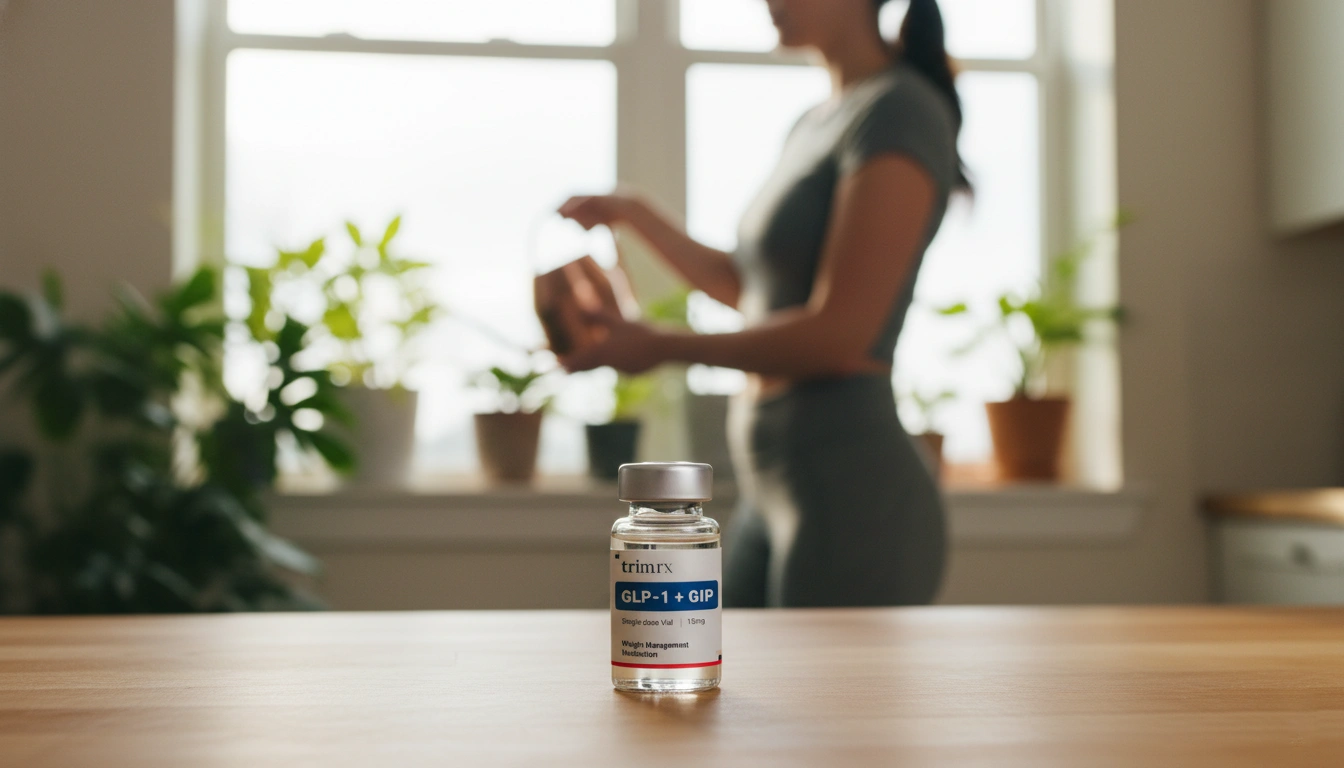
GLP-1 receptor agonists like semaglutide and tirzepatide are emerging as some of the most effective medications for weight loss in women with PCOS, outperforming traditional options like metformin by addressing both insulin resistance and appetite regulation simultaneously. For a condition where conventional dieting fails more often than it succeeds, GLP-1 medications are changing what’s actually possible.
Polycystic ovary syndrome affects roughly 1 in 10 women of reproductive age, and weight management is often the single most frustrating part of living with it. The metabolic deck is stacked against you. But not all GLP-1 medications work the same way, and understanding your options can help you and your provider choose the best fit. Let’s break down what’s available, how they compare, and what PCOS-specific factors should guide your decision.
Why GLP-1 Medications Are a Natural Fit for PCOS
PCOS isn’t just a reproductive condition. At its core, it’s a metabolic disorder driven by insulin resistance. Between 50 and 80% of women with PCOS have clinically significant insulin resistance, which triggers a chain reaction: excess insulin tells the ovaries to overproduce androgens, those androgens promote abdominal fat storage, and that additional fat worsens insulin resistance further. It’s a self-reinforcing cycle that makes weight loss through diet and exercise alone incredibly difficult.
GLP-1 medications break into this cycle at multiple points. They improve how the body responds to insulin, reduce appetite through direct action on brain receptors, slow gastric emptying to keep you full longer, and promote the kind of weight loss (10% or more of body weight) that can meaningfully shift hormonal balance. No other class of weight loss medication targets this many PCOS-relevant pathways at once.
Your GLP-1 Options: A Side-by-Side Look
There are currently two main GLP-1 based medications used for weight loss, and they work slightly differently.
Semaglutide (Ozempic / Wegovy)
Semaglutide is a pure GLP-1 receptor agonist. It mimics the GLP-1 hormone your gut naturally produces after eating, but lasts much longer in the body (about a week, which is why it’s a once-weekly injection).
For PCOS, semaglutide has been studied more extensively than tirzepatide. Research consistently shows it reduces body weight by 12 to 17% at higher doses, improves fasting insulin levels, lowers testosterone, and can restore menstrual regularity in many women. It’s available as brand-name Ozempic (approved for type 2 diabetes) and Wegovy (approved for weight management), as well as in compounded formulations.
Tirzepatide (Mounjaro / Zepbound)
Tirzepatide is a dual GIP/GLP-1 receptor agonist, meaning it activates two incretin hormone pathways instead of one. This dual mechanism produces greater average weight loss than semaglutide in head-to-head trials, with participants losing up to 20 to 25% of body weight at the highest doses.
For PCOS specifically, tirzepatide’s stronger effect on insulin sensitivity (thanks to the added GIP pathway) could theoretically offer advantages, since insulin resistance is the central driver of the condition. However, there’s less published PCOS-specific research on tirzepatide compared to semaglutide. That gap is closing as new studies are completed.
Comparison Table: Semaglutide vs. Tirzepatide for PCOS
| Factor | Semaglutide | Tirzepatide |
|---|---|---|
| Mechanism | GLP-1 only | GLP-1 + GIP dual agonist |
| Average weight loss | 12-17% of body weight | 18-25% of body weight |
| Insulin sensitivity improvement | Significant | Potentially greater |
| PCOS-specific research | More extensive | Growing but limited |
| Available brands | Ozempic, Wegovy | Mounjaro, Zepbound |
| Compounded option | Yes | Yes |
| Dosing | Once weekly injection | Once weekly injection |
| Common side effects | Nausea, constipation, reduced appetite | Nausea, diarrhea, reduced appetite |
| Starting cost (compounded) | From $179/month | From $179/month |
Which GLP-1 Is Best for PCOS?
There’s no single right answer, but here are the factors that should guide the decision.
If insulin resistance is your dominant issue, tirzepatide may have an edge. The dual-agonist mechanism appears to improve insulin sensitivity more powerfully than semaglutide alone. Let’s say a patient has an A1C of 6.2%, elevated fasting insulin, and carries most of her weight around the midsection. The stronger metabolic correction from tirzepatide could translate to faster improvements in both weight and hormonal markers.
If you want the most research backing for PCOS specifically, semaglutide currently has more published data in PCOS populations. A 2024 systematic review in Diabetes, Obesity and Metabolism confirmed that GLP-1 receptor agonists (primarily liraglutide and semaglutide in the studies reviewed) significantly reduced weight, BMI, fasting insulin, and testosterone in women with PCOS (Xing C, et al., “Efficacy of GLP-1 receptor agonists in polycystic ovary syndrome,” Diabetes, Obesity and Metabolism, 2024).
If maximum weight loss is the priority, tirzepatide delivers more on average. For women with PCOS who have a significant amount of weight to lose (say, 60 pounds or more), the additional weight loss potential could provide greater hormonal and metabolic benefits simply because more weight reduction means more improvement in insulin resistance and androgen levels.
If cost is a major factor, both medications are available in compounded form through telehealth providers like TrimRx, starting at comparable price points. Brand-name versions are expensive without insurance, often over $1,000 per month. The compounded route removes that barrier.
If you’ve tried one and plateaued, switching between the two is a reasonable strategy. The different receptor profiles mean your body may respond better to one than the other. For more on that transition, our semaglutide to tirzepatide switching guide covers what to expect.
What About Liraglutide (Saxenda)?
Liraglutide is an older GLP-1 medication that requires daily injections rather than weekly. It was actually one of the first GLP-1 medications studied in PCOS populations, and the results were positive. However, the weight loss it produces (about 5 to 8% of body weight) is considerably less than what semaglutide and tirzepatide deliver. For most women with PCOS, the newer weekly options are simply more effective.
That said, if you’ve tried semaglutide or tirzepatide and couldn’t tolerate the side effects, liraglutide’s daily dosing allows for more gradual titration and may be easier for some patients to adjust to.
GLP-1 Medications vs. Metformin for PCOS
Metformin has been the standard pharmaceutical treatment for PCOS-related insulin resistance for over two decades. It works, but its impact on weight is modest, typically producing only 2 to 5 pounds of weight loss. For women with PCOS who need to lose 30, 50, or 80 pounds to see real metabolic improvement, metformin alone often isn’t enough.
GLP-1 medications produce five to ten times more weight loss than metformin on average. They also appear to have direct benefits on appetite regulation that metformin lacks. The hormonal improvements, including lower androgens, better menstrual regularity, and improved fertility markers, tend to be proportional to the amount of weight lost, which gives GLP-1 medications a clear advantage.
Many providers are now combining metformin with a GLP-1 medication, using each for its strengths. Metformin is inexpensive and has a long safety record. A GLP-1 medication adds the weight loss and appetite control that metformin can’t deliver alone.
For detailed research on how semaglutide specifically works in PCOS, check out our article on Ozempic for PCOS: What the Research Shows.
Practical Considerations for Women with PCOS
Fertility planning. If you’re trying to conceive, GLP-1 medications should be stopped at least two months before pregnancy. However, the weight loss and hormonal improvements gained during treatment can significantly boost fertility. Some women find that after losing weight on a GLP-1 medication, they ovulate regularly for the first time in years.
Side effect management. Nausea is the most common side effect with any GLP-1 medication. Starting at the lowest dose and increasing gradually every four weeks is the standard approach. Eating smaller, protein-rich meals and staying hydrated helps most women manage the transition.
Realistic timelines. Expect to see weight loss begin within the first month, but hormonal markers like testosterone and menstrual regularity may take three to six months to show clear improvement. The metabolic benefits build over time. For a week-by-week look at how tirzepatide specifically works, our tirzepatide results timeline lays out what to expect.
Getting started. You don’t need a PCOS specialist to begin GLP-1 treatment. A telehealth provider can evaluate whether you’re a candidate based on your BMI, health history, and goals. Take the intake assessment to see if you qualify.
Moving Forward
PCOS weight loss has been an unsolved problem for too many women for too long. The standard advice of eating less and exercising more ignores the biological reality of insulin resistance, hormonal imbalance, and disrupted hunger signaling. GLP-1 medications don’t ignore that reality. They directly target it.
Whether you start with semaglutide or tirzepatide, the evidence points in the same direction: these medications produce the kind of weight loss that actually moves the needle on PCOS symptoms. The best choice depends on your specific metabolic profile, how much weight you need to lose, and what your provider recommends based on your full picture. But the fact that you have effective options now is what matters most.
This information is for educational purposes and is not medical advice. Consult with a healthcare provider before starting any medication. Individual results may vary.

Transforming Lives, One Step at a Time
Keep reading

What Happens to Your GLP-1 Prescription If You Move to Another State?
Your prescribing provider generally has to be licensed in the state where you are physically located when you receive care. That is the rule…

How to Handle a Family Member Who Disapproves of GLP-1 Medications
You are not obliged to win the argument, and trying to is usually what makes it worse. The most effective response to sustained disapproval…

How to Respond When Someone Calls GLP-1 the Easy Way Out
You do not have to argue, and the shortest response is usually the most effective. “It’s a medical treatment for a medical condition.” Then…


