Breastfeeding and GLP-1: What Mothers Need to Know
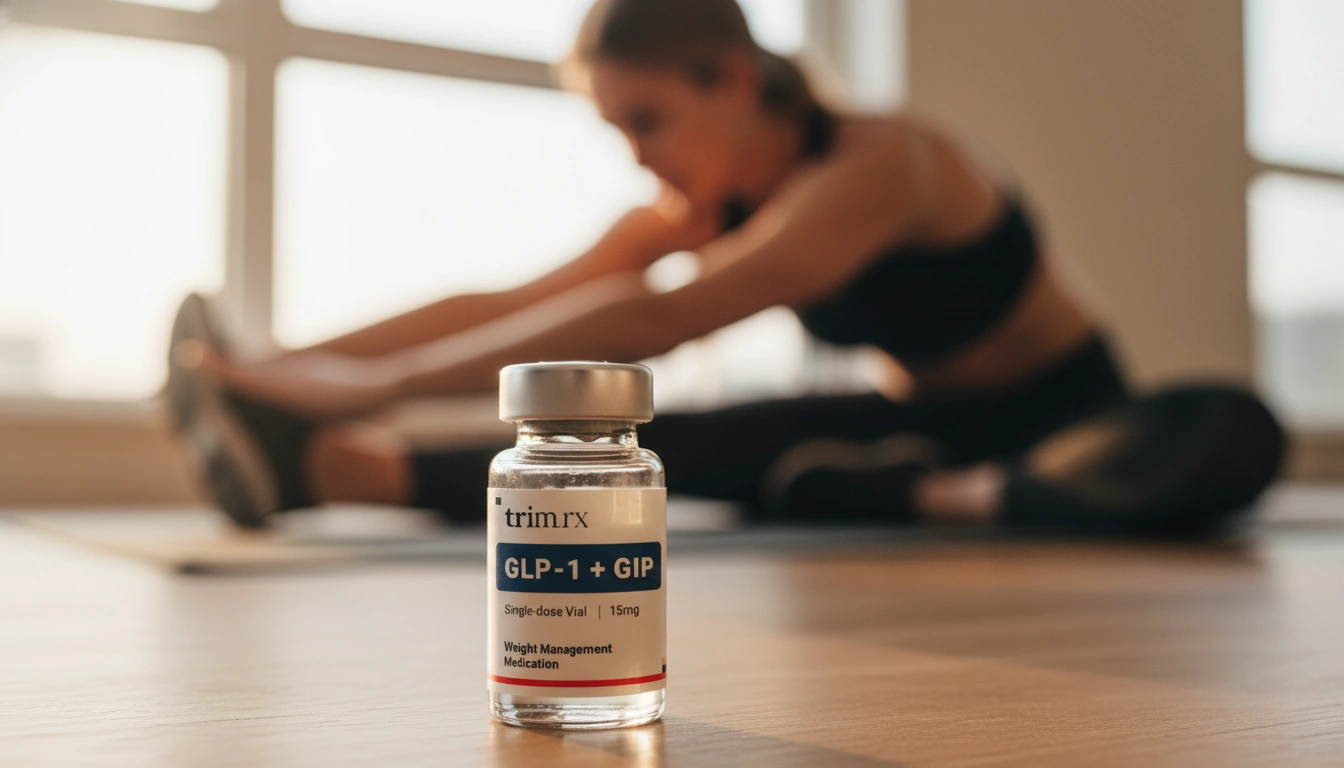
The question comes up more than you might expect: can I take Ozempic or Wegovy while breastfeeding? It’s understandable. GLP-1 medications have become widely known as effective weight loss tools, and many new mothers are eager to address postpartum weight while still nursing. The direct answer is no, current guidance recommends against using GLP-1 medications while breastfeeding, and the reasoning is worth understanding in detail. Here’s what the evidence actually shows and what your options look like in the meantime.
Why GLP-1 Medications Are Not Recommended During Breastfeeding
The core issue is a lack of human safety data. Semaglutide, liraglutide, tirzepatide, and other GLP-1 receptor agonists have not been studied in breastfeeding women. Clinical trials routinely exclude pregnant and nursing mothers, which means we simply don’t have the data needed to establish safety in this population.
What we do have are animal studies. Research in rats has shown that semaglutide is present in breast milk after maternal dosing. GLP-1 receptors are found in developing tissues, including the gut, pancreas, and brain. The theoretical concern is that a nursing infant exposed to semaglutide through breast milk could experience effects on their own GLP-1 signaling during a critical developmental window.
No human case reports have documented harm to nursing infants from maternal GLP-1 use. But absence of documented harm isn’t the same as established safety, and for a medication that significantly suppresses appetite and affects metabolic signaling, caution is warranted.
Novo Nordisk, the manufacturer of both Ozempic and Wegovy, explicitly states that these medications should not be used during breastfeeding. Eli Lilly makes the same recommendation for Mounjaro and Zepbound. This isn’t regulatory boilerplate. It reflects a genuine gap in safety evidence.
What Happens to Milk Supply
Beyond infant safety, there’s a practical concern about milk supply. GLP-1 medications significantly reduce appetite and caloric intake. Breastfeeding requires roughly 300–500 additional calories per day to support adequate milk production. A medication that suppresses appetite and slows gastric emptying could reduce a mother’s intake below what her body needs to maintain supply, even if she’s trying to eat enough.
This nutritional concern is separate from the question of medication transfer to the infant. Even if semaglutide turned out to have no effect on the nursing baby, the appetite suppression alone creates a risk of inadequate caloric and micronutrient intake during a period when both mother and infant depend on nutritional sufficiency.
What Nursing Mothers Can Do Instead
The honest reality is that dramatic weight loss and breastfeeding are somewhat at odds with each other, not because weight loss is impossible while nursing, but because the body prioritizes milk production and will resist aggressive deficits.
That said, gradual, sustainable progress is achievable and safe. A few approaches that work well for nursing mothers:
Eat to support supply first. Most lactation specialists recommend nursing mothers consume at least 1,800 calories daily, with higher targets for women with larger bodies or higher activity levels. Severe restriction reduces both milk supply and maternal energy.
Lean into protein. Higher protein intake supports satiety, muscle retention, and steady blood sugar without requiring caloric restriction severe enough to affect supply. Targeting 100g of protein daily is a reasonable starting point.
Walk consistently. Low-to-moderate intensity movement, particularly walking with the baby, supports gradual fat loss without the cortisol elevation that high-intensity training can cause in sleep-deprived new mothers.
Be patient with the timeline. Many women find that weight loss accelerates naturally after weaning, when the body’s hormonal priorities shift and GLP-1 treatment becomes an option if needed.
For context on what postpartum weight loss looks like more broadly, the postpartum weight loss and Ozempic article covers the full picture of when and how GLP-1 medications fit into the postpartum period.
How Long to Wait After Weaning
Once breastfeeding stops, the question shifts to timing. Semaglutide has a half-life of approximately one week, meaning it takes several weeks to fully clear from the system. The reverse question, how long after stopping breastfeeding before starting semaglutide, doesn’t have an official guideline, but most providers suggest waiting one to two weeks after the final feeding before beginning GLP-1 treatment.
This is a conservative and practical approach. It gives the body time to begin recalibrating hormonally after weaning and ensures the infant has no continued exposure risk.
Consider this scenario: a 31-year-old mother finishes breastfeeding her daughter at 11 months postpartum. She’s retained 28 pounds from her pregnancy and has struggled to lose weight despite consistent effort. Two weeks after her last nursing session, she discusses GLP-1 options with her provider. Given her health history and weight retention, she starts compounded semaglutide and loses 22 pounds over the following six months.
That sequence, nurse as long as planned, wean on your own timeline, then address weight with appropriate tools, is a reasonable and well-supported approach.
Special Considerations for Women with PCOS
Women with PCOS who are breastfeeding face a compounded challenge. PCOS already makes weight loss harder due to insulin resistance and androgen excess. The postpartum period adds hormonal disruption on top of that. And GLP-1 medications, which are particularly well-suited to PCOS-related weight retention, are off the table while nursing.
For these women, the waiting period before starting GLP-1 treatment can feel especially frustrating. The most practical approach is to focus on blood sugar stability through food quality during the nursing period, know that GLP-1 treatment is available and effective once weaning is complete, and work with a provider who understands both PCOS and postpartum metabolism.
The GLP-1 and hormones article covers how semaglutide interacts with female hormone systems more broadly, which is relevant context for women with PCOS planning their postpartum path.
Talking to Your Provider
If you’re currently breastfeeding and eager to start GLP-1 treatment, the most important step is having an honest conversation with your prescriber about your timeline. A provider who knows when you plan to wean can help you prepare, discuss what to expect from treatment, and have a plan ready so you can start promptly when the time is right.
TrimRx works with women at various life stages, including those planning to begin treatment after breastfeeding. The online intake process reviews your full health history, and a licensed provider determines the right approach for your situation. The compounded semaglutide program is available at a fraction of the cost of brand medications, making it easier to plan for ongoing treatment.
When you’re ready to take the next step, start with the intake assessment to find out if you’re a candidate.
This information is for educational purposes and is not medical advice. Consult with a healthcare provider before starting any medication. Individual results may vary.

Transforming Lives, One Step at a Time
Keep reading

Construction Work in Summer on a GLP-1
Summer on a job site means early starts, heavy physical work, direct sun or hot interiors, and lunch from a cooler or the back…

Colonoscopy Prep on a GLP-1
If you are on a GLP-1 and have a colonoscopy, upper endoscopy, or any procedure with sedation coming up, the single most important step…
Clergy and Community Meals on a GLP-1
For pastors, priests, rabbis, imams, chaplains, and other community leaders, food is part of the work. Potlucks, fellowship dinners, holiday meals, funeral receptions, and…


