Does Ozempic Increase Alcohol Sensitivity: What to Know
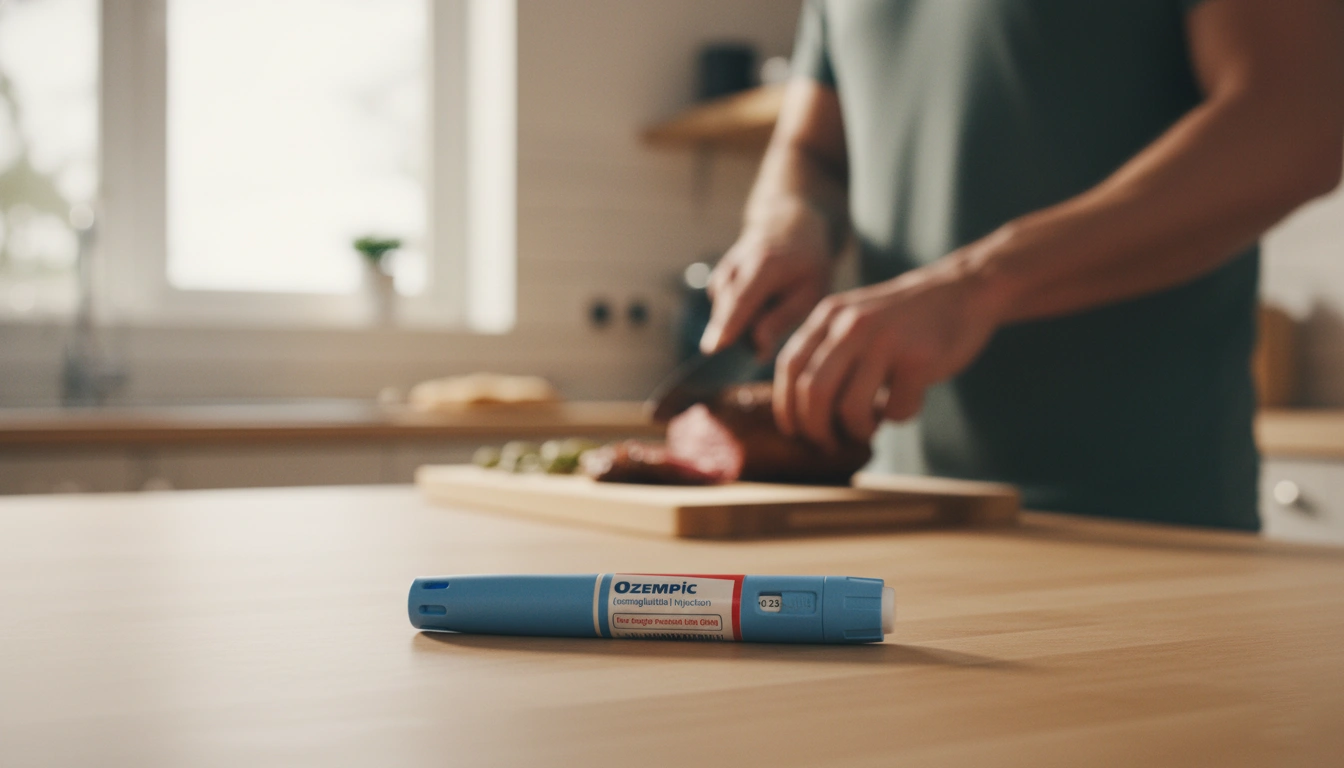
Yes, Ozempic can increase your sensitivity to alcohol. Many patients on semaglutide report that alcohol hits faster, harder, and with a longer recovery than it did before treatment. This isn’t just a perception issue. There are real physiological reasons why your relationship with alcohol changes on GLP-1 medications, and understanding them helps you make smarter decisions about drinking while on treatment.
Why Alcohol Feels Different on Ozempic
The most direct explanation comes down to how semaglutide affects digestion. Ozempic slows gastric emptying, which means everything you consume, including alcohol, moves through your stomach more slowly than it normally would.
Under typical circumstances, alcohol is absorbed primarily in the small intestine. When gastric emptying slows, alcohol sits in the stomach longer before reaching that absorption point. This can create an unpredictable absorption curve. Some patients experience a delayed but then sharper spike in blood alcohol levels. Others find they feel the effects almost immediately because they’re eating less overall and drinking on a functionally emptier stomach.
Either way, the rhythm you developed with alcohol before starting Ozempic no longer applies. What felt like a moderate amount to drink now may push you well past where you intended to be.
The Role of Reduced Food Intake
Here’s something that doesn’t get enough attention. Ozempic significantly reduces appetite, which means most patients are eating considerably less than they were before treatment. Food in the stomach buffers alcohol absorption. Less food equals faster, more intense intoxication.
Consider this scenario: a patient used to have two glasses of wine with a full dinner and feel a mild, comfortable buzz. On Ozempic, she’s eating about half what she used to at dinner because her appetite is suppressed. Those same two glasses now hit closer to what three felt like before. She’s not drinking more. Her body is simply processing alcohol differently because the buffer is gone.
This effect compounds over time as patients lose weight. Lower body weight generally means lower alcohol tolerance independent of any medication effect. Add semaglutide’s gastric slowing on top of that, and the change can be quite noticeable.
Blood Sugar and the Hidden Risk
Increased sensitivity to the intoxicating effects of alcohol is one thing. The more medically significant concern is what alcohol does to blood sugar on Ozempic.
Alcohol inhibits gluconeogenesis, the liver’s process of releasing stored glucose into the bloodstream. In practical terms, this means alcohol can cause blood sugar to drop, sometimes significantly, particularly when you haven’t eaten much. On Ozempic, where appetite suppression already means reduced food intake, drinking on a near-empty stomach creates a real risk of hypoglycemia for some patients.
The tricky part is that symptoms of low blood sugar, including dizziness, shakiness, confusion, and sweating, overlap heavily with the symptoms of being drunk. You may not realize your blood sugar is dropping because it feels like normal intoxication. This is particularly relevant for patients using Ozempic for weight loss who also have prediabetes or insulin resistance.
A 2019 review published in Diabetes Care noted that alcohol-induced hypoglycemia is an underrecognized risk in patients using glucose-lowering medications, and that the risk increases substantially when alcohol is consumed without adequate food intake.
Does Ozempic Change How You Feel the Next Day
Many patients report that hangovers feel worse on Ozempic, even after amounts of alcohol that previously caused little to no next-day effects. There are a few reasons this happens.
Nausea is already a common side effect of semaglutide, particularly in the early months of treatment or after a dose increase. Alcohol irritates the stomach lining and disrupts gastric motility, both of which overlap directly with what semaglutide is already doing. The result is often amplified nausea, worse acid reflux, and more significant GI discomfort the morning after drinking.
Dehydration plays a role too. Alcohol is a diuretic, and patients on GLP-1 medications sometimes already struggle to stay adequately hydrated because reduced appetite can mean drinking less overall. Going into a night of drinking even mildly dehydrated makes the next morning considerably harder. Our article on electrolytes and semaglutide covers hydration in more detail.
Is Increased Alcohol Sensitivity Dangerous
For most people, increased sensitivity to alcohol on Ozempic is an inconvenience rather than a medical emergency. The practical danger lies in not knowing it’s happening and drinking the way you always have.
The scenarios worth being careful about are drinking and driving, drinking in situations where you need to remain functional, and drinking without eating when blood sugar management is already a concern. If you take Ozempic alongside any other medication that affects blood sugar, including metformin or insulin, the interaction deserves a direct conversation with your prescriber.
It’s also worth noting that some patients find their desire to drink decreases on Ozempic, not just their tolerance for it. This appears to be related to how GLP-1 medications interact with dopamine reward pathways in the brain. You can read more about that in our article on GLP-1 medications and alcohol.
Practical Steps for Drinking on Ozempic
None of this means you can’t drink on Ozempic. It means you need to recalibrate. A few adjustments that make a real difference:
Treat every drink as if it’s worth more than it used to be. One drink may now function more like one and a half. Give yourself time to gauge the effect before having another.
Eat something before and during drinking, even if your appetite is suppressed. Intentionally getting some food into your stomach before alcohol slows absorption and reduces blood sugar risk. Protein and fat work better as buffers than simple carbohydrates.
Stay hydrated. Alternate alcoholic drinks with water, and drink water before bed. This helps offset the diuretic effect and reduces next-day symptoms.
Avoid drinking on your injection day or within 24 hours of a dose increase. These windows tend to be when nausea and GI sensitivity are highest, and alcohol will make both considerably worse.
If you’ve noticed your alcohol tolerance has dropped significantly and you’re having trouble adjusting, bring it up with your provider. It’s a more common concern than most patients realize, and it’s worth addressing directly rather than guessing.
When to Reassess Your Drinking Habits on Treatment
The changes Ozempic makes to alcohol sensitivity are worth taking seriously, not because moderate drinking is incompatible with treatment, but because continuing old drinking habits without adjustment can lead to situations you didn’t anticipate.
If you’re consuming more than a drink or two on a regular basis and your weight loss results have slowed, alcohol is one of the first variables worth examining. And if you find you’re relying on alcohol for stress relief or mood regulation, that’s worth raising with your prescriber as well, particularly given what we’re learning about how GLP-1 medications interact with the brain’s reward system.
TrimRx provides ongoing clinical support throughout your treatment, so questions like this don’t have to wait for an in-person appointment. Start your assessment to connect with a provider who can give you guidance specific to your situation.
This information is for educational purposes and is not medical advice. Consult with a healthcare provider before starting any medication. Individual results may vary.

Transforming Lives, One Step at a Time
Keep reading
Ozempic Changed How You and Your Partner Spend Time
Friday night was a place you both liked and a bottle of something. Sunday was a long breakfast. Holidays were planned around restaurants. That…

Partner Says You’re Not Eating Enough on Ozempic?
It has become a thing at dinner. They watch your plate. You feel watched. Something gets said, or pointedly not said, and the meal…
Weekly Client Dinners on Ozempic: A Plan for Recurring Work Meals
Managing one difficult dinner is a matter of ordering well. Managing four a week indefinitely is a different problem, because anything that relies on…


