Eating Out on Ozempic: How to Navigate Restaurants
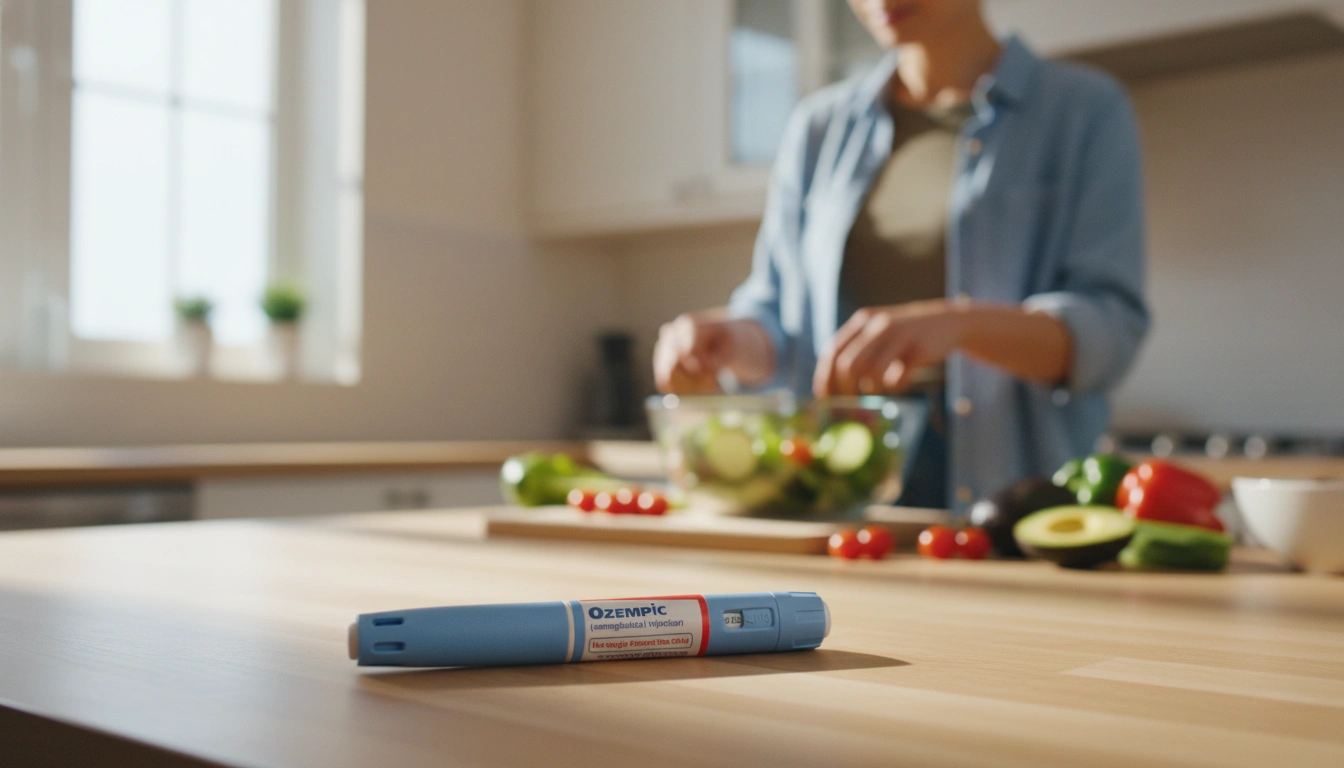
Restaurant meals were designed for people with normal appetites and no medication slowing their digestion. On Ozempic, you’re working with a smaller stomach capacity, slower gastric emptying, and a body that responds differently to large portions and rich food than it did before. That combination makes dining out a genuinely different experience, and a little preparation goes a long way toward making it work in your favor rather than against you.
The good news is that eating out on Ozempic is entirely manageable. You just need to know what to watch for.
How Ozempic Changes the Restaurant Experience
Before getting into tactics, it helps to understand what’s actually different about eating out on Ozempic compared to off it.
Your stomach empties more slowly than usual, which means food from a large meal will sit longer and feel heavier. Restaurant portions are typically two to three times a standard serving size, which is a problem even for people not on GLP-1 medications. On Ozempic, overeating even slightly is more likely to cause nausea, bloating, and discomfort than it would have been before you started the medication.
Rich, fatty, and heavily sauced foods also tend to slow gastric emptying even further. That’s not always a problem, but combined with Ozempic’s existing effect on digestion, a cream-based pasta or a fried appetizer can leave you feeling unwell for hours.
The appetite suppression itself changes how meals feel socially. You may find that you’re full after a few bites, which can feel awkward when everyone else at the table is working through a full plate. Knowing this ahead of time helps you plan rather than react.
Before You Go: Simple Preparation Steps
Look at the menu in advance. Most restaurants post their menus online. Scanning it before you arrive lets you make a calm, considered choice rather than a rushed one when you’re sitting at the table and already feeling the social pressure of ordering. Identify one or two options that are protein-forward and not overwhelmingly heavy.
Eat a small protein snack beforehand if you’re unsure. If you’re going somewhere with limited options or a menu that skews heavy, having a small amount of protein before you leave, a handful of nuts, some Greek yogurt, a hard-boiled egg, takes the edge off hunger and makes it easier to order a smaller amount without feeling deprived.
Decide ahead of time that you’ll take food home. Restaurant portions are rarely sized for someone on Ozempic. Going in with the intention of eating half and boxing the rest removes the decision-making in the moment and makes the meal feel less like deprivation and more like a reasonable plan.
What to Order: Principles That Work Across Cuisines
You don’t need a perfect menu or a specific type of restaurant to eat well on Ozempic. A few principles apply almost everywhere.
Lead with protein. Grilled fish, chicken, lean beef, shrimp, eggs, tofu, legumes: whatever the protein option is at the restaurant you’re visiting, make it the centerpiece of your order. Protein keeps you full longer, supports muscle preservation during weight loss, and tends to be lower in calories per unit of satiety than carb-heavy dishes.
Choose sauces and preparations carefully. Grilled, baked, roasted, and steamed preparations are generally better tolerated than fried or heavily sauced dishes. Cream sauces, butter-heavy preparations, and deep-fried items aren’t off-limits, but they’re more likely to cause nausea on Ozempic because of how they interact with slowed digestion. Asking for sauces on the side gives you control.
Watch the bread basket and chips. Refined carbohydrates at the start of a meal fill up limited stomach space quickly without providing much nutrition or lasting satiety. If the bread basket lands on the table automatically, you don’t have to avoid it entirely, but being intentional about whether you reach for it, rather than eating out of habit, is worth the moment of thought.
Order appetizers or sides as your main. Many restaurants have appetizer portions or side dishes that are far more appropriately sized for someone on Ozempic than their entrees. A cup of soup and a side salad with grilled chicken, or a shrimp cocktail and a vegetable side, can be a genuinely satisfying meal without the volume that comes with a full entree.
Cuisine-Specific Tips
Italian: Prioritize protein-based dishes like chicken piccata, grilled fish, or a simple meat sauce over cream-based pastas. If you’re having pasta, a half portion as a side rather than a full entree tends to work better. Minestrone or a broth-based soup is a good starter.
Mexican: Grilled proteins with salsas, beans, and vegetables are solid choices. Fajitas without the tortillas, or a small taco order instead of a full combination plate, keeps portions manageable. Guacamole with vegetables instead of chips is an easy swap.
Asian cuisines: Soups, stir-fries with lean protein and vegetables, and steamed dumplings tend to be well-tolerated. Be mindful of fried rice and noodle dishes, which are calorie-dense and quick to fill limited stomach space. Sushi is generally fine in smaller portions.
American/steakhouse: A grilled protein with a vegetable side is straightforward and easy to control. Skip the large sides or share them. A half portion of a steak with roasted vegetables is often more than enough.
Managing the Social Side
Eating out is rarely just about food. It’s often about connection, celebration, or unwinding with people you care about. Ozempic can make the eating part feel different, but it doesn’t have to make the experience feel diminished.
You don’t owe anyone an explanation for ordering less or skipping dessert. Most people won’t notice, and if they do, a simple “I’m not that hungry tonight” covers it without requiring a full conversation about your medication or treatment plan. If you want to share more, that’s entirely your choice.
Eating slowly and engaging more in conversation naturally helps you pace yourself without feeling like you’re forcing restraint. Ozempic’s appetite suppression actually makes this easier for most people because the urgency around food is reduced.
For a broader view of how results build over time and what you can realistically expect on this medication, Ozempic results at 3 months offers a practical benchmark. And if you’re thinking about how exercise fits alongside your dietary changes, best exercises to do while on Ozempic or semaglutide covers what actually moves the needle.
The Bottom Line
Eating out on Ozempic works best when you go in with a plan rather than hoping the menu cooperates. Choose protein-forward dishes, watch portion sizes, ask for sauces on the side, and give yourself permission to eat less than what’s on the plate. The medication is doing significant work on your behalf. Your job is to support it, and that’s entirely possible at any restaurant.
If you haven’t started yet and want to see whether you’re a candidate for semaglutide treatment, take the intake quiz to get started.
This information is for educational purposes and is not medical advice. Consult with a healthcare provider before starting any medication. Individual results may vary.

Transforming Lives, One Step at a Time
Keep reading
Ozempic Changed How You and Your Partner Spend Time
Friday night was a place you both liked and a bottle of something. Sunday was a long breakfast. Holidays were planned around restaurants. That…
Partner Says You’re Not Eating Enough on Ozempic?
It has become a thing at dinner. They watch your plate. You feel watched. Something gets said, or pointedly not said, and the meal…
Weekly Client Dinners on Ozempic: A Plan for Recurring Work Meals
Managing one difficult dinner is a matter of ordering well. Managing four a week indefinitely is a different problem, because anything that relies on…


