Does Mounjaro Help With Fluid Retention? Exploring the Science of Tirzepatide and Weight Management
Introduction
Did you know that the human body is composed of approximately 60% water, and even a slight shift in how we manage that fluid can result in a noticeable difference on the scale and in how our clothes fit? For many individuals navigating the complexities of weight management, the distinction between “fat loss” and “fluid shifts” remains one of the most misunderstood aspects of the journey. When embarking on a treatment plan involving advanced medications like Mounjaro, a common question arises: does Mounjaro help with fluid retention, or could it potentially cause it?
At TrimRx, our journey began with a shared vision to help individuals embrace healthier lifestyles by merging cutting-edge telehealth innovations with effective weight loss solutions. We understand that sustainable weight loss is not just about the numbers; it is about how you feel in your own skin. Our platform provides a user-friendly and supportive space where individuals receive personalized, medically supervised care, all designed to make sustainable weight loss attainable and tailored to the individual. Whether you are curious about how a specific medication interacts with your body’s fluid balance or you are looking for a comprehensive strategy, we believe that education is the first step toward empowerment.
The purpose of this article is to provide a deep, science-based exploration into the relationship between Mounjaro (tirzepatide) and fluid retention. We will examine the physiological mechanisms of the medication, distinguish between gastrointestinal bloating and true peripheral edema, and discuss how weight loss itself influences the way the body handles water. By the end of this guide, you will have a clear understanding of what to expect during the initial phases of treatment and how to support your body’s transition toward a healthier state.
We will cover the clinical evidence regarding tirzepatide, the role of inflammation in fluid balance, and the importance of personalized care. We invite you to consider your own experiences: Have you ever felt “puffy” despite eating well? Have you wondered why the scale fluctuates so dramatically from day to day? Together, we will explore these nuances and highlight how our empathetic, results-oriented approach at TrimRx can help you navigate these challenges. This post is unique because it blends clinical insights with practical, lifestyle-oriented advice, ensuring you have a partner in health every step of the way.
The primary message we want to share is that while Mounjaro is not a diuretic, its impact on metabolic health often leads to a significant reduction in systemic inflammation and a secondary improvement in fluid balance. To see if you are a candidate for this innovative treatment, we encourage you to take our free assessment quiz and begin your personalized journey with us.
Understanding the Mechanism of Mounjaro
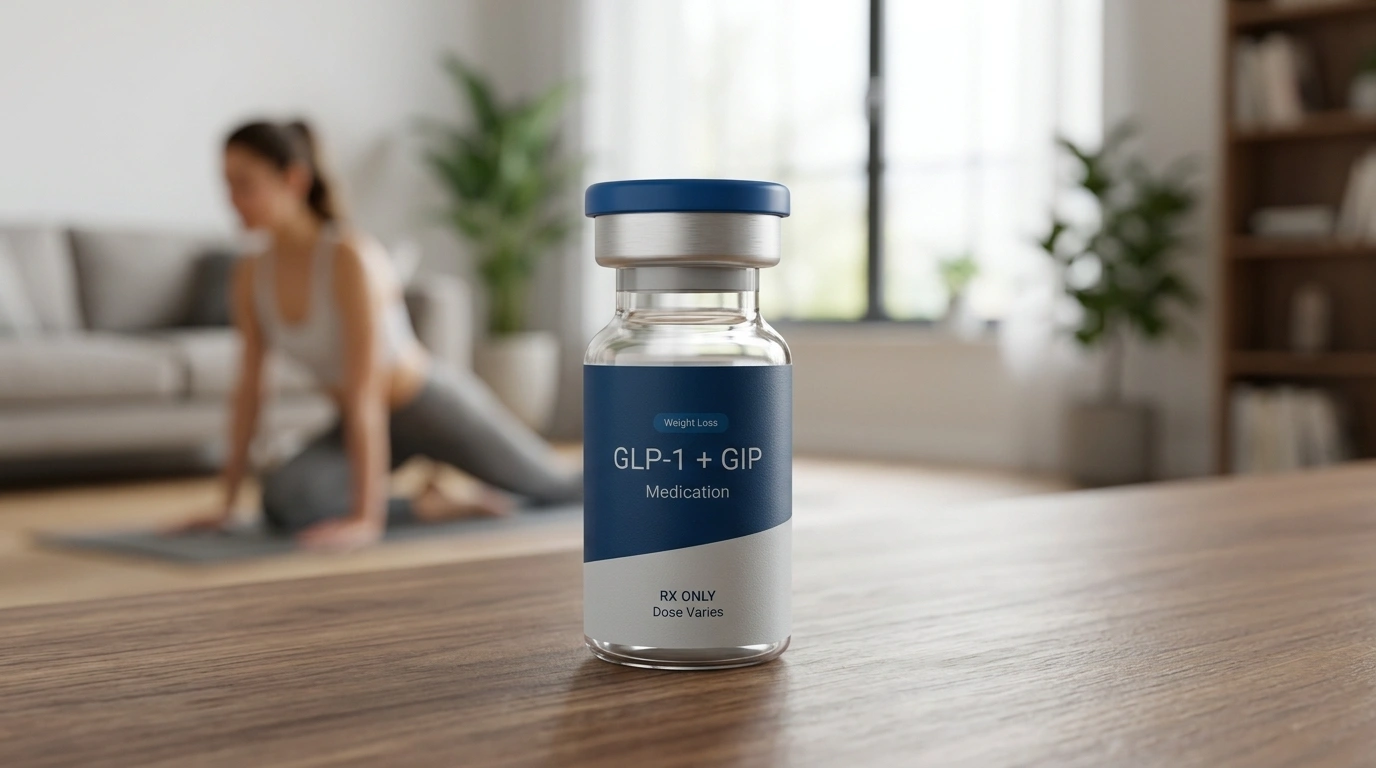
Mounjaro, known clinically as tirzepatide, represents a significant leap forward in metabolic medicine. Unlike previous generations of medications that targeted a single pathway, tirzepatide is a dual agonist. This means it mimics two naturally occurring incretin hormones in the body: glucose-dependent insulinotropic polypeptide (GIP) and glucagon-like peptide-1 (GLP-1).
The Dual Action of GIP and GLP-1
The synergy between GIP and GLP-1 is what makes Mounjaro so effective. GLP-1 is well-known for its ability to slow gastric emptying, signal fullness to the brain, and stimulate insulin production only when blood sugar is high. GIP, on the other hand, plays a vital role in how the body stores and breaks down fat, and it may also have protective effects on the central nervous system and bone health.
When these two pathways are activated simultaneously, the body becomes more efficient at regulating glucose and managing appetite. At TrimRx, we believe that sustainable weight loss should be achieved through science, empathy, and a transparent approach. By utilizing medications that work with your body’s natural chemistry, our personalized weight loss programs aim to reset your metabolic baseline.
How Metabolism Influences Fluid Balance
It is important to understand that our metabolic state directly influences how we hold onto water. Insulin, for instance, is a hormone that tells the kidneys to retain sodium. When insulin levels are chronically high—a condition often associated with weight gain and insulin resistance—the body tends to hold onto more salt and, consequently, more water.
By improving insulin sensitivity and lowering overall insulin levels, medications like Mounjaro can indirectly signal the kidneys to release excess sodium. This process often results in an initial “whoosh” of weight loss, which is frequently attributed to the shedding of excess fluid. This is one reason why many people report feeling less “puffy” or inflamed shortly after starting their treatment plan.
Does Mounjaro Cause or Help With Fluid Retention?
When addressing the specific question of whether Mounjaro helps with fluid retention, the answer is nuanced. While Mounjaro is not indicated or prescribed as a treatment for edema (medical fluid retention), the physiological changes it induces often lead to a reduction in total body water.
Examining the Clinical Evidence
Clinical trials, such as the SURPASS and SURMOUNT programs, have extensively studied tirzepatide. In these studies, peripheral edema (swelling in the hands, ankles, or feet) was not identified as a common side effect. In fact, most participants experienced significant reductions in body weight, a portion of which includes the loss of excess fluid associated with inflammation and high sodium retention.
At TrimRx, we prioritize safety by working exclusively with FDA-registered and inspected pharmacies. Our commitment to transparent service means that our approach remains consistent regardless of dosage changes. We provide a comprehensive service that includes doctor consultations, medication, and unlimited support to ensure that any symptoms you experience are monitored by professionals.
The Myth of Medication-Induced Swelling
Some individuals may feel they are “holding water” when they first start Mounjaro. However, clinical data suggests that what is often perceived as fluid retention is actually gastrointestinal bloating. Because Mounjaro slows down the movement of food through the stomach (gastric emptying), it can lead to a feeling of fullness or abdominal distension.
It is crucial to differentiate between abdominal bloating and true peripheral edema. True edema involves visible swelling where pressing on the skin leaves a temporary indentation (pitting). If you are experiencing bloating, it is likely a temporary adjustment period as your body gets used to the medication. For those looking to support their digestion and overall wellness during this transition, our GLP-1 Daily Support is an excellent quick-access supplement to consider.
The Role of Inflammation and Water Weight
One of the most profound benefits of the weight loss achieved through our programs is the reduction of systemic inflammation. Obesity is often characterized by a state of chronic, low-grade inflammation, which can cause the body to “leak” fluid into the surrounding tissues, leading to a general sense of puffiness.
How Tirzepatide Impacts Inflammation
Research into GLP-1 and GIP receptor agonists suggests they may have anti-inflammatory properties that go beyond simple weight loss. By reducing pro-inflammatory cytokines, these medications help the vascular system remain “watertight,” preventing the leakage of fluid into the interstitial spaces.
As the body shifts away from a pro-inflammatory state, individuals often notice that their rings fit more loosely or their faces look more defined. This isn’t just fat loss; it’s the body returning to a state of fluid homeostasis. If you want to accelerate your progress and support your body’s metabolic health, you might also consider our Weight Loss Boost supplement, which is designed to complement your journey.
Glycogen and the “Initial Drop”
When you begin a personalized weight loss program, your body starts to utilize its stored energy, known as glycogen. Glycogen is stored in the muscles and liver, and every gram of glycogen is bound to approximately three to four grams of water.
As you consume fewer calories and your body burns through these glycogen stores, a significant amount of water is released. This explains the rapid weight loss many people see in the first week or two. While this isn’t “fat loss” yet, it is a vital part of the process that helps reduce the burden on your joints and cardiovascular system. To see if a personalized plan featuring medications like Compounded Semaglutide or Tirzepatide is right for you, we invite you to take our free assessment quiz.
Distinguishing Between Edema and Bloating
To manage your health effectively, you must be able to identify what your body is telling you. Understanding the difference between fluid retention and gastrointestinal side effects can save you unnecessary stress.
Characteristics of Gastrointestinal Bloating
- Location: Primarily in the stomach or pelvic area.
- Timing: Often occurs shortly after eating or toward the end of the day.
- Sensation: A feeling of “tightness” or “gas” in the abdomen.
- Cause: Slowed gastric emptying caused by Mounjaro or other GLP-1 medications.
Characteristics of True Fluid Retention (Edema)
- Location: Usually in the lower extremities (ankles, feet) or hands.
- Visual Cues: Skin may look shiny or stretched; socks may leave deep indentations.
- Pitting: Pressing your thumb into the swollen area leaves a “pit” that takes several seconds to disappear.
- Cause: Potential underlying issues with the heart, kidneys, or liver, or a reaction to high-sodium intake.
At TrimRx, our brand is empathetic and supportive. We believe that sustainable weight loss should be achieved through science and a transparent approach. If you ever feel uncertain about the symptoms you are experiencing, our comprehensive service includes unlimited support to help guide you through the process.
Lifestyle Factors That Influence Fluid Balance
While medications like Mounjaro are powerful tools, they work best when supported by a healthy lifestyle. Certain daily habits can either help or hinder your body’s ability to manage fluid.
The Importance of Hydration
It may seem counterintuitive, but drinking more water can actually help reduce water retention. When the body is dehydrated, it goes into “survival mode” and holds onto every drop of fluid it has. By maintaining consistent hydration, you signal to your kidneys that they can safely excrete excess water and salt.
When taking Mounjaro, hydration is even more critical because the medication can sometimes decrease your thirst cues. We recommend carrying a water bottle throughout the day to ensure you are meeting your body’s needs. For additional support, our GLP-1 Daily Support can help ensure you are getting the nutrients your body needs to thrive.
Managing Sodium and Potassium Intake
The balance between sodium and potassium is the primary regulator of fluid in your cells. Sodium pulls water into the spaces between cells, while potassium helps draw it back in or move it through the kidneys.
- Reduce Processed Foods: These are often hidden sources of high sodium that lead to “puffiness.”
- Increase Potassium-Rich Foods: Incorporating foods like spinach, avocados, and bananas can help balance out sodium levels.
Our personalized programs are designed to make sustainable weight loss attainable and tailored to the individual. We encourage you to take our free assessment quiz to receive a plan that accounts for your unique nutritional needs.
Why Weight Loss Plateaus Can Feel Like Retention
A common frustration for many individuals on a weight loss journey is the plateau. You might be doing everything “right,” but the scale refuses to budge for a week or two. In many cases, this is not a stop in fat loss, but a temporary shift in fluid balance.
The “Squishy Fat” Phenomenon
As fat cells (adipocytes) lose their lipid content, they don’t immediately shrink and disappear. Instead, they often temporarily fill with water to maintain their structure. During this phase, your weight might stay the same, but the texture of the tissue might feel softer or “squishier.” Eventually, the body releases that water, and the scale “drops” seemingly overnight.
Patience is key during these periods. We offer compassionate care that respects every individual’s unique journey. Our results-oriented approach focuses on long-term trends rather than daily fluctuations. To stay motivated during these phases, many of our members find that our Weight Loss Boost helps them feel more energized and focused.
Addressing Obesity-Induced Lymphedema
In some instances, significant weight can lead to a condition known as obesity-induced lymphedema. This occurs when excess adipose tissue puts physical pressure on the lymphatic vessels, preventing them from draining fluid effectively.
Can Mounjaro Help With Lymphedema?
While Mounjaro is not a cure for lymphedema, significant weight loss can reduce the physical pressure on the lymphatic system. Research suggests that as BMI decreases, lymphatic function can improve. This leads to a reduction in limb volume and improved mobility.
However, it is important to remember that if the lymphatic system has been permanently damaged, some swelling may persist even after weight loss. In these cases, we recommend a multi-faceted approach that includes medical supervision, compression, and lifestyle changes. Our team at TrimRx is here to support you in finding the most effective path forward.
Safety and Monitoring with TrimRx
Your safety is our top priority. While Mounjaro is generally well-tolerated, it is a powerful medication that requires careful oversight. We partner with FDA-registered and inspected pharmacies for the shipping of all weight loss medications, ensuring that you receive high-quality, authentic products.
When to Seek Medical Assessment
While mild bloating or a sensation of puffiness can be normal, there are certain symptoms that require immediate medical attention. If you experience any of the following, please contact a healthcare professional:
- Sudden, severe swelling in one leg (could indicate a blood dot).
- Shortness of breath, especially when lying down.
- Swelling of the face, lips, or tongue.
- Rapid weight gain of more than five pounds in two days.
At TrimRx, our platform is a user-friendly and supportive space where individuals receive personalized, medically supervised care. We believe in a transparent approach and are always available to discuss any concerns you may have about your treatment.
Complementing Your Medication with Targeted Supplements
We understand that the journey to a healthier you involves more than just a weekly injection. That is why we offer quick-access supplements that do not require a quiz. These products are designed to bridge the gap and provide your body with the support it needs during the transition.
GLP-1 Daily Support
Our GLP-1 Daily Support is formulated to help manage the common side effects associated with GLP-1 and GIP medications. By supporting digestive health and nutrient absorption, it helps you stay on track and feel your best.
Weight Loss Boost
For those looking to maximize their metabolic potential, our Weight Loss Boost provides a blend of ingredients aimed at supporting energy levels and fat metabolism. It is a perfect companion for anyone committed to a healthier lifestyle.
The TrimRx Difference: Personalized Care
What sets TrimRx apart is our commitment to the individual. We know that no two bodies are the same, and what works for one person may not be the ideal solution for another. Our personalized weight loss program offers a range of options, including:
- Compounded Semaglutide and Oral Semaglutide
- Compounded Tirzepatide and Oral Tirzepatide
- Branded options like Ozempic®, Mounjaro®, Zepbound®, and Wegovy®
The first step in our process is always the assessment. We encourage you to take our free assessment quiz to determine your eligibility and receive a treatment plan that is tailored specifically to your health history and goals.
Conclusion: Embracing the Journey
In summary, the question of “does Mounjaro help with fluid retention” can be answered by looking at the broader picture of metabolic health. While the medication itself is not a treatment for fluid retention, the weight loss, improved insulin sensitivity, and reduced inflammation it promotes often lead to a significant decrease in excess body water.
We have explored how the dual action of GIP and GLP-1 works to reset your metabolism, the difference between bloating and edema, and the lifestyle factors that can help you achieve the best results. At TrimRx, we are more than just a provider; we are your partners in health. We merge cutting-edge telehealth innovations with compassionate care to ensure that your journey is as smooth and successful as possible.
Sustainable weight loss is a marathon, not a sprint. It requires science, empathy, and a commitment to long-term change. Are you ready to see what your body is capable of when it has the right support? We invite you to take our free assessment quiz today and discover the TrimRx difference.
Together, we can help you achieve a healthier, more vibrant life. Whether you are starting with our quick-access GLP-1 Daily Support or beginning a comprehensive prescription program, we are here to support every step you take.
Frequently Asked Questions
1. Is it normal to lose a lot of weight in the first week on Mounjaro?
Yes, it is very common to see a rapid drop in weight during the first week or two. This is typically due to the body burning through glycogen stores, which release a significant amount of water. While this is “water weight” rather than “fat loss,” it is a normal and healthy part of the metabolic adjustment process.
2. Can Mounjaro cause swelling in my ankles?
Clinical trials do not list peripheral edema (ankle swelling) as a common side effect of Mounjaro. If you notice significant swelling in your ankles or feet, it is important to consult a healthcare provider to rule out other potential causes, such as high sodium intake or underlying heart or kidney issues.
3. How can I tell the difference between bloating and fluid retention?
Bloating usually feels like pressure or tightness in the abdominal area and is often related to digestion. Fluid retention (edema) typically appears in the extremities like the feet or hands and may leave a “pit” when you press on the skin. If you are unsure, our support team at TrimRx is available to help you understand your symptoms.
4. Does drinking more water help with the “puffy” feeling?
Surprisingly, yes! Staying well-hydrated helps your body realize it doesn’t need to “hoard” fluid. Proper hydration, combined with a balance of electrolytes like potassium, can help your kidneys effectively flush out excess sodium and reduce that feeling of puffiness. To support your hydration and nutrient needs, consider our GLP-1 Daily Support.

Transforming Lives, One Step at a Time
Keep reading

Mounjaro Alternatives: What Else to Consider
If Mounjaro isn’t the right fit, the closest alternatives are other GLP-1 medications, chiefly semaglutide (Ozempic for diabetes, Wegovy for weight), along with a…

Mounjaro vs Zepbound: Same Drug, Two Brands
Like their semaglutide counterparts, Mounjaro and Zepbound are the same medication (tirzepatide) sold under two names for two purposes: Mounjaro is approved for type…

Retatrutide vs Mounjaro: Triple Agonist vs Dual Agonist
The core difference between retatrutide and Mounjaro comes down to how many hormone targets each hits: retatrutide activates three receptors, while Mounjaro (tirzepatide) activates…


