Why Did My Ozempic Shot Hurt? Causes and Pain-Free Tips
Introduction
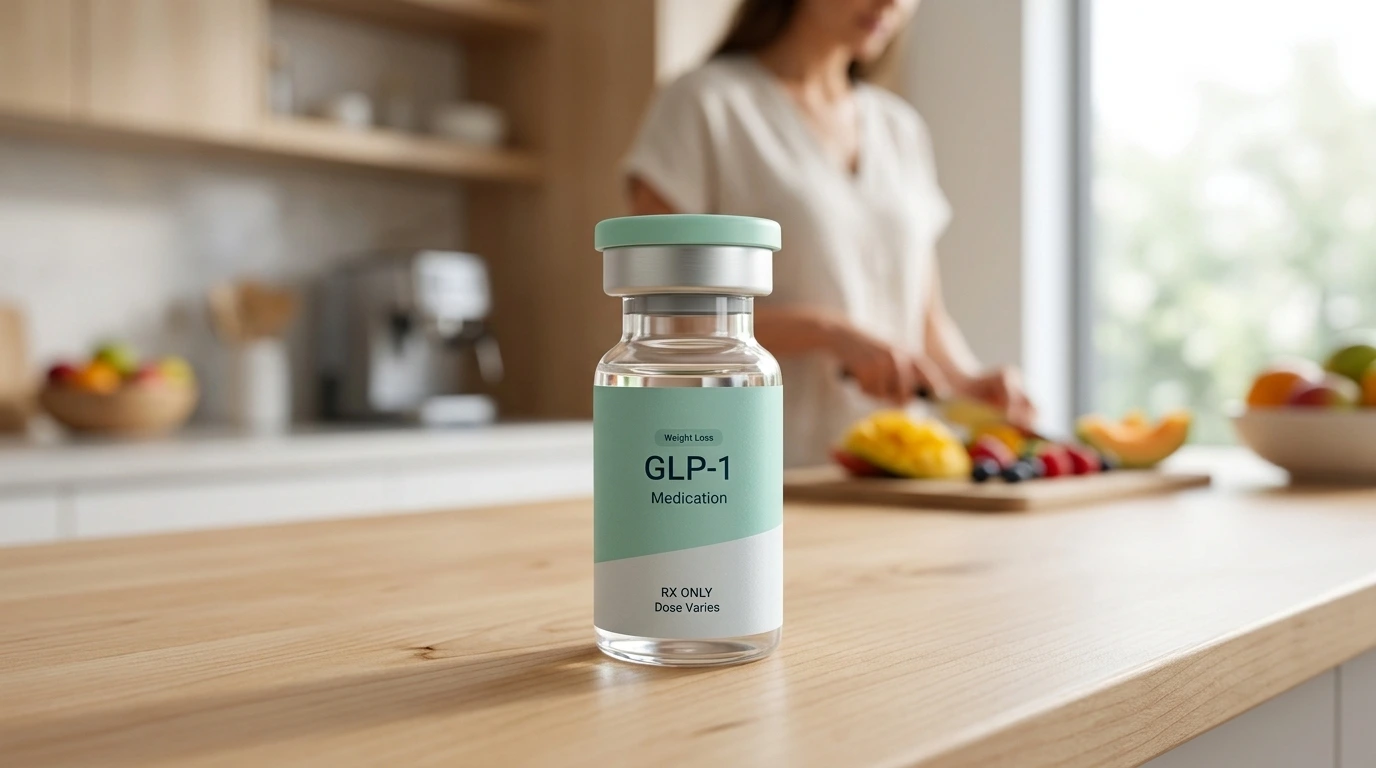
Starting a journey toward better metabolic health is a significant milestone, but for many, the anticipation of the weekly dose is met with a bit of anxiety. If you have ever asked, “why did my ozempic shot hurt,” you are not alone in that experience. While the needles used for these injections are incredibly thin, a sharp sting, a persistent burn, or localized soreness can still occur. At TrimRx, we believe that understanding the “why” behind your body’s responses is the first step toward a more comfortable and sustainable treatment experience.
This article explores the physiological and technical reasons why your injection site might hurt, ranging from the temperature of the medication to the specific way you handle the pen. We will provide evidence-based strategies to minimize discomfort and explain how to tell the difference between a normal reaction and something that requires a conversation with a provider. Our goal is to help you feel confident and supported as you work toward your long-term health goals.
Understanding the “Sting”: The Science of Subcutaneous Injections
To understand why an injection might hurt, it is helpful to first look at where the medication is supposed to go. Ozempic® (semaglutide) is a subcutaneous injection. This means it is designed to be delivered into the fatty tissue layer located directly beneath the skin but above the muscle. This layer of fat is a preferred site for medications like glucagon-like peptide-1 (GLP-1) receptor agonists because it has fewer large blood vessels and nerves than muscle tissue. This allows the drug to be absorbed slowly and steadily into your system.
For a broader overview of the injection process, review this GLP-1 injection technique guide.
Even though this fatty layer is less sensitive than muscle, it is still home to a network of tiny nerve endings called nociceptors. These receptors are specifically designed to detect pressure, temperature changes, and chemical shifts. When a needle enters this space or a fluid is introduced, these nerves send signals to your brain that you interpret as a “pinch” or “sting.” If the liquid is cold or if the needle enters at a jagged angle, these receptors respond more intensely, leading to the discomfort you may feel.
Key Takeaway: Most injection-site pain is a localized response from tiny nerve endings in your fatty tissue reacting to either the physical entry of the needle or a sudden change in temperature or pH level within the tissue.
5 Common Reasons Your Ozempic Shot Might Hurt
Discomfort is rarely caused by the medication itself. Instead, it is usually the result of environmental factors or a slight slip in injection technique. By identifying which of these factors is at play, you can make simple adjustments to your weekly routine.
1. Thermal Shock from Cold Medication
Most GLP-1 medications must be refrigerated to maintain their stability and effectiveness. However, injecting a cold liquid into a warm body can cause a sensation known as thermal shock. The nerves in your subcutaneous tissue are highly sensitive to sudden drops in temperature. When the chilled liquid enters the tissue, it can create a sharp, burning sensation that lasts for several minutes.
For additional context about cold medication and injection discomfort, see this guide to comfortable Ozempic injections.
2. Residual Alcohol Irritation
Using an alcohol swab to clean your skin is an essential step for maintaining sterility and preventing infection. However, many people are in a hurry and inject while the skin is still damp. If the needle “drags” liquid alcohol into the puncture site, the alcohol becomes trapped beneath the skin. Because alcohol is a known irritant to internal tissue, this is one of the most common reasons for an immediate, intense burn the moment the needle enters.
3. Needle Quality and “Micro-Trauma”
The needles used with modern injection pens are extremely thin—often about the width of two human hairs. They are designed for a single use. Every time a needle is used, the tip can become slightly dulled or develop microscopic “hooks.” Reusing a needle, even once, increases tissue trauma and makes the injection feel significantly sharper. Furthermore, a dull needle is more likely to cause minor bruising by nicking tiny blood vessels.
4. Muscle Tension and Anticipatory Anxiety
If you are nervous about the shot, your body naturally tenses up. When the muscles beneath the fatty tissue are flexed, the fatty layer becomes more compressed. This creates more resistance for the needle and can make the pinch feel more pronounced. Additionally, holding your breath or bracing for pain can lower your overall pain threshold for the moment.
5. Site Fatigue and Tissue Hardening
If you find a spot that is easy to reach and use it every single week, the tissue in that area can become stressed. Over time, this can lead to a condition called lipohypertrophy, which is a localized buildup of hardened fatty tissue. Injecting into these hardened areas is often more painful because the tissue is less flexible. Furthermore, injecting into these lumps can interfere with how consistently the medication is absorbed into your bloodstream.
Learn more about choosing and rotating the best GLP-1 injection sites.
| Sensation | Likely Cause | Is it Normal? |
|---|---|---|
| Immediate Burn | Wet alcohol on the skin | Yes, but avoidable |
| Aching or Pressure | Cold medication | Yes, but avoidable |
| Sharp Pinch | Needle angle or muscle tension | Yes |
| Persistent Soreness | Tissue irritation or hitting a capillary | Yes, usually fades in 24 hours |
| Intense, Spreading Pain | Potential infection or improper depth | No, consult a provider |
The Best (and Least Painful) Injection Sites
Not all areas of the body are created equal when it comes to injection comfort. The three approved sites for Ozempic® and other GLP-1 medications are the abdomen, the front or outer thigh, and the back of the upper arm.
The Abdomen
The stomach is the most popular choice for most individuals. It typically has a consistent layer of fatty tissue and is easy to see and reach. To minimize pain, stay at least two inches away from your belly button. Many people find the “love handle” area or the lower quadrants of the abdomen are the least sensitive.
The Thigh
The front or outer portion of the mid-thigh is a great alternative if you want to give your abdomen a break. However, some people find the thigh slightly more sensitive because the skin can be tighter over the muscle. If you use the thigh, make sure you are sitting down so the leg is fully relaxed.
The Upper Arm
The back of the upper arm is effective, but it is often the most difficult site to use alone. To get a proper 90-degree angle in the arm, most people need the help of a partner or family member. If you are injecting yourself, the arm may be more painful simply because it is harder to keep the pen steady.
Key Takeaway: While all three sites are equally effective for medication absorption, rotating between them is the best way to prevent tissue hardening and reduce cumulative soreness.
Step-by-Step for a More Comfortable Injection
Improving your experience does not require clinical training. By following a calm, repeatable routine, you can neutralize the most common triggers for injection-site pain.
Step 1: The 30-Minute Warm-Up Take your pen out of the refrigerator approximately 30 minutes before you plan to inject. This allows the medication to reach room temperature naturally. Never use a microwave or hot water to speed up this process, as high heat can damage the proteins in the medication.
Step 2: Cleanse and “Air Dry” Wipe your chosen injection site with a fresh alcohol swab. Once finished, wait at least 60 seconds for the skin to dry completely. Do not blow on the area or fan it with your hand, as this can introduce bacteria. Waiting for the alcohol to evaporate fully is the simplest way to eliminate the “alcohol sting.”
Step 3: Relax and Breathe Sit in a comfortable position where your target area is supported. Just before you insert the needle, take a slow, deep breath out. Exhaling helps relax your muscles and can naturally dull the sensation of the needle entry.
Step 4: The 90-Degree Entry Hold the pen firmly and insert the needle straight into the skin at a 90-degree angle. Avoid inserting the needle slowly or hesitantly, as this can actually increase the amount of time the skin’s surface nerves are being stimulated. A quick, confident motion is usually the most comfortable.
Step 5: The “Hold and Count” Once the dose button is pressed and the counter reaches zero, do not pull away immediately. Slowly count to six before removing the needle. This ensures the full dose is delivered and prevents medication from leaking back out to the sensitive surface of the skin.
Step 6: Pressure, Not Rubbing If you see a tiny drop of blood or feel a bit of soreness, apply firm, steady pressure with a clean cotton ball for a few seconds. Avoid rubbing or massaging the site, as this can irritate the tissue and increase the likelihood of a bruise.
When to Call Your Healthcare Provider
While a minor sting or a small bruise is usually nothing to worry about, it is important to listen to your body. You should consult a licensed healthcare professional if you experience any of the following:
- Pain that gets significantly worse after 48 hours
- Redness that spreads in a large circle (more than two inches) away from the puncture
- Signs of infection, such as pus, extreme warmth, or a fever
- A hard lump that does not go away after several days
- Signs of a systemic allergic reaction, such as hives, swelling of the face, or difficulty breathing (seek emergency care for these)
Note: True allergic reactions to GLP-1 medications are rare, but they are serious. Always consult with a qualified professional if you are unsure about a skin reaction.
The TrimRx Approach to Personalized Care
At TrimRx, we believe that weight loss is a deeply personal journey that requires more than just a prescription. Our mission is to help individuals embrace healthier lifestyles through a transparent, science-backed approach that prioritizes your comfort and long-term success. We provide a telehealth-first platform where you can access personalized weight loss programs without the need for waiting rooms or in-person visits.
Our programs are designed to fit your unique health profile, goals, and medical history. We connect you with licensed providers who can prescribe treatments tailored to your needs. This may include Compounded Semaglutide or Compounded Tirzepatide, which are prepared and shipped by FDA-registered, inspected compounding pharmacies. While these compounded medications are not FDA-approved, they offer a personalized path for those navigating the complexities of modern weight management. We also support individuals who may be prescribed branded options such as Ozempic®, Wegovy®, Mounjaro®, or Zepbound®.
Our comprehensive service model includes doctor consultations, lab work coordination, and unlimited support from a dedicated team of specialists. We also offer specialized supplements like GLP-1 Daily Support and Weight Loss Boost to help you manage your journey effectively. If you are ever frustrated by side effects or unsure about your injection technique, our team is available 24/7 to provide the empathetic guidance you deserve.
Myth: “If the shot hurts, it means the medicine isn’t working correctly.” Fact: Pain is almost always a result of technique, temperature, or individual nerve sensitivity. It has no impact on the effectiveness of the medication once it has been delivered into the subcutaneous tissue.
Conclusion
A stinging sensation during your weekly shot can be a frustrating hurdle, but it is one that is often easily managed with a few small changes. By allowing your medication to warm to room temperature, ensuring your skin is dry, and being diligent about rotating your injection sites, you can make your treatment a seamless part of your self-care routine. Sustainable weight loss is a marathon, not a sprint, and your comfort along the way is essential for staying consistent.
At TrimRx, we are committed to being your partner in this process, providing the clinical expertise and modern technology you need to succeed. Whether you are just starting out or looking for a more personalized telehealth experience, we are here to support every step of your progress.
Bottom line: Preparation and patience are your best tools. Taking an extra 30 minutes to let your medication warm and 60 seconds to let the alcohol dry can eliminate the most common reasons for injection-site pain.
If you are ready to explore a personalized weight loss program designed around your unique health profile, we invite you to take the free assessment quiz to see which path is right for you.
FAQ
Why did my injection hurt today but not last week?
The intensity of the sensation can vary based on whether the needle accidentally hit a small cluster of nerve endings or a tiny capillary. It can also happen if you were more rushed today, perhaps injecting before the alcohol dried or before the medication reached room temperature.
Is the stomach or the thigh a less painful injection site?
Most individuals find the abdomen to be the least painful because it typically has more subcutaneous fat and fewer surface nerves than the thigh. However, pain perception is individual, and some people find the outer thigh more comfortable for self-administration. For more site-selection guidance, review this complete guide to GLP-1 injection sites.
What should I do if I see a small drop of blood after the shot?
Seeing a tiny drop of blood or a small bruise is very common and usually means the needle nicked a small blood vessel. Simply apply firm pressure with a clean cotton ball or gauze for 10-20 seconds; do not rub the area, as this can increase bruising.
Does the pain mean I accidentally injected into a muscle?
Not necessarily, but injecting into muscle can be more painful. To ensure you are staying in the fatty layer, make sure you are using a 90-degree angle and avoiding areas where the skin feels very thin or tight. If you are very lean, a healthcare provider might suggest a different technique or site. If you are considering a prescription program, you can complete a free eligibility assessment.
Disclaimer: This content is for informational purposes only and does not constitute medical advice. It is not intended to diagnose, treat, cure, or prevent any disease or condition. Individual results may vary. Always consult a qualified healthcare professional before starting any weight loss program or medication.

Transforming Lives, One Step at a Time
Keep reading
Is It Normal for Nausea to Come Back on Ozempic?
Many people on Ozempic or another GLP-1 have a rough first few weeks, then settle in and feel much better. So it can be…
Is It Normal to Not Feel Anything After Taking Ozempic?
You have heard stories about people losing interest in food overnight or feeling queasy after their first dose. Then you take your own first…
Is It Normal to Have Dark Urine on Ozempic?
Noticing that your urine is darker than usual can be worrying. On Ozempic or another GLP-1, the most common reason is simple: you are…


