What Does the Wegovy Pen Look Like When Empty?

Introduction
Standing in your bathroom, holding a sleek injection pen for the first time, it is natural to feel a mix of hope and uncertainty. You want to ensure every drop of your medication is working to support your metabolic health. One of the most common questions for those starting their journey is how to tell if the dose was actually delivered. At TrimRx, we believe that confidence in your treatment starts with understanding the tools you use every day. This post will detail exactly what to look for—both visually and through sound—to confirm your pen is empty. We will also cover what to do if you suspect a malfunction and how our personalized programs help you navigate these clinical details with ease. Knowing the signs of a completed injection ensures you stay consistent on your path toward sustainable weight management.
Understanding the injection process is also an important part of deciding whether a personalized GLP-1 program may be right for you. If you are exploring prescription support, you can complete a free eligibility assessment.
Quick Answer: A Wegovy® pen is empty when the yellow bar has completely filled the clear inspection window and stopped moving. You should also hear two distinct clicks during the process, signaling the start and completion of the injection.
The Design of the Wegovy® Autoinjector
To understand when the pen is empty, it helps to understand how the device is built. In the United States, Wegovy® (a branded version of semaglutide) is typically provided as a single-dose autoinjector. Semaglutide is a GLP-1 (glucagon-like peptide-1) receptor agonist. This type of medication mimics a natural hormone in your body that helps regulate appetite and slows down how quickly your stomach empties.
For a broader overview of injection preparation and technique, review this guide to taking semaglutide shots.
Unlike some other injection pens that allow you to dial a dose and use the same device multiple times, the standard Wegovy® pen is a one-time-use system. It is spring-loaded and designed to deliver a specific, pre-measured dose. Once the internal mechanism is triggered, it cannot be reset or reused. This design aims to simplify the process, but it also means the pen undergoes a visible transformation during use.
Visual Indicators of an Empty Pen
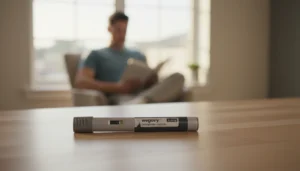
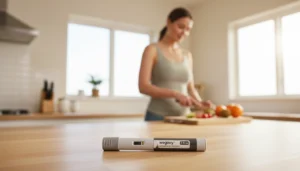
The most reliable way to confirm your pen is empty is by looking at the inspection window. This clear area on the side of the pen allows you to see the medication before the injection and the internal components after.
For another visual explanation of the completed injection, see what a Wegovy pen looks like after injection.
The Initial Appearance
Before you use the pen, the inspection window should show a clear, colorless liquid. It should look like water. If the liquid is cloudy, colored, or contains large particles, do not use the pen and consult a healthcare professional. You might see a small air bubble, which is normal and does not affect the dose or your safety.
The Yellow Bar Movement
As you press the pen against your skin, the internal plunger moves forward to push the medication through the needle. This plunger is capped with a bright yellow bar. As the injection progresses, you will see this yellow bar slide across the window.
The pen is empty only when the yellow bar has stopped moving and completely fills the inspection window. If you can still see any clear liquid or if the yellow bar is only halfway across the window, the injection is not yet complete.
Key Takeaway: Always wait until the yellow bar stays still and fills the entire window before lifting the pen from your skin. This visual confirmation is your best proof of a full dose delivery.
Auditory Cues: The Two Clicks
While your eyes watch the yellow bar, your ears should listen for two distinct sounds. The manufacturer designed the autoinjector to provide auditory feedback so you don’t have to rely on sight alone.
- The First Click: This happens almost immediately after you press the pen firmly against your chosen injection site (such as the thigh, abdomen, or upper arm). This click signals that the needle has been deployed and the medication has started to flow.
- The Second Click: This occurs a few seconds later. It indicates that the spring mechanism has finished pushing the plunger.
For more information about interpreting the clicks and the yellow bar, read these Wegovy pen troubleshooting tips.
It is a common mistake to pull the pen away as soon as the second click is heard. However, clinical guidance suggests holding the pen in place for a few extra seconds after the second click while you verify the yellow bar has stopped. This ensures that the pressure has fully equalized and all the semaglutide has entered the subcutaneous tissue.
Handling Leftover Liquid and “Wet Injections”
It is very common to see a tiny, bead-like drop of liquid on the tip of the needle or on your skin after you remove the pen. This often leads people to worry that the pen isn’t truly empty.
When a Small Drop is Normal
A minuscule drop at the injection site is generally not a sign of failure. The device is calibrated to deliver the full therapeutic dose even if a tiny amount remains on the surface. If the yellow bar is full and you heard both clicks, you likely received your complete dose.
Identifying a “Wet Injection”
A “wet injection” occurs when a significant amount of liquid—more than a tiny drop—remains on the skin or runs down your leg or arm. This usually happens if the pen was not held firmly enough against the skin or if it was removed too early. If this happens, do not inject another dose immediately. Contact a healthcare provider or your TrimRx specialist team to discuss how to handle your schedule for the week.
If you are unsure whether the device malfunctioned, review this guide on what to do if a Wegovy pen malfunctions.
Troubleshooting a Pen That Won’t Empty
Sometimes the pen may seem stuck, or the yellow bar may not appear at all. This can be frustrating, especially when you are committed to your weekly routine.
Common Reasons for Malfunction
- Angle of Injection: The pen should be held at a 90-degree angle to the skin. If it is held at too shallow an angle, the safety guard may not retract properly, preventing the mechanism from firing.
- Pressure: The autoinjector requires a firm, steady push. If you are hesitant or let up on the pressure midway through, the injection might stop.
- Temperature: If the pen was frozen in the back of a refrigerator, the medication or the internal spring may be damaged. Never use a pen that has been frozen.
What to Do with a Faulty Pen
If the yellow bar does not move or the pen does not click, do not attempt to take the pen apart or “fix” it. Keep the pen and contact the manufacturer or your pharmacy. For those in our program, our specialists can help guide you through the process of reporting a device failure and ensuring your treatment plan stays on track.
If prescription support is your next step, you can see if you qualify for a personalized treatment plan.
Wegovy® vs. Multi-Dose Systems
While this article focuses on the single-dose Wegovy® pen common in the US, it is helpful to know that other GLP-1 medications use different systems. For instance, Ozempic® (another branded semaglutide) uses a multi-dose pen where you dial a dose and attach a new needle each time. In that system, the pen is empty when the dose counter will no longer turn to your prescribed amount.
At TrimRx, we offer access to personalized programs that may include compounded semaglutide or compounded tirzepatide. These medications are not FDA-approved, but they are prepared and shipped by FDA-registered, inspected compounding pharmacies. Unlike the branded autoinjector, compounded medications typically come in a glass vial. To use these, you draw the medication into a small syringe manually.
The benefits of a vial and syringe system include:
- Visual Transparency: You can see exactly how much liquid is in the vial and the syringe.
- Manual Control: There is no “black box” mechanism; you control the speed and delivery of the injection.
- Customization: It allows for precise dosing adjustments under the guidance of a licensed provider.
Bottom line: While branded autoinjectors rely on a yellow bar and clicks, vial-based systems allow you to visually confirm the dose is gone by looking at the syringe and the empty vial.
How to Prepare for a Successful Injection
To ensure your pen empties correctly every time, following a consistent preparation routine is key. Proper technique reduces the risk of errors and increases your confidence.
For additional step-by-step guidance, review this practical guide to using a Wegovy pen.
Step 1: Inspect the Pen
Check the expiration date and the appearance of the liquid. Ensure it is clear and colorless.
Step 2: Choose and Clean Your Site
Common sites include the front of the thighs, the abdomen (at least two inches away from the belly button), or the back of the upper arm. Clean the area with an alcohol swab and let it dry completely.
Step 3: Firm Placement
Remove the cap. Press the pen firmly against your skin at a 90-degree angle. You should feel the needle guard slide up into the pen.
Step 4: Listen and Watch
Hold the pen in place. Listen for the first click (start) and the second click (completion). Watch the yellow bar move until it fills the window.
Step 5: The “Five-Second” Rule
After the second click and the yellow bar is still, count slowly to five before lifting the pen. This ensures the medication has fully dispersed.
Safe Disposal of Your Empty Pen
Once you have confirmed your pen is empty, it must be disposed of properly. Because these devices contain a needle, they are considered biohazardous sharps.
- Do Not Use Household Trash: Never throw empty Wegovy® pens into your regular kitchen or bathroom trash can.
- Use a Sharps Container: Place the empty pen immediately into an FDA-cleared sharps disposal container. These are heavy-duty plastic bins designed to prevent needles from poking through.
- Alternative Containers: If you do not have a sharps container, you can use a thick plastic container with a tight-fitting, puncture-resistant lid, such as an empty laundry detergent bottle. Clearly label it “Biohazard” or “Sharps.”
- Follow Local Guidelines: Check your local community guidelines for how to dispose of full sharps containers. Some areas have drop-off sites, while others allow for specific mail-back programs.
Storage Tips to Protect Pen Integrity
A pen that has been stored incorrectly is more likely to malfunction or fail to empty. GLP-1 medications are proteins that are sensitive to light and temperature.
- Refrigeration: Store unused pens in the refrigerator between 36°F and 46°F. Keep them in their original carton to protect them from light.
- Avoid the Freezer: Never store pens in the freezer or near the cooling element of the fridge. If a pen freezes, the medication loses its potency and the mechanical parts can break.
- Room Temperature: If you are traveling, a Wegovy® pen can be kept at room temperature (up to 86°F) for up to 28 days. If it isn’t used within that window, it should be discarded even if it is full.
The Role of Clinical Support in Your Journey
Navigating the technical side of weight loss medications can feel overwhelming at first. Whether it is wondering if a pen is empty or managing side effects like nausea or fatigue, you shouldn’t have to do it alone.
Our mission at TrimRx is to bridge the gap between advanced science and your daily life. We provide a telehealth-first platform that connects you with licensed providers who understand the nuances of GLP-1 therapy. Our programs are fully personalized, meaning we look at your health history, goals, and lifestyle to find the right path for you.
When you join our program, you get more than just a prescription. You gain access to a dedicated team available 24/7. If you ever have a question about your injection technique or what a pen looks like when it’s finished, our specialists are there to guide you.
Why Personalization Matters
No two bodies react to medication in exactly the same way. Some people find that the standard autoinjector pens are perfect for their lifestyle, while others prefer the precision and flexibility of compounded options. By offering a variety of pathways—including compounded semaglutide and tirzepatide—we ensure that your treatment fits you, not the other way around.
If you are ready to see if a GLP-1 program is right for you, the best first step is to take our free assessment quiz. This helps our partner providers determine your eligibility and create a plan tailored to your metabolic needs.
Conclusion
Understanding what your Wegovy® pen looks like when empty is a vital part of your treatment. By looking for the full yellow bar and listening for the two clicks, you can feel confident that you are receiving the support your body needs. Remember that a tiny drop of liquid is normal, but a “wet injection” may require professional advice. Proper storage and disposal are the final steps in a safe and effective weekly routine.
At TrimRx, we are here to support every step of this process. Our approach combines clinical expertise with deep empathy, ensuring you have the tools, the medication, and the team needed for sustainable success.
Key Takeaway: Visual and auditory confirmation are your tools for success. If the yellow bar is full and you’ve heard the clicks, your pen has done its job.
FAQ
What if I only hear one click instead of two?
If you only hear one click, check the inspection window immediately. If the yellow bar has not moved or is only partially visible, the pen may have malfunctioned or you may have released the pressure too early. In this case, do not inject another dose; instead, contact your healthcare provider or the TrimRx support team for guidance. You can also review this guide to Wegovy injection problems.
Can I reuse a Wegovy pen if there is liquid left in it?
No, the Wegovy® pen is designed for single-use only. The internal spring mechanism locks after the first use, and the needle cannot be safely cleaned or reused. Even if you see liquid remaining in the window, attempting to reuse the pen can cause injury or infection.
Is it okay if the liquid in my pen has a small air bubble?
Yes, a small air bubble in the inspection window is completely normal and safe. It will not interfere with the dose or cause any harm during the subcutaneous injection. You do not need to “prime” or remove the bubble from a Wegovy® autoinjector before use.
What should I do if the yellow bar is stuck halfway?
If the yellow bar stops moving before it fills the window, the injection is incomplete. This can happen if the pen was pulled away from the skin too soon or if the device malfunctioned. Mark down that you may have received a partial dose and contact your clinical team before taking any further doses. If you need prescription support, you can complete a free eligibility assessment.
Disclaimer: This content is for informational purposes only and does not constitute medical advice. It is not intended to diagnose, treat, cure, or prevent any disease or condition. Individual results may vary. Always consult a qualified healthcare professional before starting any weight loss program or medication.

Transforming Lives, One Step at a Time
Keep reading
Wegovy Prior Authorization Approved, Then Reversed: What Happens Now
Getting an approval and then losing it is worse than never being approved, and not only because of the medication. You made a plan…
Can the Wegovy Pill Hold the Weight You Lost on Semaglutide Injections?
Most likely yes, once you reach the maintenance dose. The risk is not the destination but the trip: switching means restarting titration on the…

Wegovy Alternatives: What Else Works for Weight Loss
If Wegovy isn’t working out, the strongest alternative is tirzepatide (Zepbound), which tends to produce more weight loss, followed by other GLP-1 options and…


