What Does an Empty Wegovy Pen Look Like?
Introduction
Standing in your bathroom, holding a medical device for the first time, it is natural to feel a mix of anticipation and uncertainty. You have taken a significant step toward your health goals, but the technical details of a new medication can feel like a hurdle. One of the most common questions for those starting their journey is simple: “How do I know the injection actually worked?” At TrimRx, we believe that confidence in your treatment starts with clear information and reliable support. This article will walk you through the visual and auditory cues that signal a successful dose. We will cover the design of the Wegovy® pen, the specific markers of a completed injection, and what to do if you suspect a mechanical issue. Understanding what an empty pen looks like ensures you feel equipped to handle your weekly routine with ease.
Quick Answer: In the United States, a Wegovy® pen is empty when the yellow bar has stopped moving and is visible in the clear inspection window. You should also hear two distinct clicks during the process and hold the pen against your skin for a full 10 seconds to ensure the dose is fully delivered.
For additional visual guidance, review this guide to identifying an empty Wegovy pen.
The Anatomy of the Wegovy® Autoinjector
To understand what the pen looks like when it is empty, you must first become familiar with the device when it is full. In the United States, Wegovy® (a branded version of semaglutide) is typically delivered in a single-dose autoinjector. This means the pen is designed for one use only. Unlike some insulin pens or other multi-dose medications where you dial a specific number, this device contains one pre-measured dose.
The pen is a sturdy, plastic cylinder with a clear inspection window. This window is your primary tool for monitoring the progress of your injection. Before you begin, the window should show a clear, colorless liquid. You will also notice a gray cap at the bottom. This cap hides the needle, which is only exposed during the actual injection process. Inside the pen is a powerful spring mechanism and a plunger. When the pen is triggered, this plunger pushes the medication through the needle and into your body.
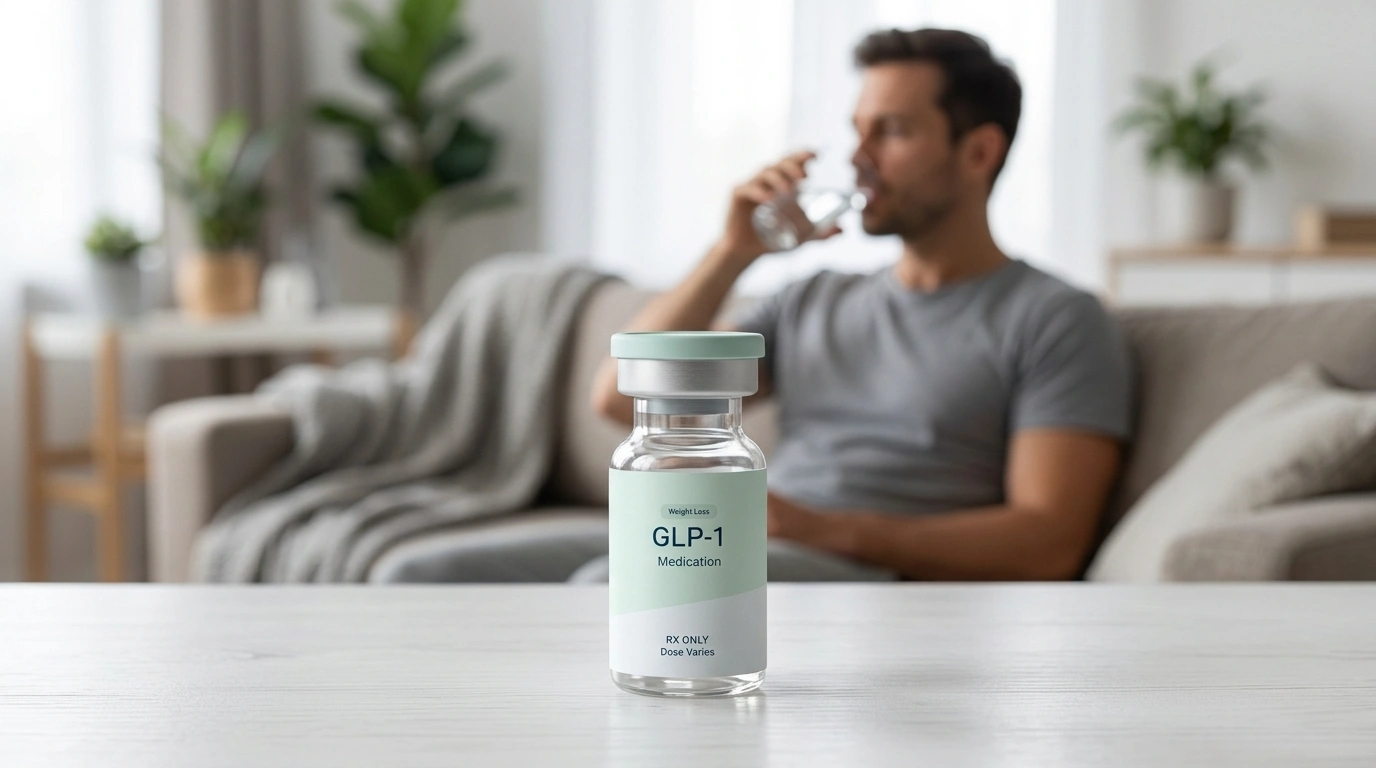
Semaglutide is a GLP-1 (glucagon-like peptide-1) receptor agonist. This type of medication mimics a natural hormone in your body that helps regulate appetite and slows down how quickly your stomach empties. Because it is a protein-based medication, the delivery system is precision-engineered to protect the liquid and ensure it enters the subcutaneous tissue—the fat layer just under the skin—at the correct depth.
Visual Indicators: The Movement of the Yellow Bar
The most reliable way to confirm your pen is empty is by looking at the inspection window. This clear area on the side of the pen allows you to see the medication before the injection and the internal components after.
The Initial Appearance
Before you use the pen, the inspection window should show a clear, colorless liquid. It should look like water. If the liquid is cloudy, colored, or contains large particles, do not use the pen and consult a healthcare professional. You might see a small air bubble, which is normal and does not affect the dose or your safety. At this stage, the yellow plunger is retracted and out of sight.
The Transformation During Injection
As you press the pen firmly against your skin, the internal plunger moves forward to push the medication through the needle. This plunger is capped with a bright yellow bar. As the injection progresses, you will see this yellow bar slide across the window.
The Final Visual State
The pen is empty when the yellow bar has stopped moving. In most cases, the yellow bar will fill the window, indicating the plunger has reached its destination. It is important to note that the yellow bar might not always fill the entire window perfectly from every angle, but it should be clearly visible and stationary. If you can still see any clear liquid or if the window is mostly empty of the yellow indicator, the injection is not yet complete.
Key Takeaway: Always wait until the yellow bar stays still and fills the window before lifting the pen from your skin. This visual confirmation is your best proof of full dose delivery.
For a broader explanation of the device’s visual cues, see what the Wegovy pen looks like after injection.
Auditory Cues: Listening for the Two Clicks
While your eyes watch the yellow bar, your ears should listen for two distinct sounds. The manufacturer designed the autoinjector to provide auditory feedback so you do not have to rely on sight alone.
- The First Click: This happens almost immediately after you press the pen firmly against your chosen injection site, such as the thigh, abdomen, or upper arm. This click signals that the needle has been deployed and the medication has started to flow.
- The Second Click: This occurs a few seconds later. It indicates that the spring mechanism has finished pushing the plunger.
It is a common mistake to pull the pen away as soon as the second click is heard. However, clinical guidance suggests holding the pen in place for several extra seconds after the second click while you verify the yellow bar has stopped. This ensures that the pressure has fully equalized and all the semaglutide has entered the body.
The 10-Second Rule for Full Absorption
Even after the second click and the appearance of the yellow bar, we recommend a “wait-and-verify” approach. Once the second click sounds, count slowly to ten before lifting the pen.
Why is this wait necessary? The medication is being pushed into the fat layer under your skin. Because this tissue has its own internal pressure, it can take a moment for the liquid to fully disperse. If you pull the pen away too quickly, some of the medication might leak back out of the tiny entry point. By holding the pen for ten seconds, you allow the pressure to equalize, ensuring that the full therapeutic dose stays where it belongs.
For more help with positioning, pressure, and timing, read these Wegovy pen troubleshooting tips.
Identifying a “Wet Injection” vs. Normal Drops
It is very common to see a tiny, bead-like drop of liquid on the tip of the needle or on your skin after you remove the pen. This often leads people to worry that the pen is not truly empty.
When a Small Drop is Normal
A minuscule drop at the injection site is generally not a sign of failure. The device is calibrated to deliver the full dose even if a tiny amount remains on the surface. If the yellow bar is full and you heard both clicks, you likely received your complete dose.
Identifying a “Wet Injection”
A “wet injection” occurs when a significant amount of liquid—more than a tiny drop—remains on the skin or runs down your leg or arm. This usually happens if:
- The pen was not held firmly enough against the skin.
- The pen was held at a shallow angle rather than a 90-degree angle.
- The pen was removed before the second click or before the 10-second count.
If this happens, do not inject another dose immediately. Taking a second full dose could lead to significant side effects. Instead, contact a healthcare provider to discuss how to handle your schedule for the week.
Troubleshooting a Pen That Won’t Empty
Sometimes the pen may seem stuck, or the yellow bar may not appear at all. Mechanical failures are rare, but they can occur.
Common reasons for a pen not emptying include:
- The Gray Cap: If the gray cap is not removed, the needle cannot deploy, and the mechanism will not trigger.
- Insufficient Pressure: The autoinjector requires a firm, steady push. If you let up on the pressure midway through, the injection might stop.
- Temperature Issues: If a pen has been frozen, the liquid or the internal spring may be damaged. Never use a pen that has been frozen.
If the yellow bar does not move or the pen does not click, do not attempt to take the pen apart or “fix” it. Keep the pen and contact the manufacturer or your pharmacy for a replacement.
For additional guidance, read what to do if a Wegovy pen malfunctions.
Branded Autoinjectors vs. Compounded Options
It is important to understand that the “yellow bar” visual applies specifically to the branded Wegovy® autoinjector used in the United States. Other medications or delivery systems look very different when empty.
Multi-Dose Systems
In some regions outside the US, Wegovy® is provided in a FlexTouch® pen. This is a multi-dose system where you dial a dose and attach a new needle each time. This pen is empty when the dose counter returns to “0” and the dial will no longer turn to your prescribed dose. Ozempic® (another branded semaglutide) also uses this multi-dose system.
Compounded Medications
At TrimRx, our platform connects patients with licensed providers who may prescribe compounded semaglutide or compounded tirzepatide. These medications are not FDA-approved, but they are prepared and shipped by FDA-registered, inspected compounding pharmacies.
Unlike the branded autoinjector, compounded medications typically come in a glass vial. To use these, you draw the medication into a small syringe manually. The benefits of a vial and syringe system include:
- Visual Transparency: You can see exactly how much liquid is in the vial and the syringe.
- Manual Control: There is no “black box” mechanism; you control the speed of the injection.
- Customization: It allows for precise dosing adjustments under the guidance of a provider.
Bottom line: While branded autoinjectors rely on a yellow bar and clicks, vial-based systems allow you to visually confirm the dose is gone by looking at the syringe and the empty vial.
If you are considering whether a supervised prescription program is appropriate for you, complete a free eligibility assessment.
Step-by-Step: Ensuring a Successful Injection
To ensure your pen empties correctly every time, following a consistent preparation routine is key.
- Step 1: Inspect the Pen. Check the expiration date and ensure the liquid is clear and colorless.
- Step 2: Choose and Clean Your Site. Select the thigh, abdomen (two inches from the navel), or upper arm. Clean the area with alcohol and let it dry.
- Step 3: Firm Placement. Remove the gray cap. Press the pen firmly against your skin at a 90-degree angle.
- Step 4: Listen and Watch. Listen for the first click, the second click, and watch the yellow bar move until it fills the window.
- Step 5: The Count. After the second click and the yellow bar is still, count slowly to ten before lifting the pen.
Safe Disposal of Your Empty Pen
Once you have confirmed your pen is empty, it must be disposed of properly. Because these devices contain a needle, they are considered biohazardous sharps.
Proper Disposal Steps:
- Do Not Use Household Trash: Never throw empty pens into your regular kitchen or bathroom trash can.
- Use a Sharps Container: Place the empty pen immediately into an FDA-cleared sharps disposal container. These are heavy-duty plastic bins designed to prevent needles from poking through.
- Alternative Containers: If you do not have a sharps container, you can use a thick plastic container with a tight-fitting, puncture-resistant lid, such as an empty laundry detergent bottle. Clearly label it “Biohazard” or “Sharps.”
- Follow Local Guidelines: Check your local community guidelines for how to dispose of full sharps containers. Some areas have drop-off sites, while others allow for specific mail-back programs.
Managing Your Supply and Storage
A pen that has been stored incorrectly is more likely to malfunction or fail to empty. GLP-1 medications are sensitive to light and temperature.
Refrigeration is the gold standard. Store unused pens in the refrigerator between 36°F and 46°F. Keep them in their original carton to protect them from light. However, never store pens in the freezer or near the cooling element. If a pen freezes, the medication loses its potency and the mechanical parts can break.
If you are traveling, a Wegovy® pen can be kept at room temperature, up to 86°F, for up to 28 days. If it is not used within that window, it should be discarded even if it is full. Always check the appearance of the liquid before use; if it is no longer clear, do not use it.
For more information about protecting your medication, review this semaglutide storage and handling guide.
Supporting Your Journey with TrimRx
Navigating the technical side of weight loss medications can feel overwhelming at first. Whether it is wondering if a pen is empty or managing side effects like nausea or fatigue, you should not have to do it alone.
Our mission is to bridge the gap between advanced science and your daily life. We provide a telehealth-first platform that connects you with licensed providers who understand the nuances of GLP-1 therapy. Our programs are fully personalized, meaning we look at your health profile, goals, and medical history to find the right path for you.
When you join a program through our platform, you gain access to a dedicated team available to guide you. If you ever have a question about your injection technique or what a pen looks like when it is finished, our specialists are there to support you. We also offer access to supplements like GLP-1 Daily Support or Weight Loss Boost, which are designed to support the body’s natural pathways during your journey.
Why Personalization Matters
No two bodies react to medication in exactly the same way. Some people find that the standard autoinjector pens are perfect for their lifestyle, while others prefer the precision and flexibility of compounded options. By offering a variety of pathways, we ensure that your treatment fits you, not the other way around.
If you are ready to see if a GLP-1 program is right for you, the best first step is to take our free assessment quiz. This helps our partner providers determine your eligibility and create a plan tailored to your metabolic needs.
Conclusion
Understanding what your Wegovy® pen looks like when empty is a vital part of your treatment. By looking for the stationary yellow bar and listening for the two clicks, you can feel confident that you are receiving the support your body needs. Remember that a tiny drop of liquid is normal, but a “wet injection” may require professional advice. Proper storage and disposal are the final steps in a safe and effective weekly routine.
Sustainable weight loss is a journey that involves learning new tools and listening to your body. We are here to support every step of this process. Our approach combines clinical expertise with deep empathy, ensuring you have the tools, the medication, and the team needed for long-term success.
Key Takeaway: Visual and auditory confirmation are your tools for success. If the yellow bar is visible and you have heard both clicks, your pen has successfully delivered your dose.
FAQ
What if I only hear one click instead of two?
If you only hear one click, check the inspection window immediately. If the yellow bar has not moved or is only partially visible, the pen may have malfunctioned or you may have released the pressure too early. In this case, do not inject another dose; instead, contact your healthcare provider for guidance on how to handle a partial dose. You can also review these Wegovy injection troubleshooting steps.
Can I reuse a Wegovy pen if there is liquid left in it?
No, the Wegovy® pen is designed for single-use only. The internal spring mechanism locks after the first use, and the needle cannot be safely cleaned or reused. Attempting to reuse or tamper with a single-dose pen can cause injury, infection, or inaccurate dosing.
Is it okay if the liquid in my pen has a small air bubble?
Yes, a small air bubble in the inspection window is completely normal and safe. It does not affect the safety or the dose of the medication. You do not need to “prime” or remove the bubble from a branded Wegovy® autoinjector before use; simply proceed with the injection.
What should I do if the yellow bar is stuck halfway?
If the yellow bar stops moving before it fills the window, the injection is incomplete. This can happen if the pen was pulled away from the skin too soon or if the device encountered a mechanical fault. Mark down that you may have received a partial dose and contact your clinical team before taking any further doses to ensure your treatment stays on track.
Disclaimer: This content is for informational purposes only and does not constitute medical advice. It is not intended to diagnose, treat, cure, or prevent any disease or condition. Individual results may vary. Always consult a qualified healthcare professional before starting any weight loss program or medication.

Transforming Lives, One Step at a Time
Keep reading
Can You Use a Heating Pad for Stomach Cramps on Wegovy?
When your belly is crampy from gas, constipation, or a slow-moving stomach, a warm heating pad can feel like the most comforting thing in…
Can You Take Tylenol on Wegovy?
A headache the day after your shot, sore muscles from a new workout, or a toothache that will not quit: at some point, most…
Is It Normal to Feel Hungover After a Wegovy Shot?
A dull headache, a queasy stomach, a foggy head, and a strong urge to stay on the couch: it sounds like the morning after…


