Why Did My Wegovy Shot Hurt: Tips for Pain-Free Injections
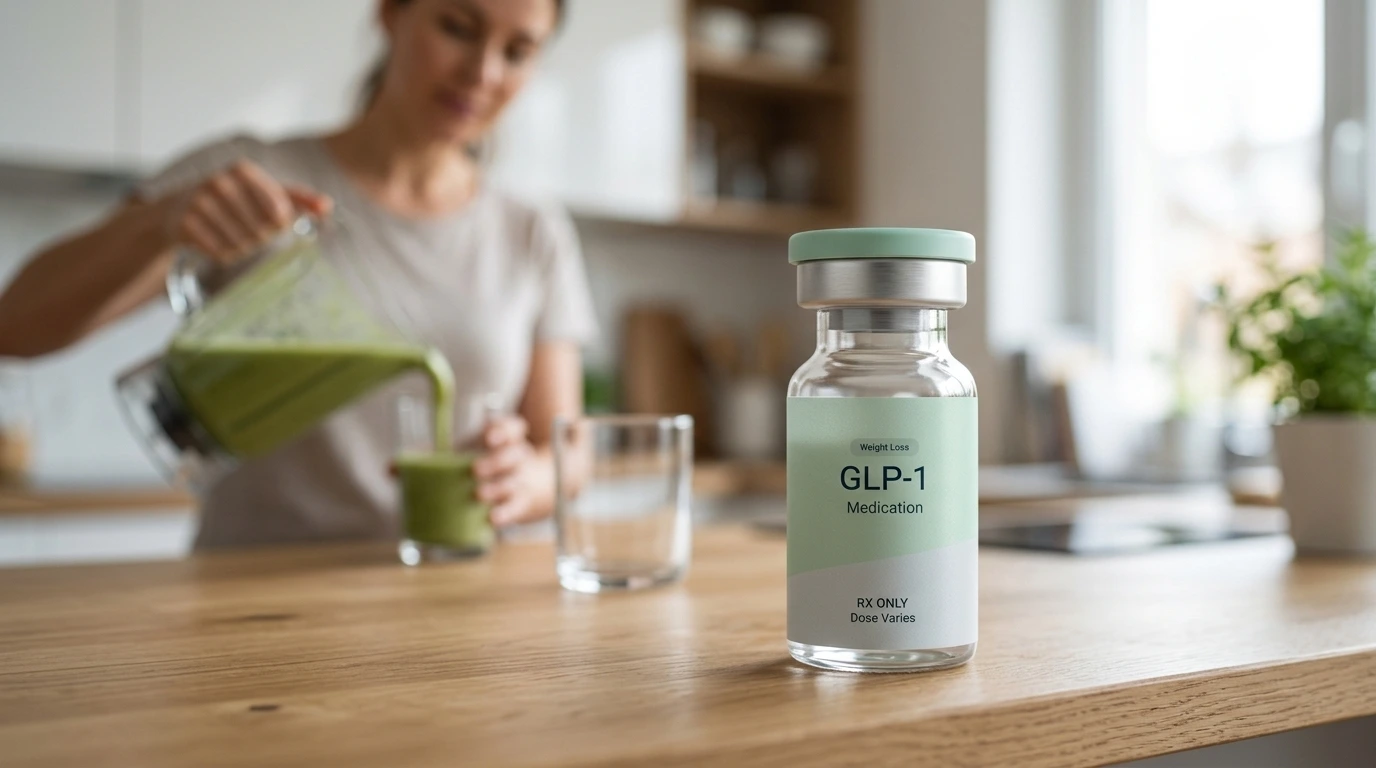
Introduction
You have settled into your weekly routine, the Sunday night ritual of administering your weight loss medication has become second nature, and then it happens—a sharp sting or a lingering ache that catches you off guard. If you have found yourself asking, “Why did my Wegovy shot hurt this time?” you are certainly not alone. While most people report that these injections are relatively painless, occasional discomfort can occur due to factors ranging from medication temperature to simple muscle tension. We understand that these small moments of discomfort can create unnecessary anxiety during your wellness journey. At TrimRx, we believe that understanding the “why” behind the pinch is the first step toward reclaiming a stress-free injection routine. This post covers the physiological reasons for variable pain, actionable strategies for a more comfortable experience, and how to identify when a reaction requires professional guidance.
If you are considering a prescription GLP-1 program, you can complete a free eligibility assessment to explore whether a personalized program may be appropriate for you.
Quick Answer: A Wegovy shot often hurts because the medication is too cold, the alcohol from the prep swab is still wet, or the needle accidentally hit a sensitive “hot spot” of nerves. Most of this discomfort is manageable with simple technique adjustments like letting the pen reach room temperature and relaxing the target muscle.
The Science of the Subcutaneous Injection
To understand why an injection might hurt on one occasion but not another, it is helpful to look at where the medication is actually going. Wegovy® (semaglutide) is a GLP-1 receptor agonist—a type of medication that mimics the glucagon-like peptide-1 hormone to help regulate appetite and blood sugar. This medication is administered via a subcutaneous injection, which means it is delivered into the layer of fat situated just beneath the skin but above the muscle.
For a broader explanation of how semaglutide injections work, review this guide to semaglutide injections.
The subcutaneous layer contains fewer pain-sensing nerves compared to the skin’s surface or the underlying muscle tissue. This is why a weight loss injection typically hurts much less than a standard “flu shot,” which is an intramuscular injection. However, the skin itself is densely packed with sensory receptors called nociceptors. When the needle passes through these receptors, the brain receives a signal that can range from a minor pressure sensation to a sharp “bee sting” feeling.
The active ingredient, semaglutide, is a protein-based peptide. Because your stomach acid would break down these proteins before they could be absorbed, the medication must be injected to ensure it enters the bloodstream slowly and steadily. While the needles used in modern auto-injector pens are incredibly fine—often compared to the thickness of a human hair—certain variables can change how those nerves react to the needle and the fluid entering the tissue.
Why the Pain Can Vary Each Week
If your previous injections were painless but the most recent one caused a sharp sting, you are likely dealing with a variable in your preparation or the specific spot you chose. The medication itself does not change from week to week, but the environment it enters and the way it is handled can.
The Temperature of the Medication
The most common culprit for a “burning” or “stinging” sensation during a GLP-1 injection is the temperature of the liquid. These medications are typically stored in the refrigerator to maintain the stability of the peptide. When cold liquid is introduced into the warm environment of the human body, it causes a minor thermal shock to the local tissues. Cold fluid is also slightly more viscous, or thicker, than room-temperature fluid, which can increase the feeling of pressure as the dose is dispensed.
For additional perspective on preparation and technique, read this Wegovy injection discomfort guide.
Alcohol Swab Irritation
Proper hygiene involves cleaning the injection site with an alcohol swab to prevent infection. However, if you do not allow the alcohol to dry completely before clicking the pen, the needle can “drag” a small amount of liquid alcohol into the subcutaneous tissue. Alcohol is a known irritant to internal tissues, and even a microscopic amount can cause a sharp, immediate burning sensation. This discomfort usually lingers for several minutes before fading.
Hitting a Nerve “Hot Spot”
The human body is not a perfectly uniform map of nerves. Some areas of the skin, even within the same general region like the abdomen, have a higher density of sensory receptors or are closer to small surface capillaries. If you happen to hit one of these “hot spots,” the injection will feel more pronounced than a shot placed just an inch away.
Muscle Tension and Anxiety
The psychological state of the person administering the shot plays a massive role in pain perception. If you are stressed, rushed, or anticipating pain, your body naturally tenses its muscles. When you inject into a tensed area, the needle encounters more resistance, and the tissue is less “forgiving” as the fluid enters. This tension can also lead to minor bruising or a dull ache after the injection is finished.
Key Takeaway: Variable injection pain is rarely a sign of a medication problem; it is almost always linked to external factors like liquid temperature, skin preparation, or muscle tension.
Choosing and Rotating Injection Sites
The location you choose for your weekly dose significantly impacts the level of discomfort you might feel. There are three primary areas recommended for subcutaneous weight loss injections: the abdomen, the front of the thighs, and the back of the upper arms.
For more information about choosing and rotating locations, review this semaglutide injection site guide.
The Abdomen
The stomach is the most common choice because it typically has a generous layer of subcutaneous fat. Most people find that injecting at least two inches away from the belly button provides a relatively painless experience. However, the skin on the abdomen can be more sensitive for some individuals, especially if they have recently lost a significant amount of weight and have thinner skin.
The Thigh
The front or outer part of the thigh is often a preferred spot for those who find the abdomen too sensitive. The skin on the thigh is generally tougher and less sensitive to the initial prick of the needle. However, because the thigh is a major muscle group, it is critical to ensure you are sitting down and that your leg is fully relaxed. If you flex your quad muscle during the injection, it will likely hurt.
The Upper Arm
This site is often used by individuals who have a partner or caregiver to assist them. It can be difficult to self-administer in the back of the arm while maintaining the steady 90-degree angle required for the pen. This area is generally effective but may be more prone to bruising if the technique is not perfect.
The Importance of Site Rotation
Injecting into the exact same spot every week can lead to a condition called lipohypertrophy. This is the development of hardened lumps of fat or scar tissue under the skin. Not only can these lumps interfere with the absorption of the medication, but they also become increasingly sensitive over time.
Bottom line: To maintain comfort and ensure proper absorption, you should never use the exact same square inch of skin twice in a row. Use a “clock” rotation on your abdomen or switch legs each week to give the tissue time to recover.
The Role of the Pen Mechanism
The Wegovy® pen is an auto-injector, meaning the needle is hidden and the delivery is spring-loaded. While this design is excellent for those with a fear of needles, the mechanical action itself can contribute to discomfort if not handled correctly.
When you press the pen against your skin, it triggers a spring that sends the needle into the tissue. The “click” sound and the sudden sensation of the pen firing can cause a startle response. If you flinch or pull the pen away slightly when you hear the click, the needle may move horizontally through the tissue or pull against the skin. This “needle wiggle” is a frequent cause of sharp pain and post-injection bruising.
If you are unsure whether your dose was delivered, this guide explains what to do if you did not feel your Wegovy injection.
It is also important to consider the pressure you are applying. You must press firmly enough to trigger the device, but pushing the pen too hard into the skin can cause localized bruising or trauma to the dermis. A steady, firm hand at a 90-degree angle is the most effective way to ensure a smooth delivery.
Normal vs. Abnormal Post-Injection Sensations
It is natural to feel concerned if your injection site looks or feels different than usual. Most reactions are localized and temporary, but it is important to know the difference between a common side effect and a potential complication.
Expected Reactions
- Minor Redness: A small red circle or “flush” at the site that disappears within 24 hours is very common.
- A Tiny Drop of Blood: If the needle nicks a tiny capillary on the way in, you might see a single drop of blood. This is not a cause for concern.
- A Small Lump: Sometimes the fluid sits in a small “pocket” before it is absorbed into the bloodstream. This lump should flatten out within a few hours.
- Mild Itching: A brief period of itching immediately after the shot is often just the body’s natural histamine response to the minor skin break.
When to Consult a Healthcare Provider
While rare, some reactions require professional guidance. If you are participating in a weight loss program, you should seek medical advice if you experience:
- Spreading Redness: If the red area begins to grow larger over several days or feels hot to the touch, it could indicate a localized infection.
- Severe Hives or Rash: Widespread itching or a bumpy rash far away from the injection site may suggest a systemic allergic reaction.
- Hardened Knots: If you feel permanent “marbles” under the skin that do not go away, you may have developed significant scar tissue.
- Intense, Lingering Pain: Pain that lasts for more than a day or prevents you from moving the limb normally is not typical and should be evaluated.
Note: If you experience difficulty breathing, swelling of the face or throat, or a rapid heartbeat after an injection, seek emergency medical attention immediately as these are signs of a severe allergic reaction.
7 Steps to a More Comfortable Injection
If you want to ensure your next weekly dose is as painless as possible, follow this step-by-step preparation routine.
Step 1: Temper the Medication. / Remove your pen from the refrigerator approximately 30 minutes before your injection. Allowing it to reach room temperature significantly reduces the stinging sensation of the liquid.
Step 2: Hydrate Your Skin. / Dehydrated skin can be more sensitive and less elastic. Ensuring you are well-hydrated throughout the day can actually make the needle entry smoother.
Step 3: Choose a Relaxed Environment. / Do not rush the process. Find a quiet place where you can sit comfortably and not feel pressured to “just get it over with.”
Step 4: Wait for the Alcohol to Evaporate. / After swabbing your skin, wait at least 60 seconds. The skin should be completely dry. You can gently blow on the area to speed up the process.
Step 5: Relax the Target Muscle. / If you are injecting into your thigh, make sure your foot is flat on the floor and the muscle is “soft.” If you are injecting into your abdomen, take a deep breath and exhale as you press the pen.
Step 6: Maintain a 90-Degree Angle. / Ensure the pen is perfectly perpendicular to the skin. This ensures the shortest path for the needle and prevents it from tugging on the skin’s surface.
Step 7: Commit to the Click. / Once you start the injection, stay still. Hold the pen firmly against the skin until the second click (or the indicator window stops moving) plus an extra five seconds to ensure the full dose is delivered.
Troubleshooting Common Injection Issues
Even with perfect technique, you may occasionally run into issues. Knowing how to handle them can prevent unnecessary stress.
What if I see a bruise?
Bruising usually happens if you press the pen too hard against your skin or if you happen to hit a small blood vessel. It is not dangerous, but you should avoid injecting into that bruised area until it has completely healed. Bruising can also occur if you take blood-thinning medications; in this case, consult your provider for specific advice.
What if medication leaks out?
If you see a significant amount of liquid on your skin after the injection, you may have pulled the pen away too early. Do not take a second dose. Wait until your next scheduled day and focus on holding the pen firmly for a full 10 seconds next time to ensure the needle has finished its delivery.
What if I didn’t feel anything?
It is very common for people to worry that they “missed” because they felt absolutely no pain. If the yellow bar in the pen window has moved to the end, the medication was delivered. A painless shot is often a sign of perfect technique and hitting a spot with low nerve density.
The Personalized Approach to Metabolic Health
Every individual’s body responds differently to GLP-1 medications, and that includes how they feel during administration. At TrimRx, we believe that weight loss is not a “one size fits all” process. This is why we focus on personalized programs that prioritize the individual’s comfort and clinical needs.
Our mission is to help individuals embrace healthier lifestyles through science, empathy, and a transparent, personalized approach to sustainable weight loss. We provide access to Compounded Semaglutide and Compounded Tirzepatide, which are prepared and shipped by FDA-registered, inspected compounding pharmacies. These medications are not FDA-approved, but they offer a way to access the same active ingredients found in branded medications like Wegovy® or Zepbound® when those products are in short supply or otherwise inaccessible.
Beyond the medication itself, we prioritize comprehensive support. Whether you are using a branded pen or a compounded version with a traditional syringe, our platform connects you with licensed providers who can tailor your program based on your health profile. This ensures you have the guidance needed to manage side effects and injection concerns effectively.
For those looking to optimize their results and manage common side effects, we also offer quick-access supplements like GLP-1 Daily Support and Weight Loss Boost supplement. These are designed to support your body’s natural pathways and fill nutritional gaps as your appetite changes.
Conclusion
Understanding why your Wegovy shot might hurt is the first step in taking control of your treatment. Most discomfort is preventable through simple changes like warming the medication to room temperature, allowing alcohol to dry, and rotating injection sites regularly. While the “pinch” might be a minor hurdle, the long-term benefits of improved metabolic health and sustainable weight loss are well worth the effort.
By refining your technique and using the support available through a personalized program, you can make your weekly dose a simple, painless part of your routine. We are here to ensure you feel confident, informed, and equipped to achieve your health goals.
- Next Step: If you are ready to see if a personalized prescription program is right for you, your next step is to complete our free online assessment quiz.
FAQ
Why does my injection site itch for a day after my shot?
Mild itching is a common localized immune response where the body releases histamine in response to the minor tissue trauma or the medication itself. As long as the itching is confined to the injection site and does not involve a spreading rash or hives, it is usually harmless and can be managed with a cold compress.
Can I inject into my stomach if I have stretch marks?
It is generally recommended to avoid injecting directly into stretch marks, scars, or bruised skin. These areas often have different tissue density and reduced blood flow, which can make the injection more painful and may affect how consistently the medication is absorbed by your body.
Is it normal to feel a “burning” sensation while the medication is going in?
A brief burning sensation is usually caused by the medication being too cold or the alcohol from your prep swab not being fully dry. While uncomfortable, it is a common experience and does not indicate a problem with the dose; letting the pen sit at room temperature for 30 minutes before use is the best way to prevent this.
What should I do if a small lump forms at the injection site?
A small, painless bump is often just the liquid medication sitting under the skin before it is fully absorbed into the bloodstream. This is common and usually resolves on its own within a few hours. If the lump is accompanied by heat, severe pain, or redness that spreads, contact your healthcare provider.
If you are also managing appetite changes or fatigue during treatment, Weight Loss Boost supplement may provide additional energy support during weight loss.
Disclaimer: This content is for informational purposes only and does not constitute medical advice. It is not intended to diagnose, treat, cure, or prevent any disease or condition. Individual results may vary. Always consult a qualified healthcare professional before starting any weight loss program or medication.

Transforming Lives, One Step at a Time
Keep reading
Can You Use a Heating Pad for Stomach Cramps on Wegovy?
When your belly is crampy from gas, constipation, or a slow-moving stomach, a warm heating pad can feel like the most comforting thing in…
Can You Take Tylenol on Wegovy?
A headache the day after your shot, sore muscles from a new workout, or a toothache that will not quit: at some point, most…
Is It Normal to Feel Hungover After a Wegovy Shot?
A dull headache, a queasy stomach, a foggy head, and a strong urge to stay on the couch: it sounds like the morning after…


