Why Does My Wegovy Injection Site Hurt? Solutions and Tips
Introduction
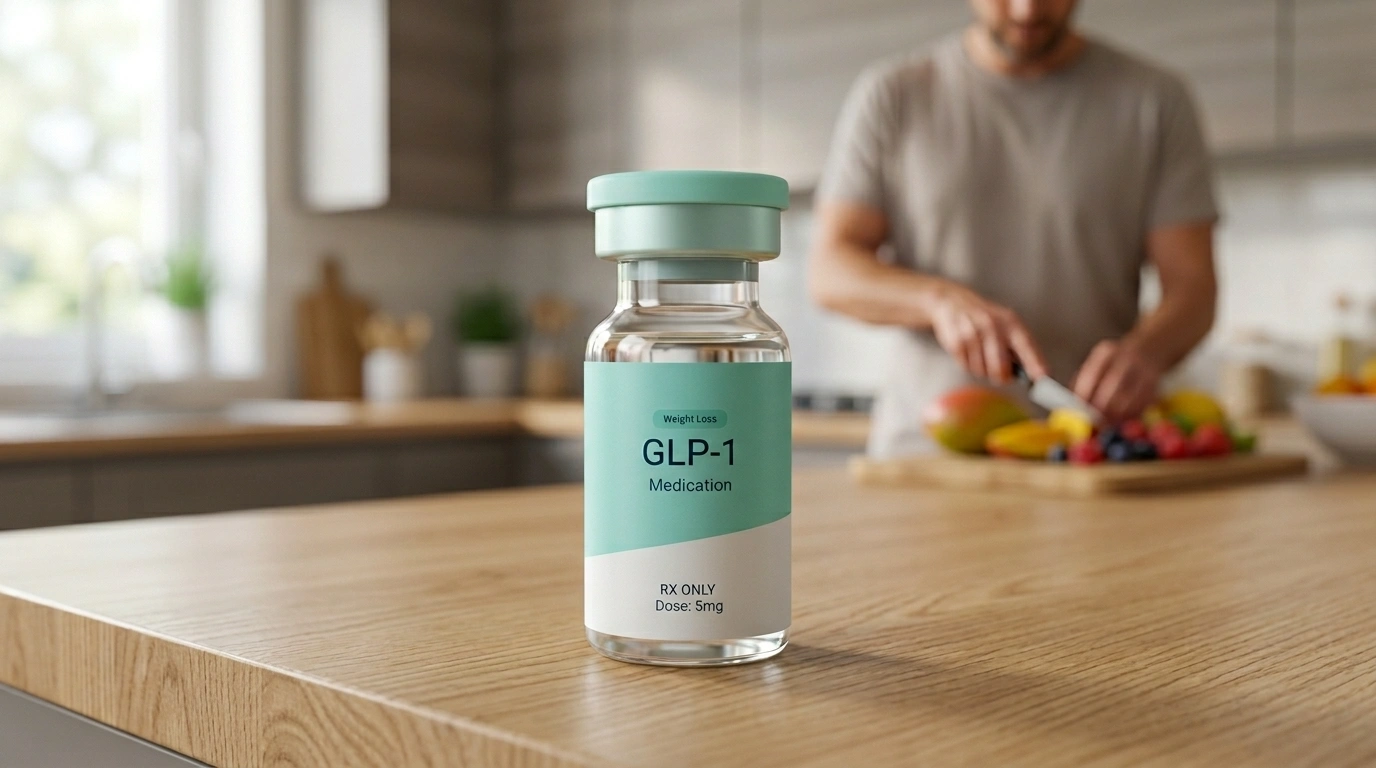
Starting a weight loss journey with a GLP-1 (glucagon-like peptide-1) medication is a significant step toward better health, but it often comes with a learning curve. That sharp pinch or lingering ache at the injection site can be a source of anxiety, especially if you are new to self-administering medication. Whether it is a mild stinging sensation or a small, tender lump, feeling discomfort is a common concern for many people using Wegovy® (semaglutide). At TrimRx, we believe that understanding the “why” behind these physical sensations is the first step in regaining confidence and ensuring your treatment remains a positive experience.
In this article, we will break down the common reasons for injection site pain, from technical errors to normal biological responses. We will cover how to identify what is normal, how to improve your technique, and when it is time to speak with a healthcare provider. Our goal is to provide you with the tools to make your weekly routine as comfortable as possible. If you are considering whether a prescription weight loss program may be right for you, you can complete a free eligibility assessment.
Understanding the Subcutaneous Injection
Before addressing the pain itself, it is helpful to understand how these medications are delivered. Wegovy® is a subcutaneous injection, which means the needle is designed to reach the layer of fat just beneath your skin but above the muscle. This fatty tissue has fewer pain-sensing nerves than muscle tissue, which is why most people find the process relatively easy once they get the hang of it. For a more detailed overview, review this guide to semaglutide injections.
The medication—semaglutide, a GLP-1 receptor agonist—is designed to be absorbed slowly from this fat “depot” into your bloodstream over the course of a week. This slow release is what helps regulate your appetite and blood sugar levels consistently. However, because the tissue in this area is sensitive to pressure and chemical changes, certain factors can trigger a pain response.
Quick Answer: Most Wegovy® injection site pain is caused by injecting cold medication, not allowing alcohol prep to dry, or hitting a small blood vessel. While a mild sting or small lump is usually normal, rotating your injection sites every week is the best way to prevent long-term soreness.
Common Reasons for Immediate Injection Pain
If you feel a sharp sting the moment you press the pen against your skin, it is likely due to one of several environmental or technical factors. A broader Wegovy injection discomfort guide covers additional reasons injections may hurt.
The Temperature of the Medication
Most GLP-1 medications, including Wegovy® and Ozempic®, are stored in the refrigerator to maintain their stability. However, injecting liquid that is very cold can cause a noticeable “thermal shock” to the local tissue. This often manifests as a sharp, stinging sensation that lasts for several minutes after the injection is complete.
Residual Alcohol on the Skin
One of the most common mistakes is failing to wait after cleaning the skin with an alcohol swab. If the skin is still wet when the needle enters, the alcohol can be “tracked” into the subcutaneous tissue by the needle. This causes a localized chemical burn that stings intensely. Always wait at least 30 to 60 seconds for the alcohol to air-dry completely before proceeding.
Hitting a Small Blood Vessel or Nerve
Even with a very fine needle, there is always a small chance of hitting a tiny capillary or a superficial nerve ending. If you hit a capillary, you might notice a small drop of blood or a minor bruise (hematoma) at the site. If you hit a nerve, you may feel a more intense “zap” or sharp pain. While these occurrences are harmless, they can make the site feel tender for a few days.
Why Pain or Soreness Might Linger
Sometimes the pain does not happen during the shot but develops hours or even a day later. This lingering discomfort is often related to how the body reacts to the medication itself or the repeated use of the same area. You can also review this guide to semaglutide injection sites for more information about choosing and rotating injection locations.
The “Depot” Effect and Local Inflammation
When you inject a liquid into the subcutaneous space, you are essentially creating a small pocket of fluid. This can cause the surrounding tissue to stretch slightly, leading to a feeling of pressure or a dull ache. Furthermore, your immune system may recognize the foreign substance and send white blood cells to the area, resulting in mild redness, warmth, or a small, firm lump. This is a normal part of the body’s inflammatory response and usually subsides within 48 hours.
Site Overuse and Lipohypertrophy
If you inject into the exact same spot every week, the fatty tissue can become traumatized. Over time, this can lead to a condition called lipohypertrophy, where the fat cells thicken and harden, forming rubbery nodules under the skin. Not only can these areas be more painful to inject into, but they can also prevent the medication from being absorbed correctly.
Key Takeaway: Proper technique and patience are your best defenses against injection pain. By letting the medication reach room temperature and ensuring the skin is dry, you can eliminate the two most common causes of stinging.
Choosing and Rotating Your Injection Site
The location of your injection plays a major role in your comfort level. The manufacturer of Wegovy® recommends three primary areas: the abdomen, the front of the thigh, or the back of the upper arm (if administered by someone else). This semaglutide injection site guide provides another look at the main areas and basic techniques.
The Abdomen
The stomach is often the preferred site because it typically has a consistent layer of subcutaneous fat. However, you must stay at least two inches away from the belly button. The tissue around the navel is more fibrous and sensitive, which can increase pain and reduce medication absorption.
The Thigh
The front of the thigh is a great alternative for those who find the abdomen too sensitive. It is easy to reach and see, allowing for better control over the pen’s pressure. Many people find that sitting down and relaxing the leg muscle makes the fatty layer easier to “pinch,” leading to a more comfortable experience.
The Importance of Rotation
We recommend a “clock” method for rotation. If you choose the abdomen, imagine a clock face around your belly button. This week, inject at the 12 o’clock position. Next week, move to 3 o’clock, and so on. This gives each area of skin and fat plenty of time to heal before it is used again.
Normal Reactions vs. Red Flags
It is important to distinguish between a common side effect and a reaction that requires medical attention. Most people using GLP-1 medications will experience some level of localized skin reaction at least once. For more practical injection guidance, see this step-by-step semaglutide injection guide.
What is Normal:
- A small, painless lump that disappears within a few days.
- Mild redness or itching that lasts for 24 to 48 hours.
- A tiny bruise or a single drop of blood at the site.
- A slight “burning” sensation during the actual injection.
When to Contact Your Healthcare Provider:
- Tracking Redness: If the redness starts to spread away from the site in lines or streaks.
- Signs of Infection: If the site becomes increasingly painful, feels very hot to the touch, or begins to drain pus.
- Systemic Allergic Reaction: If you experience hives, swelling of the face or tongue, or difficulty breathing (this requires immediate emergency care).
- Severe Dysesthesia: A rare side effect where the skin becomes intensely sensitive to touch or feels a persistent burning sensation (burning skin sensation).
Optimizing Your Injection Routine
At TrimRx, our goal is to help you feel supported throughout your entire journey. We know that the physical act of injecting can be daunting, but a few small changes to your routine can make a world of difference.
Step 1: Prepare the Medication
Take your pen out of the refrigerator about 30 minutes before you plan to use it. This allows the liquid to reach room temperature, which significantly reduces the “sting” factor. Do not use external heat sources like a microwave or hot water; simply let it sit on a clean counter.
Step 2: Select and Clean the Site
Choose a site you haven’t used recently. Clean it thoroughly with an alcohol swab. While the site is drying, take a few deep breaths to relax your muscles. Tension in the body can make the skin feel more sensitive.
Step 3: The “Pinch” Technique
While the Wegovy® pen is designed to be pressed flat against the skin, some individuals find that lightly pinching an inch of fat between their thumb and forefinger helps create a firmer target and ensures the needle stays in the fat layer.
Step 4: Steady Pressure
Hold the pen at a 90-degree angle to the skin. Press down firmly and hold it until the yellow bar in the window stops moving. Do not pull the pen away too early, as this can cause the medication to leak onto the skin, which may cause irritation.
Step 5: Aftercare
If the site feels tender, you can apply a cold compress (wrapped in a cloth) to the area for a few minutes. Avoid rubbing or massaging the site, as this can increase inflammation and potentially alter the absorption rate of the medication.
The Role of Personalized Support
Every body reacts differently to GLP-1 therapy. What works for one person might be uncomfortable for another. This is why a personalized approach to weight loss is so essential. Our program focuses on more than just the medication; we focus on the person behind the prescription.
When you participate in a program through us, you have access to a team that understands these nuances. If you find that the injections are consistently painful despite following best practices, our affiliated providers can help you troubleshoot your technique or discuss alternative options, such as oral formats of semaglutide or tirzepatide, if appropriate for your clinical profile. If you want to explore whether prescription treatment may be appropriate for you, take the free assessment quiz.
Note: If you are experiencing persistent pain or are worried about your injection technique, always consult with a licensed healthcare professional. They can provide a personalized assessment to ensure you are administering the medication safely and effectively.
Managing Other Side Effects
While injection site pain is localized, many people also navigate systemic side effects like nausea or fatigue. These are often most prominent when you first start the medication or when your dosage increases. Supporting your body during this time is critical for long-term success.
Our GLP-1 Daily Support supplement is designed to complement your program by providing essential nutrients that may help your body adapt to the metabolic changes. Additionally, our Weight Loss Boost can provide a natural energy lift if you find yourself feeling sluggish during the titration process. You can explore energy support during weight loss as part of your broader wellness routine. By addressing both the local sensations at the injection site and your overall well-being, you create a more sustainable path toward your goals.
The TrimRx Mission: Your Partner in Change
We believe that medical weight loss should be transparent, accessible, and deeply empathetic. The frustrations of a stinging injection or a bruised thigh are real, and they shouldn’t be a barrier to your health. TrimRx is here to bridge the gap between clinical science and your daily reality, providing a telehealth-first experience that removes the stress of waiting rooms and impersonal care.
Our mission is to help you embrace a healthier lifestyle through a program that is built around your specific health history and goals. By merging expert medical oversight with a supportive, science-backed platform, we ensure that every step of your journey—from the very first injection to your ultimate maintenance phase—is handled with the care you deserve.
Conclusion
Injection site pain is a common but largely manageable part of using GLP-1 medications like Wegovy®. By mastering simple techniques—such as warming the medication to room temperature, allowing alcohol to dry, and rotating your sites—you can significantly reduce discomfort. Remember that your body is adapting to a powerful tool for health, and a small amount of local reaction is often just a sign that your immune system is doing its job.
If you are ready to take the next step in your weight loss journey with a team that prioritizes your comfort and success, we invite you to take our free assessment quiz. This personalized evaluation helps determine the best path forward for your unique needs, ensuring you have the right medication and the right support every step of the way.
FAQ
Is it normal to have a small lump after my injection?
Yes, it is very common to see or feel a small, firm lump immediately after a subcutaneous injection. This is often just the medication sitting in the fat layer before it is fully absorbed; it typically resolves within a few hours to a couple of days.
Which injection site is the least painful?
Pain perception varies by individual, but many people find the abdomen to be the least painful due to the higher concentration of subcutaneous fat. However, if your stomach is sensitive, the front of the thigh is a highly effective and popular alternative. You can review this guide to choosing the best semaglutide injection site for additional site-selection information.
Can I use an ice pack before my injection?
Absolutely. If you have a low pain threshold or sensitive skin, applying an ice pack (wrapped in a thin towel) to the site for a minute before cleaning with alcohol can numb the area and make the needle entry almost imperceptible.
Should I worry if I see a bruise at the injection site?
A small bruise is usually not a cause for concern and simply means the needle hit a tiny blood vessel. To minimize bruising, avoid rubbing the site after your injection and ensure you are rotating your sites so the tissue has time to heal.
Disclaimer: This content is for informational purposes only and does not constitute medical advice. It is not intended to diagnose, treat, cure, or prevent any disease or condition. Individual results may vary. Always consult a qualified healthcare professional before starting any weight loss program or medication.

Transforming Lives, One Step at a Time
Keep reading
Horseback Riding on Wegovy or Ozempic
For a lot of people, horseback riding is one of the activities weight once put out of reach. Stables and trail outfitters set rider…
Should You Suggest Wegovy to a Family Member?
When a treatment changes your life, you want the people you love to have the same chance. Maybe your sister has struggled with her…

Injecting Wegovy With Stiff or Shaky Hands
A weekly injection takes a minute for most people. If you have arthritis in your hands, a tremor, weak grip strength, or numb fingers,…


