Do You Have to Exercise While Taking Ozempic to See Results?
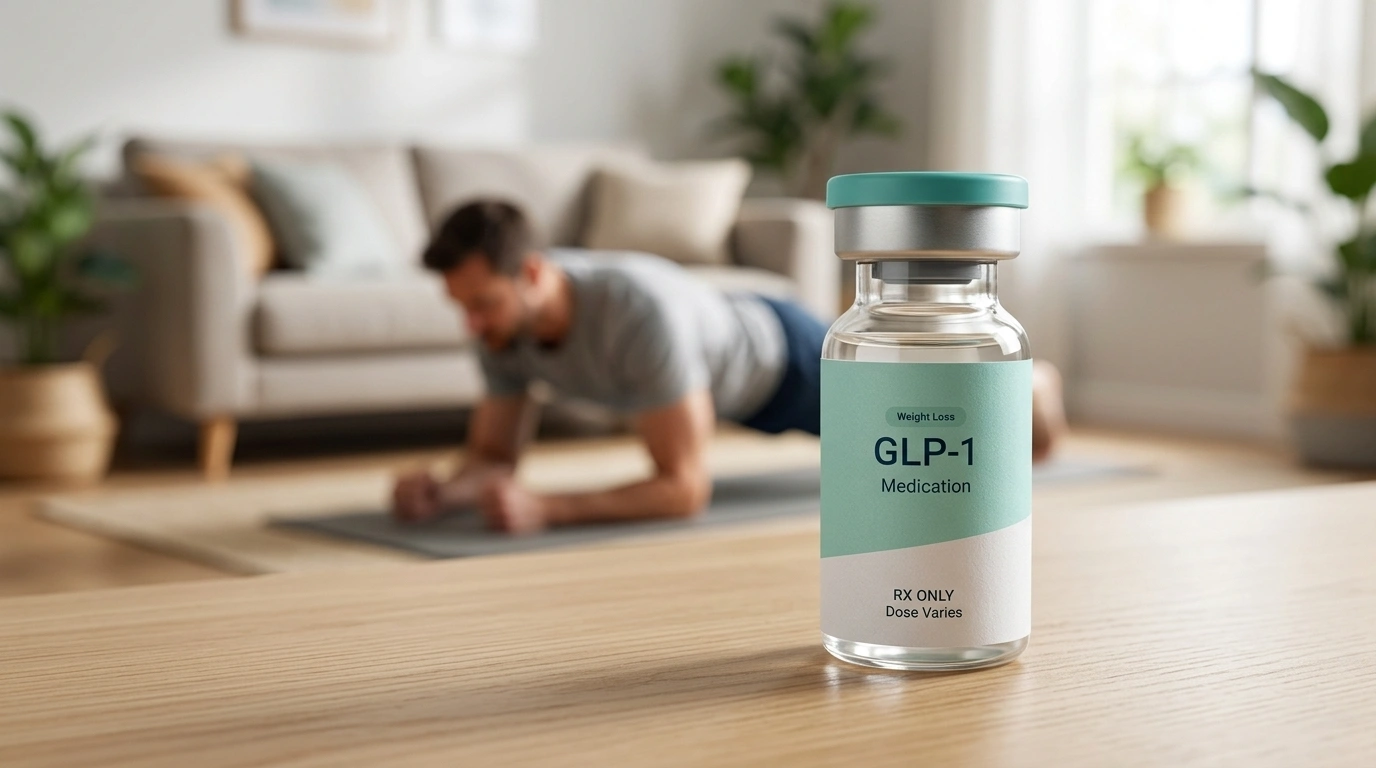
Introduction
If you have finally found a path toward weight loss through modern medication, you might be wondering if you can finally retire your gym shoes. It is a common question: if the medication is doing the heavy lifting by quietening your appetite and regulating your blood sugar, is a workout routine still necessary? The short answer is that while the medication is powerful on its own, movement is what transforms a temporary change into a lifelong transformation.
At TrimRx, we believe that medication is a tool, not a total replacement for a healthy lifestyle. If you want to see whether prescription GLP-1 treatment fits your goals, take the free assessment quiz. This article explores why physical activity is so vital when using GLP-1 medications, how it protects your metabolic health, and why it is the best way to ensure your results last. We will cover the specific benefits of different types of movement and how a personalized program can help you find a balance that feels sustainable rather than exhausting.
How GLP-1 Medications Work in the Body
To understand the role of exercise, we first need to look at what a semaglutide injection is. It belongs to a class of drugs called glucagon-like peptide-1 (GLP-1) receptor agonists. This is a synthetic version of a hormone your body naturally produces in the gut after you eat.
The medication works by targeting the areas of the brain that regulate appetite and food intake. It slows down gastric emptying, which is the process of food leaving your stomach. This helps you feel full longer. It also tells your pancreas to release insulin when your blood sugar is high, which helps your body manage energy more effectively.
Because the medication effectively “mutes” the constant signals of hunger, many people find they can naturally eat fewer calories without the intense struggle of willpower. This leads to weight loss, but weight loss alone is not always the same as “fat loss.”
The Case for Exercise While Taking GLP-1s
You do not technically have to exercise to lose weight on a GLP-1 medication. Clinical trials have shown that patients lose significant weight even with minimal changes to their activity levels. However, weight loss usually comes from two sources: fat and lean muscle mass.
When the body is in a significant calorie deficit, it does not only burn stored fat. It also breaks down muscle tissue for energy. Research suggests that a high percentage of the weight lost on GLP-1 medications can be muscle mass if the individual remains sedentary. This is why exercise is not just about burning more calories; it is about protecting the “engine” of your metabolism.
Protecting Your Muscle Mass
Muscle is metabolically active tissue. This means it burns more calories at rest than fat does. If you lose a large amount of muscle during your weight loss journey, your resting metabolic rate—the number of calories your body needs just to function—will drop.
When your metabolism slows down, it becomes much easier to regain weight once you stop the medication or reach a plateau. Engaging in regular movement, specifically resistance training, sends a signal to your body to keep its muscle and burn fat instead.
Preventing a Weight Loss Plateau
It is common to hit a plateau after several months on a GLP-1 medication. This happens when your body adapts to the lower calorie intake and the medication’s effects. Exercise is one of the most effective ways to push through these stalls. By varying your intensity and adding new types of movement, you can keep your body guessing and keep the scale moving in the right direction.
Key Takeaway: While Ozempic® can reduce your weight through appetite suppression, exercise is the primary tool for ensuring that weight loss comes from fat rather than valuable muscle tissue.
The Specific Benefits of Different Movement Types
Not all exercise serves the same purpose. When you are on a medical weight loss program, a balanced approach is usually the most effective way to support your health. If you want a broader perspective on movement choices, the best exercise for weight loss can help you think beyond one perfect routine.
Resistance and Strength Training
Resistance training includes lifting weights, using resistance bands, or doing bodyweight exercises like squats and push-ups. This is arguably the most important type of exercise for someone taking a GLP-1.
Strength training creates micro-tears in the muscle fibers. As your body repairs these tears, the muscle becomes stronger and more resilient. This process requires energy and protein, which helps maintain your metabolic rate even as you lose fat. Many people worry about “bulking up,” but for most, strength training simply creates a toned, healthy appearance and prevents the “saggy” look that can sometimes follow rapid weight loss.
Aerobic or Cardiovascular Exercise
Cardio is anything that gets your heart rate up, such as brisk walking, cycling, or swimming. The general recommendation from health organizations is to aim for at least 150 minutes of moderate-intensity aerobic activity per week.
Cardio is excellent for heart health. Since being overweight can put extra strain on the cardiovascular system, strengthening your heart is a vital part of the journey. Cardio also helps improve insulin sensitivity, which works in harmony with the way medications like semaglutide manage blood sugar.
Mobility and Flexibility Work
Yoga, Pilates, and simple stretching might not burn as many calories as a run, but they are essential for long-term success. Weight loss can change your center of gravity and how your joints move. Staying flexible and mobile reduces the risk of injury, ensuring you can stay consistent with your higher-intensity workouts.
Managing Side Effects Through Movement
One of the most frequent reasons people hesitate to exercise while on a GLP-1 is the potential for side effects. If you want a deeper dive into common symptoms, our guide to semaglutide side effects lays out what to expect. Some individuals experience nausea, fatigue, or a general feeling of sluggishness when they first start their program.
While it might feel counterintuitive, gentle movement can actually help manage some of these symptoms.
- Nausea: A slow, brisk walk in the fresh air can sometimes settle a queasy stomach better than lying down.
- Fatigue: Low energy is often a result of eating significantly fewer calories. Exercise helps improve circulation and can provide a natural energy boost by releasing endorphins. For added Weight Loss Boost supplement support, some people like to build that lift into their routine.
- Digestion: Because these medications slow down the digestive tract, some people experience constipation. Regular physical activity helps stimulate the muscles in the gut, keeping things moving through your system.
Note: If you experience severe dizziness or persistent vomiting, you should pause your exercise routine and consult your healthcare provider immediately to adjust your program or dosage.
Establishing Realistic Expectations
Weight loss is a marathon, not a sprint. One of the biggest mistakes people make is trying to start a high-intensity “boot camp” style routine at the same time they start their medication. This often leads to burnout or injury.
We recommend a “slow and steady” approach. If you have been sedentary for a long time, your first goal might simply be a 10-minute walk after dinner. Once that feels easy, you can increase the duration or the pace.
The SMART Goal Framework
When planning your activity, it helps to use the SMART framework:
- Specific: Instead of saying “I will exercise more,” say “I will walk for 20 minutes.”
- Measurable: Use a watch or a phone app to track your time or steps.
- Achievable: Do not plan for six days a week if you currently do zero. Start with two or three.
- Relevant: Choose activities you actually enjoy. If you hate running, do not run. Try dancing, hiking, or swimming instead.
- Time-bound: Give yourself a weekly goal, such as “I will complete three strength sessions this week.”
Nutrition as the Third Pillar
You cannot talk about exercise and medication without mentioning nutrition. Because medications like Wegovy® or Mounjaro® make you feel full quickly, you will be eating less food. If you’re comparing options, what is the weight loss drug tirzepatide explains how a dual-action medication fits into a broader plan. This makes the quality of your food more important than ever.
The Importance of Protein
If you are exercising to maintain muscle, you must give your body the building blocks it needs. Protein is essential. When you are in a calorie deficit, your body will look for protein sources to repair muscle tissue. If you aren’t eating enough, it will take that protein from your existing muscles.
Aim to include a lean protein source with every meal. This could include chicken, fish, beans, tofu, or Greek yogurt. Many people find that a high-quality protein shake is a helpful tool when their appetite is low but their nutritional needs remain high, which is why the best protein for weight loss is worth reading.
Hydration and Electrolytes
Exercise increases your need for water, but GLP-1 medications can also affect your hydration levels. Some people find they lose their “thirst cue” just as they lose their “hunger cue.”
Dehydration can lead to headaches and fatigue, which are often mistaken for medication side effects. Drinking plenty of water and occasionally using an electrolyte supplement can help keep your energy levels stable during and after your workouts. Our GLP-1 Daily Support supplement can be a helpful addition here to ensure you are meeting your baseline nutritional needs as you increase your activity.
The Telehealth Advantage
Navigating a weight loss journey is complex, and doing it alone can be overwhelming. This is where a modern, telehealth-first approach makes a difference. Through our platform, you have access to specialized providers who understand the intersection of medication and lifestyle. If you want to learn more about the process, how to get semaglutide is a useful next read.
Our personalized programs are designed to meet you where you are. Whether you are managing type 2 diabetes or are struggling with chronic obesity, our team helps monitor your progress and provides guidance on how to adjust your activity as your weight changes. You do not have to sit in a waiting room or feel judged in a clinical setting. You get the support you need from the comfort of your home.
Key Takeaway: A successful weight loss program is like a three-legged stool: medication provides the biological support, nutrition provides the fuel, and exercise provides the structural strength.
Psychological Benefits of Movement
The scale is not the only way to measure progress. For many people, the mental health benefits of exercise are even more valuable than the physical changes.
Regular physical activity is a proven way to reduce stress, anxiety, and symptoms of depression. When you are changing your relationship with food, you might feel a sense of loss or a change in your social habits. Exercise provides a healthy outlet for stress and a new way to celebrate what your body can do.
As you lose weight, you will likely notice “non-scale victories.” This might mean being able to keep up with your children, walking up a flight of stairs without getting winded, or noticing that your clothes fit differently. These moments are often more motivating than the numbers on a screen.
Transitioning to Long-Term Maintenance
The ultimate goal of any weight loss program should be sustainability. Most people do not want to be on medication forever, or they want to eventually move to a lower maintenance dose.
Exercise is the single best predictor of whether someone will maintain their weight loss long-term. By building a consistent movement habit while you are on the medication, you are setting yourself up for success later. You are building the strength, the metabolic health, and the routine that will support you for the rest of your life.
At TrimRx, our mission is to help you embrace a healthier lifestyle through a transparent and personalized approach. We provide the clinical expertise and the medication access, but we also provide the empathy and the guidance you need to make these changes permanent.
Getting Started: A Step-by-Step Approach
If you feel ready to combine movement with medical support, here is a simple way to begin:
Step 1: Complete a medical assessment.
The first step is always to ensure that medication is safe and appropriate for you. Take the free assessment quiz to share your health history and goals with a licensed provider.
Step 2: Start slow with “Movement Snacks.” You do not need an hour-long gym session. Start with 5 or 10 minutes of movement several times a day. This builds the habit without overwhelming your schedule.
Step 3: Prioritize strength twice a week. Find a simple bodyweight routine or use light weights. Focus on the major muscle groups: legs, back, and core. This is your insurance policy against muscle loss.
Step 4: Monitor and adjust. Keep a simple journal of how you feel after exercise. If a certain workout makes you feel great, do it more. If you feel exhausted, scale back the intensity.
Conclusion
Do you have to exercise while taking Ozempic®? While the medication can drive weight loss through biological pathways, exercise is what ensures that weight loss is healthy, functional, and permanent. Movement protects your heart, preserves your muscle, and boosts your mood. It turns a medical intervention into a total lifestyle transformation.
We are here to support you at every stage of this journey. Whether you are just starting to consider your options or are looking for ways to optimize your current treatment, we offer the personalized care you deserve. Weight loss is a deeply personal experience, and having a dedicated team of specialists in your corner can make all the difference.
If you are ready to take the next step toward a healthier, more active version of yourself, we invite you to take the free assessment quiz today. By combining the latest in GLP-1 science with a commitment to consistent movement, you can achieve results that last far beyond the final dose.
FAQ
Can I lose weight on Ozempic® without any exercise?
Yes, most people will lose weight on the medication because it significantly reduces calorie intake by suppressing appetite. However, without exercise, a higher percentage of that weight loss may come from lean muscle mass rather than fat, which can slow your metabolism over time.
What is the best type of exercise to do while on a GLP-1?
Resistance or strength training is generally considered the most important type of exercise while taking GLP-1s. It helps preserve muscle mass, which is often lost during rapid weight loss, and keeps your resting metabolic rate higher.
Will exercise help with the side effects of the medication?
For many people, light to moderate exercise like walking can actually help reduce side effects like nausea and constipation. Movement stimulates the digestive system and can provide a natural energy boost to combat the fatigue that sometimes accompanies a lower calorie intake.
How much exercise do I need to do each week?
A good target for most adults is 150 minutes of moderate-intensity aerobic activity per week, plus at least two days of strength training. However, it is important to start where you are and gradually increase your activity level based on how your body responds to the medication. If you’re not sure whether medication is the right fit, take the free assessment quiz for a personalized starting point.
Disclaimer: This content is for informational purposes only and does not constitute medical advice. It is not intended to diagnose, treat, cure, or prevent any disease or condition. Individual results may vary. Always consult a qualified healthcare professional before starting any weight loss program or medication.

Transforming Lives, One Step at a Time
Keep reading

I Took My Ozempic Two Days in a Row by Accident
Call for guidance now rather than waiting to see how you feel. In the United States, Poison Control is available free and around the…

Why Does My Ozempic Injection Sting More Some Weeks Than Others?
Because more variables change between injections than most people realize. Temperature of the medication, which site you used, how deep the needle went, how…
How to Store Your Ozempic Pen During a Power Outage
Keep the refrigerator door closed. An unopened refrigerator holds a safe temperature for roughly four hours, and a full freezer holds for considerably longer….


