Can I Have Alcohol While Taking Ozempic? What You Should Know
Introduction
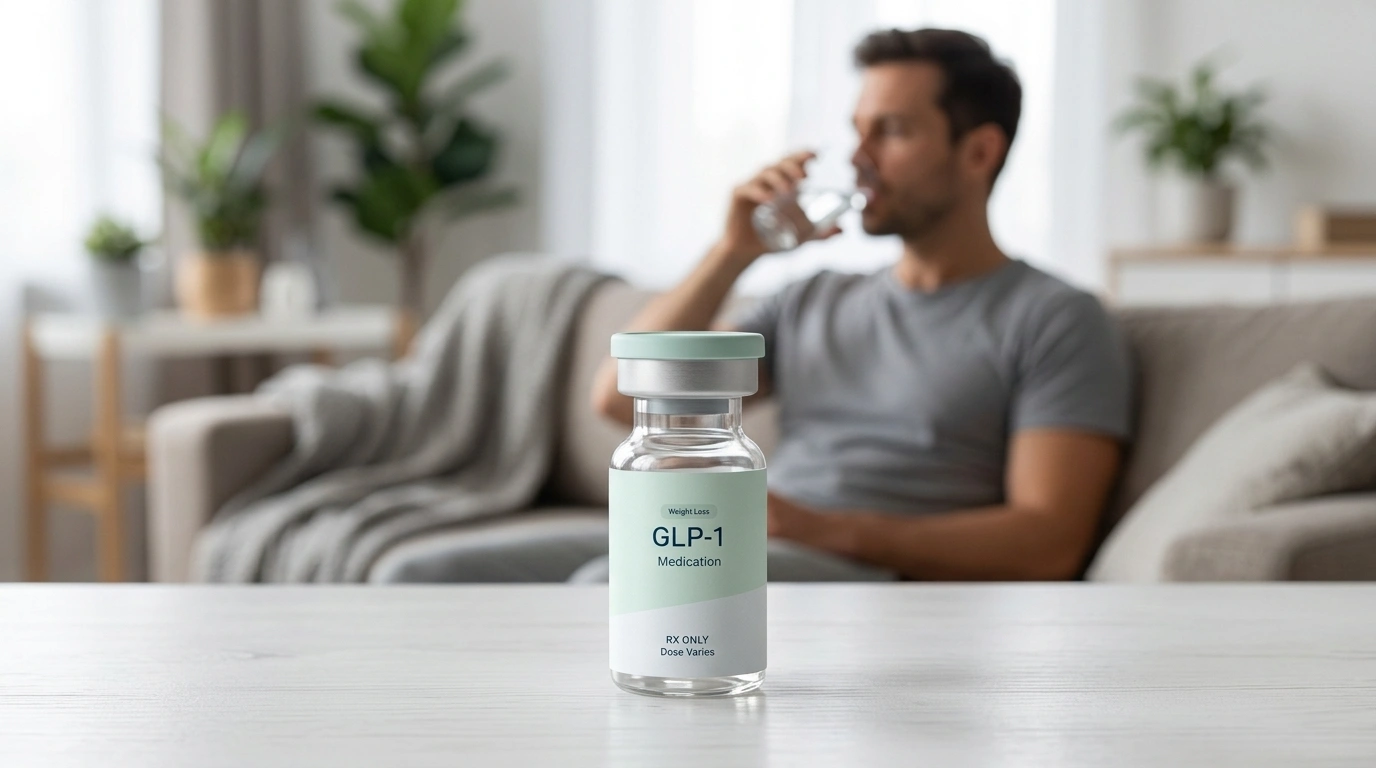
Many individuals beginning a medical weight loss journey find themselves wondering how their new routine will affect their social life. A common question that arises is: can i have alcohol while taking ozempic? Whether it is a glass of wine at dinner or a toast at a celebration, understanding how alcohol interacts with GLP-1 medications is essential for your safety and success.
At TrimRx, we believe that informed patients achieve the best long-term results. We focus on providing personalized support to help you navigate these lifestyle choices while using medications like how to take compound semaglutide for weight loss.
If you’d like a personalized next step, see if you qualify for a personalized GLP-1 program.
While there is no direct, dangerous drug interaction between alcohol and Ozempic®, the two substances can interact indirectly in ways that affect your comfort, your blood sugar, and your weight loss progress. This article explores the biological mechanisms at play, potential side effects, and how to safely navigate social situations during your treatment.
How Alcohol and Semaglutide Affect the Body
To understand if you can drink while on this medication, it is helpful to first look at how the drug works. Ozempic® is a brand-name version of semaglutide, which belongs to a class of drugs called GLP-1 receptor agonists. For a deeper explainer, how GLP-1 works is a helpful next read.
This hormone performs several key roles. It prompts your pancreas to release insulin when blood sugar is high, slows down how quickly food leaves your stomach (gastric emptying), and sends signals to your brain that you are full. These combined actions help regulate blood sugar and support weight management.
Alcohol, or ethanol, is a central nervous system depressant that the liver must prioritize processing. When you consume alcohol, your liver stops its usual tasks, such as releasing stored glucose into the bloodstream, to focus on breaking down the toxins in the alcohol. Because both the medication and the alcohol influence your metabolic processes, combining them requires a cautious approach.
Key Takeaway: Ozempic® mimics a natural hormone to manage blood sugar and appetite, while alcohol requires the liver to pause other functions, potentially leading to metabolic conflicts.
Potential Side Effects of Mixing Alcohol and Ozempic®
While many people can tolerate a small amount of alcohol while on a GLP-1 program, the combination can frequently lead to a significant increase in side effects. Most of these issues stem from the way both substances impact the digestive system and blood sugar levels.
Gastrointestinal Distress
The most common side effects of semaglutide are gastrointestinal, and common semaglutide side effects often include nausea, vomiting, diarrhea, or constipation. Alcohol is a known stomach irritant and can cause similar symptoms.
Because the medication slows down gastric emptying, any alcohol you drink stays in your stomach for a longer duration. This prolonged exposure to the stomach lining can increase irritation, leading to more intense nausea or heartburn. For some, a single drink that previously caused no issues might suddenly lead to severe stomach upset or vomiting.
Low Blood Sugar (Hypoglycemia)
One of the primary functions of semaglutide is to lower blood sugar. Alcohol also has a blood-sugar-lowering effect because it prevents the liver from performing gluconeogenesis—the process of creating new glucose.
If you have type 2 diabetes and are taking medication to manage it, the risk of your blood sugar dropping too low (hypoglycemia) is a serious concern. Symptoms of low blood sugar can include:
- Dizziness or lightheadedness
- Shakiness or tremors
- Confusion and irritability
- Rapid heartbeat
- Sweating or chills
It is also important to note that the symptoms of being drunk and the symptoms of low blood sugar are very similar. This can make it difficult for you or those around you to realize that you are experiencing a medical emergency rather than just intoxication.
Increased Risk of Pancreatitis
The official prescribing information for Ozempic® lists pancreatitis, which is inflammation of the pancreas, as a potential serious side effect. Excessive or chronic alcohol consumption is also a leading cause of pancreatitis. While the absolute risk of developing this condition on a GLP-1 is low, adding a known irritant like alcohol may potentially increase that risk. If you have a personal or family history of pancreatic issues, your healthcare provider may advise you to avoid alcohol entirely while on the medication.
Dehydration and Kidney Health
Both the medication and alcohol can contribute to dehydration. Semaglutide can sometimes cause a loss of appetite and thirst, meaning you might forget to drink enough water. If the medication causes vomiting or diarrhea, you lose even more fluids.
Alcohol is a diuretic, meaning it encourages your body to flush out water through urine. Significant dehydration can put a strain on your kidneys. In rare cases, severe dehydration caused by GI side effects in people taking GLP-1s has led to acute kidney injury. Maintaining proper hydration is vital, and alcohol makes that goal harder to achieve.
Does Alcohol Interfere with Weight Loss Goals?
Many people use GLP-1 medications specifically for weight management. If this is your primary goal, it is important to consider how alcohol impacts your progress beyond just the side effects.
Alcohol is a source of “empty” calories. This means it provides energy but no significant nutritional value. A standard glass of wine or a beer can contain between 120 and 200 calories. Mixed drinks and cocktails can easily exceed 400 or 500 calories due to added sugars and syrups. These calories can quickly offset the calorie deficit created by your reduced appetite. For a broader look at treatment strategy, semaglutide dosing and long-term success is a useful next read.
Furthermore, alcohol can lower inhibitions. When you drink, you are more likely to make impulsive food choices. You may find yourself reaching for high-calorie, processed foods that you would typically avoid while sober. This “snack attack” can derail the healthy eating habits you are trying to establish.
Bottom line: While occasional alcohol may not completely halt your weight loss, its high calorie count and impact on decision-making can make reaching your goals more difficult.
The “Ozempic Effect” on Alcohol Cravings
Interestingly, many patients report a surprising side effect: they no longer want to drink. This phenomenon is currently being studied by researchers to see if GLP-1 medications could eventually be used to treat alcohol use disorder.
The theory involves the brain’s reward system. Alcohol usually triggers a release of dopamine, the “feel-good” chemical, in the brain. Some researchers believe that medications like semaglutide may dampen this reward response. If you don’t get the same sense of pleasure or “buzz” from a drink, you are less likely to crave it.
Additionally, the feeling of “fullness” provided by the medication can make the idea of consuming a liquid as heavy as beer or a sugary cocktail unappealing. Many users find that they can only finish half a drink before feeling “done.”
Key Takeaway: You may find that your desire for alcohol naturally decreases while on a GLP-1 program, which can actually support your long-term health and weight loss goals.
Best Practices for Occasional Drinking on a GLP-1 Program
If you choose to have a drink while on your weight loss program, doing so mindfully can help reduce the risk of discomfort. We recommend following these safety steps:
- Consult your provider first. Always discuss your alcohol habits with the healthcare professional managing your prescription to ensure it is safe based on your medical history.
- Avoid drinking on an empty stomach. Since the medication lowers blood sugar, having food in your system is crucial to prevent a dangerous drop.
- Prioritize hydration. For every alcoholic drink you have, drink at least one full glass of water.
- Start slow. Test your tolerance with a very small amount of alcohol at home before drinking in a social setting to see how your body reacts.
- Choose lower-sugar options. Opt for dry wines, light beers, or spirits mixed with club soda rather than sugary mixers or juices.
- Listen to your body. If you start to feel nauseated or overly full, stop drinking immediately.
Note: If you experience severe abdominal pain that radiates to your back, persistent vomiting, or signs of a severe allergic reaction, seek medical attention immediately, as these could be signs of serious complications.
Starting Your Journey with TrimRx
Navigating the complexities of weight loss medications requires more than just a prescription. It requires a dedicated team that understands how these treatments fit into your real life. At TrimRx, we provide a telehealth-first approach that removes the barriers to high-quality care.
Our platform connects you with licensed healthcare providers who specialize in metabolic health. They take the time to review your health profile and goals to determine if a GLP-1 program is right for you. If you are ready to find out whether treatment fits your needs, see if you qualify for a personalized GLP-1 program.
We offer access to medications like compounded semaglutide and compounded tirzepatide, which are prepared by FDA-registered, inspected compounding pharmacies. If you want to learn more about the other option, how compounded tirzepatide works offers a helpful overview.
When you join our program, you receive more than just medication. We provide a comprehensive service that includes:
- Initial provider consultations and necessary lab work.
- Personalized treatment plans tailored to your specific needs.
- Ongoing medical support and 24/7 access to our specialist team.
We understand that every individual’s body reacts differently to treatment. That is why our programs are designed to be flexible and supportive, helping you manage lifestyle choices like alcohol consumption with confidence. Our mission is to help you achieve sustainable, healthy weight loss through science and empathy.
Conclusion
So, can i have alcohol while taking ozempic? The answer for most people is yes, but with significant caution. While there is no direct interaction that makes the combination toxic, the increased risk of GI upset, low blood sugar, and dehydration means that moderation is more important than ever. Many people find that their appetite for alcohol naturally diminishes, making it easier to stick to their health goals.
Successful weight loss is about making choices that support your body’s new metabolic state. By staying hydrated, monitoring your blood sugar, and listening to your body’s signals, you can navigate social situations without compromising your progress.
Bottom line: Moderation and communication with your healthcare provider are the keys to safely balancing alcohol and your weight loss journey.
If you are ready to take the next step toward a healthier lifestyle with a program that offers personalized medical supervision and transparent support, we invite you to complete the assessment quiz. This is the first step in seeing if our personalized GLP-1 programs are the right fit for your unique health journey.
FAQ
Can alcohol stop Ozempic® from working for weight loss?
Alcohol does not chemically stop the medication from working, but it can hinder your results. Alcohol is high in calories and can lead to poor food choices, which may slow down the weight loss process even if the medication is effectively suppressing your appetite.
What happens if I have one drink on Ozempic®?
For many people, a single drink may cause no issues, but others may experience increased nausea or heartburn. Because the medication slows digestion, the alcohol will stay in your stomach longer, which can increase the likelihood of gastric irritation.
Are some types of alcohol safer than others while on semaglutide?
While no alcohol is “safe,” some choices are better for your goals. Clear spirits with club soda or dry wines have less sugar than cocktails or heavy beers, which helps prevent massive blood sugar spikes and reduces the overall calorie count of the drink.
Does Ozempic® make you get drunk faster?
The medication does not change how your brain processes alcohol, but it does change how your stomach processes it. Because gastric emptying is slowed, the alcohol may be absorbed differently, and because you are likely eating less, you may feel the effects of alcohol more quickly or intensely than before.
If you want a personalized starting point, complete the assessment quiz.
Disclaimer: This content is for informational purposes only and does not constitute medical advice. It is not intended to diagnose, treat, cure, or prevent any disease or condition. Individual results may vary. Always consult a qualified healthcare professional before starting any weight loss program or medication.

Transforming Lives, One Step at a Time
Keep reading
I Took My Ozempic Two Days in a Row by Accident
Call for guidance now rather than waiting to see how you feel. In the United States, Poison Control is available free and around the…

Why Does My Ozempic Injection Sting More Some Weeks Than Others?
Because more variables change between injections than most people realize. Temperature of the medication, which site you used, how deep the needle went, how…

How to Store Your Ozempic Pen During a Power Outage
Keep the refrigerator door closed. An unopened refrigerator holds a safe temperature for roughly four hours, and a full freezer holds for considerably longer….


