Ozempic vs Jardiance for Weight Loss: How They Compare
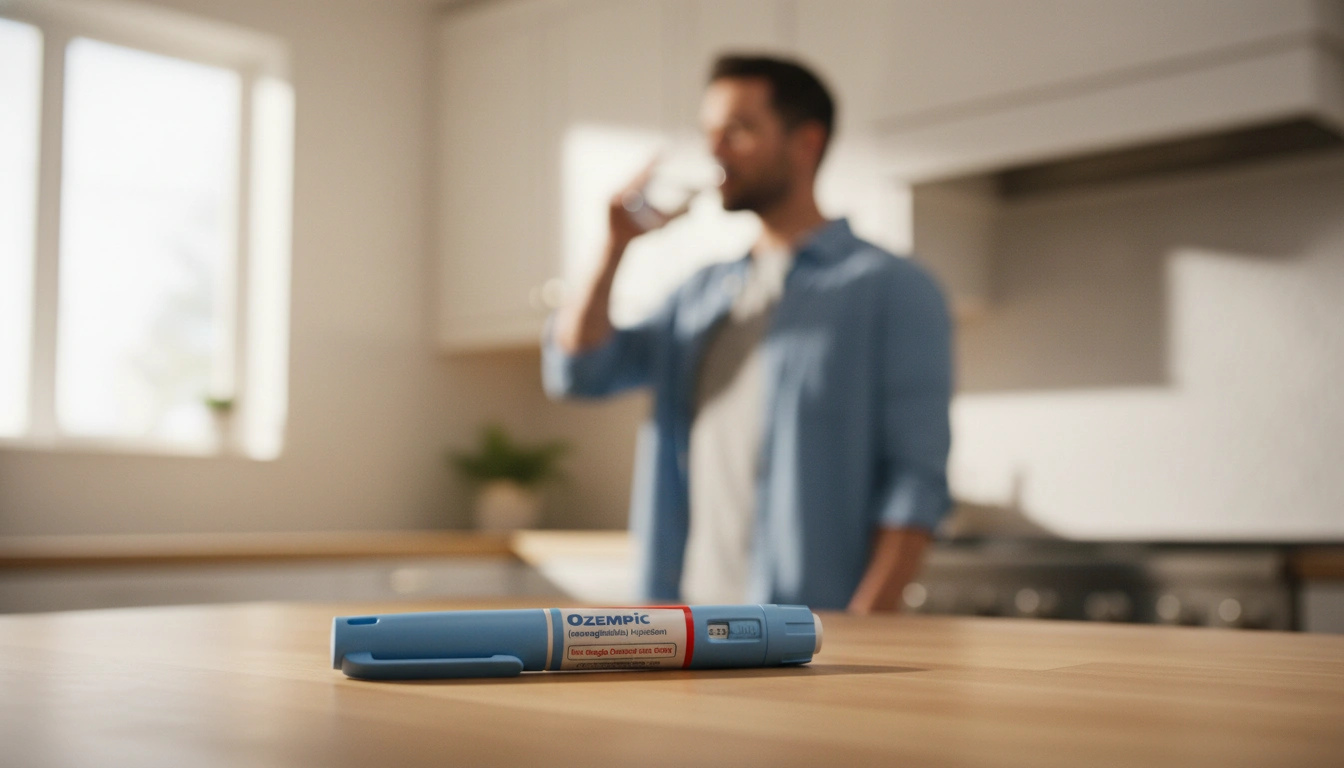
Ozempic and Jardiance are both used in the management of type 2 diabetes, and both produce some degree of weight loss as part of their mechanism of action. But they work through completely different pathways, and the weight loss outcomes they produce are not remotely comparable. If you’re trying to understand how these two medications stack up, here’s what the clinical evidence actually shows.
What Each Medication Does
Ozempic is the brand name for semaglutide, a GLP-1 receptor agonist manufactured by Novo Nordisk. It was originally approved for type 2 diabetes management and is also prescribed off-label for weight loss. Wegovy, which contains the same active ingredient at a higher dose, is FDA-approved specifically for chronic weight management. GLP-1 receptor agonists work by mimicking a gut hormone that slows gastric emptying, reduces appetite signaling in the brain, and improves insulin secretion in response to meals. Weight loss is a primary and substantial effect.
Jardiance is the brand name for empagliflozin, an SGLT2 inhibitor manufactured by Boehringer Ingelheim and Eli Lilly. It works by blocking a protein in the kidneys called SGLT2, which normally reabsorbs glucose back into the bloodstream. By inhibiting that reabsorption, Jardiance causes excess glucose to be excreted through urine, lowering blood sugar and producing a modest caloric deficit in the process. Weight loss is a secondary effect of that mechanism rather than a primary therapeutic target.
Understanding that distinction, weight loss as a primary mechanism versus weight loss as a secondary metabolic effect, is the key to making sense of how these two medications compare.
Weight Loss Outcomes: What the Data Shows
The clinical trial data for these two medications tells a clear story. In the STEP trials for semaglutide at the 2.4mg weekly dose used for weight management, patients with obesity lost an average of approximately 15 percent of their body weight over 68 weeks. Even at the lower 1mg dose used in Ozempic’s diabetes indication, meaningful weight loss is consistently observed in trial populations.
Jardiance produces more modest weight loss. Clinical trials in patients with type 2 diabetes have shown average weight loss of roughly 2 to 3 percent of body weight over similar timeframes. That’s a real effect, and it comes with meaningful cardiovascular and renal benefits that are well documented in trials like EMPA-REG OUTCOME. But as a weight loss intervention, the magnitude is substantially smaller than what GLP-1 medications produce.
A landmark study published in the New England Journal of Medicine, the EMPA-REG OUTCOME trial, demonstrated Jardiance’s cardiovascular benefits clearly, but weight loss was a secondary finding rather than the primary endpoint. The contrast with semaglutide’s STEP trial results, where weight loss was the primary focus and the outcomes were dramatically larger, reflects how differently these two medications are positioned clinically.
Side Effect Profiles
Ozempic’s most common side effects are gastrointestinal, including nausea, vomiting, diarrhea, and constipation, particularly during dose escalation. These typically improve as the body adjusts to the medication. More serious but less common risks include pancreatitis and a theoretical thyroid C-cell tumor risk based on animal studies. It’s contraindicated in patients with a personal or family history of medullary thyroid carcinoma.
Jardiance carries a different set of risks. The most clinically notable is an increased risk of genital mycotic infections and urinary tract infections due to the increased glucose in urine. It also carries a risk of a rare but serious condition called diabetic ketoacidosis, which can occur even in patients with normal blood sugar levels. Volume depletion and low blood pressure are also possible, particularly in patients on diuretics. On the positive side, Jardiance has demonstrated significant cardiovascular and kidney-protective benefits that go beyond its glucose-lowering effects.
For patients already taking Jardiance who are considering adding a GLP-1 medication, the combination is used clinically and has a reasonable safety profile. The article on Ozempic and Jardiance together covers what patients should know about that combination, and the article on Zepbound and Jardiance addresses the same question for tirzepatide users.
When Jardiance Makes Sense
Jardiance isn’t primarily a weight loss drug, and it shouldn’t be evaluated primarily as one. Its strongest clinical case is in patients with type 2 diabetes who also have established cardiovascular disease or chronic kidney disease, where its cardioprotective and renoprotective effects are substantial and well evidenced. For those patients, Jardiance may be a critical part of their management plan regardless of its weight effects.
For patients whose primary goal is weight loss and who don’t have specific indications for SGLT2 inhibition, Jardiance is unlikely to deliver the results that a GLP-1 medication would. The mechanism simply doesn’t produce the same degree of appetite suppression or caloric reduction.
When Ozempic or a GLP-1 Medication Makes More Sense
For patients whose primary goal is meaningful weight loss, and who qualify for GLP-1 therapy based on their BMI and health history, the clinical evidence strongly favors semaglutide or tirzepatide over SGLT2 inhibitors as the primary intervention. The weight loss outcomes are larger, the appetite suppression is more direct, and the metabolic benefits extend beyond glucose management to include improvements in blood pressure, triglycerides, and cardiovascular risk.
Consider this scenario: a patient has type 2 diabetes, a BMI of 36, and is currently on Jardiance for cardiovascular protection. They want to lose significant weight. Their provider may recommend adding a GLP-1 medication to their existing regimen rather than choosing between the two, since they work through different mechanisms and can be used together under appropriate clinical supervision.
That combination approach reflects how these medications are increasingly used in clinical practice. They’re not necessarily an either-or choice for patients who have indications for both. The decision about which to prioritize, or whether to use both, is one for a provider who understands your full health picture.
TrimRx offers compounded semaglutide starting around $179 per month as well as compounded tirzepatide and brand-name GLP-1 options, all through a telehealth model with licensed provider oversight. If weight loss is your primary goal and you want to find out whether GLP-1 therapy is right for your situation, start your assessment today.
This information is for educational purposes and is not medical advice. Consult with a healthcare provider before starting any medication. Individual results may vary.

Transforming Lives, One Step at a Time
Keep reading

Playing in a Tennis League on Ozempic
Joining a tennis league is one of the best things you can do for fitness, friendship, and a bit of friendly competition. Many adults…

Sledding and Ice Skating With the Grandkids on Ozempic
Winter break with grandchildren often means sledding hills, outdoor rinks, and snowball fights in the yard. For many grandparents who have lost weight on…

Hosting a Quinceañera on Ozempic
A quinceañera is one of the biggest days in a family’s life. There is a Mass or blessing, photos, a grand entrance, the court’s…


