Zepbound and Jardiance: Can You Take Both?
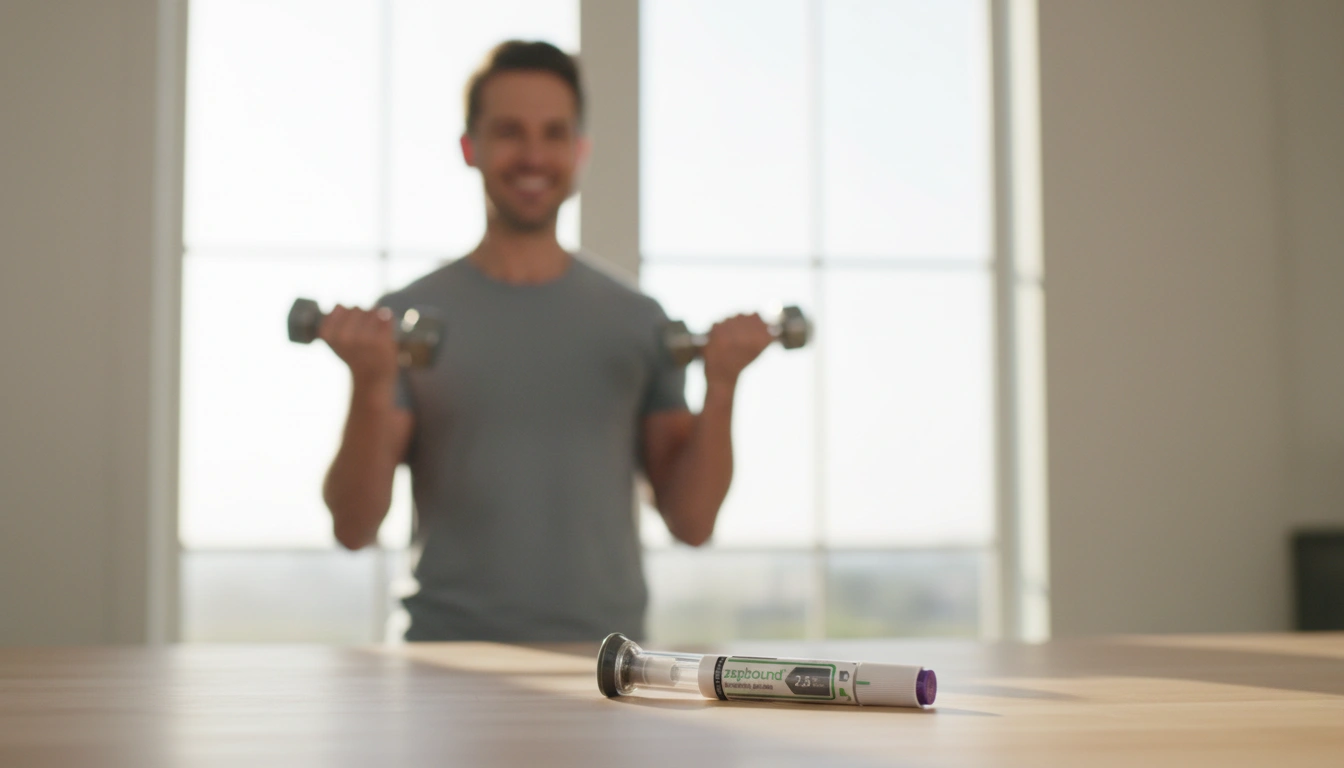
If you’re on Jardiance for cardiovascular protection or blood sugar management and your provider is recommending Zepbound for weight loss, you’re in a situation that comes up more often than you might think. Both medications have strong clinical track records, and their mechanisms are different enough that combining them is something providers do intentionally. But there are specific effects that stack when you put them together, and understanding those is important before you start.
How These Two Medications Work
Zepbound (tirzepatide) is the same molecule as Mounjaro, approved specifically for chronic weight management in adults with obesity or weight-related conditions. It activates both GIP and GLP-1 receptors, which reduces appetite, slows gastric emptying, and improves how the body handles insulin and glucose. It’s injected once weekly and produces some of the most significant weight loss results seen in any pharmaceutical trial to date.
Jardiance (empagliflozin) is an SGLT2 inhibitor. It blocks glucose reabsorption in the kidneys, causing excess sugar to leave the body through urine. Beyond blood sugar control, Jardiance has demonstrated meaningful reductions in cardiovascular mortality and hospitalizations for heart failure, which is why it’s prescribed even for patients who don’t have diabetes but do have established heart disease or chronic kidney disease.
These two drugs operate through entirely separate mechanisms, which is precisely why the combination is clinically appealing for patients managing both weight and cardiometabolic risk.
Is There a Known Interaction?
There is no direct pharmacokinetic interaction between tirzepatide and empagliflozin. They don’t share metabolic pathways in a way that causes one to interfere with how the other is processed or cleared. The combination is not contraindicated, and providers prescribe it routinely in patients who have both weight loss and cardiovascular or glycemic goals.
The considerations worth understanding are about overlapping physiological effects rather than a chemical interaction between the two drugs.
What Happens When You Combine Them
Fluid Loss and Dehydration Risk
This is the most clinically important consideration for this pairing. Jardiance causes glucose to be excreted through urine, and water follows that glucose. The result is a mild but real diuretic effect that can reduce fluid volume, particularly noticeable in hot weather, during exercise, or when fluid intake drops.
Zepbound, especially during dose escalation, frequently causes nausea and reduced appetite, which often means patients are eating and drinking less than usual. When these two effects occur simultaneously, dehydration becomes a genuine risk rather than a theoretical one.
Symptoms to watch for include dizziness when standing, unusual fatigue, decreased urination, dry mouth, and muscle cramps. If any of these appear during the early months of Zepbound treatment while on Jardiance, increasing fluid intake and contacting your provider are both appropriate responses. This isn’t a reason to stop either medication, but it does require active attention.
Blood Pressure Reduction
Both medications lower blood pressure, though through different pathways. Jardiance reduces blood pressure as part of its cardiovascular mechanism. Zepbound produces modest blood pressure reductions as a downstream effect of weight loss and metabolic improvement. In combination, these effects add up.
For most patients, lower blood pressure is a benefit. For those already on antihypertensive medications, or those who tend toward lower blood pressure naturally, the combination can sometimes cause symptomatic hypotension, particularly orthostatic hypotension when moving from sitting to standing. If you’re on blood pressure medications alongside both of these, your provider may want to reassess those doses as Zepbound takes effect over several months.
Blood Sugar Effects in Non-Diabetic Patients
Zepbound is approved for weight management in people who may or may not have type 2 diabetes. Jardiance is increasingly prescribed in non-diabetic patients for heart or kidney protection. In this population, the combined glucose-lowering effect is generally mild and not a major concern on its own.
However, if a patient is also taking insulin or a sulfonylurea, the addition of both Zepbound and Jardiance can meaningfully increase hypoglycemia risk. Consider this scenario: a patient with prediabetes and obesity starts Zepbound while already on Jardiance for early-stage kidney disease. Their blood sugar may drop more than expected, particularly as their diet improves and weight decreases. Monitoring glucose in the first several months is a reasonable precaution.
Euglycemic Ketoacidosis Awareness
SGLT2 inhibitors carry a small but documented risk of euglycemic diabetic ketoacidosis, a form of ketoacidosis where blood sugar levels appear normal or only mildly elevated. This risk increases during periods of low carbohydrate intake, prolonged fasting, significant illness, or surgical procedures.
Zepbound substantially reduces appetite and food intake, which can put patients in a lower carbohydrate state more consistently than they realize. This doesn’t mean the combination should be avoided, but patients should know the warning signs: nausea, vomiting, abdominal discomfort, fatigue, and shortness of breath. These symptoms overlap with common Zepbound side effects, which makes the distinction tricky. When in doubt, a provider evaluation is the right call rather than assuming it’s routine GI adjustment.
Providers typically recommend pausing Jardiance before any planned surgery or prolonged fasting period for this reason, and that guidance applies whether or not Zepbound is part of the picture.
Genital and Urinary Tract Infections
Jardiance’s glucose-excreting mechanism creates conditions that can promote yeast and bacterial infections in the genital and urinary tract. This is one of the most commonly reported side effects of SGLT2 inhibitors. Adding Zepbound doesn’t increase this risk directly, but patients should remain alert to symptoms and report them early. Untreated infections can escalate, and prompt treatment is straightforward when caught early.
What the Evidence Supports
Research on combining GLP-1 or dual GIP/GLP-1 agonists with SGLT2 inhibitors has generally shown additive benefits across weight, blood sugar, blood pressure, and cardiovascular outcomes. A 2022 study in Obesity Reviews examining combination cardiometabolic therapy found that GLP-1 receptor agonists and SGLT2 inhibitors produced complementary effects with an acceptable safety profile, with the authors highlighting hydration and volume status as the primary management consideration in clinical practice.
For patients with both weight loss and cardiovascular goals, this combination represents one of the more evidence-supported multi-drug approaches currently available.
How to Approach This Combination Safely
If you’re already on Jardiance and starting Zepbound, the transition period warrants a few practical adjustments. Increase your daily water intake from the first week of Zepbound treatment, not just when you feel thirsty. Make sure your prescribing providers for both medications are aware of the full picture. If you’re taking any blood pressure medications or insulin, flag this combination specifically so doses can be reviewed as your weight changes.
For more context on how Zepbound and tirzepatide interact with other medications, the article on Mounjaro and Jardiance covers the same pairing from a diabetes management perspective and is worth reading alongside this one. If you’re managing cardiovascular risk alongside your weight loss goals, the piece on tirzepatide and heart health provides useful context on what the clinical trials show.
The tirzepatide product page at TrimRx outlines how compounded tirzepatide is prescribed and what the clinical intake process covers, including a review of your existing medications.
If you’re ready to discuss whether Zepbound fits your situation, start your assessment here and include your full medication list so the clinical team can evaluate the combination appropriately.
This information is for educational purposes and is not medical advice. Consult with a healthcare provider before starting any medication or making changes to your current regimen. Individual results may vary.

Transforming Lives, One Step at a Time
Keep reading

Fitness Test Coming Up on Zepbound? Protecting Strength and Endurance
The date changes what you should do, and the most useful adjustments are about fuel and timing rather than about the medication itself. Performance…

Best Diet for Zepbound to Maximize Weight Loss
If you recently started using Zepbound or you are thinking about it, you probably have one big question: what should you eat? The truth…
Lost Weight on Zepbound With a CPAP? When to Recheck Your Settings
Probably yes, and this is a conversation to have with your sleep clinician rather than a change to make yourself. Weight loss can reduce…


