How to Stop Throwing Up After Taking Ozempic
Introduction
Finding the right path to weight loss can feel like a series of victories and hurdles. While starting a GLP-1 medication like Ozempic® is a proactive step toward better metabolic health, experiencing physical sickness can be deeply discouraging. If you have found yourself dealing with nausea or vomiting after your weekly injection, you are not alone. These digestive symptoms are among the most common reasons individuals consider stopping their treatment early.
At TrimRx, we believe that managing your health should not feel like a battle with your own body. We focus on connecting you with personalized care, and you can take the free assessment quiz to see whether a prescription path fits your goals. This article will explain why these side effects happen, provide practical strategies to settle your stomach, and help you understand when it is time to consult a healthcare professional. Our goal is to help you stay on track with your wellness journey by providing the tools you need to manage side effects safely and comfortably.
Why Ozempic® Can Lead to Vomiting
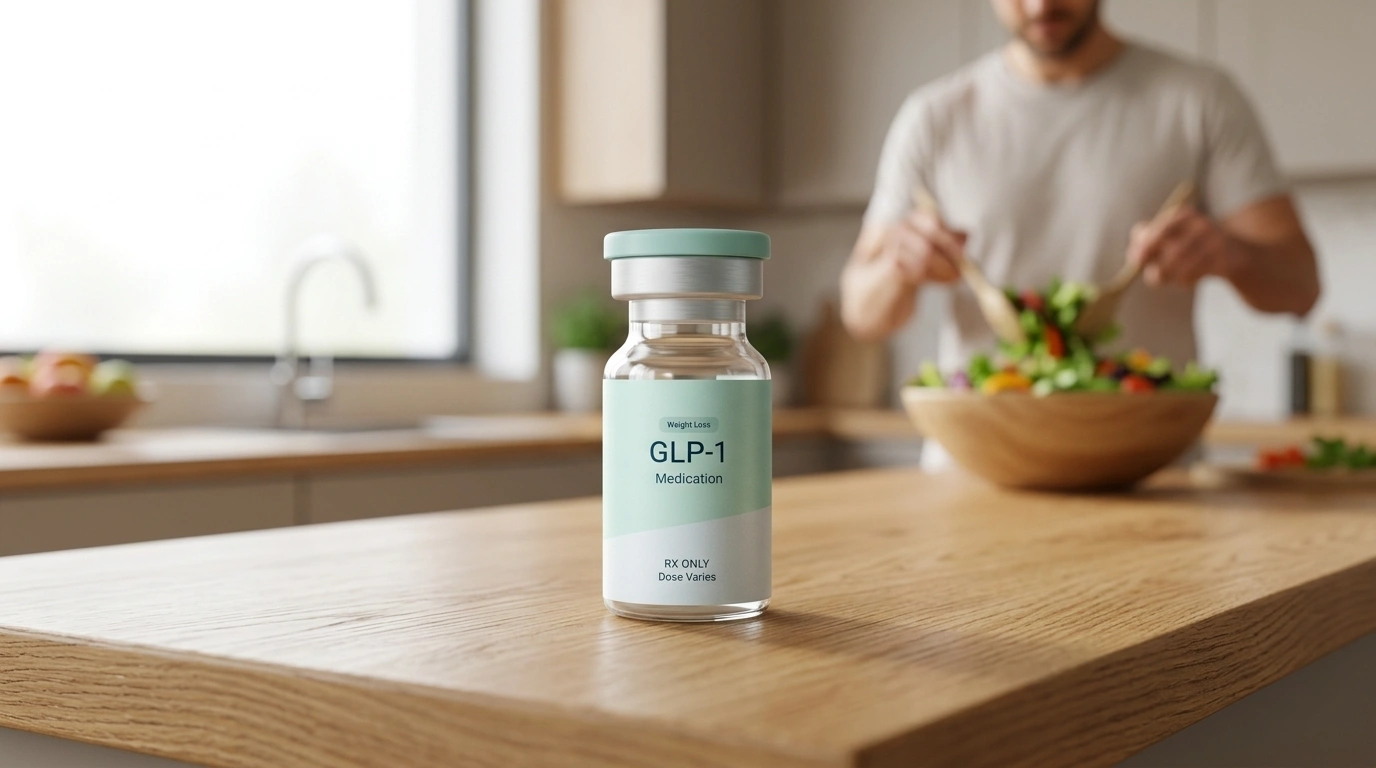
To understand how to stop the cycle of sickness, it is helpful to understand what is happening inside your body. Ozempic® is a brand-name medication containing semaglutide, which belongs to a class of drugs called GLP-1 receptor agonists. These medications mimic a natural hormone in your body called glucagon-like peptide-1 (GLP-1). This hormone is responsible for telling your brain you are full and regulating how quickly your stomach empties.
When you take this medication, it essentially “turns up the volume” on these signals. While this is excellent for appetite control, it can sometimes overwhelm the digestive system. There are two primary reasons why this leads to vomiting or severe nausea. If you want a closer look at the day-to-day experience, What’s It Like Taking Ozempic for Weight Management? is a helpful companion read.
Slowed Gastric Emptying
The medication significantly slows down gastric motility, which is the speed at which food moves from your stomach into your small intestine. This process, often called slowed gastric emptying, ensures that you feel satisfied for a longer duration after eating. However, if your stomach still contains a significant amount of food from a previous meal when you eat again, the pressure can cause discomfort. This “backlog” in the digestive tract is a frequent trigger for the body’s vomiting reflex.
The Gut-Brain Connection
GLP-1 receptors are not just located in your gut; they are also found in the areas of the brain that control nausea and vomiting. For some individuals, the brain is particularly sensitive to the increase in GLP-1 activity. This can result in a persistent feeling of motion sickness or queasiness, especially during the first few weeks of treatment or immediately following a dose increase.
Key Takeaway: Vomiting on a GLP-1 medication is usually a result of the digestive system slowing down significantly or the brain reacting to new hormonal signals.
Immediate Steps to Settle Your Stomach
If you are currently experiencing an episode of vomiting, your primary focus should be on soothing your system and preventing dehydration. You do not need to wait for your next doctor’s appointment to begin making adjustments that can provide relief.
Prioritize small, frequent sips of clear liquids to maintain hydration without overtaxing the stomach. When your stomach is irritated, drinking a large glass of water all at once can actually trigger more vomiting. Instead, try sipping ice-cold water, clear broth, or an electrolyte replacement drink every few minutes.
Implement the “Upright Rule” after every meal or snack. Because your digestion is slower, lying down can allow stomach acid and undigested food to move back toward the esophagus. Stay upright—either sitting or standing—for at least sixty to ninety minutes after eating. This uses gravity to help your digestive system move things along.
Transition to a bland diet until your symptoms stabilize. Many healthcare providers recommend the BRAT diet (Bananas, Rice, Applesauce, and Toast) for short-term management of stomach upset. These foods are low in fiber and easy for the body to break down, reducing the workload on your GI tract.
- Sip, don’t gulp: Take tiny sips of water or ginger tea.
- Keep it cold: Cold foods like popsicles or chilled yogurt are often better tolerated than hot, aromatic meals.
- Avoid smells: Strong cooking odors can worsen nausea; stick to room-temperature foods if smells are a trigger.
- Rest, but don’t recline: Keep your head elevated while resting.
Managing Your Food Choices
What you eat is just as important as how much you eat when you are adjusting to semaglutide. Certain foods act as “triggers” that can turn mild nausea into an episode of vomiting. By identifying these triggers early, you can significantly reduce the frequency of side effects. For a deeper look at common dietary culprits, What Foods to Avoid When Taking Ozempic for Success is worth reading.
Avoiding High-Fat and Greasy Foods
Fried and high-fat foods stay in the stomach longer than proteins or carbohydrates, making them a major risk factor for vomiting. Since Ozempic® already slows down your digestion, adding heavy fats can create a “traffic jam” in your stomach. This often leads to feelings of intense fullness, bloating, and eventually, sickness. Avoid fast food, heavy cream sauces, and fatty cuts of meat during the first few months of your program.
Limiting Sugar and Spicy Ingredients
Spicy foods and highly processed sugars can irritate the lining of the stomach, which may already be sensitive due to the medication. Spicy ingredients can increase stomach acid production, leading to heartburn or reflux that contributes to nausea. Similarly, very sweet foods can cause rapid shifts in blood sugar and gut osmotic pressure, which can leave you feeling dizzy or sick.
Choosing “Safe” Foods
Focus on lean proteins and simple carbohydrates that provide energy without causing distress. Chicken breast, white fish, tofu, and eggs are generally well-tolerated. For carbohydrates, stick to things like crackers, oatmeal, or boiled potatoes. As your body adapts to the medication, you can slowly reintroduce more complex fibers and varied flavors.
Key Takeaway: Successful management of GLP-1 side effects often requires a temporary shift toward bland, low-fat, and easy-to-digest meals.
The Power of the “Low and Slow” Approach
One of the most effective ways to stop throwing up is to ensure your dosing schedule matches your body’s ability to adapt. Most GLP-1 medications are designed to be started at a very low dose, which is then gradually increased every four weeks. This process is called titration.
If you are experiencing severe vomiting, it may be a sign that your dose was increased too quickly. A personalized program allows for flexibility in your treatment plan to ensure your comfort. At TrimRx, we emphasize that your journey is unique, and you can see whether a prescription path fits you. The providers we work with can help determine if staying at a lower dose for an extra month is the right move for you.
Note: Never adjust your medication dose or schedule without first consulting your licensed healthcare provider. They will ensure that any changes are medically safe and appropriate for your health goals.
Lifestyle Adjustments and Injection Tips
Sometimes, the way you administer the medication or go about your daily routine can influence how you feel. Small changes in your habits can lead to big improvements in your daily comfort. If you are comparing everyday habits that may make treatment easier, What to Avoid While Taking Ozempic for Best Results is a useful guide.
Experiment with the timing of your injection. Some people find that taking their dose right before bed allows them to “sleep through” the peak period of nausea. Others prefer taking it in the morning after a light, bland snack so their stomach isn’t empty. There is no single “right” time, so pay attention to how your body reacts over a few weeks.
Consider the injection site. While clinical studies do not definitively prove that the injection site changes the rate of side effects, many patients report feeling less nauseous when they inject into the thigh or back of the arm rather than the abdomen. This may be due to the way the medication is absorbed into the subcutaneous fat in different areas.
Incorporate ginger and peppermint into your routine. Both ginger and peppermint have a long history of being used to settle the stomach. Ginger tea, ginger chews (sugar-free), or peppermint oil capsules can help soothe the digestive tract and reduce the urge to vomit.
When to Contact a Healthcare Professional
While mild to moderate nausea is expected, frequent vomiting can lead to serious health complications if left unaddressed. It is important to know the difference between a common side effect and a medical red flag.
Seek medical attention if you cannot keep any liquids down for more than 24 hours. Persistent vomiting can quickly lead to dehydration, which can put a strain on your kidneys and cause extreme fatigue or dizziness. If your urine is dark or if you feel faint when standing up, you need to contact a provider immediately.
Be aware of the symptoms of pancreatitis. Although rare, inflammation of the pancreas (pancreatitis) is a serious potential side effect of GLP-1 medications. If your vomiting is accompanied by severe abdominal pain that feels like it is “boring” through to your back, or if you develop a fever, stop taking the medication and seek emergency care.
Watch for signs of gallbladder issues. Rapid weight loss and GLP-1 use can sometimes trigger gallstones. Symptoms include sharp pain in the upper right side of your abdomen, often occurring after a meal, accompanied by nausea and vomiting.
Important: If you experience severe or persistent pain, high fever, or signs of an allergic reaction like swelling or trouble breathing, seek immediate medical assistance.
Natural and Medical Relief Options
If lifestyle and dietary changes are not enough to stop the vomiting, there are several over-the-counter and prescription options that your provider might suggest.
Over-the-Counter (OTC) Aids
Certain OTC medications can help manage the underlying causes of nausea, such as excess acid or gas. Antacids or acid reducers may help if your nausea is tied to heartburn. Bismuth subsalicylate is another common option for general stomach upset, though you should always check with your pharmacist to ensure it does not interact with other medications you are taking.
Prescription Support
For patients struggling with significant vomiting, a provider may prescribe an anti-nausea medication like Zofran® (ondansetron). This is often used as a short-term “bridge” to help you get through the initial weeks of treatment or a dose increase. These medications work by blocking the signals in the brain that trigger the vomiting reflex.
Supplemental Support
Maintaining your nutritional balance is key when your appetite is low and you are facing digestive challenges. We offer specialized products like GLP-1 Daily Support supplement, which is designed to help fill nutritional gaps during your weight loss journey. Keeping your vitamin and mineral levels stable can help your body stay resilient as it adjusts to the medication.
If your main challenge is keeping energy up while you are consuming fewer calories, Weight Loss Boost supplement can be a helpful option. At TrimRx, our goal is to ensure you never feel like you are navigating these changes alone. Our personalized programs include access to a dedicated team of specialists who can help you refine your eating habits and manage side effects. This telehealth-first approach means you can get professional guidance from the comfort of your home, without the need for waiting rooms or in-person visits.
Tracking Your Journey for Success
One of the best ways to gain control over side effects is to track them. Keeping a simple log for two or three weeks can reveal patterns that you might not notice otherwise. If you are still learning what to expect, What Should I Know Before Taking Ozempic for Weight Loss? pairs well with this approach.
Document what you eat, when you take your dose, and when the vomiting occurs. You might notice that you only feel sick on the second day after your injection, or that your symptoms always follow a meal containing dairy or high-fiber vegetables. Bringing this information to your telehealth consultation allows your provider to give you much more specific, effective advice.
How to Start a Symptom Log:
- Date and Time: Note the time of your injection and the time of your meals.
- Food Intake: Write down exactly what you ate and the portion size.
- Symptom Severity: Rate your nausea on a scale of 1 to 10.
- Activity: Note if you exercised or laid down shortly after eating.
- Resolution: Note what helped (e.g., “drank ginger tea and felt better in 20 minutes”).
Bottom line: Understanding your personal triggers through tracking is often the fastest way to eliminate vomiting and return to a normal routine.
Sustainable Weight Loss with TrimRx
At TrimRx, we understand that the road to health is rarely a straight line. Physical side effects like vomiting can be a major roadblock, but they do not have to mean the end of your progress. Our mission is to provide a supportive, telehealth-first platform where science and empathy meet. We connect you with licensed providers who specialize in personalized weight loss programs, ensuring you have professional guidance every step of the way.
By combining modern GLP-1 medications with dedicated specialist support and high-quality supplements, we help you build a sustainable lifestyle. You don’t have to navigate waiting rooms or confusing medical jargon. We are here to help you embrace a healthier version of yourself with transparency and care.
Key Takeaway: Most individuals find that vomiting and nausea subside within the first few months of treatment as the body becomes accustomed to the medication.
Summary of Best Practices
To help you move forward with confidence, here is a quick reference of the most effective strategies discussed:
- Eat very slowly: Put your fork down between bites to give your brain time to register fullness.
- Small meals: Aim for five or six tiny snacks rather than three large meals.
- Hydrate wisely: Drink fluids between meals rather than during them to avoid overfilling your stomach.
- Prioritize blandness: Stick to simple, unseasoned foods when you feel a wave of nausea coming on.
- Stay upright: Avoid the urge to nap or lie on the couch after eating.
- Consult your team: Use the 24/7 access to specialists through our platform to discuss persistent issues.
FAQ
How long does the vomiting usually last after starting Ozempic®?
For most people, digestive side effects are most intense during the first 8 to 12 weeks of treatment. This period typically aligns with the titration phase when your dose is being increased. Once you reach a stable maintenance dose, many individuals report that the vomiting stops entirely as the body acclimates.
Can I skip a dose if I am throwing up?
You should never skip or delay a dose without speaking to your healthcare provider first. Stopping the medication suddenly can affect your blood sugar levels and may make it harder to restart the treatment later. Your provider can help you decide if a temporary dose reduction is a safer alternative to skipping.
Does vomiting mean the medication is working “too well”?
Vomiting is a side effect, not a sign of the medication’s effectiveness. While the drug works by slowing digestion, the goal is to feel satisfied and full, not physically ill. If you are throwing up, it usually means your system is struggling with the current dose or your dietary choices, and adjustments are needed.
Is there a specific injection site that prevents vomiting?
While not scientifically proven for everyone, many people find relief by switching their injection site from the stomach to the thigh. The theory is that absorption may vary slightly by location, potentially slowing the initial “peak” of the medication in your system. It is a simple, safe change that is worth trying if you are struggling with nausea. If you are still evaluating whether treatment is the right fit, take the next step with the free assessment quiz.
Disclaimer: This content is for informational purposes only and does not constitute medical advice. It is not intended to diagnose, treat, cure, or prevent any disease or condition. Individual results may vary. Always consult a qualified healthcare professional before starting any weight loss program or medication.

Transforming Lives, One Step at a Time
Keep reading

I Took My Ozempic Two Days in a Row by Accident
Call for guidance now rather than waiting to see how you feel. In the United States, Poison Control is available free and around the…

Why Does My Ozempic Injection Sting More Some Weeks Than Others?
Because more variables change between injections than most people realize. Temperature of the medication, which site you used, how deep the needle went, how…
How to Store Your Ozempic Pen During a Power Outage
Keep the refrigerator door closed. An unopened refrigerator holds a safe temperature for roughly four hours, and a full freezer holds for considerably longer….


