Can Ozempic Help With Alcoholism?
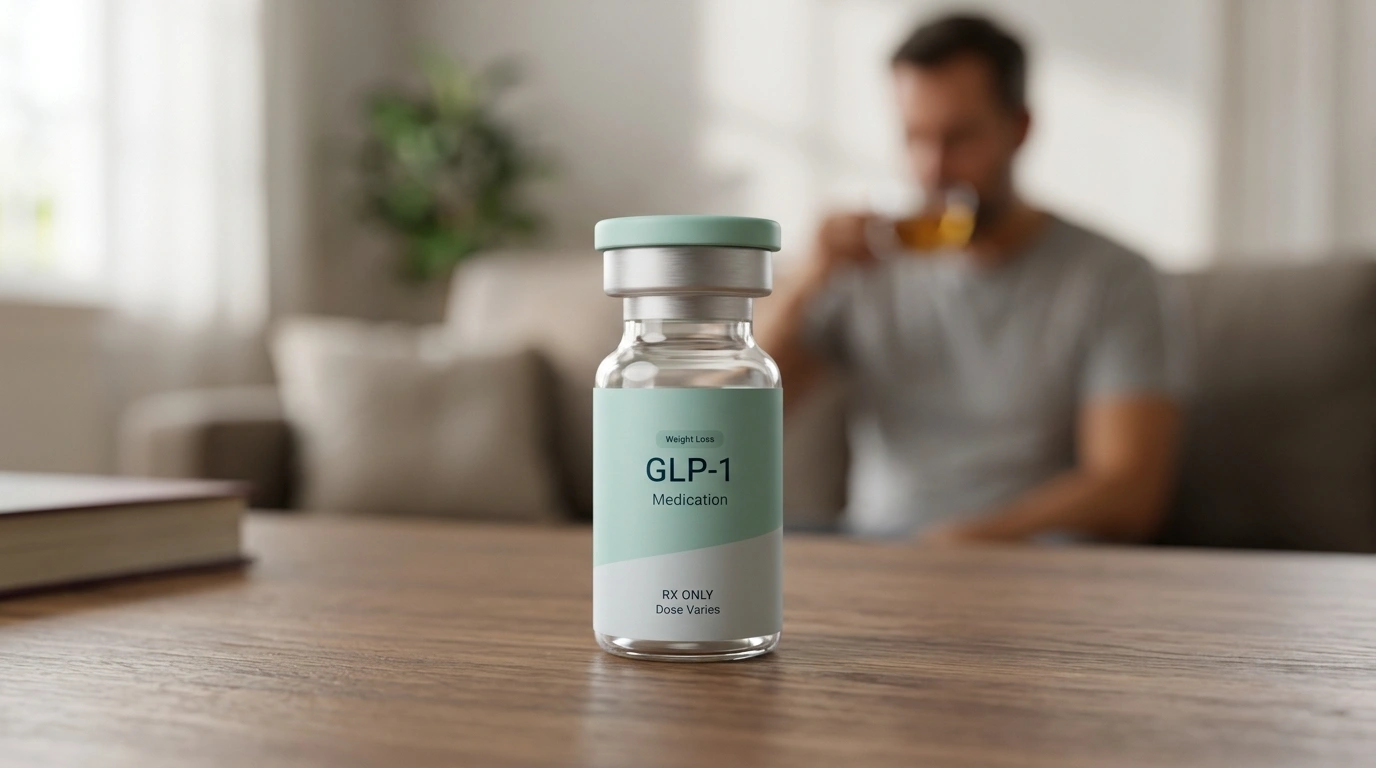
Introduction
For many people starting a weight loss journey with a GLP-1 medication, the primary goal is to manage hunger and lose weight. However, a surprising trend has emerged in clinical reports and online communities. Individuals have begun noticing that their desire for a glass of wine or a cocktail seems to diminish alongside their appetite for food. This phenomenon has led researchers to ask a compelling question: Can Ozempic® help with alcoholism?
At TrimRx, we believe in providing the most current, science-backed information to help you navigate the evolving landscape of metabolic health and wellness. While these medications are primarily known for treating type 2 diabetes and obesity, emerging clinical studies suggest they may influence the brain’s reward centers in ways that impact alcohol consumption. If you’re considering whether a personalized program could fit your goals, you can take the free assessment quiz. This article will explore the current research, the biological mechanisms at play, and what this could mean for the future of treating alcohol use disorder.
Key Takeaway: Early research and patient reports suggest that semaglutide may reduce alcohol cravings by affecting the reward pathways in the brain, though it is not yet FDA-approved for this purpose.
The Science of GLP-1 Medications
To understand how a weight loss medication might influence alcohol intake, it is important to first understand what these drugs are. Ozempic® is a brand-name medication containing the active ingredient semaglutide. Semaglutide belongs to a class of drugs known as What is GLP-1? A 2026 Breakdown from Our Medical Experts receptor agonists.
GLP-1 is a hormone naturally produced in the gut in response to eating. It plays several critical roles in the body. It signals the pancreas to release insulin, which helps lower blood sugar. It also slows down “gastric emptying,” which is the process of food leaving the stomach. Finally, it sends signals to the brain to let you know that you are full.
While researchers initially focused on how GLP-1 receptors in the gut and pancreas helped with diabetes and weight, they eventually discovered that these receptors are also present in the brain. Specifically, they are found in areas responsible for reward and addiction. By mimicking the natural GLP-1 hormone, medications like semaglutide may “quiet” the part of the brain that constantly seeks out rewarding substances, whether that substance is a high-calorie snack or an alcoholic beverage.
The Connection Between Reward and Cravings
Alcoholism, or alcohol use disorder (AUD), is often driven by the brain’s reward system. When a person drinks alcohol, the brain releases dopamine. Dopamine is a chemical messenger associated with pleasure and reinforcement. Over time, the brain begins to crave that dopamine “hit,” leading to the compulsive behaviors seen in addiction.
Recent studies suggest that GLP-1 medications may interfere with this dopamine release, as explained in How GLP-1 Actually Works for Weight Loss. If the brain does not receive the same level of pleasure from alcohol, the motivation to drink decreases. This is often referred to by patients as a reduction in “noise.” Just as GLP-1 medications can reduce “food noise”—the constant, intrusive thoughts about eating—they may also reduce the mental chatter surrounding alcohol.
Bottom line: GLP-1 medications work by mimicking a natural hormone that regulates satiety and reward, potentially dampening the brain’s urge to seek out dopamine-inducing substances like alcohol.
What the Research Says About Alcohol and Semaglutide
The evidence linking semaglutide to reduced alcohol use is no longer just anecdotal. Several high-profile studies have looked into this connection. One notable study led by researchers at the University of Southern California (USC) and the University of North Carolina (UNC) was recently published in JAMA Psychiatry.
This randomized, placebo-controlled trial involved adults with symptoms of alcohol use disorder. The participants were given weekly injections of semaglutide or a placebo over several weeks. The results were significant. Those receiving the medication reported:
- A reduction in the total amount of alcohol consumed.
- Fewer “heavy drinking days” per week.
- A decrease in the intensity of alcohol cravings.
The researchers also found that participants in the semaglutide group showed lower levels of intoxication in laboratory settings. This suggests that the medication may not only reduce the desire to drink but also change how the body processes the alcohol that is consumed.
Observational Studies and Real-World Data
Beyond controlled clinical trials, researchers have analyzed large-scale medical records to see how GLP-1 medications affect patients in the real world. One study examined the records of over 1.3 million people. The researchers looked for instances of alcohol-related emergencies, such as acute alcohol intoxication.
The data showed that patients prescribed semaglutide or What is the Weight Loss Drug Tirzepatide? were significantly less likely to experience alcohol-related medical events compared to those not taking these medications. This protective effect was seen in patients regardless of whether they had a prior diagnosis of alcohol use disorder.
The Role of Gastric Emptying
Another way semaglutide may help with alcoholism is through its effect on the digestive system. Because the medication slows down how fast the stomach empties, it also slows down how quickly alcohol enters the bloodstream.
When alcohol is absorbed more slowly, the “spike” in blood alcohol concentration is less intense. For many individuals, the rapid “buzz” or “rush” of a drink is what reinforces the behavior. If that rush is muted or delayed, the experience of drinking becomes less rewarding, making it easier to stop after one drink or avoid drinking altogether.
Why This Matters for Public Health
Alcohol use disorder is a major health challenge in the United States. According to the U.S. Surgeon General, alcohol is linked to a wide range of chronic conditions, including liver disease, cardiovascular disease, and several types of cancer. Despite the high number of deaths attributed to alcohol each year, very few people receive effective treatment.
Currently, there are only three medications FDA-approved to treat alcohol use disorder: naltrexone, acamprosate, and disulfiram. While these can be effective, they are significantly underutilized. The popularity and availability of GLP-1 medications through platforms like our own could provide a new pathway for individuals to manage their health more holistically.
If further research confirms these benefits, GLP-1 medications could help close the treatment gap for millions of people struggling with their relationship with alcohol.
Is Ozempic Approved for Alcoholism?
It is vital to clarify the current regulatory status of these medications. Ozempic® and Wegovy® are not FDA-approved to treat alcoholism or alcohol use disorder.
Ozempic® is FDA-approved for the treatment of type 2 diabetes. Wegovy® is FDA-approved for chronic weight management and to reduce the risk of major cardiovascular events in certain adults. Using these medications for any other purpose, including alcohol reduction, is considered “off-label” use.
Note: Off-label use occurs when a healthcare provider prescribes an FDA-approved drug for a different purpose than what it was originally approved for. This is a common practice in medicine, but it must be done under the guidance of a licensed professional.
How TrimRx Supports Your Health Goals
While we do not provide medications specifically for the treatment of alcoholism, we offer personalized programs designed for weight loss and metabolic health. Our platform connects you with licensed healthcare providers who can evaluate your medical history and determine if a GLP-1 medication is appropriate for your weight management goals.
We understand that weight loss is about more than just the number on the scale. It is about how you feel, how you relate to your environment, and how you manage cravings. For readers looking for daily nutritional support during treatment, the GLP-1 Daily Support supplement may be a helpful complement.
Our comprehensive service model includes:
- Personalized programs based on your unique health profile.
- Online consultations with medical professionals, removing the need for waiting rooms.
- Access to compounded semaglutide and compounded tirzepatide, which are prepared by FDA-registered, inspected compounding pharmacies.
- Ongoing support from a dedicated team of specialists.
If you are struggling with weight and have noticed that your alcohol intake is also a concern, it is essential to discuss these factors with a provider. A personalized approach ensures that all aspects of your metabolic and behavioral health are considered.
Safety Considerations When Mixing Alcohol and GLP-1s
If you are currently taking a GLP-1 medication for weight loss, you should be aware of how it interacts with alcohol. While many people find they naturally want to drink less, there are safety risks to consider if you do choose to consume alcohol.
Risk of Hypoglycemia
Both alcohol and semaglutide can lower blood sugar levels. When used together, the risk of hypoglycemia (dangerously low blood sugar) increases. Symptoms of hypoglycemia include dizziness, confusion, shakiness, and heart palpitations. If you have type 2 diabetes, this risk is particularly high and requires close monitoring.
Increased Digestive Side Effects
Common side effects of GLP-1 medications include nausea, vomiting, and diarrhea. Alcohol is a known irritant to the stomach lining and can worsen these symptoms. For broader metabolic support during weight loss, the Weight Loss Boost supplement is another option some readers explore.
Dehydration
Both alcohol and GLP-1 medications can contribute to dehydration. Alcohol acts as a diuretic, causing the body to lose fluids. Meanwhile, some patients on weight loss medications may find it harder to stay hydrated due to decreased thirst or nausea. It is crucial to prioritize water intake if you are taking these medications.
Note: Always consult a qualified healthcare professional before starting any weight loss program or medication, especially if you have a history of alcohol use disorder or other medical conditions.
Compounded vs. Branded Medications
As you research options for your weight loss journey, you will encounter both branded and compounded medications. It is important to understand the distinction between them to make an informed choice.
Branded Medications: Ozempic®, Wegovy®, Mounjaro®, and Zepbound® are branded, trademarked medications. These specific products have undergone extensive clinical trials and are FDA-approved for their specific indications (diabetes or weight loss). We do not provide or ship these branded products directly. Instead, we connect patients with providers who may write a prescription that the patient can then fill at a local pharmacy.
Compounded Medications: Compounded semaglutide and compounded tirzepatide are medications prepared by specialized pharmacists. Compounding occurs when a pharmacy combines or alters ingredients to create a medication tailored to an individual patient’s needs.
- Compounded medications are not FDA-approved.
- They are often used during periods of drug shortages.
- We only work with pharmacies that are FDA-registered and regularly inspected to ensure high standards of preparation.
- These medications offer a flexible alternative for those enrolled in a personalized program.
If you want a deeper dive into this topic, Do Compounded GLP-1 Drugs Work? is a useful place to start.
Starting Your Journey with TrimRx
If you are ready to take control of your health and explore how a personalized weight loss program can support your goals, the process is straightforward. We aim to make the transition to telehealth as simple and supportive as possible.
Step 1: Complete the Free Assessment Quiz
Our process begins with an online assessment. This quiz asks about your medical history, your health goals, and your previous experiences with weight loss. This information helps our affiliated providers understand if you are a candidate for our program. You can complete the Free Assessment Quiz to get started.
Step 2: Consult with a Licensed Provider
If eligible, you will have a consultation with a healthcare professional. This is the time to be open about your health concerns, including any struggles with cravings or alcohol. The provider will review your information to ensure that the medication is safe and appropriate for you.
Step 3: Receive Your Personalized Plan
If the provider determines that a GLP-1 medication is right for you, we handle the logistics. Your medication, if prescribed, will be shipped directly to your door from one of our partner compounding pharmacies.
Step 4: Ongoing Support
Our commitment does not end with the delivery of your medication. You have 24/7 access to our team of specialists to ask questions, manage side effects, and track your progress. We provide a consistent program regardless of dosage changes, ensuring there are no hidden fees.
The Future of GLP-1 Research
While the initial data on semaglutide and alcohol is promising, the scientific community agrees that more research is needed. Most of the studies conducted so far have been relatively small or short-term. Larger, long-term clinical trials are necessary to determine the ideal dosage for treating alcohol use disorder and to confirm the long-term safety of this use.
If you’re interested in the practical side of staying consistent over time, How to Track Progress with GLP-1 Medications offers a useful framework. There is also interest in how these medications might help with other types of addiction. Some early research suggests that the same dopamine-dampening effect could help people quit smoking or reduce the use of other substances. As we learn more about the brain-gut connection, the potential for these medications to improve public health continues to grow.
Conclusion
The intersection of metabolic health and behavioral health is a frontier that offers new hope for many. While the primary use of GLP-1 medications remains weight loss and diabetes management, the reduction in alcohol cravings is a significant “side effect” that many find life-changing.
We are dedicated to helping you achieve a healthier lifestyle through a transparent, science-backed approach. Whether your goal is to lose weight, reduce cravings, or simply feel more in control of your health choices, our personalized programs are designed to support you every step of the way. We believe that sustainable weight loss and improved metabolic health are possible when clinical expertise meets empathy and modern technology.
To see if a personalized weight loss program is right for you, consider taking our free assessment quiz today. It is the first step toward a more supported and healthier version of yourself.
FAQ
Is semaglutide a cure for alcoholism?
No, semaglutide is not a cure for alcoholism, and it is not currently FDA-approved for that purpose. While research suggests it may help reduce cravings and consumption, alcohol use disorder is a complex condition that often requires a combination of medical treatment, behavioral therapy, and support. For a fuller overview of semaglutide itself, see What Is Semaglutide for Weight Loss?.
Can I drink alcohol while taking Ozempic?
While you can technically drink alcohol, many healthcare providers recommend limiting intake. Alcohol can increase the risk of low blood sugar and worsen gastrointestinal side effects like nausea and vomiting. Many patients find that their desire for alcohol naturally decreases while on the medication.
How does Ozempic reduce the urge to drink?
Research suggests that semaglutide affects the brain’s reward centers by interfering with dopamine signals associated with pleasure. It may also slow down the absorption of alcohol into the bloodstream, making the “rush” of drinking less intense and therefore less reinforcing.
Can I get Ozempic through TrimRx for alcohol reduction?
Our platform focuses on weight management and metabolic health. Our licensed providers evaluate patients for weight loss eligibility. If you are a candidate for our weight loss program and also happen to experience a reduction in alcohol cravings, that is a benefit many patients report, but the primary focus of the prescription is weight management. If you’d like to see whether you qualify, you can take the free assessment quiz.
Disclaimer: This content is for informational purposes only and does not constitute medical advice. It is not intended to diagnose, treat, cure, or prevent any disease or condition. Individual results may vary. Always consult a qualified healthcare professional before starting any weight loss program or medication.

Transforming Lives, One Step at a Time
Keep reading

Why Does My Ozempic Injection Sting More Some Weeks Than Others?
Because more variables change between injections than most people realize. Temperature of the medication, which site you used, how deep the needle went, how…

How to Store Your Ozempic Pen During a Power Outage
Keep the refrigerator door closed. An unopened refrigerator holds a safe temperature for roughly four hours, and a full freezer holds for considerably longer….
I Left My Ozempic Out Overnight. Is It Still Okay?
Usually yes, if it is a pen you had already started using and it sat at ordinary room temperature. Branded semaglutide pens are labeled…


