Can Ozempic Help With Alcohol Cravings? What the Science Says
Introduction
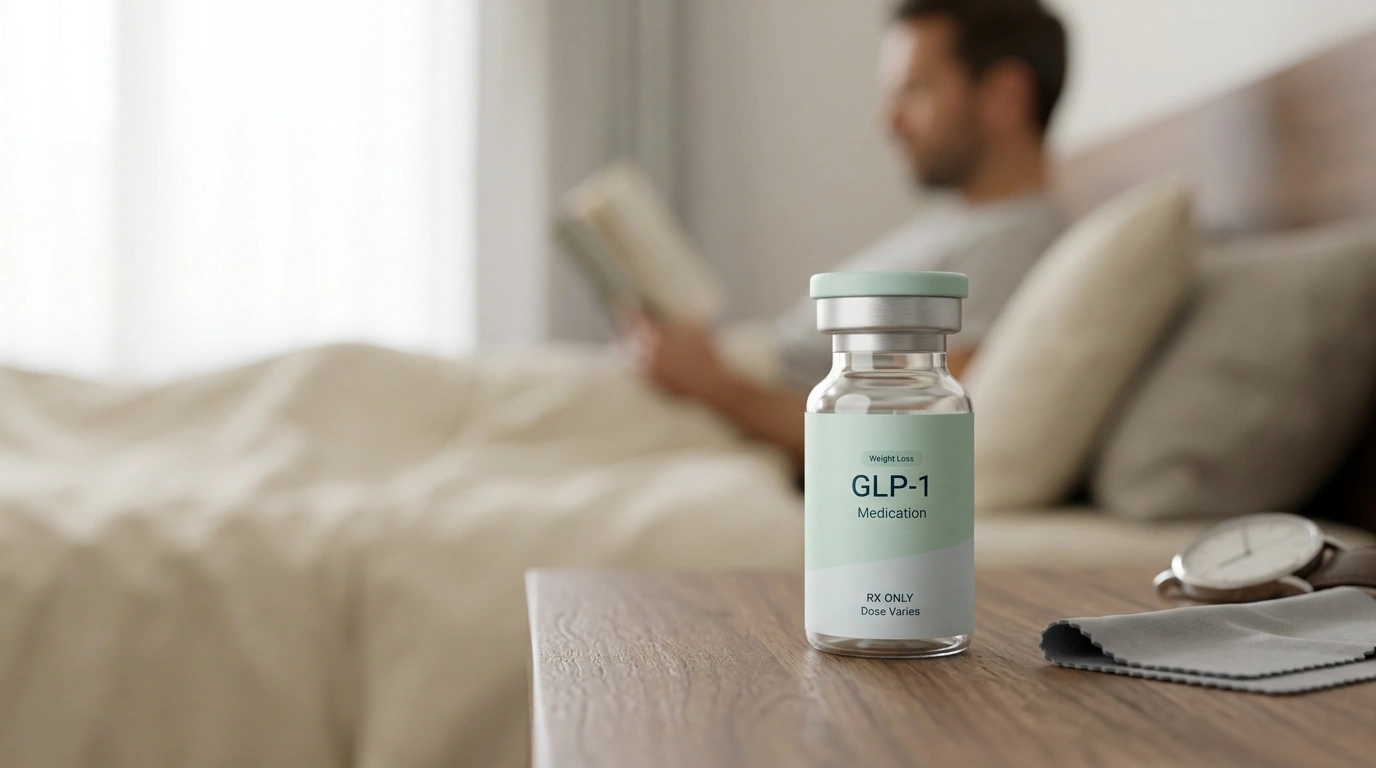
Many individuals starting a weight loss journey find themselves surprised by a sudden shift in their habits. You might sit down for a meal, order your usual glass of wine, and realize after two sips that you simply don’t want any more. This phenomenon has sparked a wave of curiosity among patients and researchers alike. At TrimRx, we focus on how GLP-1 medications help regulate appetite, but the growing evidence suggests these treatments may also influence how the brain responds to other rewards, including alcohol.
This article examines recent clinical studies and anecdotal reports, including our semaglutide and alcohol guide, regarding semaglutide and alcohol cravings. We will explore how these medications interact with the brain’s reward system and what this means for individuals pursuing sustainable weight management. Our goal is to provide a clear, evidence-based look at how these medications may support a healthier lifestyle beyond just the scale. Emerging research suggests that the same biological pathways that control hunger may also play a role in dampening the urge to consume alcohol.
Quick Answer: While Ozempic® is currently FDA-approved for type 2 diabetes and Wegovy® for weight loss, early clinical research and patient reports suggest that semaglutide may significantly reduce alcohol cravings and consumption. These effects are likely due to the medication’s impact on the brain’s reward centers, specifically by modulating dopamine responses associated with addictive behaviors.
What Are GLP-1 Medications?
To understand how a medication might affect alcohol cravings, we must first understand what it does in the body. Ozempic® is a brand-name version of semaglutide, which belongs to a class of drugs called glucagon-like peptide-1 (GLP-1) receptor agonists. These medications mimic a hormone that your body naturally produces after you eat.
Originally, these treatments were developed to manage blood sugar in people with type 2 diabetes. However, researchers soon noticed that patients were losing significant amounts of weight. This led to the development of other semaglutide-based medications specifically for weight management. These medications work by slowing down the digestive process and sending signals to the brain that the body is satisfied and full.
When we talk about semaglutide, we are referring to the active ingredient that interacts with your biological systems. To go deeper on the hormone itself, see our GLP-1 explainer. Whether delivered through branded options or through compounded semaglutide from FDA-registered, inspected compounding pharmacies, the primary mechanism remains the same. The medication targets specific receptors in the brain and gut to help regulate metabolic health.
The Science of Cravings and the Reward System
The human brain is wired to seek out rewards. This “reward system” is what kept our ancestors alive by encouraging them to seek out high-calorie foods. However, in the modern world, this same system can become overactive. When you eat something sweet or drink alcohol, your brain releases a chemical called dopamine.
For a broader look at the mechanism behind appetite changes, read our guide to how GLP-1 actually works for weight loss. Dopamine is often called the “feel-good” hormone. It provides a surge of pleasure that tells your brain, “That was great, let’s do it again.” Over time, this cycle can lead to intense cravings. If you find yourself constantly thinking about a specific food or an evening drink, it is often because your dopamine pathways are driving that behavior.
How GLP-1s Affect the Reward Circuit
Research indicates that GLP-1 receptors are not just in the gut; they are also located in the areas of the brain responsible for motivation and reward. Specifically, they are found in the ventral striatum. When a GLP-1 medication like semaglutide is present, it appears to dampen the dopamine spike that usually follows a “rewarding” activity.
If the dopamine surge is smaller, the activity becomes less satisfying. For many people, this means the “need” to finish a bottle of wine or have a second or third drink begins to fade. The brain is effectively being told that the reward isn’t as high-priority as it used to be. This helps break the cycle of impulsive or compulsive consumption.
Key Takeaway: Semaglutide works by interacting with the brain’s reward centers to lower the dopamine “spike” associated with cravings, making addictive or impulsive behaviors feel less rewarding.
Clinical Research on Alcohol Consumption
While many reports of reduced drinking were initially anecdotal, scientists have begun conducting formal trials to see if the data matches the stories. A significant study recently published in JAMA Psychiatry looked specifically at this issue. Researchers followed 48 adults with alcohol use disorder over a nine-week period.
The participants were split into two groups: one received semaglutide and the other received a placebo. The results were notable. Those taking the medication showed a significant reduction in:
- The total amount of alcohol consumed per week.
- The number of “heavy drinking” days.
- The intensity of daily cravings for alcohol.
The study also noted that the effects seemed to get stronger as the dosage increased over time. Interestingly, even at lower doses typically used for starting a weight loss program, the reduction in cravings was observable. This suggests that the medication’s impact on the brain happens relatively quickly, even before significant weight loss occurs.
The Connection Between Alcohol and Weight Loss
For many people, alcohol is a major roadblock to achieving weight loss goals. Alcohol contains “empty calories,” meaning it provides energy without providing any nutritional value. Furthermore, alcohol can lower inhibitions, which often leads to impulsive eating and poor food choices.
If semaglutide can help reduce the desire for alcohol, it provides a double benefit for weight management. First, it eliminates the calories from the drinks themselves. Second, it helps maintain the mental clarity needed to stick to a nutritional plan. If you want personalized guidance, take the free assessment quiz to see whether a GLP-1 program is appropriate for you.
At TrimRx, our programs are designed to look at the whole person. We recognize that metabolic health isn’t just about what you eat; it’s about how your body and brain communicate. By using medications that support the body’s natural GLP-1 pathways, we help patients address the biological roots of overconsumption.
Is It Safe to Combine GLP-1s and Alcohol?
While the medication may reduce your desire to drink, it is important to consider the safety implications of mixing the two. There are several biological reasons why caution is necessary.
1. Increased Sensitivity to Effects Because semaglutide slows down gastric emptying (the rate at which food and liquid leave your stomach), alcohol may stay in your system longer. Some people report feeling the effects of alcohol more intensely or experiencing a different type of “hangover” than they are used to.
2. Increased Risk of Side Effects The most common side effects of GLP-1 medications are gastrointestinal, such as nausea, vomiting, and diarrhea. Alcohol is also an irritant to the stomach lining. Combining the two can significantly worsen these symptoms, making it difficult to tolerate the medication or stay hydrated.
3. Pancreatitis Risk There is a known, though rare, risk of pancreatitis (inflammation of the pancreas) associated with GLP-1 medications. Heavy alcohol use is also a leading cause of pancreatitis. Combining a GLP-1 medication with heavy drinking may increase this risk. It is essential to consult with a licensed healthcare provider about your history of alcohol use before starting any new medication.
Bottom line: While semaglutide may help you drink less, you should always be cautious. Combining alcohol with GLP-1 medications can increase the risk of nausea and more serious complications like pancreatitis.
Managing Side Effects While on a Program
If you are using a GLP-1 medication through a telehealth platform, you have the advantage of regular monitoring. When patients report a decrease in alcohol cravings, it is usually seen as a positive step toward metabolic health. However, if you do choose to have a drink, we recommend following these steps:
- Hydrate aggressively: GLP-1s can make you prone to dehydration, and alcohol worsens this.
- Eat first: Never drink on an empty stomach, especially since these medications slow digestion.
- Listen to your body: If you feel a “stop” signal after a few sips, honor it.
- Monitor your mood: Some people experience changes in mood when their reward pathways are altered.
Our specialists often suggest using targeted support, such as our GLP-1 Daily Support supplement, to ensure your body is getting the essential nutrients it needs while your appetite and cravings are changing. These supplements are designed to work alongside your program to keep your energy levels stable.
The Future of GLP-1s and Addiction Research
The potential for semaglutide to help with alcohol cravings is just the beginning. Researchers are now looking into whether these drugs can help with other compulsive behaviors. There are ongoing studies investigating the use of GLP-1s for smoking cessation, opioid use, and even gambling addiction.
If you want a practical overview of tolerability before starting treatment, our Common GLP-1 Side Effects: What to Expect guide is a helpful next read. This shift in perspective—viewing weight loss medications as “craving modulators”—could change the way we approach metabolic health. It moves the conversation away from “willpower” and toward “biology.” If we can help the brain feel satisfied with less, the struggle to maintain a healthy weight becomes much more manageable.
Understanding the Difference: Branded vs. Compounded
When exploring options for weight loss and craving management, you will encounter many names. Ozempic® and Wegovy® are branded medications that have undergone specific FDA approval processes for their labeled indications (diabetes and weight loss, respectively). TrimRx does not sell or ship these branded products directly.
Instead, we connect patients with licensed healthcare providers who can evaluate their health history. If appropriate, these providers may prescribe compounded semaglutide or compounded tirzepatide. These medications are prepared by FDA-registered, inspected compounding pharmacies. If you are comparing options, our tirzepatide guide explains how it fits into treatment planning.
This personalized approach ensures that you are receiving a program tailored to your specific needs. Every individual responds differently to medication, and having 24/7 access to a dedicated team of specialists helps you navigate these changes safely and effectively.
Step-by-Step: Starting a Personalized Program
If you are interested in exploring how these medications might help you manage your weight and cravings, the process is straightforward and entirely online.
Step 1: Complete the free assessment quiz. This quiz asks about your health history, your weight loss goals, and your current lifestyle. It helps our affiliated providers determine if a GLP-1 medication is a safe and appropriate option for you.
Step 2: Consult with a licensed provider. A healthcare professional will review your information. There are no waiting rooms or in-person visits required. If you want a closer look at the process, our telehealth guide for GLP-1 prescriptions explains how the virtual visit works. This is the time to mention any concerns about cravings or your history with alcohol.
Step 3: Receive your personalized plan. If approved, your medication will be shipped directly to your door from a licensed pharmacy. All shipping, supplies, and medical support are included in one consistent program.
Step 4: Ongoing support and monitoring. As your body adjusts, our team is available to help you manage side effects and optimize your results. You can reach out at any time with questions about your dosage or how you are feeling.
Why Personalization Matters
No two bodies are exactly the same. Some people experience a total loss of interest in alcohol within the first week, while others may only notice a subtle change over several months. This is why a “one size fits all” approach rarely works for long-term weight loss.
By working with a platform that prioritizes clinical expertise and modern technology, you get a program that evolves with you. Our mission at TrimRx is to help you embrace a healthier lifestyle through science and empathy. We understand that the emotional weight of a weight loss journey is real, and we are here to guide you through every step of the process.
Key Takeaway: Effective weight loss involves more than just a prescription; it requires a personalized approach that addresses the biological and behavioral aspects of health, including the management of cravings.
Conclusion
The evidence regarding whether Ozempic® and other semaglutide medications can help with alcohol cravings is incredibly promising. By targeting the reward centers of the brain and dampening the dopamine response, these medications may help individuals reduce their alcohol intake and regain control over their habits. This not only supports significant weight loss by reducing liquid calories but also improves overall metabolic health.
However, these medications are powerful tools that require medical supervision. It is vital to work with licensed professionals who can monitor your progress and ensure you are using the treatment safely. At TrimRx, we are committed to providing that high level of care through our telehealth platform, merging clinical excellence with a supportive, personalized experience.
If you are ready to see how a science-backed program can change your relationship with food and cravings, the next step is simple.
- Check your eligibility with the free assessment quiz.
- Explore our quick-access supplements like Weight Loss Boost supplement for additional support.
- Connect with our team to start your journey toward a healthier, more balanced life.
FAQ
Does Ozempic stop you from wanting to drink alcohol?
Many patients report a significant decrease in their desire for alcohol shortly after starting semaglutide. This occurs because the medication interacts with the brain’s reward system, making the consumption of alcohol feel less satisfying and reducing the urge to drink.
Is semaglutide FDA-approved for treating alcohol use disorder?
No, semaglutide is currently FDA-approved only for the treatment of type 2 diabetes (as Ozempic®) and chronic weight management (as Wegovy®). Using it specifically for alcohol cravings is considered “off-label,” although clinical trials are currently underway to investigate this use further.
Can I drink alcohol while taking compounded semaglutide?
While you can technically drink, it is generally advised to be very cautious. Alcohol can increase the risk of gastrointestinal side effects like nausea and may increase the risk of pancreatitis, so it is important to discuss your alcohol consumption with your healthcare provider.
How long does it take for cravings to go away on Ozempic?
The timeline varies for everyone, but some individuals report a reduction in cravings within the first few weeks of treatment. As the dosage is gradually increased according to your personalized program, the impact on the brain’s reward centers typically becomes more pronounced.
If you are deciding whether semaglutide is right for you, start with the free assessment quiz for a personalized review of your options.
Disclaimer: This content is for informational purposes only and does not constitute medical advice. It is not intended to diagnose, treat, cure, or prevent any disease or condition. Individual results may vary. Always consult a qualified healthcare professional before starting any weight loss program or medication.

Transforming Lives, One Step at a Time
Keep reading

Why Does My Ozempic Injection Sting More Some Weeks Than Others?
Because more variables change between injections than most people realize. Temperature of the medication, which site you used, how deep the needle went, how…
How to Store Your Ozempic Pen During a Power Outage
Keep the refrigerator door closed. An unopened refrigerator holds a safe temperature for roughly four hours, and a full freezer holds for considerably longer….
I Left My Ozempic Out Overnight. Is It Still Okay?
Usually yes, if it is a pen you had already started using and it sat at ordinary room temperature. Branded semaglutide pens are labeled…


