Does Ozempic Help With Loose Skin? What to Expect and How to Manage It
Introduction
Reaching your weight loss goals is a monumental achievement that deserves celebration. However, for many individuals using GLP-1 medications like Ozempic®, the joy of seeing a lower number on the scale is often met with a new, unexpected frustration: loose or sagging skin. If you have noticed that your skin feels less firm or appears “deflated” after starting your journey, you are certainly not alone.
At TrimRx, we understand that weight loss is about more than just the numbers; it is about feeling confident and healthy in your own body. This article will explore why skin laxity happens during rapid weight loss, whether medications like Ozempic® can help tighten skin, and what practical steps you can take to manage these changes. Our goal is to provide a clear roadmap so you can navigate your metabolic health journey with realistic expectations and the right support. If you are considering a personalized approach, take the free assessment quiz to see how you can get started.
Quick Answer: Ozempic® does not directly help with loose skin. In fact, because it facilitates rapid weight loss, it can often lead to increased skin laxity (sagging) because the skin cannot always retract as quickly as the fat is lost.
Does Ozempic Help With Loose Skin?
The short answer is no; Ozempic® does not have a clinical mechanism to tighten or “help” with loose skin. To understand why, we have to look at what the medication is and how it interacts with your body.
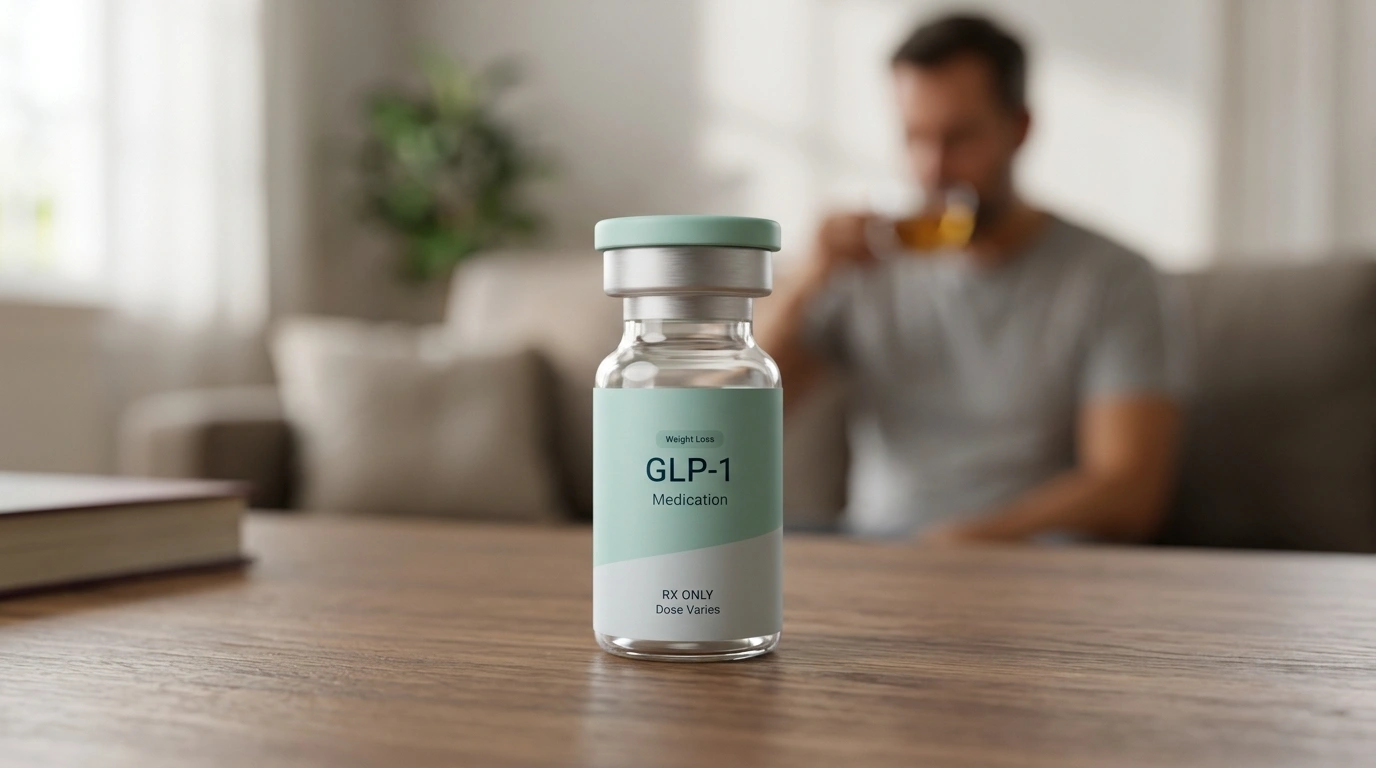
Ozempic® is a brand-name medication containing semaglutide for weight loss. Semaglutide belongs to a class of drugs called GLP-1 receptor agonists (glucagon-like peptide-1). A receptor agonist is a substance that mimics a natural hormone in your body. In this case, it mimics the GLP-1 hormone that regulates appetite and slows down how fast your stomach empties. By making you feel fuller for longer and reducing hunger signals in the brain, it helps you eat less and lose weight.
To understand the bigger picture of that hormone pathway, it helps to know what GLP-1 is. While semaglutide is highly effective at reducing body fat, it does not interact with the proteins in your skin that provide structure, such as collagen and elastin. Therefore, the medication itself does not offer any “skin-tightening” benefits. In many cases, the faster the weight loss occurs, the more visible the loose skin becomes.
Why Rapid Weight Loss Leads to Sagging Skin
To understand why your skin might sag after using GLP-1 medications, it helps to think of your skin like a balloon. When a balloon is inflated for a long time, the material stretches out. If you let the air out slowly, the material might retain some of its original shape, but if you deflate it quickly after it has been stretched for years, the material becomes wrinkled and loose.
How GLP-1 actually works for weight loss helps explain why the pace of change matters so much. When appetite drops and calorie intake falls quickly, the body can shed fat faster than the skin can adapt and retract.
The Role of Collagen and Elastin
Your skin relies on two primary proteins to stay firm and bouncy: collagen and elastin. Collagen provides the structural “glue” that keeps skin strong, while elastin allows the skin to snap back after being stretched. As we age, our bodies naturally produce less of these proteins.
When an individual carries extra weight for an extended period, the skin’s collagen and elastin fibers become overstretched and damaged. When rapid weight loss occurs—which is common with medications like Ozempic® or Wegovy®—the subcutaneous fat (the fat just beneath the skin) disappears faster than the skin can repair and retract.
The Impact of Muscle Loss
Another factor often overlooked is muscle mass. When people lose weight quickly, they often lose a combination of fat and muscle. Muscle provides the “filler” that keeps skin looking taut. If you lose a significant amount of muscle alongside fat, there is less internal structure to support the skin, making sagging appear much more pronounced.
If you want a deeper look at preserving lean tissue during treatment, GLP-1 and bodybuilding: how to preserve muscle mass while losing fat is a helpful next read.
Key Takeaway: Loose skin is a byproduct of the speed and volume of weight loss, not a side effect of the medication’s chemical composition. The skin simply cannot keep up with the rapid reduction of fat cells.
The “Ozempic Face” and “Ozempic Neck” Phenomenon
You may have heard the terms “Ozempic face” or “Ozempic neck” circulating on social media. These are not medical terms, but rather descriptive phrases used to identify the hollowing or sagging that can occur in the face and neck during treatment.
Ozempic face refers to the gaunt or aged appearance that happens when facial fat pads diminish. We have fat pads in our cheeks and around our eyes that provide a youthful, plump look. When these pads shrink rapidly, it can lead to:
- Sunken eyes or hollowed cheeks.
- More visible fine lines and wrinkles.
- Jowls or sagging around the jawline.
Ozempic neck describes the “turkey neck” or crepey skin texture that develops under the chin. Because the skin on the neck is thinner than on many other parts of the body, it is often one of the first places where loss of elasticity becomes apparent.
It is important to remember that these changes can happen with any form of rapid weight loss, including bariatric surgery or intensive dieting. The medication is simply the tool that facilitates the speed of that loss.
Strategies to Minimize Loose Skin During Your Journey
While you may not be able to avoid all skin laxity, especially if you have a significant amount of weight to lose, there are several ways to support your skin’s health and encourage better retraction.
1. Aim for Gradual, Steady Progress
The faster you lose weight, the harder it is for your skin to adapt. Working with a healthcare provider to find a dosage that allows for a steady loss of 1 to 2 pounds per week—rather than much larger amounts—can give your skin more time to adjust. Our personalized programs focus on finding that “sweet spot” where you are losing weight effectively without putting undue stress on your body’s tissues.
2. Prioritize Protein Intake
Protein is essential for maintaining lean muscle mass and supporting the production of collagen. When your body is in a calorie deficit, it may look to your muscles for energy. Consuming adequate protein helps protect your muscles, which in turn helps fill out the skin.
- Aim for high-quality sources like lean meats, fish, beans, and Greek yogurt.
- Consider the best protein for weight loss if you struggle to meet your daily requirements due to a reduced appetite.
3. Incorporate Strength Training
Resistance training is one of the most effective ways to combat loose skin. By building or maintaining muscle, you are creating a firm foundation underneath the skin. While you won’t necessarily “fill” all the loose skin with muscle, a toned physique can significantly improve the overall appearance of sagging areas like the arms, thighs, and abdomen.
4. Hydration and Micronutrients
Dehydrated skin is less elastic. Drinking plenty of water is vital for skin health. Additionally, certain vitamins and minerals play a role in collagen synthesis:
- Vitamin C: Essential for collagen production.
- Zinc: Supports skin repair and cell growth.
- Omega-3 Fatty Acids: Help maintain the skin’s moisture barrier.
For those looking to bridge the gap in their nutrition, we offer a GLP-1 Daily Support supplement designed to provide the essential nutrients that can sometimes be lacking when your appetite is significantly reduced.
5. Consistent Skincare
While lotions cannot fix severe sagging, they can improve the texture and “crepiness” of the skin surface. Look for products containing retinoids, which encourage cell turnover and collagen production, or hyaluronic acid, which helps the skin retain moisture.
Bottom line: Protecting your muscle mass through protein and exercise is the single most important lifestyle factor in managing skin laxity during weight loss.
Professional Treatment Options for Skin Laxity
If you have already reached your goal weight and find that lifestyle changes aren’t enough to address the loose skin, there are various medical and aesthetic treatments available. These generally fall into two categories: non-surgical and surgical.
Non-Surgical and Minimally Invasive Treatments
These options are best for mild to moderate skin laxity. They work by using energy to “injure” the deeper layers of the skin, which triggers the body’s natural healing response and stimulates new collagen growth.
| Treatment Type | How It Works | Best For |
|---|---|---|
| Radiofrequency (RF) | Uses heat to tighten existing collagen and stimulate new growth. | Mild sagging on the face, neck, or stomach. |
| Microneedling with RF | Combines tiny needles with heat to reach deeper layers of the dermis. | Improving texture, scars, and moderate laxity. |
| Ultrasound Therapy | Uses focused ultrasound energy to lift and tighten skin. | Brow, neck, and under-the-chin areas. |
| Laser Resurfacing | Removes outer layers of skin and heats underlying layers. | Fine lines and surface-level “crepey” skin. |
Surgical Options
For individuals who have experienced massive weight loss (typically 50 pounds or more), surgical intervention is often the only way to remove significant “aprons” of excess skin. These procedures are collectively known as body contouring.
- Tummy Tuck (Abdominoplasty): Removes excess skin and tightens abdominal muscles.
- Arm Lift (Brachioplasty): Addresses “bat wings” or sagging under the upper arms.
- Thigh Lift: Reshapes the legs by removing skin from the inner or outer thighs.
- Lower Body Lift: A more extensive procedure that addresses the abdomen, buttocks, and hips.
- Facelift/Neck Lift: Repositions underlying tissues and removes excess skin from the lower face and neck.
Before considering surgery, most medical professionals recommend that you maintain a stable weight for at least six months. This ensures that your body has finished its major changes and that the surgical results will be long-lasting.
How TrimRx Supports Your Whole Transformation
We believe that successful weight loss is about more than just a prescription. Our platform is designed to provide a comprehensive experience that looks at the big picture of your health. When you start a personalized program with us, you aren’t just getting access to medication; you are getting a dedicated team that understands the nuances of the journey.
Our approach includes:
- Clinical Expertise: We connect you with licensed providers who can help you manage your dosage to ensure your weight loss is safe and sustainable.
- Transparency: We provide clear guidance on what to expect, including potential side effects and how to manage them.
- Supportive Supplements: Products like our Weight Loss Boost supplement are available to help you maintain your energy as your body changes.
- Convenience: Our telehealth-first model means you can get the support you need from the comfort of home, without the stress of waiting rooms or in-person visits.
By focusing on a personalized, medically supervised plan, we help you lose weight in a way that prioritizes your long-term well-being and helps you feel better in your skin.
The Psychological Impact of Loose Skin
It is important to acknowledge the emotional side of this issue. Many people feel a sense of “identity confusion” when their body changes so quickly. You may have worked incredibly hard to lose the weight, only to feel self-conscious about the skin that remains.
Please remember that loose skin is a physical record of the work you have done to improve your health. It is a sign of a smaller, healthier version of yourself. If you find that loose skin is significantly affecting your mental health or self-esteem, consider speaking with a professional or joining a support group of others who have navigated similar weight loss journeys. Focusing on your increased mobility, better energy, and improved health markers can help balance the frustration of aesthetic changes.
Next Steps for Your Weight Loss Journey
If you are just beginning your journey or are currently noticing changes in your skin, here is a simple action plan to follow:
- Assess Your Goals: Are you losing weight too fast? If you are losing more than 3 pounds a week consistently, talk to your provider about adjusting your plan.
- Check Your Protein: Track your food for a few days to ensure you are hitting protein targets (often 0.8g to 1g of protein per pound of target body weight).
- Start Moving: Even light resistance training with bands or body weight can help maintain muscle mass.
- Stay Informed: Keep an open dialogue with your healthcare provider about any concerns you have regarding skin laxity or facial gauntness.
If you are looking for a weight loss program that treats you as an individual, we invite you to take the free assessment quiz. Our process begins with a simple, free assessment that helps us understand your unique health profile.
Conclusion
While Ozempic® and other GLP-1 medications are not a direct cure for loose skin, they are powerful tools for achieving a healthier weight and improving metabolic health. Loose skin is a common, manageable byproduct of success. By prioritizing muscle preservation, maintaining proper nutrition, and choosing a steady pace of weight loss, you can support your skin through this transition.
At TrimRx, our mission is to help you navigate these changes with science, empathy, and personalized care. We believe that everyone deserves to feel comfortable and confident as they embrace a healthier lifestyle. Whether you are looking for medical supervision or targeted nutritional support, we are here to guide you through every stage of your transformation.
Take the next step: Are you ready for a personalized approach to weight loss? Take our free assessment quiz to see which program is right for your goals.
FAQ
Does Ozempic tighten skin while you lose weight?
No, Ozempic® does not have any properties that tighten skin. The medication is designed to help with weight loss by regulating appetite and blood sugar, but it does not affect skin elasticity or collagen production directly.
Can I avoid loose skin if I lose weight on a GLP-1 medication?
While it may not be entirely avoidable for everyone, you can minimize loose skin by losing weight gradually (1-2 pounds per week), eating plenty of protein for weight loss to protect muscle mass, staying hydrated, and doing regular strength training exercises.
Will loose skin go away on its own after I reach my goal?
Small amounts of loose skin may retract slightly over time, especially in younger individuals with better skin elasticity. However, significant amounts of excess skin resulting from major weight loss usually require professional non-surgical treatments or surgery to remove.
Is “Ozempic Face” a permanent condition?
“Ozempic face” is caused by the loss of facial fat pads during weight loss. If the weight is regained, the face may fill out again; however, if the weight loss is maintained, the changes can be permanent unless addressed with aesthetic treatments like dermal fillers or skin-tightening procedures.
Disclaimer: This content is for informational purposes only and does not constitute medical advice. It is not intended to diagnose, treat, cure, or prevent any disease or condition. Individual results may vary. Always consult a qualified healthcare professional before starting any weight loss program or medication.

Transforming Lives, One Step at a Time
Keep reading

Why Does My Ozempic Injection Sting More Some Weeks Than Others?
Because more variables change between injections than most people realize. Temperature of the medication, which site you used, how deep the needle went, how…
How to Store Your Ozempic Pen During a Power Outage
Keep the refrigerator door closed. An unopened refrigerator holds a safe temperature for roughly four hours, and a full freezer holds for considerably longer….
I Left My Ozempic Out Overnight. Is It Still Okay?
Usually yes, if it is a pen you had already started using and it sat at ordinary room temperature. Branded semaglutide pens are labeled…


