Does Ozempic Help With Alcohol Cravings? What to Know
Introduction
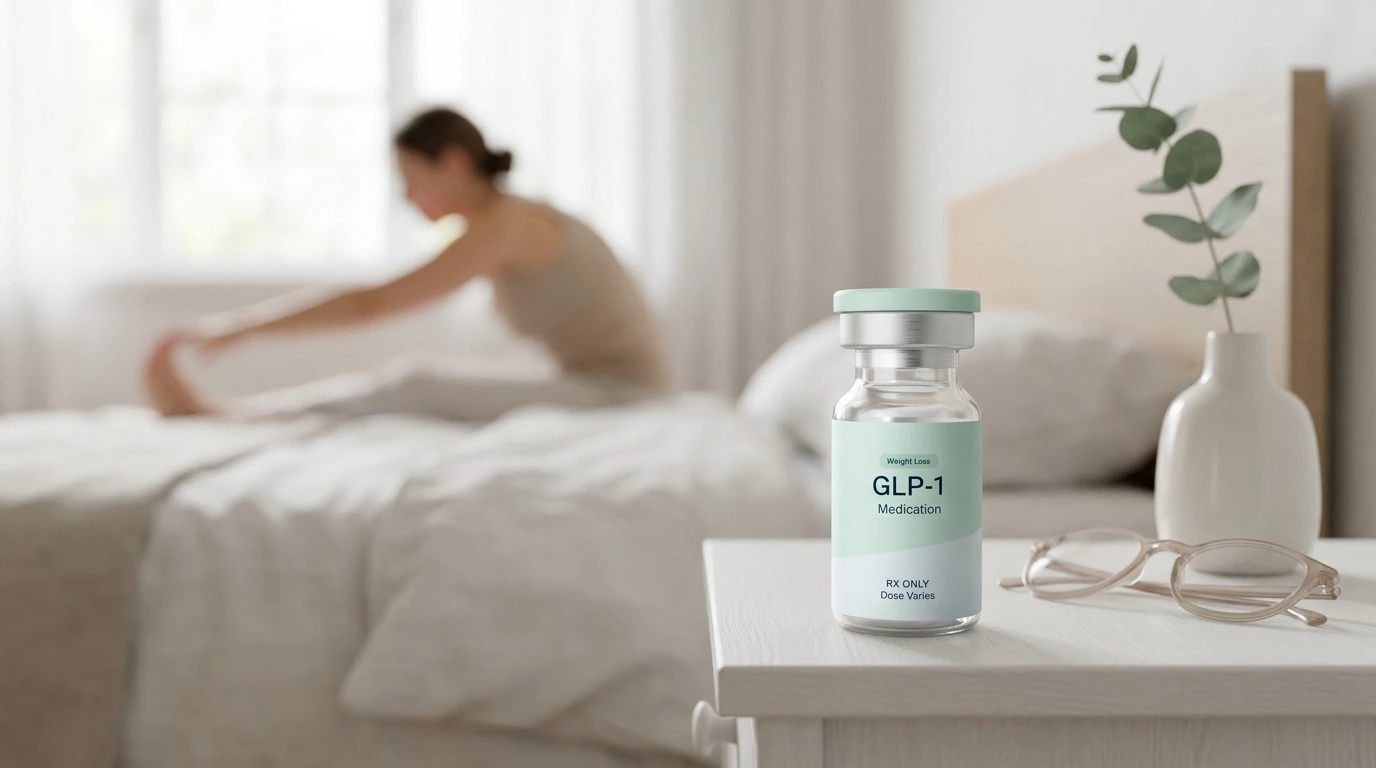
Many people who begin a weight loss journey with GLP-1 medications are surprised to find that their interest in a nightly glass of wine or a weekend beer suddenly vanishes. While these medications were originally designed to manage blood sugar and weight, a growing number of individuals report a significant “quieting” of the internal noise associated with alcohol. This phenomenon has moved beyond simple anecdotes and is now the subject of rigorous clinical research.
At TrimRx, we believe that understanding the full scope of how these treatments affect your body and habits is essential for long-term success. This article explores current research regarding how medications like Ozempic® may influence alcohol urges, the science behind the brain’s reward system, and how a free assessment quiz can help you navigate these changes. As we look at the data, it becomes clear that the relationship between metabolic health and behavioral cravings is more connected than once thought.
For a broader foundation, our guide to what GLP-1 is breaks down the hormone behind these medications.
The Brain Connection: Why Appetite and Cravings Overlap
To understand if Ozempic® helps with alcohol cravings, we must first look at how the brain processes rewards. If you want the larger metabolic context, our explainer on how GLP-1 works for weight loss helps explain why appetite and cravings overlap.
Dopamine is often called the “feel-good” chemical, but it is more accurately described as the “do-it-again” signal. When you eat something highly palatable—like a sugary snack—or consume alcohol, your brain releases a surge of dopamine in a region called the striatum. This surge reinforces the behavior, telling your body that the substance is rewarding and that you should seek it out again.
The Role of GLP-1 Receptors
Ozempic® and its active ingredient, semaglutide, are GLP-1 receptor agonists. A receptor agonist is a substance that mimics a naturally occurring hormone in the body—in this case, glucagon-like peptide-1 (GLP-1). While these receptors are found in the gut to help regulate digestion and insulin, they are also located in the brain’s reward centers.
When a GLP-1 medication activates these receptors in the brain, it appears to dampen the dopamine “spike” that typically follows alcohol consumption. Instead of feeling a rush of pleasure or a strong motivation to keep drinking, many people find that the reward is diminished. This essentially makes the alcohol feel less “rewarding,” which can lead to a natural reduction in cravings.
Key Takeaway: GLP-1 medications work by mimicking a hormone that interacts with the brain’s reward center, potentially lowering the dopamine response that makes alcohol feel impulsive or addictive.
What the Research Says About Semaglutide and Alcohol
The scientific community has recently provided data that supports the anecdotal reports we have heard for years. A significant study published in JAMA Psychiatry in 2024 examined whether semaglutide could specifically help individuals with alcohol use disorder (AUD). For a closer look at the topic, see our article on semaglutide and alcohol.
Findings from the Clinical Trial
The study followed a group of adults who met the criteria for AUD but were not actively seeking treatment at the time. Over nine weeks, participants received either semaglutide or a placebo. The results were striking:
- Reduced Cravings: Those taking semaglutide reported significantly lower weekly alcohol cravings compared to the placebo group.
- Fewer Heavy Drinking Days: The frequency of “heavy drinking days” (defined as four or more drinks for women or five or more for men) dropped more sharply in the semaglutide group.
- Lower Quantity: Even when participants chose to drink, they consumed less overall than those who were not on the medication.
What makes this research particularly interesting is that the effects were observed even at low clinical doses. This suggests that the medication’s impact on the brain occurs quite early in the treatment process, often before the highest maintenance doses are reached.
Real-World Observations
Beyond clinical trials, large-scale reviews of electronic health records have shown similar trends. One massive study involving over 800,000 patients found that people prescribed GLP-1 medications like semaglutide or tirzepatide were 50% less likely to have documented alcohol intoxication episodes compared to those not on the medications.
Bottom line: Clinical evidence and real-world data both suggest that semaglutide may support a significant reduction in alcohol consumption by altering the way the brain responds to the urge to drink.
Compounded vs. Branded Medications
It is important to distinguish between the various forms of GLP-1 medications available today. Ozempic® and Wegovy® are branded versions of semaglutide that have received FDA approval for specific indications like type 2 diabetes and chronic weight management.
At TrimRx, we connect our patients with licensed healthcare providers who may prescribe compounded semaglutide or tirzepatide. It is vital to understand that compounded medications are not FDA-approved. However, the medications we facilitate are prepared in FDA-registered and inspected compounding pharmacies to ensure high standards of quality and safety.
Why Choose a Personalized Program?
Because every individual’s metabolic profile is different, a “one-size-fits-all” approach rarely works. Our platform focuses on personalization. Through a detailed health assessment, we help determine which medication and dosage are most appropriate for your specific goals and medical history. This is particularly important when considering a medication’s impact on lifestyle habits like alcohol consumption.
The Benefits of Reduced Alcohol Intake During Weight Loss
While the “quieting” of alcohol cravings is a fascinating side effect, it also provides a massive practical advantage for anyone trying to lose weight. Alcohol is often a significant barrier to metabolic health for several reasons.
Caloric Impact
Alcohol is calorie-dense, providing roughly seven calories per gram. These are often considered “empty calories” because they provide no nutritional value. Furthermore, alcohol is a liquid, which means the body does not register the calories in the same way it does solid food, making it easy to overconsume.
Metabolic Inhibition
When you consume alcohol, your liver prioritizes breaking down the ethanol because it is a toxin. While the liver is busy processing alcohol, it temporarily stops burning fat and regulating blood sugar effectively. This can lead to a plateau in weight loss, even if you are eating well.
Lowered Inhibitions
We are all familiar with “the munchies” that often accompany drinking. Alcohol lowers inhibitions and increases the appeal of high-calorie, salty, and fatty foods. By reducing the craving for alcohol, GLP-1 medications indirectly help people make better food choices throughout the evening.
Quick Answer: Does Ozempic help with alcohol cravings? Yes, current research and patient reports indicate that semaglutide can reduce the frequency and intensity of alcohol urges by dampening the brain’s reward response to drinking.
Managing the Transition: What to Expect
If you start a program that includes semaglutide or tirzepatide, you may notice a shift in your social habits. This change is generally positive, but it can feel unusual at first.
A Change in Taste
Some individuals report that alcohol actually tastes different once they begin treatment. A beer that once tasted refreshing might suddenly seem overly bitter or metallic. A favorite wine might taste cloyingly sweet. This sensory shift further discourages overconsumption.
Navigating Side Effects
Common side effects of GLP-1 medications include nausea, bloating, and changes in digestion. Alcohol can exacerbate these symptoms. Many people find that drinking even a small amount of alcohol while on semaglutide leads to increased nausea or a “heavy” feeling in the stomach. For a deeper explanation, see our guide to GLP-1 nausea management.
Nutrient Support
Because you may be eating and drinking less, it is crucial to ensure your body still receives the vitamins and minerals it needs. We offer supplements like GLP-1 Daily Support to help fill nutritional gaps and support your body through the metabolic changes associated with weight loss.
Is This the Right Path for You?
If you find that your relationship with alcohol is complicating your health goals, GLP-1 medications may offer a supportive path forward. However, it is important to remember that these medications are not currently FDA-approved as a primary treatment for alcohol use disorder. They are tools for weight management and metabolic health that happen to have a profound impact on cravings.
Eligibility and Safety
Not everyone is a candidate for GLP-1 therapy. Individuals with a history of certain medical conditions, such as medullary thyroid carcinoma or pancreatitis, may need to avoid these medications. For more details on candidacy, see our article on whether you qualify for semaglutide for weight loss. This is why our process begins with a free assessment quiz. This screening helps our partner providers ensure that the program is safe and appropriate for your unique health profile.
The Role of Telehealth
The modern telehealth model used by us eliminates the barriers of traditional weight loss clinics. There are no waiting rooms or awkward in-person weigh-ins. Everything—from the provider consultation to the shipment of medication from an FDA-registered compounding pharmacy—is handled online. If you want to understand the start of treatment a little better, our guide on how to start semaglutide for weight loss walks through the first steps.
Summary of the Action Steps
If you are considering how a GLP-1 program might impact your lifestyle and cravings, here are the steps to take:
- Consult a Professional: Always speak with a healthcare provider about your history with alcohol and your weight loss goals.
- Start the Assessment: Take our free quiz to provide your medical history and health data.
- Monitor Your Response: Pay attention to how your body reacts to various foods and drinks once you start the program.
- Focus on Hydration: Since both alcohol and GLP-1 medications can affect your fluid balance, staying hydrated is essential.
- Prioritize Nutrition: Use high-quality supplements to support your body as your appetite and cravings change.
Conclusion
The evidence suggesting that Ozempic® and other semaglutide-based treatments help with alcohol cravings is growing more robust every day. By interacting with the brain’s reward centers and quieting the dopamine signals that drive impulsive drinking, these medications offer a unique advantage for those looking to reclaim their health.
Our mission at TrimRx is to help you embrace a healthier lifestyle through science, empathy, and a transparent, personalized approach. We provide a telehealth-first platform that connects you with the medical expertise and medications needed for sustainable change. Whether your goal is to lose weight, improve your metabolic markers, or simply find more balance in your daily habits, take the free assessment quiz to see whether the next step is right for you.
Key Takeaway: The “unintended” benefit of reduced alcohol cravings can be a powerful catalyst for weight loss, as it reduces empty calories and helps keep your metabolism focused on burning fat rather than processing toxins.
FAQ
How quickly does semaglutide start reducing alcohol cravings?
Many people report a decrease in the desire to drink within the first few weeks of starting treatment, often while they are still on the initial “starter” dose. However, clinical studies show that the effect may become more pronounced as the dosage is gradually increased over the first two months.
Is Ozempic® FDA-approved specifically to treat alcoholism?
No, Ozempic® is currently FDA-approved for the treatment of type 2 diabetes and to reduce the risk of major cardiovascular events. While researchers are actively studying its use for alcohol use disorder, it is not currently an officially approved indication for the medication.
Will I regain the cravings if I stop taking the medication?
Research into the long-term effects of stopping GLP-1 medications is ongoing. Because these drugs address the biological drivers of cravings, stopping the medication may lead to a return of those urges unless significant behavioral and lifestyle changes have been established during the treatment period.
Can I drink alcohol at all while on a TrimRx program?
While it is generally safe to have an occasional drink, most people find they have a much lower tolerance and a decreased desire for it. Additionally, alcohol can worsen common side effects like nausea, so it is often recommended to limit intake for the best experience and results. For more context, our article on semaglutide and alcohol explains why some people notice a lower tolerance.
Disclaimer: This content is for informational purposes only and does not constitute medical advice. It is not intended to diagnose, treat, cure, or prevent any disease or condition. Individual results may vary. Always consult a qualified healthcare professional before starting any weight loss program or medication.

Transforming Lives, One Step at a Time
Keep reading

How to Store Your Ozempic Pen During a Power Outage
Keep the refrigerator door closed. An unopened refrigerator holds a safe temperature for roughly four hours, and a full freezer holds for considerably longer….
I Left My Ozempic Out Overnight. Is It Still Okay?
Usually yes, if it is a pen you had already started using and it sat at ordinary room temperature. Branded semaglutide pens are labeled…

What Do the Numbers on an Ozempic Pen Actually Mean?
The numbers in the dose window on an Ozempic pen are milligrams of semaglutide, not units. This is the single most important thing to…


