Does Ozempic Help With Stomach Fat?
Introduction
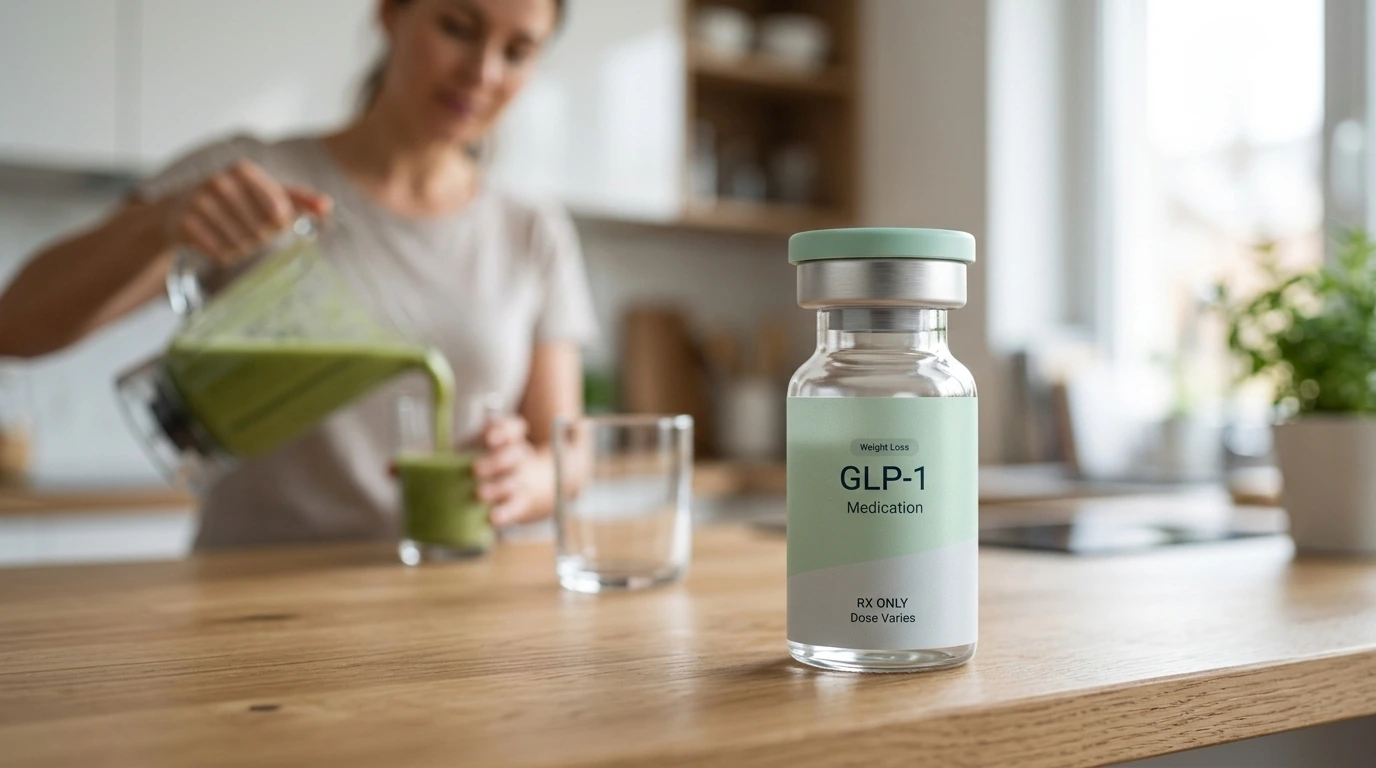
Many of us have stood in front of a mirror, frustrated that despite our best efforts with diet and exercise, the weight around our midsection remains stubbornly in place. Stomach fat is often the most difficult area to address, and it is frequently the primary reason individuals seek out medical support for weight loss. With the rise of GLP-1 medications in recent years, a common question has emerged: does Ozempic help with stomach fat specifically?
At TrimRx, we believe in providing clear, science-backed answers to help you navigate your health journey with confidence. While no medication can “spot-treat” fat in one specific area, clinical evidence suggests that semaglutide—the active ingredient in Ozempic®—can lead to a significant reduction in abdominal fat. This post will explore how these medications interact with your metabolic system, the difference between the types of fat in your midsection, and what you can realistically expect when starting a personalized weight loss program. If you’re curious whether a GLP-1 program could be a fit, take the assessment quiz.
Understanding the Two Types of Stomach Fat
To understand how a medication like Ozempic® impacts your waistline, it is important to first distinguish between the two types of fat found in the abdominal area. Not all “stomach fat” is the same, and they affect your health in very different ways. For a broader primer on this hormone family, what GLP-1 is is a helpful place to start.
Subcutaneous Fat
Subcutaneous fat is the layer of fat located directly under your skin. This is the “pinchable” fat that you can feel with your fingers. While many people find this type of fat aesthetically frustrating, it is generally less harmful to your metabolic health than the fat stored deeper within the body.
Visceral Fat
Visceral fat is stored deep within the abdominal cavity, surrounding your internal organs like the liver, stomach, and intestines. This type of fat is metabolically active and can contribute to systemic inflammation, insulin resistance, and an increased risk of cardiovascular issues. Because it is hidden behind the abdominal wall, it can give the stomach a “firm” or “protruding” appearance even if there isn’t much pinchable fat on the surface.
Key Takeaway: While subcutaneous fat is a cosmetic concern, visceral fat is a clinical concern. Research suggests that GLP-1 medications are particularly effective at reducing visceral fat, which directly improves metabolic health.
How Semaglutide Influences Abdominal Fat
Semaglutide is the active ingredient in Ozempic® and Wegovy®. It belongs to a class of drugs known as GLP-1 receptor agonists (glucagon-like peptide-1). These medications mimic a natural hormone your body produces in the gut when you eat. If you want a deeper breakdown of the mechanism, how GLP-1 works for weight loss explains the basics.
When you take this medication, it works through several pathways to help reduce body fat, including the fat in the stomach area:
- Appetite Regulation: The medication signals to the brain that you are full. This helps reduce “food noise”—those constant, intrusive thoughts about eating—which makes it easier to maintain a calorie deficit.
- Slowing Gastric Emptying: It slows down the speed at which food leaves your stomach. This keeps you feeling physically satisfied for a longer period after a meal.
- Blood Sugar Management: By improving insulin sensitivity and regulating blood sugar levels, the medication helps your body move away from a “fat storage” state and into a “fat burning” state.
When your body is in a consistent calorie deficit and your hormones are balanced, it begins to pull energy from stored fat. Because the abdominal area often contains a high concentration of metabolically active visceral fat, many individuals notice a significant decrease in waist circumference as their overall weight drops.
What the Research Says About Stomach Fat Reduction
Clinical trials have provided substantial evidence regarding the effectiveness of semaglutide for weight loss. In the landmark STEP trials, which looked at semaglutide for weight management, participants lost an average of 15% of their body weight over 68 weeks.
Specific studies using DXA scans—a high-precision imaging technology that measures body composition—have shown that the weight lost on semaglutide isn’t just “water weight” or random tissue. A significant portion of the fat loss comes specifically from the trunk and abdominal region. In fact, research funded by Novo Nordisk (the manufacturer of Ozempic® and Wegovy®) found that participants experienced a reduction in both total fat mass and visceral fat.
Table: Expected Outcomes Based on Clinical Observations
| Timeline | Typical Biological Response | Visible Abdominal Changes |
|---|---|---|
| Weeks 1–4 | Initiation phase; body adjusts to GLP-1 signals. | Modest; mostly reduced bloating. |
| Weeks 5–12 | Increased satiety; consistent calorie deficit. | Initial trimming of the waistline. |
| Months 4–6 | Therapeutic dosing; significant fat oxidation. | Noticeable change in clothing size. |
| 6 Months+ | Long-term metabolic shift. | Significant reduction in visceral and subcutaneous fat. |
Why the Stomach Often Changes First (or Last)
A common point of confusion is why some people see their stomach get smaller almost immediately, while others feel they are losing weight everywhere except their midsection. This usually comes down to individual genetics and the type of fat being lost.
If you have a high amount of visceral fat, you may notice your stomach feels “softer” or less protruding quite early in the process. Because visceral fat is more metabolically active than subcutaneous fat, what GLP-1 does helps explain why some people see changes sooner than others.
Conversely, if your stomach fat is primarily subcutaneous, it may take longer to see a visible change. The body tends to lose subcutaneous fat in a “first in, last out” pattern based on your genetic blueprint. For many, the midsection is the primary storage site, meaning it may be the final area to show dramatic leaning.
Quick Answer: Yes, Ozempic® helps with stomach fat by reducing overall body fat percentage and specifically targeting harmful visceral fat deep in the abdomen. While you cannot “spot-reduce” fat through medication alone, the metabolic shift caused by semaglutide often results in a slimmer waistline over time.
Maximizing Your Results with TrimRx
At TrimRx, we understand that medication is a powerful tool, but it works best when integrated into a personalized, supportive program. Our mission is to help you move beyond the “quick fix” mentality and achieve sustainable metabolic health. If you’re ready to learn whether treatment may be appropriate, see if you qualify for a personalized program.
When you join our program, we don’t just provide access to medication; we provide a pathway to lifestyle change. Through our telehealth platform, you can connect with licensed providers who evaluate your unique health profile. If eligible, you may be prescribed compounded semaglutide or compounded tirzepatide, which are prepared by FDA-registered, inspected compounding pharmacies.
Our approach ensures that your dosage is managed carefully to minimize side effects while helping you work toward that goal of reducing stubborn abdominal fat. By combining clinical expertise with 24/7 specialist access, we ensure you are never alone on your journey.
The Importance of Protein and Resistance Training
When losing a significant amount of weight, there is a risk of losing muscle mass along with fat. This is particularly relevant when using GLP-1 medications, as the rapid reduction in appetite can sometimes lead to inadequate protein intake. If you want a deeper dive into nutrition, what is the best protein for weight loss may help.
Losing muscle can lower your basal metabolic rate, making it harder to maintain your results in the long run. To ensure that the weight you are losing from your stomach is primarily fat, we recommend focusing on two key pillars:
- Prioritize Protein: Aim for high-quality protein at every meal. This helps preserve lean muscle tissue and keeps you feeling full.
- Incorporate Strength Training: You don’t need to be a bodybuilder, but lifting weights or performing bodyweight exercises twice a week signals to your body that it needs to keep its muscle while burning its fat stores.
If you want extra Weight Loss Boost supplement support while staying consistent with workouts, it may be a useful addition to your routine.
Note: Always consult with a healthcare provider before starting a new exercise regimen, especially if you have underlying health conditions or are starting a new medication.
Managing Common Side Effects
While the prospect of losing stomach fat is exciting, it is important to be aware of potential side effects. Most side effects are gastrointestinal in nature and typically occur during the “titration” phase—the period when your provider is slowly increasing your dose.
Commonly reported side effects include:
- Nausea or vomiting
- Diarrhea or constipation
- Abdominal cramping or bloating
- Heartburn or reflux
Many of these symptoms occur because the medication slows down how quickly your stomach empties. If you eat a large, heavy, or high-fat meal, the food stays in your stomach longer, which can lead to discomfort. To support your body during this transition, we often suggest our GLP-1 Daily Support supplement, which is designed to help maintain digestive comfort and nutrient balance.
Comparing Your Options: Branded vs. Compounded
When researching “does Ozempic help with stomach fat,” you will encounter several names. It is important to understand the distinctions between them to make an informed choice for your health.
- Ozempic®: An FDA-approved injectable medication primarily indicated for the treatment of Type 2 diabetes. It contains semaglutide.
- Wegovy®: An FDA-approved injectable medication indicated specifically for chronic weight management. It also contains semaglutide but is available in higher doses than Ozempic®.
- Compounded Semaglutide: This is a customized version of the medication prepared by a licensed compounding pharmacy. While compounded medications are not FDA-approved in the same way branded drugs are, they are often used during periods of drug shortages or when a patient needs a specific dosage. At TrimRx, we only work with FDA-registered and inspected compounding pharmacies to ensure high standards of preparation.
- Mounjaro® and Zepbound®: These medications contain tirzepatide, a “dual-agonist” that targets two different hunger hormones (GLP-1 and GIP). What tirzepatide is and how it works can help clarify why some people compare it to semaglutide.
Bottom Line: Both semaglutide and tirzepatide are effective at reducing abdominal fat. The best choice for you depends on your medical history, goals, and the recommendation of a licensed healthcare professional.
Steps to Starting Your Journey
If you are ready to address stubborn stomach fat and improve your metabolic health, the process should be clear and professional. We have designed our onboarding to be as straightforward as possible.
- Step 1: Take the assessment quiz. This helps our partner providers understand your health history, current BMI, and weight loss goals.
- Step 2: Consult with a provider. A licensed medical professional will review your information to determine if a GLP-1 medication is appropriate for you.
- Step 3: Receive your personalized plan. If approved, your prescription is sent to one of our partner compounding pharmacies.
- Step 4: Medication is shipped to your door. There are no waiting rooms or pharmacy lines. Everything you need is delivered directly to you.
- Step 5: Ongoing Support. You have 24/7 access to specialists to help you manage side effects and adjust your program as needed.
Realistic Expectations for Your Waistline
It is important to remember that while these medications are highly effective, they are not a “magic wand.” Weight loss takes time, and the body does not always lose fat in a perfectly linear way.
In the first month, you might notice that your clothes fit differently primarily because of reduced inflammation and bloating. By months three and four, as you reach therapeutic doses, the actual fat loss becomes more apparent. Consistency is the most important factor. Skipping doses or returning to high-calorie, processed-food diets can stall your progress and lead to the return of “food noise.”
We are here to support you in creating a lifestyle that makes these results permanent. Weight loss is a marathon, and having the right clinical support can be the difference between a temporary change and a lifelong transformation. If you’re ready to take the next step, start with the assessment quiz.
FAQ
How long does it take to see a flatter stomach on Ozempic?
While individual results vary, many people notice a reduction in bloating within the first few weeks. Significant visible fat loss in the abdominal area typically becomes apparent after 8 to 12 weeks of consistent treatment as the body reaches higher therapeutic doses. For more detail on the adjustment period, see our semaglutide side effects guide.
Does Ozempic only get rid of visceral fat?
No, the medication helps reduce total body fat, which includes both visceral fat (around the organs) and subcutaneous fat (under the skin). For a broader overview of the hormone behind this effect, our GLP-1 overview may be helpful. However, because visceral fat is metabolically active, many users see improvements in their waist measurements early in their journey.
Will the stomach fat come back if I stop taking the medication?
Research suggests that obesity is a chronic condition, and many people experience weight regain if they stop the medication without a long-term maintenance plan. To keep the weight off, it is essential to combine the medication with permanent lifestyle changes in nutrition and physical activity.
Is Ozempic better than Wegovy for stomach fat?
Both medications contain the same active ingredient, semaglutide. Wegovy® is FDA-approved specifically for weight loss and is available in higher doses, while Ozempic® is approved for Type 2 diabetes. If you want to understand whether semaglutide treatment is a fit for your situation, our how to qualify for semaglutide guide breaks down the basics. A healthcare provider will determine which version or compounded alternative is most appropriate for your specific needs.
Disclaimer: This content is for informational purposes only and does not constitute medical advice. It is not intended to diagnose, treat, cure, or prevent any disease or condition. Individual results may vary. Always consult a qualified healthcare professional before starting any weight loss program or medication.

Transforming Lives, One Step at a Time
Keep reading

Can You Sunbathe With an Injection Site Bruise on Ozempic?
You can, and the better answer is to cover that specific spot. Ultraviolet light on skin that is actively healing can trigger post-inflammatory hyperpigmentation,…
Can You Swim Right After Injecting Ozempic?
Essentially yes. Once the needle is out and you have held it in place for the recommended few seconds, the medication is in your…

Can You Take Ozempic While Recovering From Surgery?
The timing of restarting is a decision for your surgical team, and it is worth asking before you leave rather than working it out…


