GLP-1 Medications and Addiction: Can They Help With Cravings?
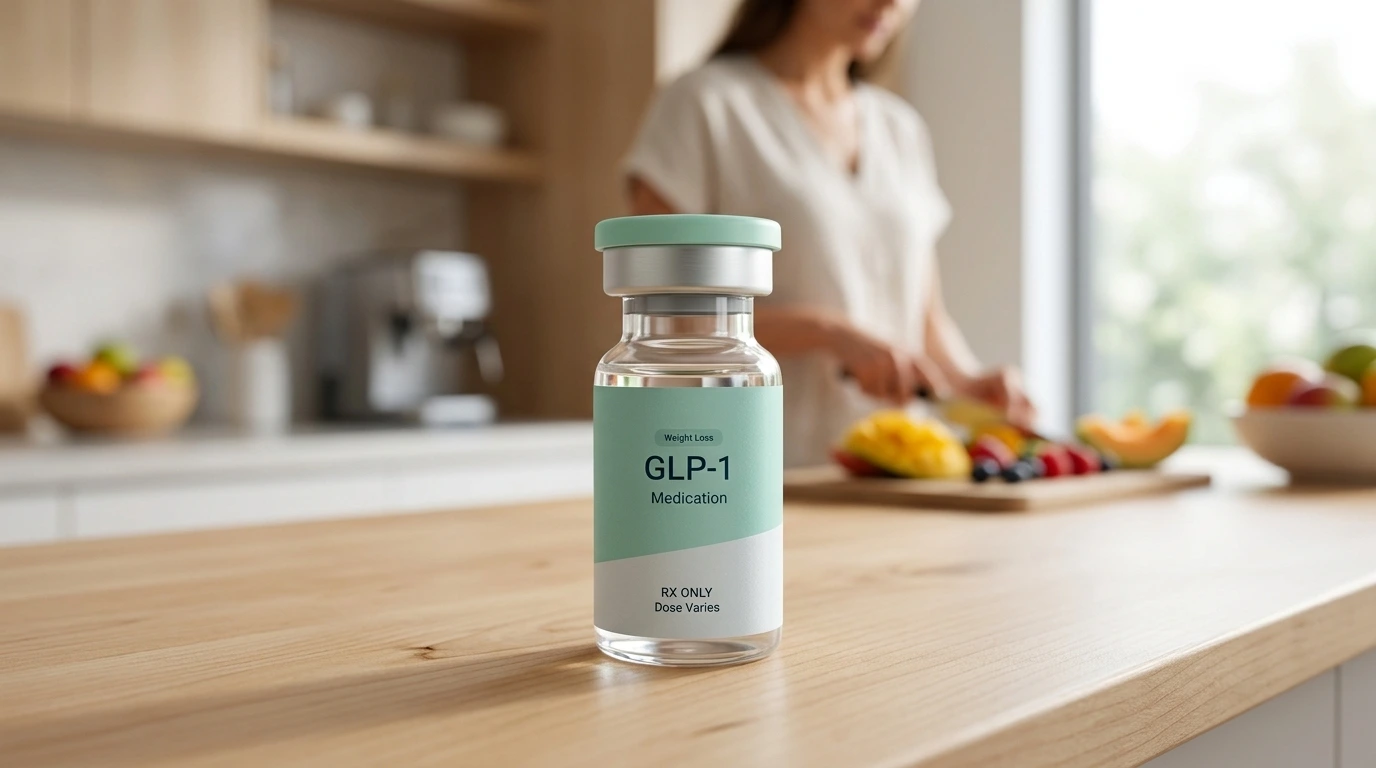
Patients taking semaglutide for weight loss have been reporting something unexpected: reduced cravings not just for food, but for alcohol, cigarettes, and in some cases other substances. Researchers are now taking these reports seriously, and the early science offers a credible biological explanation for why a weight loss medication might affect addictive behavior. Here’s what we know so far.
The Reward System Connection
To understand why GLP-1 medications might influence addiction, you need to understand what food cravings and substance cravings have in common at the neurological level.
Both are processed through the brain’s mesolimbic dopamine system, often called the reward pathway. This system evolved to reinforce behaviors essential for survival, primarily eating, by releasing dopamine in response to pleasurable stimuli. Addictive substances hijack this same pathway, producing dopamine surges that are far more intense than food or other natural rewards, which is part of what makes them so difficult to resist.
GLP-1 receptors are expressed throughout the brain, including in the ventral tegmental area and nucleus accumbens, the two regions at the core of the reward pathway. When GLP-1 receptors in these areas are activated, they appear to modulate dopamine signaling in ways that reduce the motivational drive toward rewarding stimuli, whether that stimulus is a high-calorie food, a drink, or a cigarette.
This is the same mechanism behind what patients on semaglutide describe as the quieting of food noise, the constant mental preoccupation with eating that many people with obesity experience. The emerging hypothesis is that this dampening of reward-seeking behavior isn’t specific to food. It may apply across multiple categories of craving. The concept of food noise and GLP-1 is well-documented in the patient literature, and the addiction research builds on the same neurological foundation.
Alcohol: The Strongest Signal So Far
Of all the addiction-related areas being studied in GLP-1 research, alcohol has produced the most consistent and compelling early data.
Animal studies have shown repeatedly that GLP-1 receptor agonists reduce voluntary alcohol consumption in rodents. When given access to alcohol, rats treated with GLP-1 medications drink significantly less than controls, and this reduction appears to be driven by decreased reward value of alcohol rather than general sedation or nausea.
In humans, observational data has begun to align with the animal findings. A large retrospective study published in JCI Insight in 2023 analyzed health records from patients with alcohol use disorder and found that those prescribed semaglutide had significantly lower rates of alcohol-related hospitalizations and were more likely to report reduced drinking compared to matched controls on other medications.
Patient reports have added texture to the data. Many people on semaglutide describe alcohol as tasting different, feeling less appealing, or producing effects they find unpleasant in ways they hadn’t experienced before. Some describe simply losing interest in drinking without consciously trying to cut back. This parallels the food appetite suppression that is the drug’s primary mechanism, applied to a different category of reward-seeking behavior.
The connection to Ozempic and alcohol is worth understanding in context, since the practical implications for patients who drink socially are different from the therapeutic implications for patients with alcohol use disorder.
Nicotine and Smoking
The signal for nicotine is less developed than for alcohol but follows similar biological logic. GLP-1 receptors are present in brain regions involved in nicotine dependence, and animal studies have shown reduced nicotine self-administration in rodents treated with GLP-1 agonists.
Human data is more limited here. A retrospective analysis using electronic health records found that patients prescribed semaglutide had higher rates of smoking cessation attempts and lower rates of continued smoking over follow-up periods compared to patients on other medications. However, the observational nature of this research makes it difficult to rule out confounding factors, including the possibility that patients motivated enough to start a weight loss program may also be more motivated to quit smoking.
Clinical trials specifically designed to test GLP-1 medications for smoking cessation are in early stages. Until those results are available, the nicotine finding should be considered hypothesis-generating rather than established.
Opioids, Gambling, and Other Compulsive Behaviors
Some of the most intriguing and speculative territory involves whether GLP-1 medications might reduce reward-seeking behavior more broadly, extending to opioid use, gambling, and other compulsive patterns.
Animal studies have shown reduced opioid self-administration and decreased relapse-like behavior in rodents given GLP-1 receptor agonists. The mechanism proposed is the same: dampened dopamine signaling in reward circuits reduces the motivational pull of the addictive stimulus.
Human case reports and small observational studies have documented patients on semaglutide reporting reduced interest in gambling, compulsive shopping, and other behavioral addictions. These reports are anecdotal and far from constituting evidence of efficacy, but they are consistent with the broader hypothesis about reward pathway modulation.
Researchers studying GLP-1 for binge eating disorder have noted that the compulsive, reward-driven nature of binge eating shares features with substance addiction, which may explain why GLP-1 medications show promise in both contexts.
What the Research Doesn’t Yet Tell Us
It’s worth being clear about the significant gaps in this literature.
Most of the human data comes from observational studies and retrospective analyses, not randomized controlled trials. The populations studied are often patients with type 2 diabetes or obesity rather than people with primary addiction diagnoses. Confounding is a real concern, since patients who take GLP-1 medications may differ in important ways from those who don’t, including in their motivation and access to healthcare.
Randomized trials specifically designed to test semaglutide and tirzepatide for alcohol use disorder, nicotine dependence, and other addictions are underway, but results are several years away for most. Until those results are available, it would be premature to position GLP-1 medications as addiction treatments.
Dose matters too. The doses used in weight loss treatment may not be the optimal doses for addiction-related applications, and therapeutic windows for neurological effects may differ from those for metabolic effects. This is an open research question.
Practical Implications for Patients Today
Reduced Cravings Are a Real and Common Patient Experience
Whatever the underlying mechanism, a meaningful proportion of patients on GLP-1 medications report reduced cravings for alcohol and other substances. This is worth knowing about before starting treatment, both because it may represent an additional benefit and because changes in substance use behavior should be communicated to your provider.
This Is Not a Substitute for Addiction Treatment
If you are managing alcohol use disorder, opioid dependence, or another substance use condition, GLP-1 medications are not a replacement for evidence-based addiction treatment. Medications like naltrexone, buprenorphine, and acamprosate have established efficacy for specific addiction disorders. Behavioral therapies and support programs remain essential components of treatment. The potential GLP-1 effect on cravings, if confirmed in trials, would likely be most useful as a complementary tool rather than a standalone intervention.
Mental Health Context Matters
Addiction and mental health conditions frequently co-occur, and GLP-1 medications have their own emerging profile of effects on mood, anxiety, and cognition. Understanding how GLP-1 medications affect mental health is relevant for anyone managing both weight and behavioral health conditions, since the full picture of neurological effects is still being mapped.
Consider this scenario: a patient with obesity and a history of heavy drinking starts semaglutide primarily for weight loss. Over three months, they notice they’re drinking significantly less without consciously trying. They mention this to their provider, who adjusts monitoring accordingly and discusses whether any formal alcohol use support might be beneficial. That kind of open provider communication is exactly what this evolving evidence base calls for.
See If You’re a Candidate
If you’re interested in GLP-1 treatment for weight loss and want to understand how it fits your overall health picture, TrimRx connects you with licensed providers who take a comprehensive view of your health history. Start your assessment to explore your options, or learn more about compounded semaglutide and compounded tirzepatide as starting points.
This information is for educational purposes and is not medical advice. Consult with a healthcare provider before starting any medication. Individual results may vary.

Transforming Lives, One Step at a Time
Keep reading

I Can’t Remember If I Already Injected This Week
If you cannot confirm that you did not inject, do not inject. That is the safe default and it is not a close call….

How to Figure Out Your Next Injection Day After Skipping a Week
The default is simple: resume on your normal weekly day at your normal dose, and do not take anything extra to make up for…

How to Change Your Injection Day When Crossing Time Zones
Keep your usual day and inject at whatever time is convenient in local time. Clock hours do not matter for a once-weekly medication. Semaglutide…


